
Traditional Red Oriental Carpet
A traditional red oriental carpet brings grounded warmth and centuries of weaving heritage directly to a floor.
Traditional Red Oriental Carpet
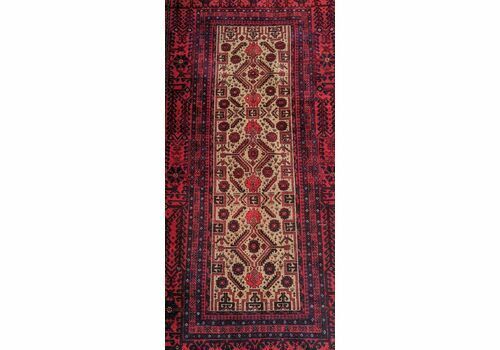
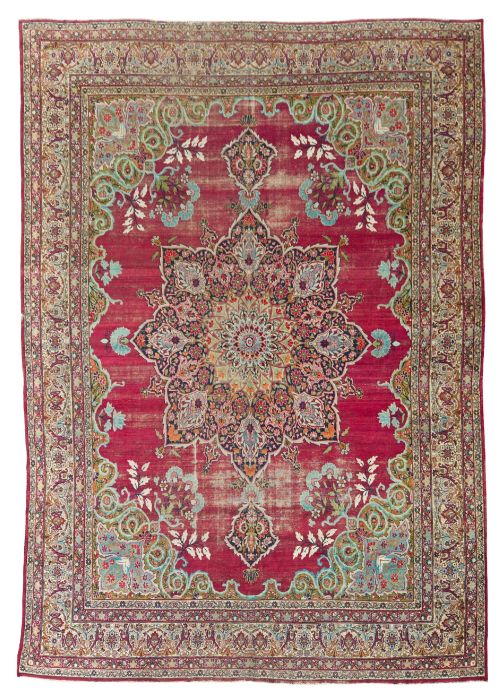
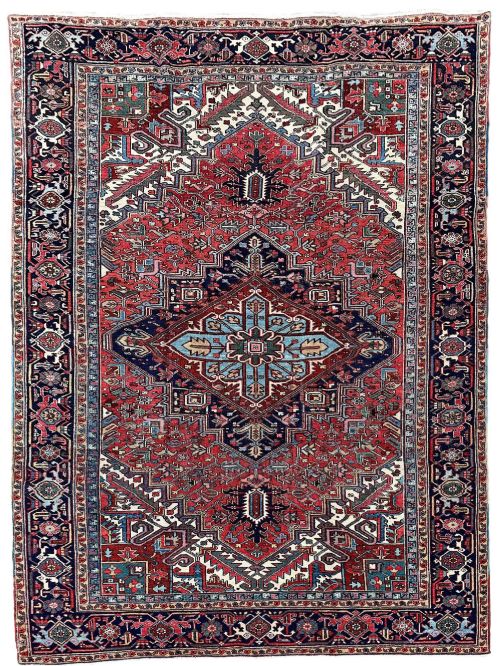
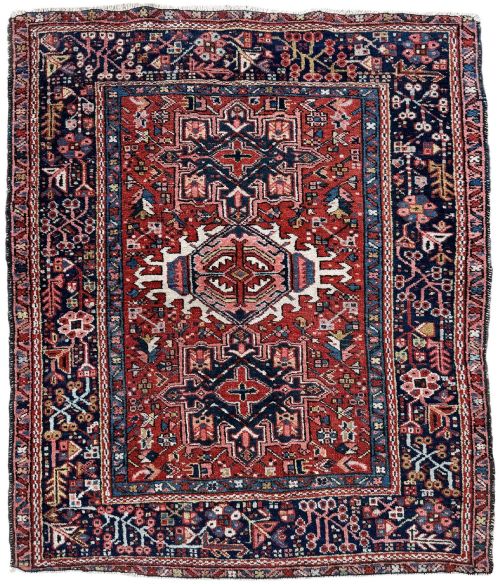
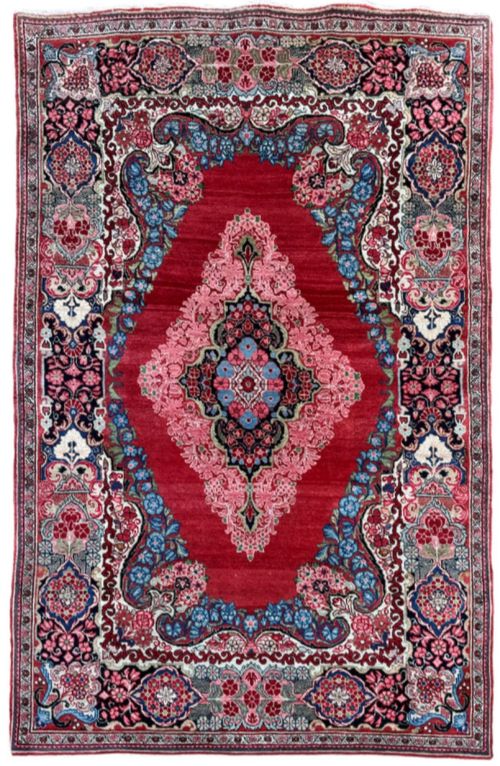
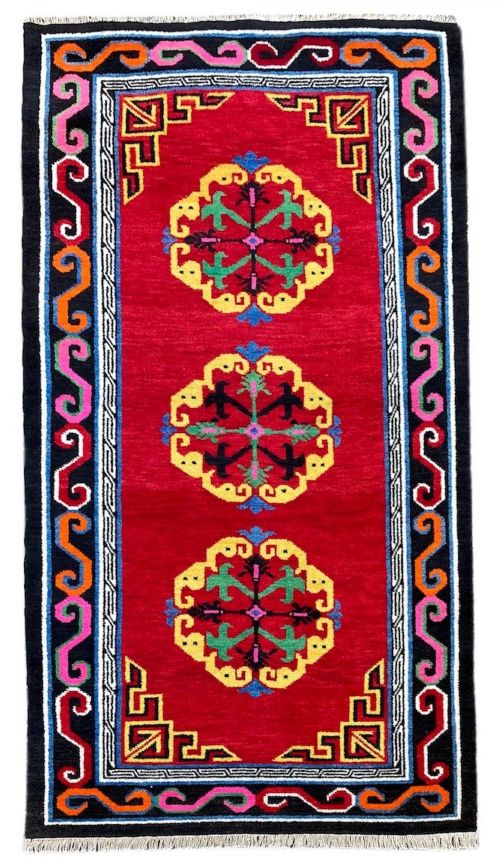
A traditional red oriental carpet encompasses woven floor coverings originating from Persia, the Caucasus, Anatolia, and Turkmenistan, dating from the nineteenth century through the early twentieth century. These textiles include large carpets, room-sized area pieces, runners, and smaller prayer rugs created by village and tribal weavers.
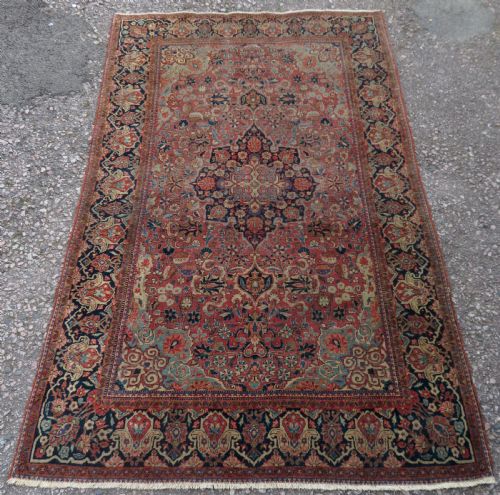
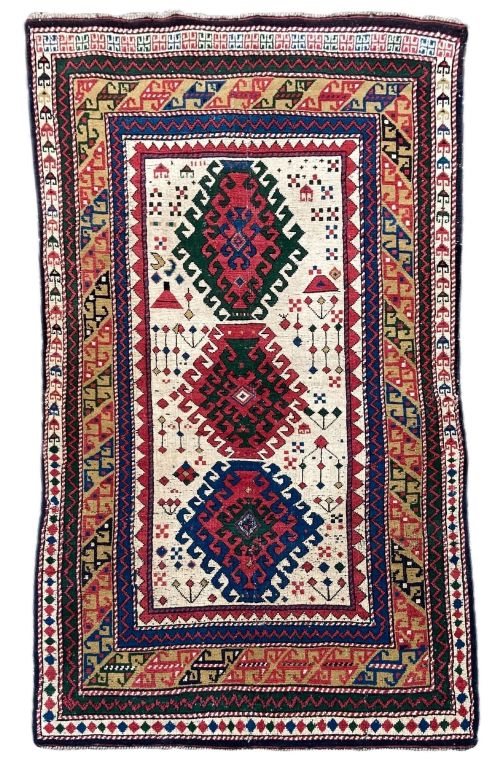
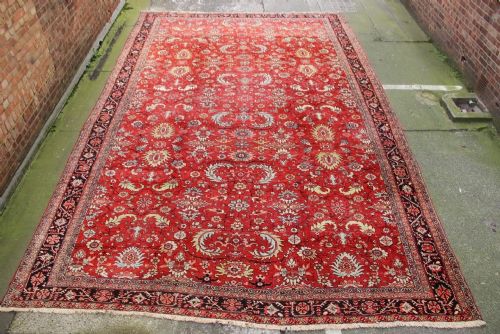
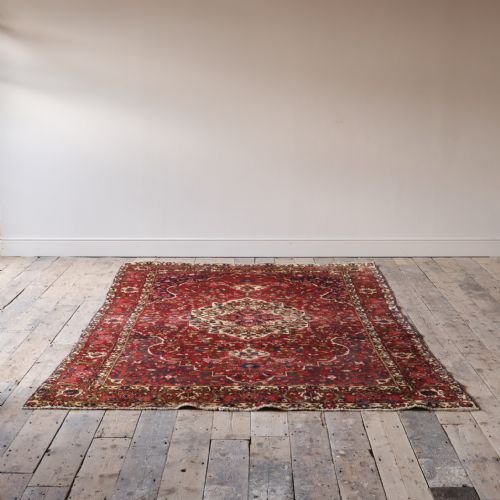
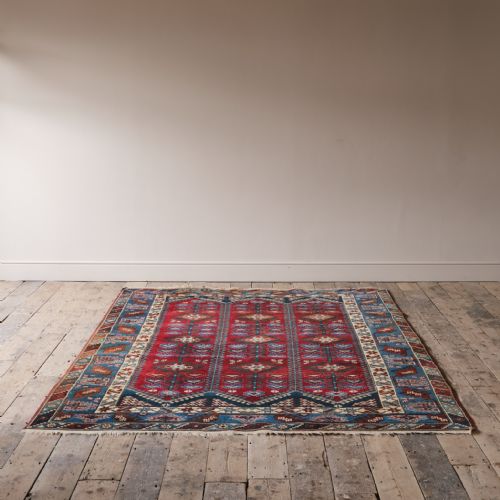
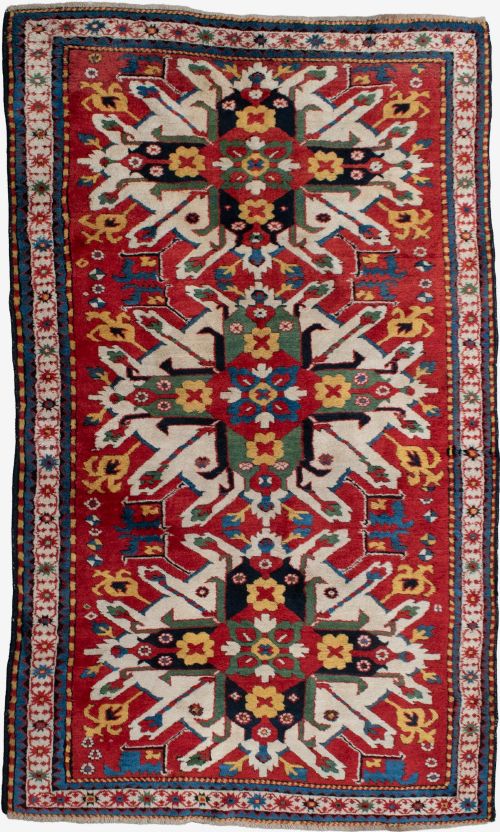
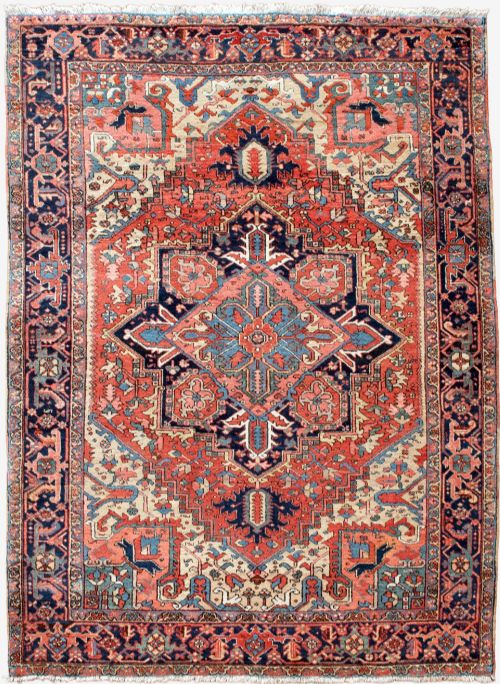
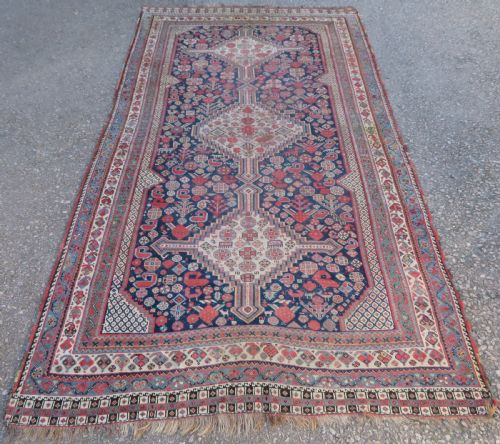
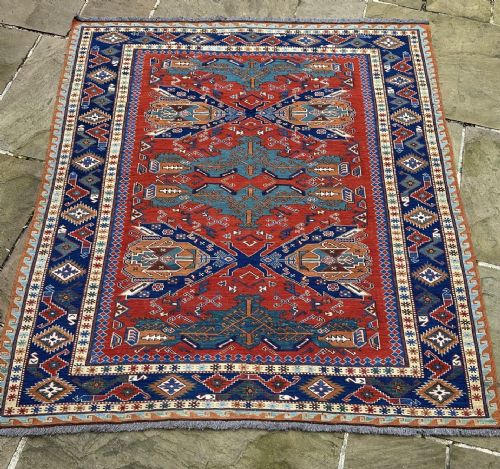
The version most commonly met on this page is the antique Persian or Caucasian village rug, often displaying deep crimson and rust tones shaped by regional motifs. These pieces range from bold geometric Kazak designs to intricate floral Heriz and Saroukh formats.
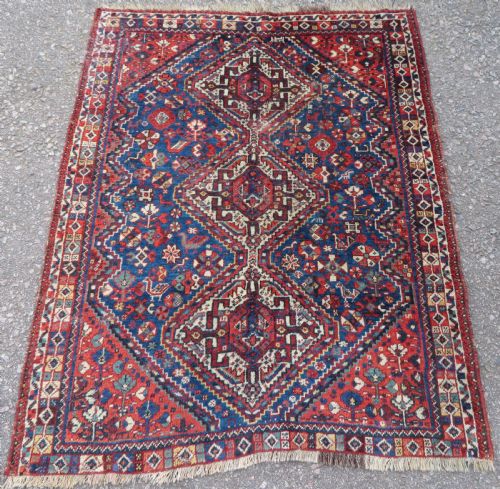
Collectors encounter works attributed to specific regional groupings such as Afshar, Bakhtiar, Bidjar, and Yomut, each carrying distinct tribal patterns and structural traits. The variety spans from compact village formats to substantial room-sized carpets intended for heavy daily use.
How They Were Made
Weavers constructed these carpets predominantly using wool, hand-spun wool, and occasional cotton foundations, sometimes incorporating silk highlights to accentuate specific design elements. Natural dyes provided the characteristic rich red palettes, ranging from deep madder rust to vibrant crimson.
The manufacturing process relied on manual hand-knotting techniques executed on vertical looms, creating dense pile structures designed to withstand decades of foot traffic. Artisans utilised regional geometric and curvilinear motifs passed down through generations of tribal and village workshops.
Listings span periods from the early nineteenth century through the 1930s, featuring wool, cotton, silk, and natural dyes.
What Varies in Quality
The standard of a woven carpet rests upon the tightness of the knotting and the quality of the wool employed in the pile. Tightly packed knots allow intricate geometric and floral designs to remain sharp and well-defined over generations of use.
Colour stability and the depth of natural dyes dictate visual success, as superior dye lots retain their rich chromatic resonance rather than flat uniformity. The integrity of the foundational warps and wefts determines how well a heavily utilised floor covering holds its structural shape.
The Traditional Red Oriental Carpet Glossary
- Prayer Rug
- A small format carpet featuring a mihrab or arch design indicating the direction of prayer. These pieces were traditionally used for personal devotion.
- Runner
- A long, narrow carpet format specifically suited for hallways, corridors, and staircases. Their proportions balance linear spaces with concentrated regional patterns.
- Mihrab
- A niche or arch motif depicted on prayer rugs, representing the prayer hall in a mosque. This design element directs the orientation of the textile during use.
- Natural Dyes
- Organic colorants derived from plants, insects, and minerals, such as madder root for reds. These dyes yield complex, shifting tones that age with a soft patina.
- Warp
- The stationary vertical threads stretched onto a loom that form the structural skeleton of the carpet. Wefts are then interlaced horizontally across these foundational strands.
Traditional Red Oriental Carpet: Frequently Asked Questions
How do I clean an antique rug?
Professional dusting and specialist low-moisture washing remain the safest methods for preserving fragile wool fibres and natural dyes. Avoid harsh chemical detergents and mechanical scrubbing, which damage the historic foundation.
Regular gentle vacuuming without a rotating power brush helps remove embedded grit that cuts into the pile over time. Lifting the carpet periodically allows air circulation underneath and prevents moisture retention.
Can I place these carpets in high-traffic hallways?
Many sturdy village and tribal carpets handle moderate corridor foot traffic quite well when paired with a quality underlay. Wool possesses natural resilience and lanolin that resist dirt and everyday wear.
Delicate pieces containing silk highlights or very fine knotting benefit from placement in lower-traffic rooms like studies or bedrooms. Rotating the rug every year ensures even exposure to sunlight and foot pressure.
How do I tell a village rug from a city carpet?
Village and tribal rugs typically display bolder geometric motifs, asymmetrical quirks, and thicker, more rustic wool weaves. Weavers in small settlements worked from memory rather than precise scaled cartoons.
City carpets feature highly symmetrical, curvilinear floral layouts executed with refined precision and finer knot counts. Urban workshops maintained centralized design oversight, resulting in uniform botanical compositions.
What underlay should I use on wooden floors?
A breathable, high-friction mesh underlay prevents the carpet from slipping while protecting both the floor and the textile backing. This layer stops abrasion caused by the rug rubbing directly against hard boards.
Select a pad made from natural rubber or polymer rather than cheap plastic compounds that can degrade or stick to historic wool. Proper cushioning also absorbs impact, reducing stress on the foundational knots during use.