




Traditional Pier Glass
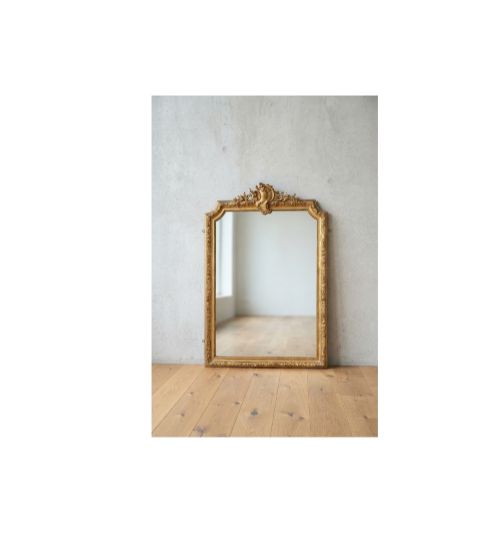
A traditional pier glass hangs between windows to bounce light into darker rooms, bringing height and proportion to period interiors.
Traditional Pier Glass
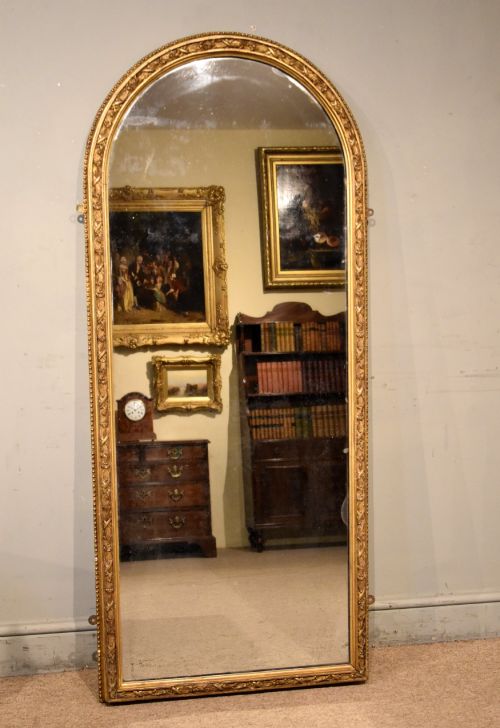
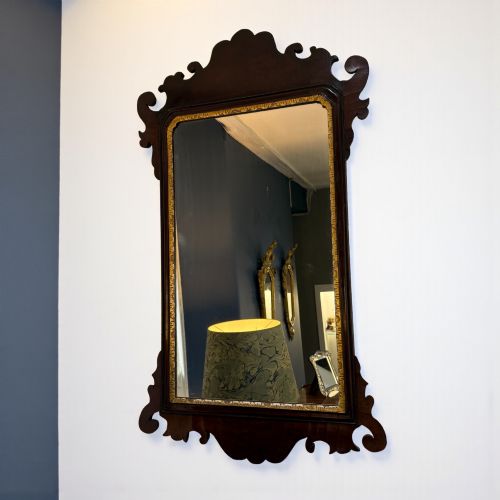
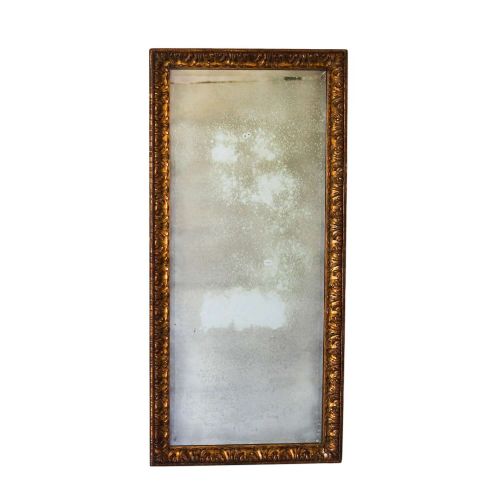
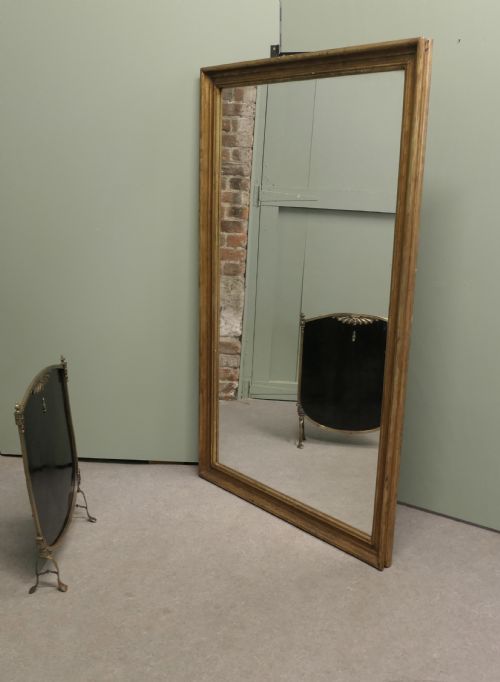
A traditional pier glass is a tall wall mirror designed specifically to hang on the narrow wall space between windows, known as the pier. These mirrors serve to reflect natural daylight deep into rooms while visually expanding the interior space.
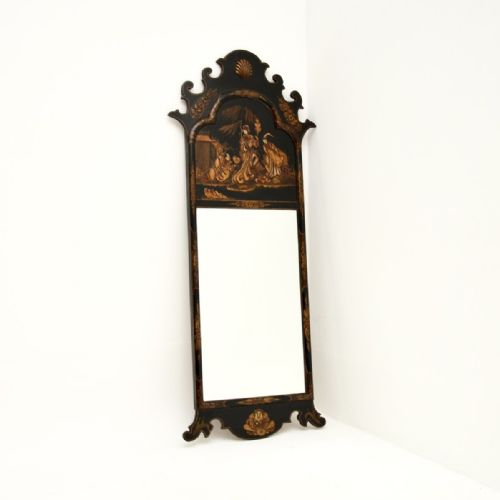
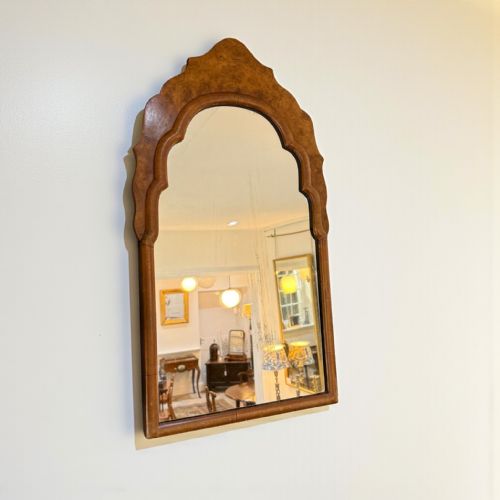
The examples gathered here span several distinct eras, drawing predominantly from the eighteenth and nineteenth centuries alongside later revival pieces. Buyers frequently encounter frames executed in walnut and gilded finishes, often incorporating classical proportions and decorative panels.
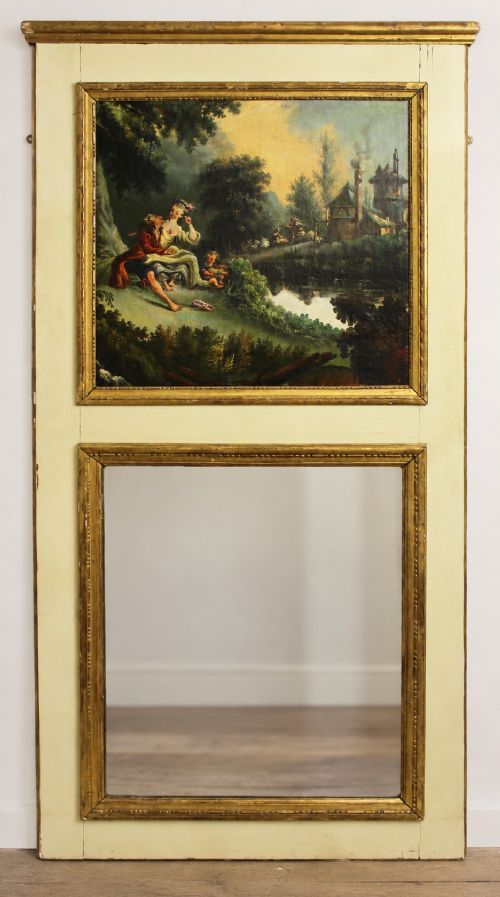
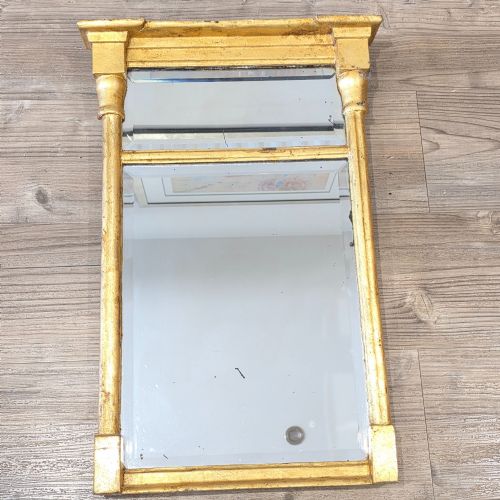
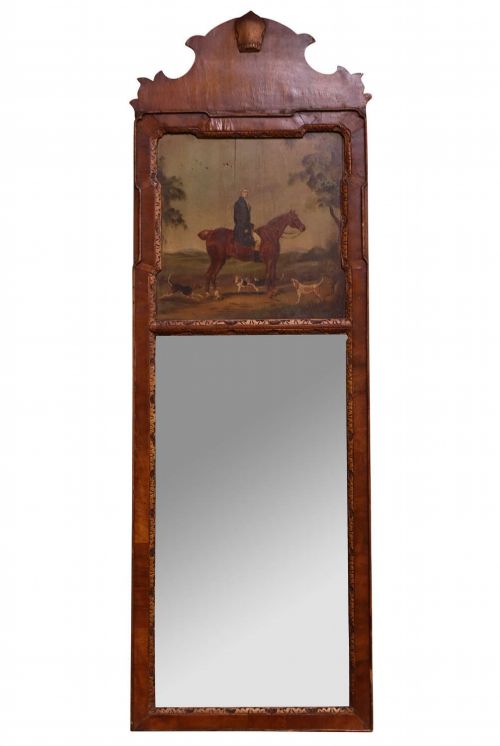
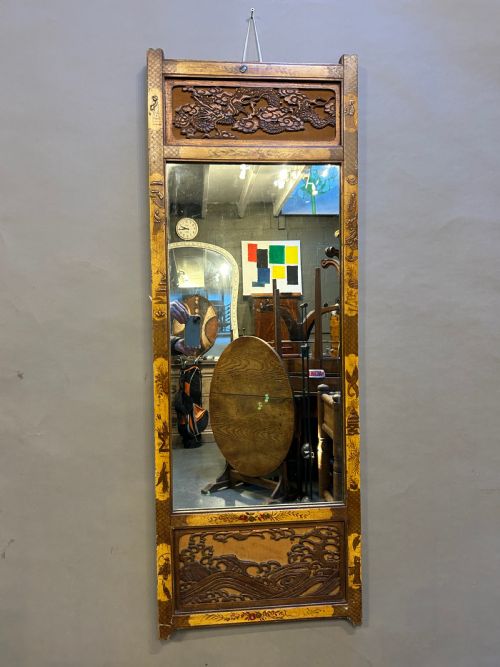
The selection ranges from restrained Georgian walnut designs to elaborate Regency giltwood creations and nineteenth-century French variants. Alongside standard vertical mirror plates, certain interpretations include inset painted panels or equestrian artwork positioned above the glass.
How they were made
Makers constructed these frames from timbers such as walnut, mahogany, and rosewood, applying gesso layers to shape intricate surface ornament before gilding them with gold leaf. Other pieces rely on painted and parcel-gilt finishes to achieve their decorative presence.
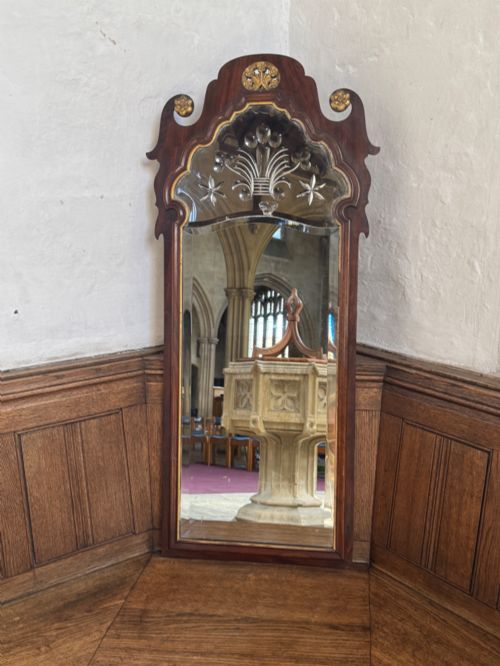
Mirror plates within these frames frequently display traditional techniques like reverse cutting, while structural joins reflect the cabinet-making standards of their respective periods.
Traditional Pier Glass Retail Price Guide 2026
Typical asking prices for traditional pier glass among the pieces listed under this phrase on Sellingantiques today, from the lower quarter to the upper quarter. They describe what is for sale here now, not the wider market.
One unexpected mirror pairs its walnut frame with an equestrian oil painting, proving that horses and glass make surprisingly good neighbours.
What varies in quality
Quality in a traditional pier glass rests on the crispness of the carved detail within the gesso and wood, alongside the depth and warmth of the original gilding. Finer examples retain their original mirror plates, which exhibit subtle age distortion and foxing rather than modern clarity.
The structural integrity of the timber framing and the sophistication of secondary decorative elements, such as hand-painted foliate panels or reverse-cut glass, distinguish superior pieces from standard workshop output.
The Traditional Pier Glass Glossary
- Pier glass
- A tall mirror designed to hang on the narrow wall space between two windows. This placement maximises reflected light in period rooms.
- Giltwood
- Timber coated with gesso and gold leaf to create a brilliant metallic surface. It defines many formal nineteenth-century and Regency frames.
- Parcel gilt
- A surface treatment where only specific carved portions of a painted or wood frame are gilded. This technique highlights particular decorative motifs.
- Gesso
- A plaster-like mixture applied to wood frames and carved before gilding. Its quality determines the sharpness of the ornamentation.
- Reverse cut plate
- Glass decorated with cuts or engravings made on the rear surface. This technique produces a layered visual effect when viewed from the front.
Traditional Pier Glass: Frequently Asked Questions
Where should I hang a traditional pier glass?
These mirrors traditionally occupy the narrow wall section situated between two windows to catch and distribute natural daylight.
They also function effectively above console tables or in hallways where vertical wall space requires visual weight and proportion.
How do I identify a Georgian pier glass?
Georgian pieces typically feature architectural walnut or mahogany frames with subdued carved details, often following strict classical proportions.
Later revival interpretations from the Victorian and Edwardian eras frequently exhibit heavier gesso work or combined painted panels.
Are original mirror plates common?
Many surviving pieces retain their original glass, which often displays characteristic oxidation, slight darkening, and minor surface irregularities.
These natural signs of age confirm the authenticity of the plate within its historic frame.
How do I care for a giltwood frame?
Giltwood surfaces require gentle dusting with a soft, dry brush to protect the delicate gold leaf and underlying gesso layers.
Avoid liquid cleaners and moisture entirely, as water causes irreversible damage to historic water-gilding.