



Georgian Accent Wall Mirror
A georgian accent wall mirror brings historic depth to a room through carved timber, gilded surfaces, and antique glass.
Georgian Accent Wall Mirror
A georgian accent wall mirror encompasses pieces made during the eighteenth century alongside later revivals from the nineteenth and twentieth centuries. These hanging and pier forms display regional variations spanning English workshops and continental makers such as Italian and Swedish creators.
Materials and construction
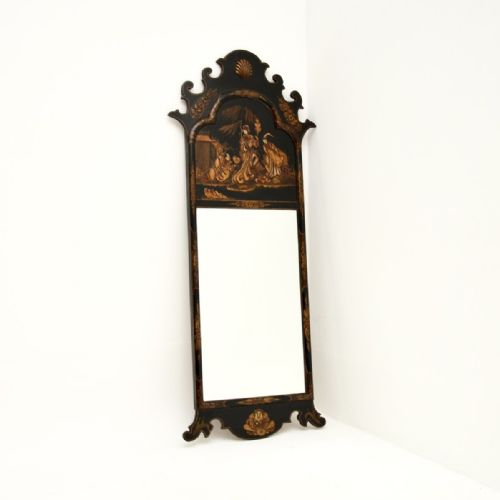
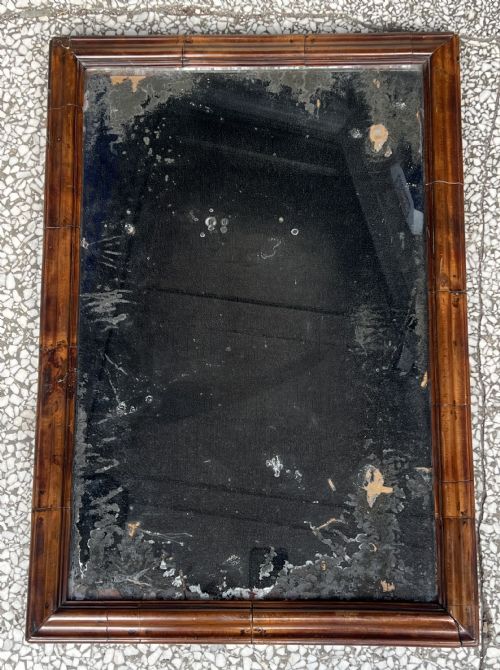
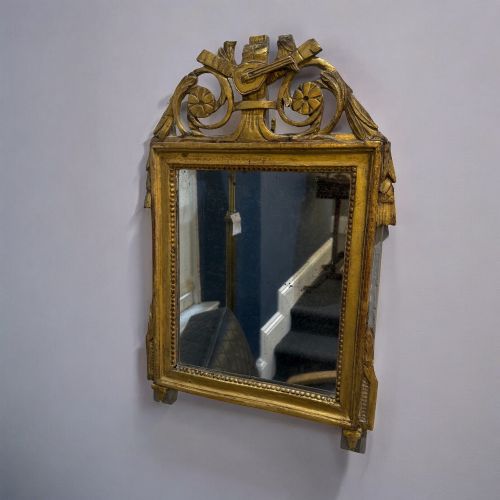
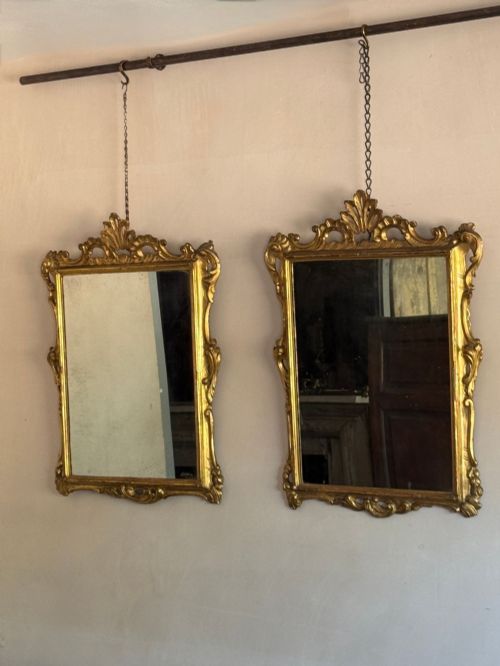
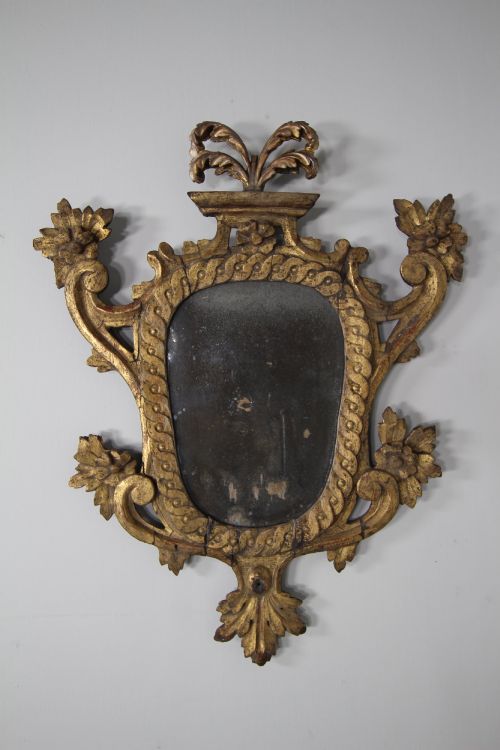
Makers shaped these frames from solid timbers including mahogany, walnut, and carved wood, frequently applying gesso to build up intricate relief decoration. Gold leaf and parcel gilt finishes then catch the light across foliate crestings and moulded borders.
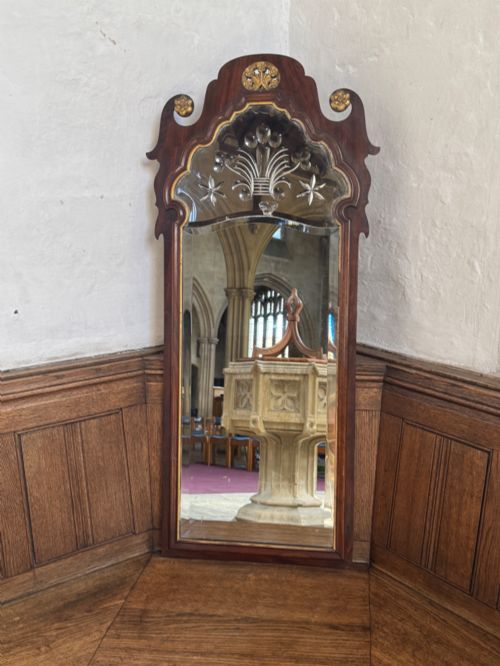
Mirrored plates include early bevelled glass and reverse cut designs, sometimes housed within japanned or painted wooden surrounds.
Georgian Accent Wall Mirror Retail Price Guide 2026
Typical asking prices for georgian accent wall mirror among the pieces listed under this phrase on Sellingantiques today, from the lower quarter to the upper quarter. They describe what is for sale here now, not the wider market.
Listings span the eighteenth, nineteenth, and early twentieth centuries, featuring walnut, mahogany, giltwood, and gesso materials.
What separates the finest examples
Quality rests upon the crispness of the hand-carving within the giltwood or timber, where deep relief and sharp foliate details distinguish superior framing. The integrity of the original mercury or early silvered glass plate further elevates a piece.
Proportion and the handling of parcel gilding against walnut or mahogany grain reveal the competence of the workshop behind the mirror.
John Belchier
The Georgian Accent Wall Mirror Glossary
- Pier mirror
- A tall vertical glass designed specifically to hang on the narrow stretch of wall between windows. These pieces often feature decorative aprons and carved crests.
- Convex mirror
- A round circular glass that projects outward to capture a wide-angle reflection of the interior. They frequently appear in Regency contexts with gilded ball-studded frames.
- Giltwood
- Timber carved and subsequently covered with thin sheets of gold leaf over a prepared gesso ground. This technique creates a luminous metallic surface.
- Parcel gilt
- A decorative treatment where only specific raised portions of a wooden frame receive gilding while the underlying walnut or mahogany remains visible.
- Foliate cresting
- An ornamental carved top piece shaped to resemble leaves, foliage, or floral scrolls. This detail sits atop the primary mirror frame.
Georgian Accent Wall Mirror: Frequently Asked Questions
Where should I hang a convex mirror?
Convex glasses suit smaller spaces or hallways where their curved reflective surface can capture light and broad perspectives from across the room. Hang them at eye level to make the most of their optical effect.
Traditional placement often involves positioning them opposite a window to draw daylight deeper into the interior. Ensure the wall structure can support the weight of the heavy timber and gilded frame.
How do I identify a true eighteenth century mirror?
Examine the construction of the timber backing, the weight of the glass, and the hand-carved details of the gesso and giltwood. Period pieces show characteristic tool marks and natural ageing across the materials.
Revival pieces from later centuries often mimic these historic proportions but display distinct secondary woods and modern backing methods under close inspection.
How do I clean antique giltwood frames?
Dust giltwood and gesso surfaces gently with a soft dry brush to remove particles without disturbing the delicate gold leaf. Avoid liquid cleaners or chemical agents entirely.
Moisture can soften the underlying gesso preparation beneath the gold leaf, leading to flaking or loss of the historic surface.