








Traditional Persian Tribal Carpet
When you handle a traditional persian tribal carpet, you hold a piece of village and nomadic history woven by hand.
Traditional Persian Tribal Carpet
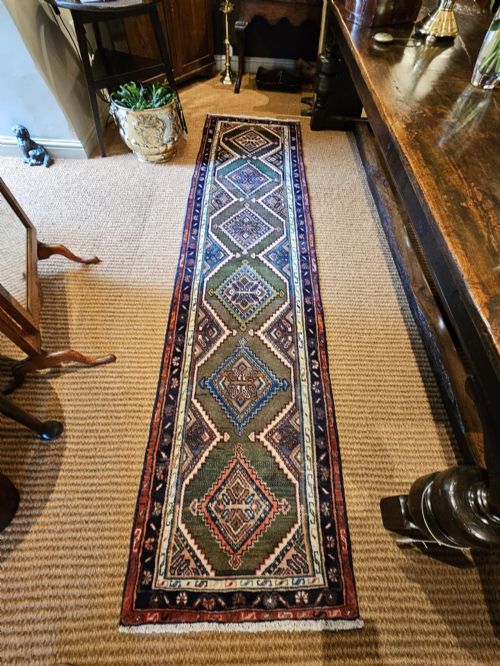
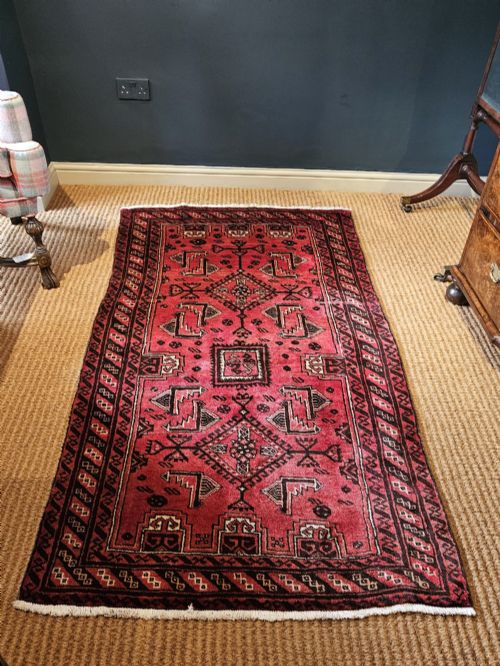
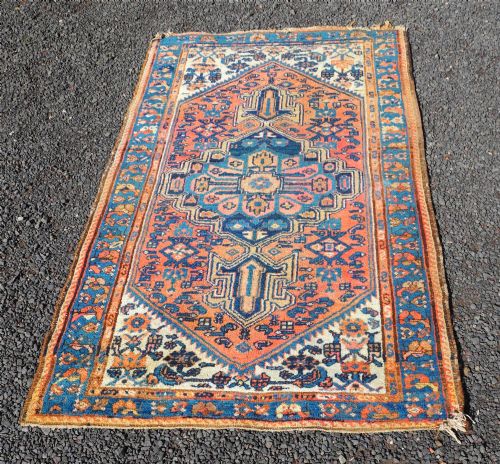
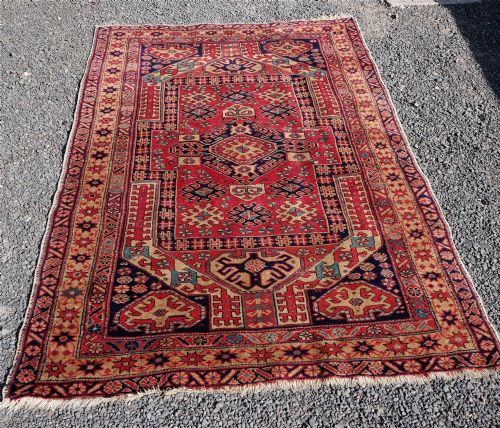
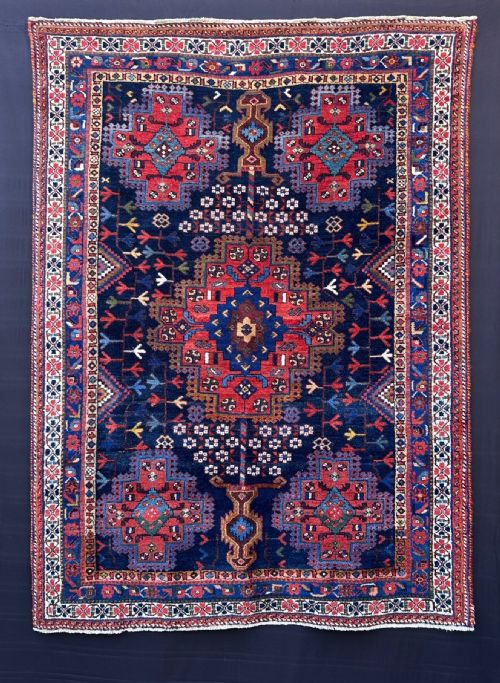
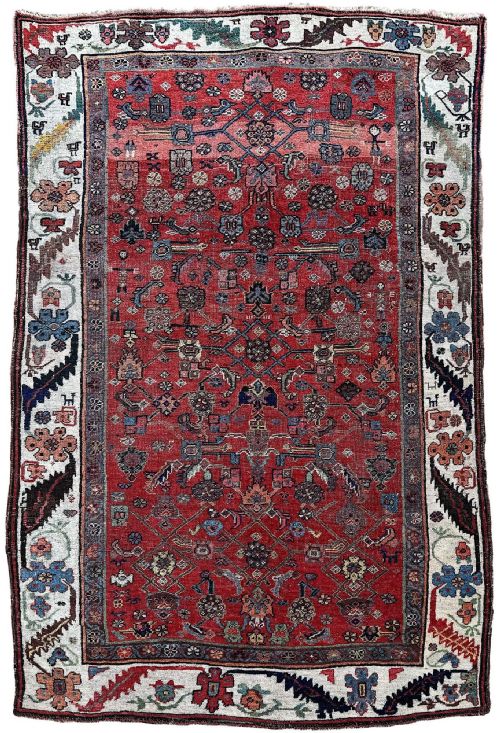
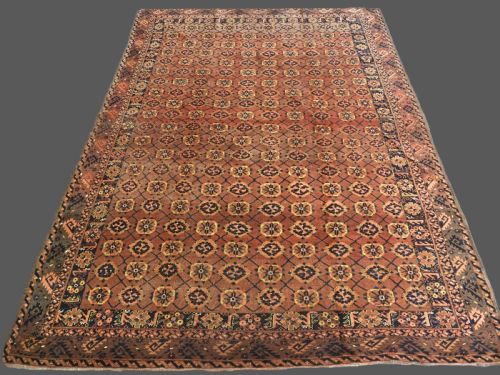
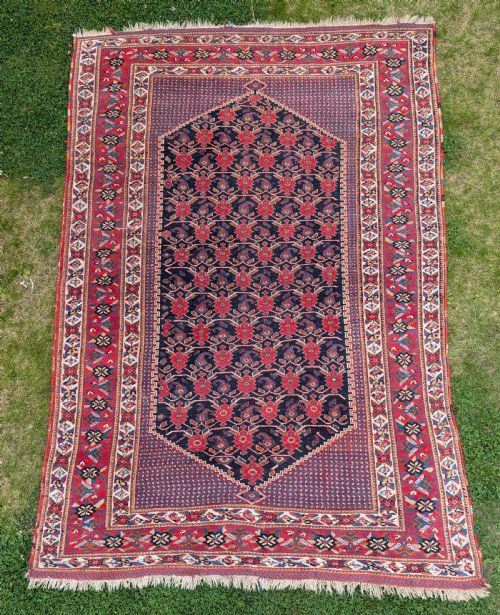
A traditional persian tribal carpet brings centuries of nomadic and village weaving tradition into a domestic interior. These textiles encompass formats ranging from small area rugs and runner rugs to larger village carpets.
The pieces available originate primarily from the nineteenth and twentieth centuries, spanning periods from the 1850s through to the 1960s. Buyers frequently encounter regional formats including Hamadan, Bakhtiar, Heriz, and Afshar pieces.
Makers include various tribal confederacies and village communities across Persia, the Caucasus, and Anatolia. Forms vary from square area rugs to long hallway runners designed for specific utilitarian spaces.
How They Were Made
Weavers constructed these carpets using wool, pure wool, and occasionally camel hair, set upon sturdy cotton foundations. Hand-weaving techniques dominated production, paired with the application of natural dyes to achieve varied colour palettes.
Nomadic and village workshops relied on hand-knotting to build durable piles designed for heavy daily use. Materials like camel hair and natural dyes impart distinct textural depth and tonal variation across the surface of each rug.
Some runners measure over six metres long, demanding a very long hallway indeed.
What Varies in Quality
Quality rests in the tightness of the weave, the handling of the wool, and the clarity of the regional design. Finer knotting and resilient pile materials distinguish master village work from simpler utilitarian output.
The integrity of the natural dyes and the precision of geometric or medallion motifs dictate the visual strength of the piece. Well-balanced proportions in runners and carpets indicate disciplined execution by the weaver.
The Traditional Persian Tribal Carpet Glossary
- Runner
- A long, narrow carpet format traditionally utilised in hallways or corridors. These pieces measure significantly longer than they are wide.
- Medallion
- A central ornamental design motif placed in the middle of the carpet field. This focal shape frequently employs geometric or floral outlines.
- Guls
- Repeated octagonal or floral medallion motifs characteristic of tribal weaving traditions, particularly among Baluch and Turkmen groups.
- Kelleh
- A large format rectangular carpet, typically longer than a standard room rug but wider than a runner. These substantial carpets functioned as main floor coverings in traditional settings.
- Natural Dyes
- Colorants derived from plants, roots, and minerals rather than synthetic compounds. These dyes yield rich, complex tones that age with subtle patination.
Traditional Persian Tribal Carpet: Frequently Asked Questions
Where were these carpets made?
These textiles originate from village workshops and nomadic tribal regions across Persia, Anatolia, and the Caucasus.
Weavers in specific provinces and districts, such as Hamadan, Heriz, and Shiraz, produced distinctive regional styles and formats.
How do I clean a tribal rug?
Professional specialist cleaning is essential for antique and vintage wool carpets to protect the natural dyes and fibres.
Regular gentle vacuuming without the beater bar active removes surface dust and grit from the pile.
Can I use runners in hallways?
Long narrow formats are specifically suited for corridors, staircases, and hallways where floor protection is required.
Their durable wool pile withstands frequent foot traffic while adding warmth and colour to transitional spaces.
How do I date a carpet?
Dating relies on stylistic analysis, structural characteristics, wool quality, and the nature of the natural dyes used.
Comparing knot structures and design motifs against documented regional examples helps narrow the period of origin.