





Authentic Tribal Carpet
An authentic tribal carpet brings the geometric clarity of nomadic weaving into a room.
Authentic Tribal Carpet
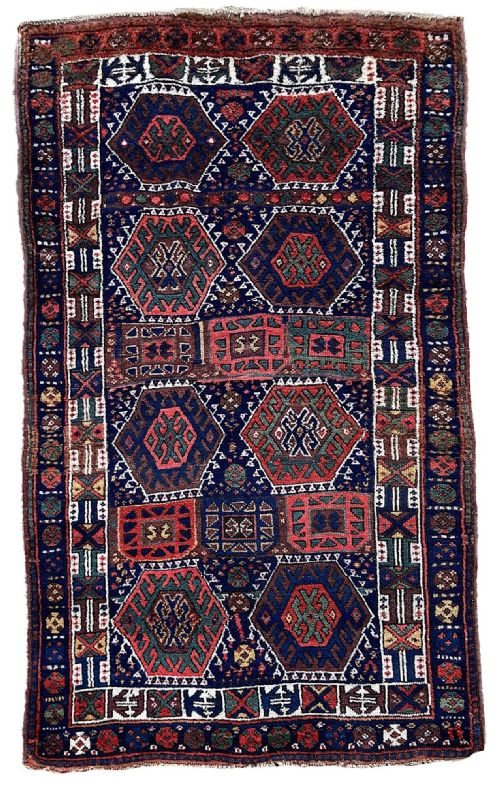
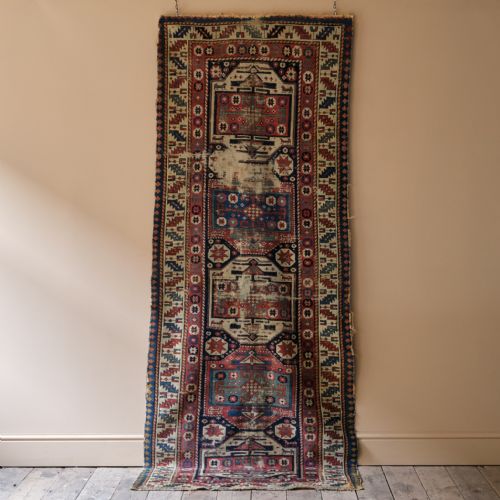
When you search for an authentic tribal carpet, you encounter heavy woolen floor coverings and flatweaves produced by nomadic and village weavers across the Caucasus, Persia, Anatolia, and Turkmenistan. These pieces include runners, square area rugs, and small torba bags woven during the nineteenth and early twentieth centuries.
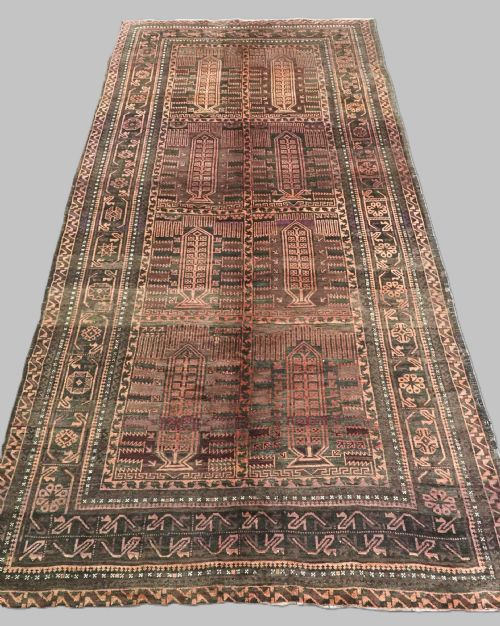
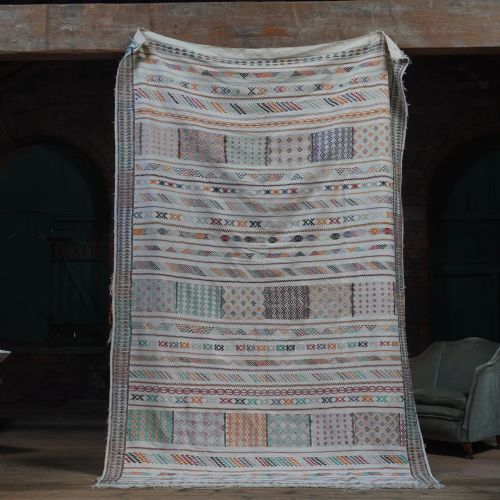
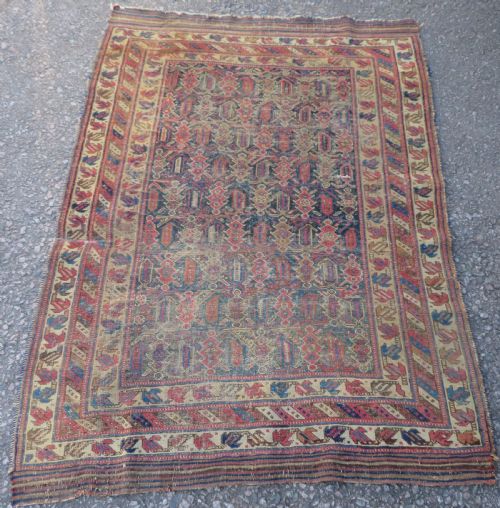
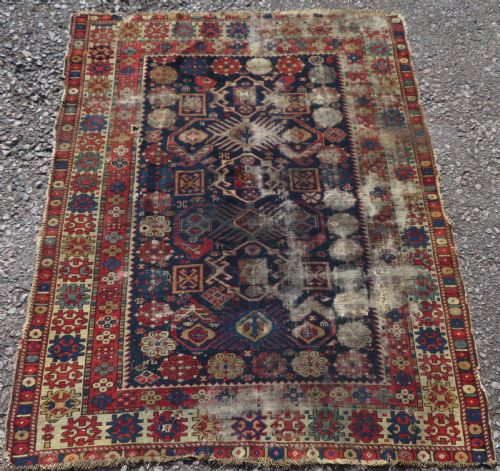
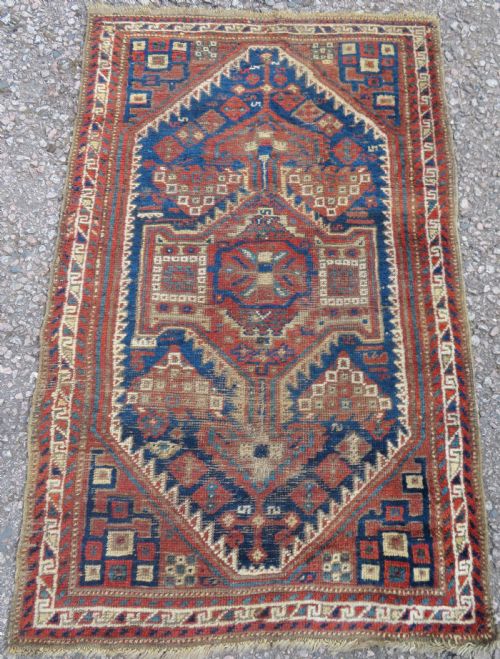
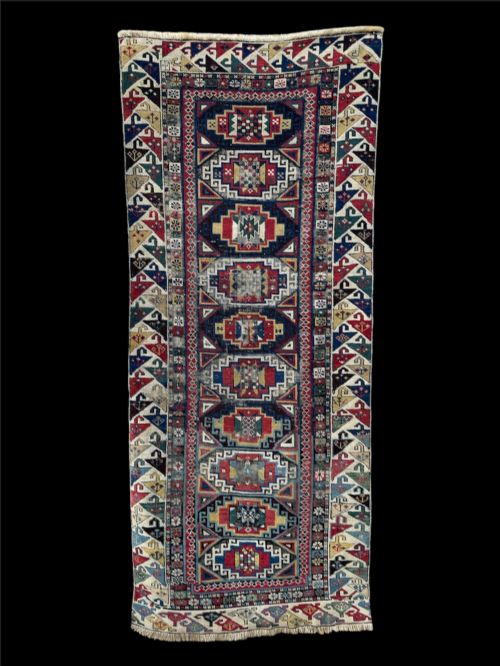
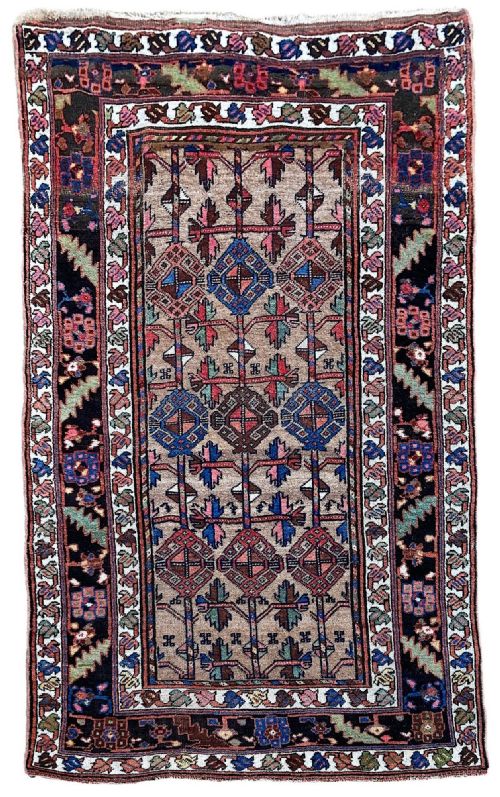
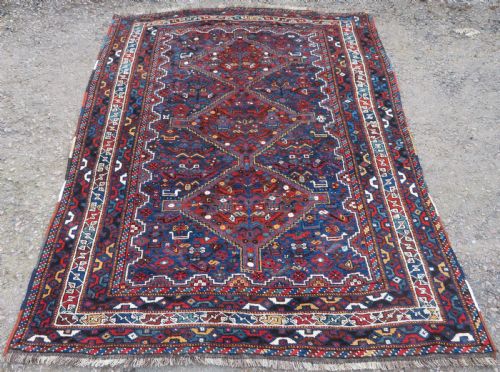
The most common examples on this page are Caucasian Kazak and Shirvan rugs alongside Persian Kurdish, Khamseh, and Afshar pieces. Turkmen main carpets and Moroccan sabra silk kilims also appear among the selection.
Each regional group utilises distinct motifs, from the bold geometric medallions of Caucasian examples to the repeating guls of Turkmen main carpets. Village weavers adapted these traditional patterns by hand, resulting in charming irregularities and asymmetrical layouts.
Quality differences
Quality in these textiles rests upon the density of the knotting and the quality of the wool utilised in the pile. Superior examples display high-grade hand-spun wool that retains its lanolin, giving the surface a soft sheen and resilience.
The precision of the natural dyes and the crispness of the geometric drawing distinguish better pieces from standard village work. Strong saturated colours derived from plants command greater attention than dull or chemically altered hues.
Look closely for the stray camel hair woven into the foundation by nomads who simply sheared whichever animal stood nearest the loom.
The Authentic Tribal Carpet Glossary
- Gul
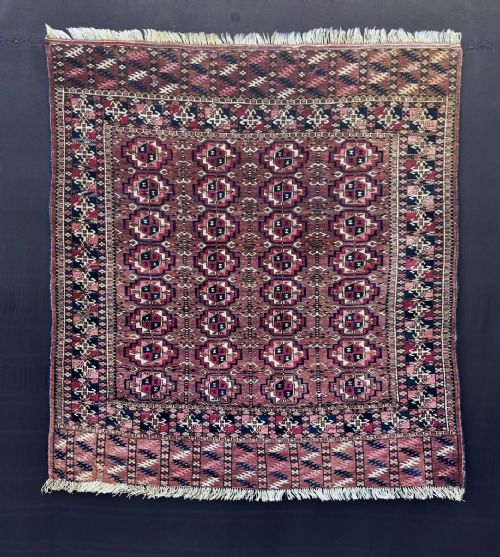
- An octagonal medallion motif repeated across Turkmen and Baluch carpets. Each tribal confederacy used specific gul designs to denote lineage.
- Warp
- The vertical threads stretched tightly on the loom that carry the weight of the rug. Weft threads pass horizontally between them to secure the knots.
- Kilim
- A flatwoven textile produced without a pile by tightly interweaving warp and weft strands. These function as light floor coverings or wall hangings.
- Kazak
- A style of rug woven in the southern Caucasus by village weavers known for bold geometric medallions and primary colour palettes.
Authentic Tribal Carpet: Frequently Asked Questions
How do I identify a Kazak rug?
Kazak rugs originate from the Caucasus and typically display large geometric medallions, hooked polygons, and primary colour palettes dominated by red and blue. The wool is thick and the knotting is relatively coarse compared to city-woven Persian carpets.
You will notice lively tribal motifs and occasional deliberate irregularities in the layout, reflecting the independence of the village weavers who made them.
Where were Khamseh rugs made?
Khamseh rugs were woven by a confederation of nomadic and semi-nomadic tribes in southwestern Persia. They frequently feature dark blue or black fields packed with stylized birds, small quadrupeds, and intricate diamond lattice patterns.
The use of dark indigo grounds combined with rich terracotta wool makes these Persian tribal pieces distinct from contemporary Caucasian weaving.
Can I use an antique rug on the floor?
Antique tribal rugs and runners were designed for daily domestic use and withstand normal foot traffic when placed over a quality underlay. Wool pile naturally resists dirt and retains structural integrity after a century or more of existence.
Avoid placing delicate flatweaves or smaller bag faces in high-traffic hallways where heavy furniture legs might catch the edges.
What is a Turkmen main carpet?
A Turkmen main carpet is a large floor covering produced by tribes such as the Tekke in Central Asia. They are characterised by deep madder-red fields divided by repeating rows of primary guls.
These carpets served important cultural roles within nomadic life and display exceptional wool quality paired with fine, tight knotting.