
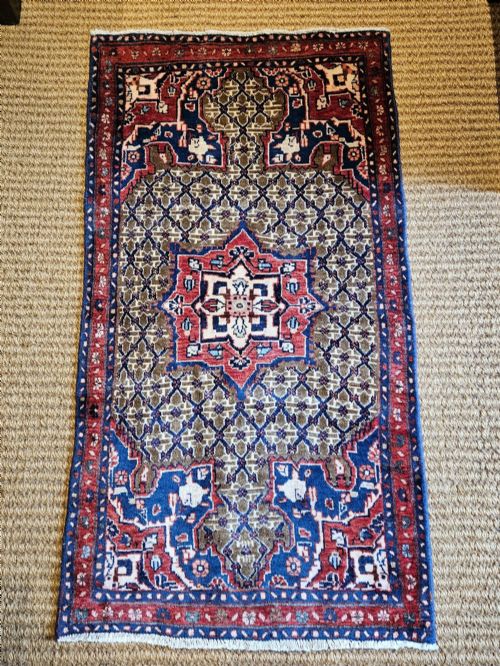
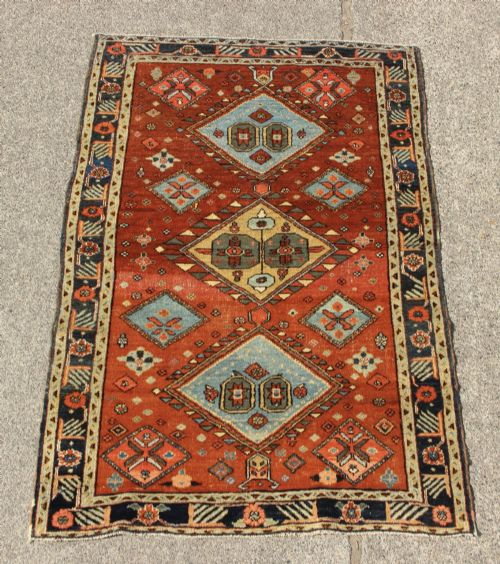

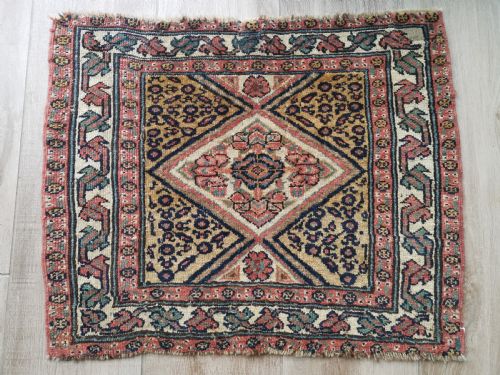
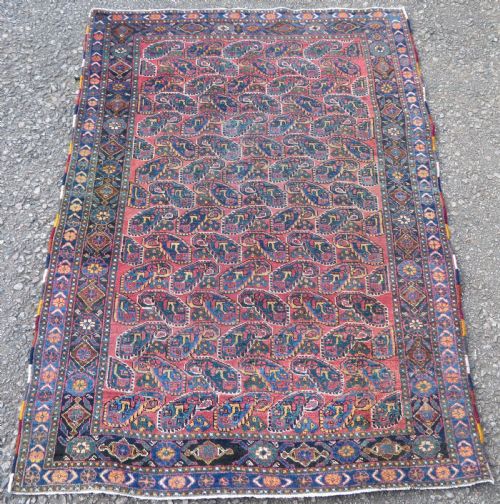
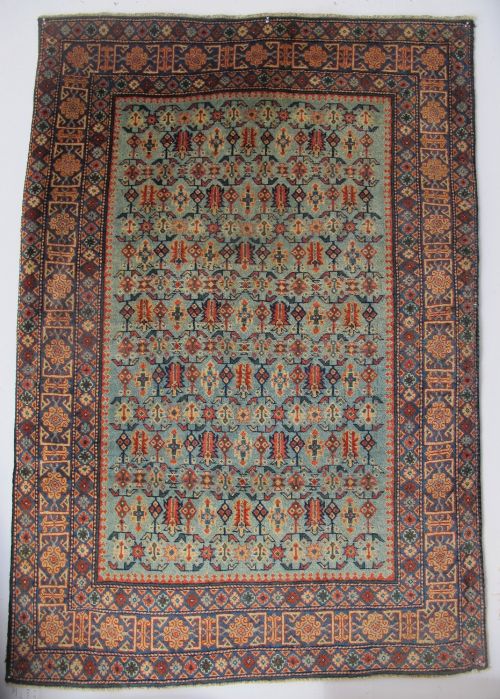
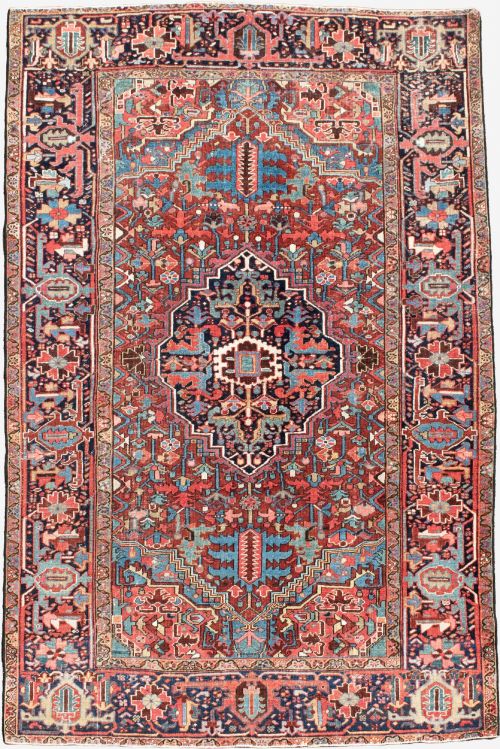
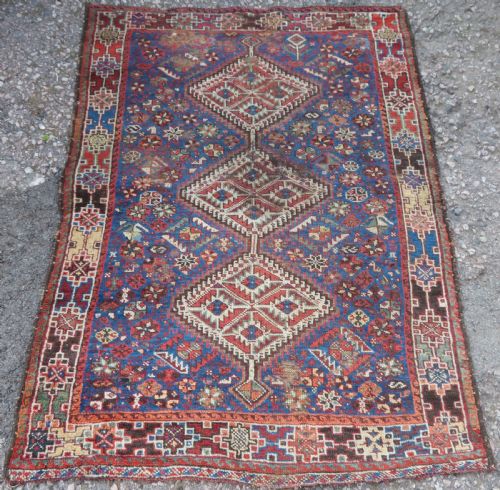

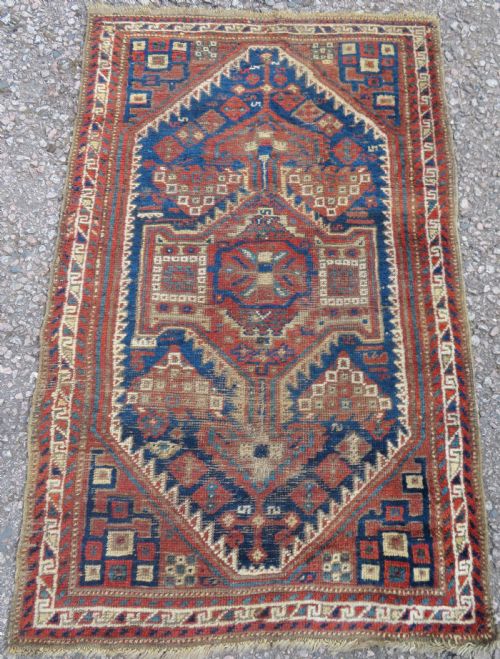
Small Persian Wool Rug
A small persian wool rug brings enduring geometric patterns and village character directly to your floor.
Small Persian Wool Rug
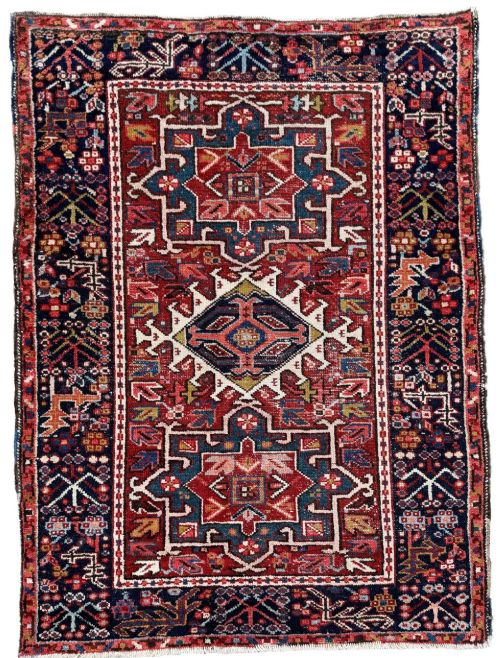
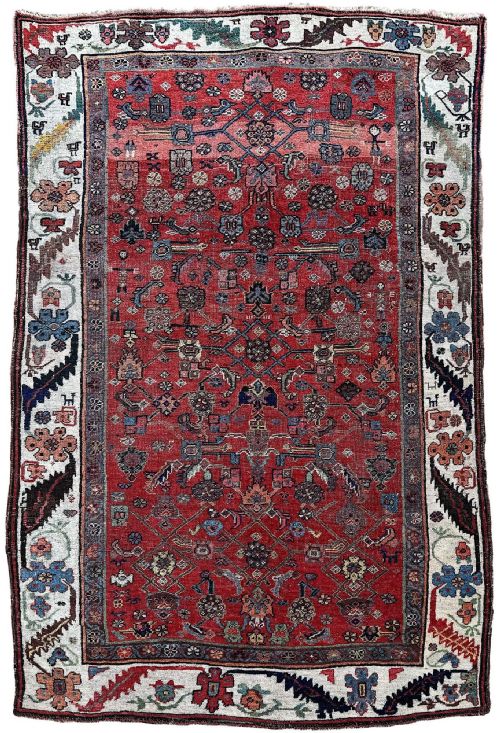
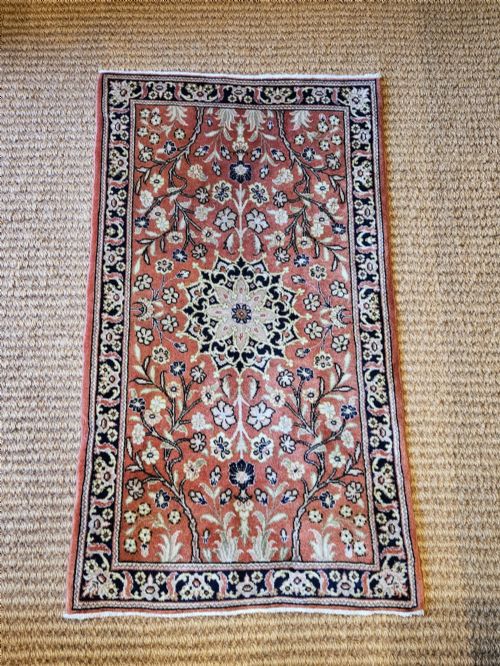
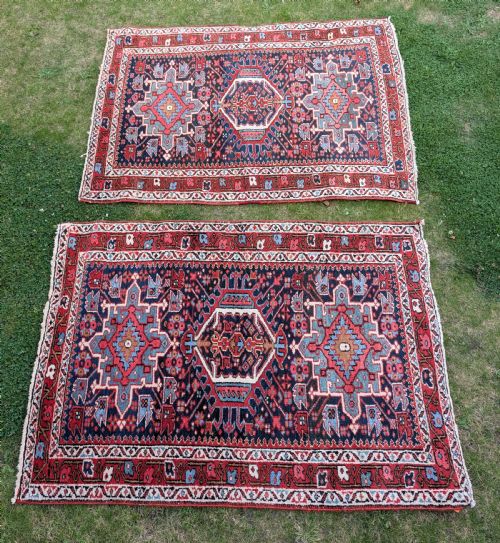
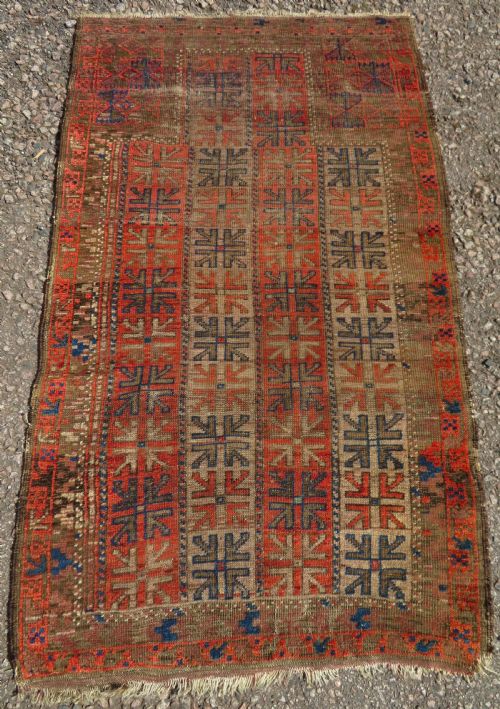
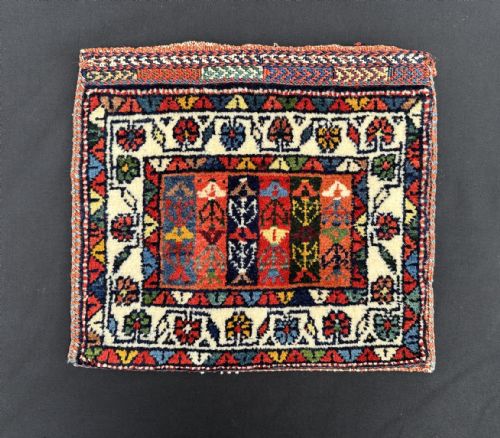
A small persian wool rug encompasses tribal and village weaving traditions from the nineteenth and early twentieth centuries. Pieces range from compact hearth rugs and prayer rugs to smaller saddle-bags and chantehs created by nomadic groups.
The selections on this page frequently originate from specific tribal regions including Heriz, Karaja, Bidjar, Afshar, and Baluch. These items display distinct regional motifs, from bold central medallions to repeating geometric field patterns.
Village workshops and nomadic weavers produced these textiles primarily for domestic use rather than export. Their compact proportions make them adaptable additions to hallways, studies, and smaller living spaces.
Materials and construction
The pieces rely primarily on hand-spun wool pile knotted onto foundational cotton warps or wool foundations. Natural dyes provide the underlying palette, yielding deep tones that soften gracefully over decades of use.
Weavers utilised traditional upright looms, tying symmetrical or asymmetrical knots by hand to build dense, hard-wearing surfaces. Supplementary materials such as silk, wool felt, and cotton appear selectively in specific tribal pieces.
Listings span nineteenth-century and early twentieth-century periods, featuring materials such as wool, cotton, silk, and natural dyes.
Assessment of quality
Knot density and structural tightness set finer workshop examples apart from looser nomadic weaving. Higher knot counts permit crisper rendering of intricate geometric and floral motifs across the field.
The depth and integrity of the natural dye palette influence visual success. Superior pieces demonstrate harmonious colour saturation and variation without muddy transitions between adjacent motifs.
The Small Persian Wool Rug Glossary
- Warp
- The vertical threads stretched lengthwise on the loom that carry the structural tension of the textile. Fringe ends typically show these finished foundation threads.
- Weft
- The horizontal threads passed back and forth across the warp to bind the rows of knots in place. They secure the structural integrity of the woven field.
- Medallion
- A large central ornamental design motif placed in the middle of the rug field. Many regional styles build their entire compositional geometry around this focal point.
- Prayer rug
- A small format textile featuring a distinctive architectural niche or mihrab design at one end. Historically, weavers created these pieces for individual devotional use.
- Chanteh
- A small tribal bag or vanity case woven in techniques matching larger rugs. These pocket-sized textiles served practical storage functions for nomadic groups.
Small Persian Wool Rug: Frequently Asked Questions
How do I clean an old wool rug?
Gentle surface brushing and careful vacuuming without a rotating power brush help maintain wool pile safely. Professional textile conservators should handle deep wet cleaning to protect natural dyes and fragile foundations.
Harsh chemical detergents or excessive moisture cause permanent damage to traditional wool fibres and cotton foundations. Regular rotation prevents uneven wear patterns in high traffic areas.
Are these rugs suitable for high traffic areas?
Traditional village and tribal pieces utilise dense hand-spun wool that withstands everyday foot traffic remarkably well. Placing a quality underlay beneath the textile prevents slipping and reduces internal fibre friction.
Heavily distressed examples or delicate prayer formats benefit from placement in quieter rooms or low traffic zones. Assessing the pile thickness helps determine where a specific piece will endure best.
How can I tell which tribe made a rug?
Regional weaving traditions display distinct signatures in their choice of wool quality, colour palette, and structural edge finishes. Specific geometric motifs and border arrangements often point directly to groups such as the Baluch, Afshar, or Khamseh.
Palettes dominated by deep indigos, madder reds, and camel tones frequently signal specific provincial origins in southern or north-west Persia. Comparing knotting quirks and end finishes provides further clues to regional workshops.
Why do some old rugs look distressed?
Decades of domestic use, natural foot traffic, and exposure to light create genuine age-related wear across the wool pile and side cords. This fading and softening forms a natural patina valued by collectors for its authenticity.
Structural thinning or low pile does not necessarily indicate structural failure in tightly knotted village pieces. Understanding the difference between active damage and honest ageing guides careful selection.