




Traditional Persian Textile
A traditional persian textile brings centuries of nomadic and courtly heritage into a room, offering rich geometric motifs and tactile depth.
Traditional Persian Textile
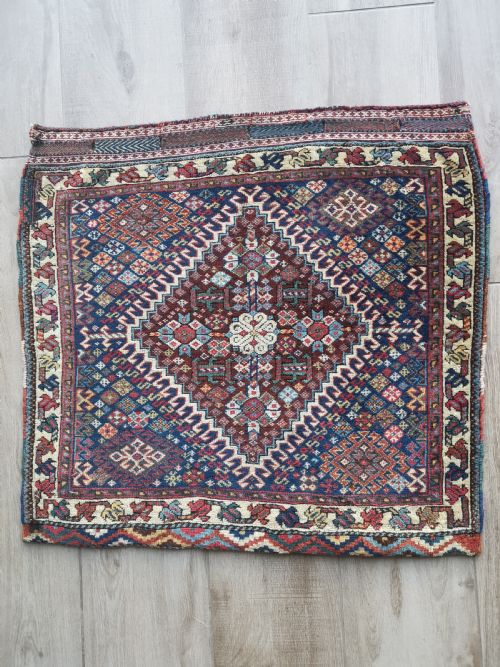
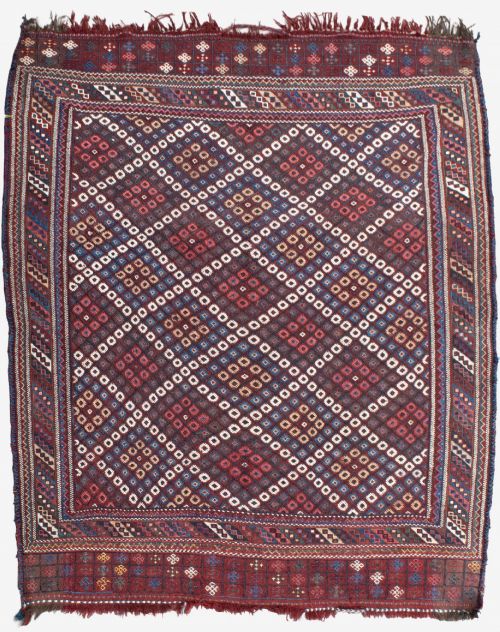
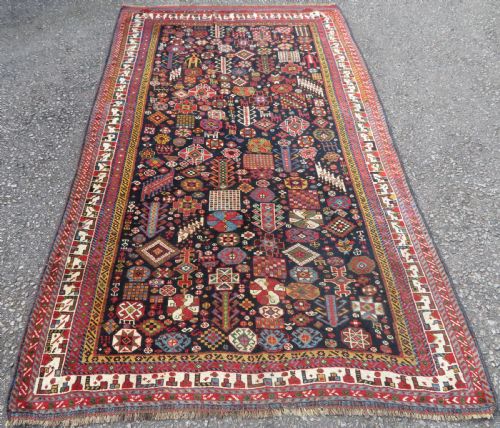
When you search for a traditional persian textile, you encounter an array of utilitarian objects transformed by craft into decorative works, primarily originating from nomadic tribes and regional workshops across Persia. The selection spans the nineteenth and early twentieth centuries, showing forms ranging from utilitarian storage bags and sofreh dining cloths to folded room screens and floor rugs.
Tribal weaving dominates the evidence, with specific nomadic groups such as the Qashqai, Afshar, Bakhtiari, and Shahsavan producing most of the surviving examples. These pieces often take the form of bag faces, salt bags, and saddle bags alongside larger rugs and embroidered panels.
Alongside woven pile and flatweave nomadic items, the listings include specialised forms like Rasht appliquéd textiles utilising silk and felt, as well as carved wooden decorative objects connected to Indo-Persian traditions. This variety means a buyer can choose between small, highly concentrated geometric panels and larger floor coverings or furnishings.
How they were made
Makers relied primarily on wool, cotton, and linen to form the structural foundations and pile of these textiles, utilising natural spinning and dyeing methods passed down through generations. Wool provides the durable surface of tribal bag faces and rugs, while cotton frequently serves as a sturdy foundation warp and weft.
Specialist techniques define the visual vocabulary of the group, notably soumak flatweaving, which creates a textured, brocaded surface without knotted pile. Appliqué work involving felt and silk pieces, seen in Rasht embroidery, demonstrates sophisticated needlework layered onto textile backings.
Secondary materials enter the inventory through related objects, such as wood and brass used in carved processional models and folding room screens. These diverse media reflect regional specialisations where textile arts intersect with woodworking and metal craft.
Geographic origins represented across the pieces include Khorassan Province, Azerbaijan, and broader tribal regions of north-west Persia.
What varies in quality
The degree of precision in tribal designs and the complexity of the weave set individual examples apart. Pieces executed with tight, uniform soumak work or intricate embroidery demonstrate superior control by the weaver over the medium.
The handling of colour and the preservation of original tribal iconography dictate visual success. Strong, balanced palettes derived from natural dyestuffs retain their depth better over time, elevating the stature of an antique piece.
The Traditional Persian Textile Glossary
- Sofreh
- A flatwoven or textile cloth traditionally used for spreading meals or processing dough. These large rectangular pieces often feature striking geometric field designs.
- Soumak
- A technique of flatweaving where the pattern weft wraps over the warp threads in a herringbone-like pattern. It creates a thick, durable fabric without a cut pile.
- Chanteh
- A small woven bag or pouch made by nomadic tribes for personal possessions. They are prized for their concentrated miniature tribal designs.
- Khorjin
- The Persian term for a pair of saddle bags used for transport on animals. Surviving examples are often found separated into individual bag faces.
- Rasht embroidery
- A traditional needlework style originating from the Gilan province, characterised by intricate inlaid patterns of coloured wool felt and silk chain-stitch.
Traditional Persian Textile: Frequently Asked Questions
How were tribal bags used originally?
Nomadic tribes utilised these woven containers for storage inside tents or for transporting belongings during seasonal migrations across Persia. They held grain, salt, bedding, and personal items.
Over generations, the utility shifted as collectors recognised the artistic merit of the individual bag faces. Today, they function primarily as decorative wall hangings, small mats, or cushion covers.
How do I care for an antique textile?
Protect antique wool and silk textiles from direct sunlight to prevent fading of natural dyes. Gentle vacuuming through a mesh screen helps remove dust without damaging fragile fibres.
Avoid placing heavy furniture directly on flatweaves or embroideries to preserve the structural integrity of the weave. Professional textile conservation cleaning is recommended for deep maintenance.
How can I tell tribal styles apart?
Tribal groups like the Qashqai, Afshar, and Shahsavan utilised distinct colour palettes, medallion layouts, and border motifs. Studying the specific geometry and animal or plant stylisations helps identify the origin.
Flatweaving techniques and structural elements like soumak wrapping further distinguish the regional workshops and nomadic camps of nineteenth-century Persia.
What is a sofreh used for?
A sofreh served as a clean surface placed on the ground for eating meals or preparing bread dough within nomadic and village households. Their designs are often strictly geometric, reflecting functional layout requirements.
Because they were meant for daily domestic use, surviving historical examples demonstrate the crossover between utilitarian household objects and fine tribal weaving.