


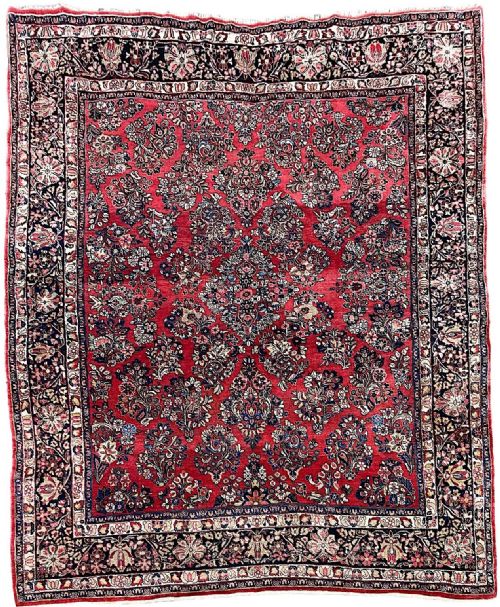


Traditional Persian Room Rug
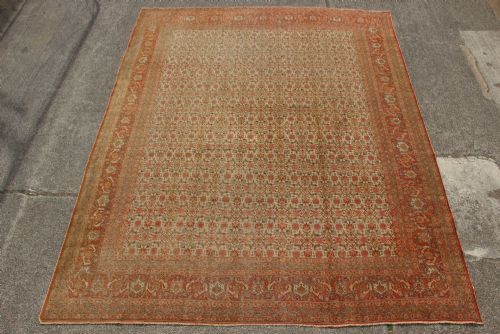
A traditional persian room rug brings scale and history to a floor, offering durable wool construction woven across decades from the nineteenth century onward.
Traditional Persian Room Rug
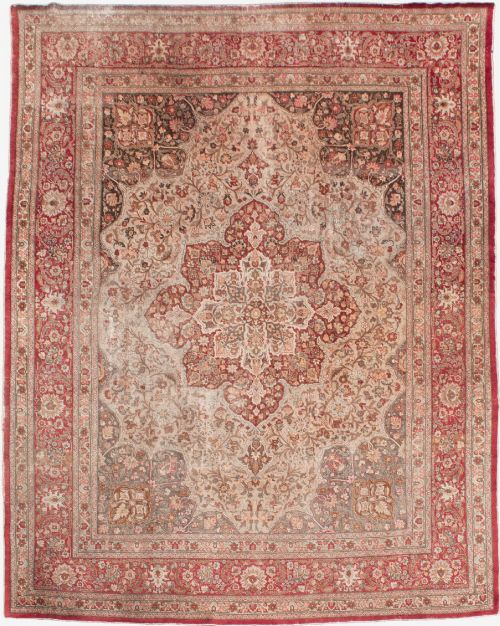
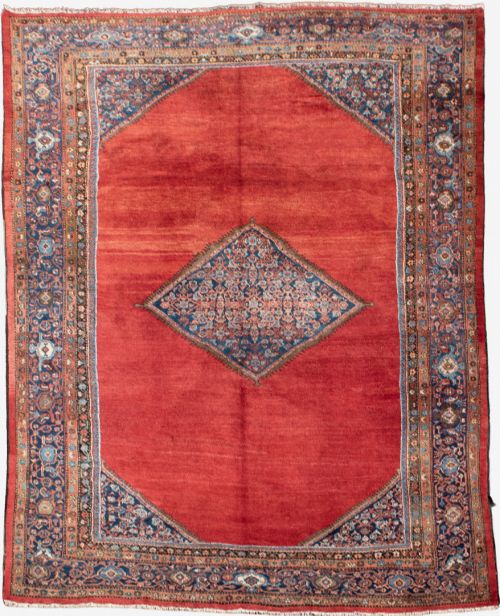
A traditional persian room rug comprises large carpets and smaller floor coverings originating from weaving traditions across the Near East and northern India, spanning production from the late nineteenth century through to the mid twentieth century. These items appear in various formats, from expansive country house carpets to more compact room size pieces.
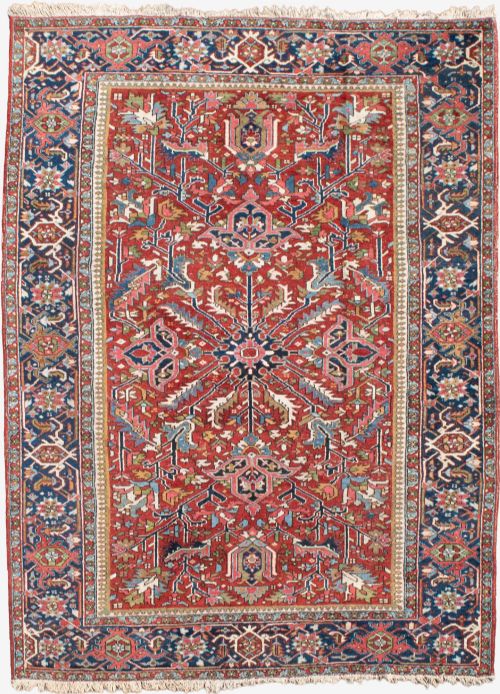
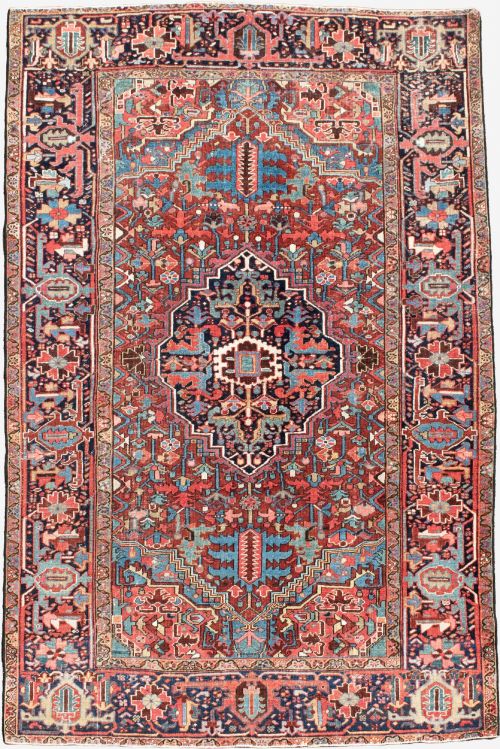
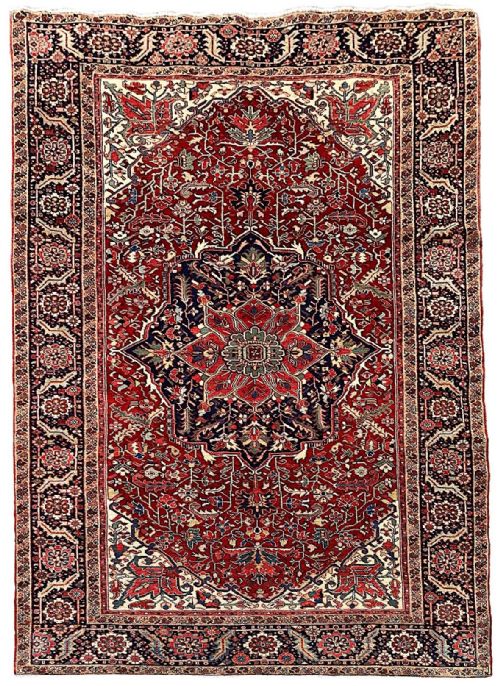
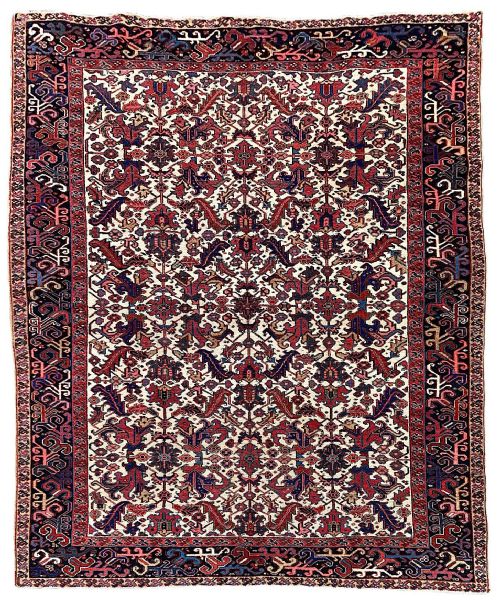
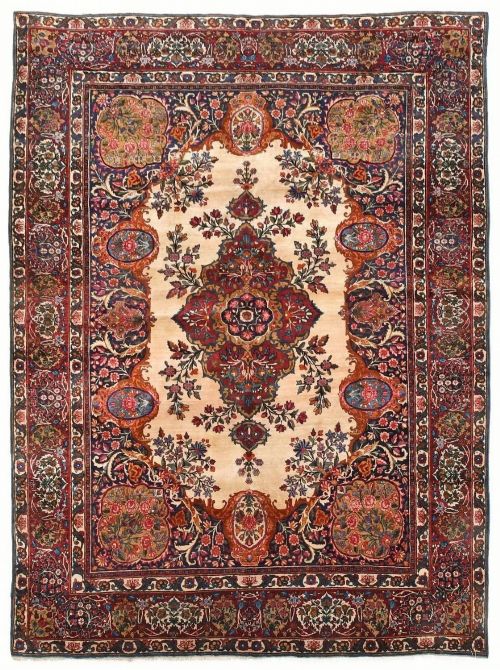
The selection on this page centres heavily on room size Heriz and Tabriz carpets alongside Kirman, Sarouk, and Oushak productions. Buyers encounter numerous examples dating from the decades around nineteen hundred, reflecting traditional regional weaving centres.
Objects range from substantial woollen carpets designed for principal reception rooms down to finer city rugs and village formats. Each piece provides a distinct link to historical weaving districts through traditional patterns and palettes.
Construction and Materials
Construction relies predominantly on wool pile knotted onto cotton foundations, with occasional utilisation of silk in specific city types such as Kashan and Qum. This combination provides the dense, resilient surface required for domestic floor use.
Weavers employed hand knotted techniques handed down through generations, utilising natural and early synthetic dyes to build up intricate field designs. The structural integrity depends on tight knotting and sturdy cotton warps and wefts.
Traditional Persian Room Rug Retail Price Guide 2026
Typical asking prices for traditional persian room rug among the pieces listed under this phrase on Sellingantiques today, from the lower quarter to the upper quarter. They describe what is for sale here now, not the wider market.
Listings span production dates from eighteen seventy to nineteen forty, documenting wool, cotton, and silk materials across diverse Persian and Anatolian styles.
Evaluating Quality
Quality rests upon the fineness of the knot count and the precision of the design execution, which dictates how sharply the geometric or floral motifs resolve across the field. Tighter knotting typically correlates with greater durability and finer detail.
The choice and saturation of the dyes also separate standard commercial weaving from superior artistic output, alongside the overall balance and symmetry of the composition. Condition and pile retention across large surface areas remain central to the integrity of any room size carpet.
The Traditional Persian Room Rug Glossary
- Heriz
- A region in northwest Iran known for producing robust geometric carpets with bold central medallions and sturdy wool pile. These rugs often utilise a characteristic palette of terracotta and indigo.
- Tabriz
- A major weaving city in northwestern Iran producing finely knotted carpets featuring classical pictorial or intricate floral designs. Production here historically maintained high technical standards.
- Kirman
- A south central Iranian city producing room size carpets characterised by elaborate floral vase and garden motifs rendered in soft colourways. The wool used is frequently dense and supple.
- Kilim
- A flat woven carpet produced without a pile by tightly interweaving warp and weft strands. These items offer a lighter, reversible floor covering often displaying sharp geometric bands.
- Ferahan
- A district in western Iran famous for producing finely woven rugs with characteristic Herati patterns and dark blue or madder red fields. Examples from the nineteenth century are particularly sought after by collectors.
Traditional Persian Room Rug: Frequently Asked Questions
How do I clean a traditional persian room rug?
Maintenance requires gentle vacuuming without rotating brush heads to protect the wool pile from excessive friction. Professional specialist cleaning remains necessary for deep dirt removal.
Water exposure should be managed carefully to prevent dye migration along cotton foundations. Regular rotation ensures even wear across rooms with high foot traffic.
Are these carpets suitable for daily foot traffic?
Traditional room rugs constructed from dense wool pile on cotton warps withstand normal domestic movement effectively. Their robust historical construction suits them for placement in living rooms and dining spaces.
Underlays help prevent slipping and cushion the foundation against hard flooring surfaces. This extra layer reduces internal fibre abrasion during daily use.
How do I identify a Heriz carpet?
Heriz carpets typically display a large, prominent geometric central medallion supported by bold corner spandrels. The wool tends to feel heavier and stiffer compared to finer city carpets.
Palettes frequently incorporate strong rust reds, navy blues, and ivory accents. The overall aesthetic leans toward sturdy rectilinear structure rather than curving florals.
What is the difference between a rug and a carpet?
Carpets generally denote larger floor coverings intended to occupy the major portion of a room. Rugs often refer to smaller formats or specific regional village pieces.
Both categories utilise similar hand knotted wool and cotton construction methods. The distinction usually rests entirely on physical scale relative to standard room dimensions.