


Traditional Pair Table Lamps
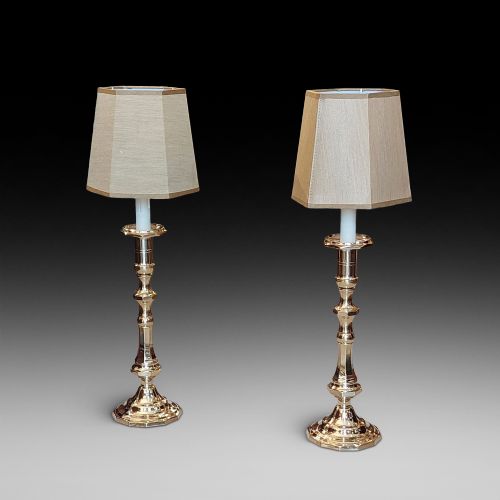
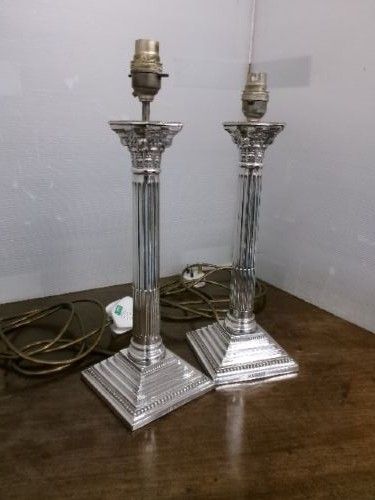
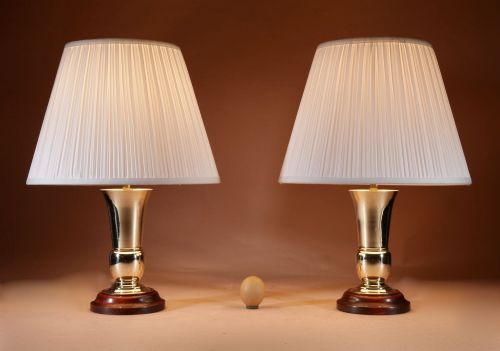
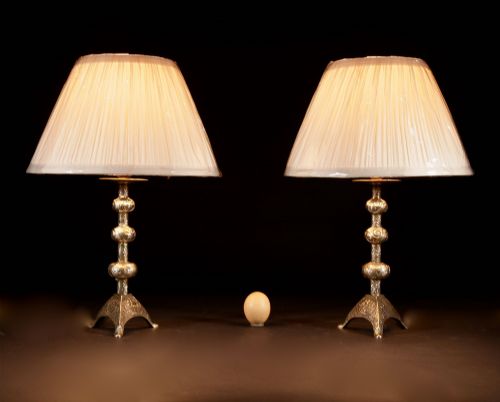
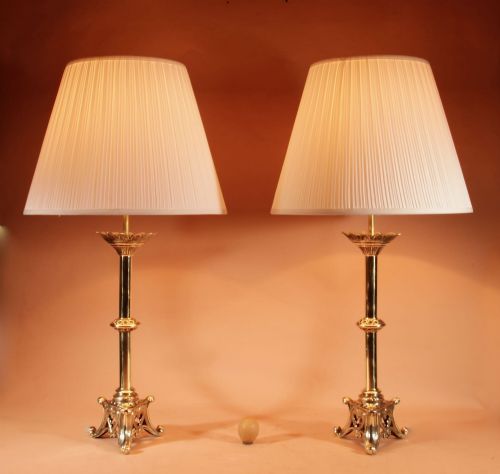
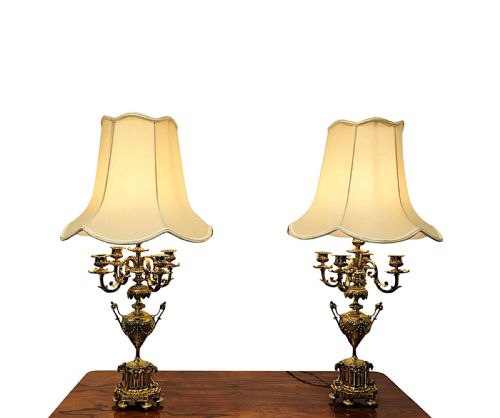
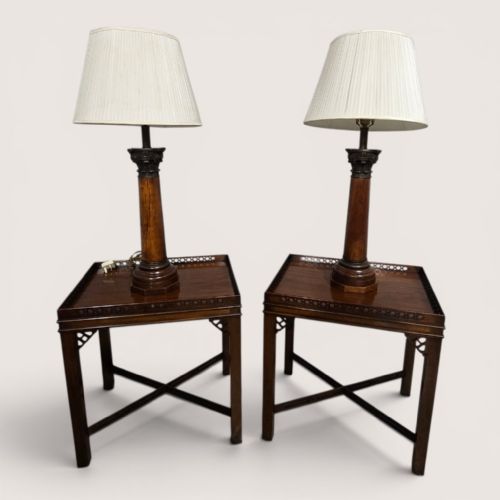
These traditional pair table lamps bring symmetry and period character to a room, spanning brass columns, carved mahogany, and ceramic jars.
Traditional Pair Table Lamps
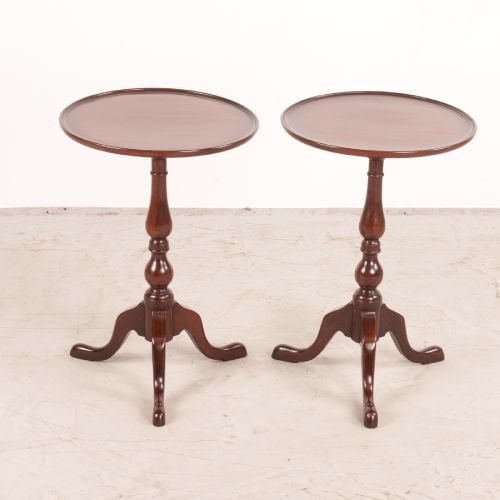
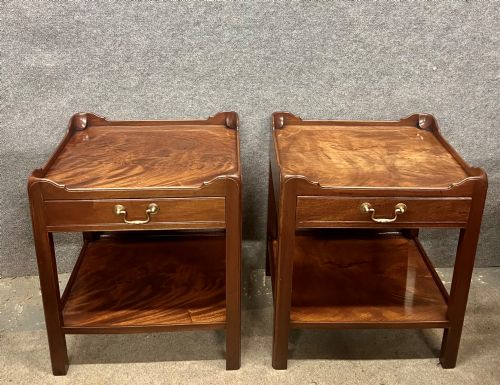
Traditional pair table lamps encompass matching sets of lighting and occasional furniture adapted for illumination, originating mainly across the nineteenth and early twentieth centuries. When searching for traditional pair table lamps, buyers encounter converted candlesticks, porcelain jars, and classical columns alongside lamp tables designed to hold them.
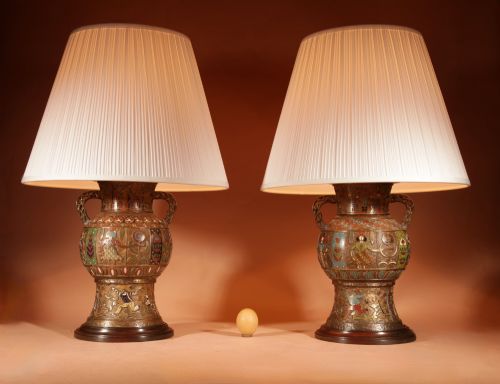
The materials span solid mahogany, brass, oak, marble, and silk, reflecting Victorian, Edwardian, and Georgian style influences. Pieces range from slender Corinthian brass columns to Japanese Satsuma and Chinese blue and white ceramic jars wired for modern interiors.
How they were made
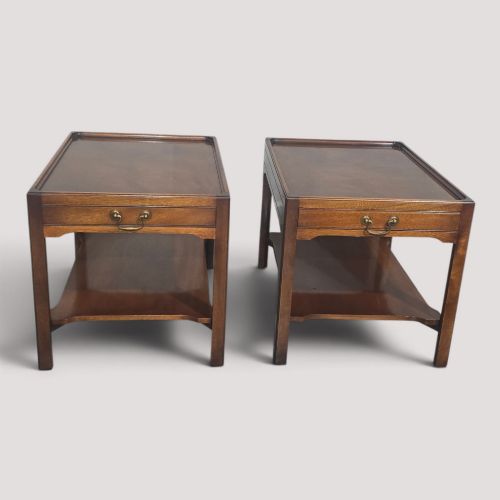
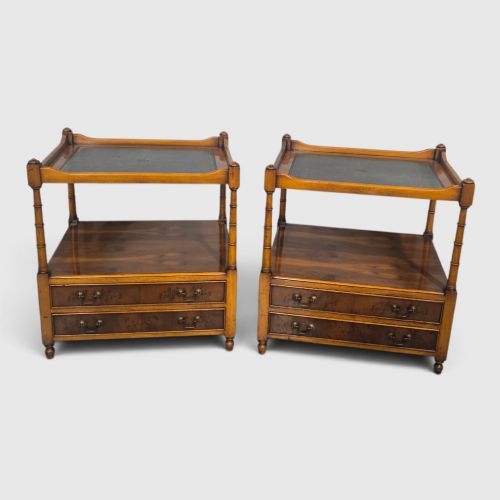
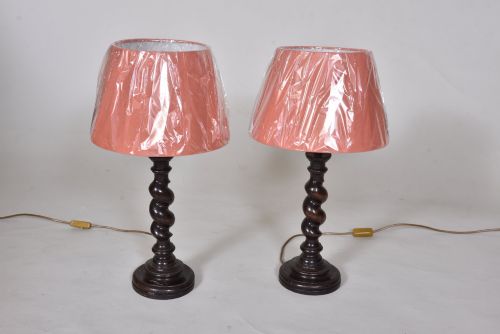
Metal lamps rely on cast brass, silver plating, and French ormolu, often built as solid columns or converted from period candlesticks. Wood tables and lamp bases utilise timber such as mahogany, oak, yew, and burr elm, shaped through turning and joinery.
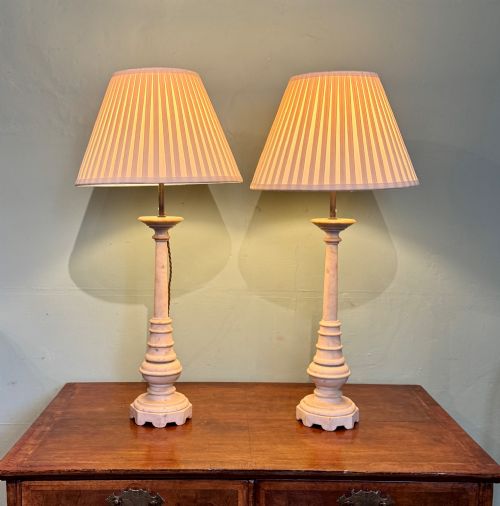
Ceramic and stone versions incorporate white marble, Italian marble, and earthenware bodies like Delft and Satsuma, sometimes paired with fabric and silk shades.
Materials in these records extend across brass, porcelain, marble, mahogany, silk, and bronze.
What varies in quality
The refinement of casting in the brass and bronze examples distinguishes high-end specimens from simpler production, particularly in the crispness of Corinthian capitals and classical detailing. Timber selections introduce another tier, where figured mahogany, burr elm, and solid oak display superior grain and cabinet-making over standard softwoods.
Ceramic quality is defined by the hand-painted execution of Satsuma, Cloisonné, and Delft glazes. Matching consistency within the pair also governs worth, as uniform patination and identical proportions hold greater visual harmony.
The Traditional Pair Table Lamps Glossary
- Corinthian Column
- A classical architectural column design featuring ornate acanthus leaves on the capital, frequently used for tall brass table lamps.
- Ormolu
- Gilded bronze ornamentation applied to French decorative objects and luxury lamp bases during the nineteenth century.
- Satsuma
- Japanese earthenware decorated with intricate enamels and gilt over a crackled cream glaze, often converted into lamps.
- Tripod Table
- A small occasional table supported by three legs, commonly fashioned from mahogany in the Georgian and nineteenth-century periods.
- Candlestick Lamp
- A lighting fixture created by adapting an existing metal or timber candlestick to hold electrical fittings.
Traditional Pair Table Lamps: Frequently Asked Questions
How do I style a pair of matching table lamps?
Place them on symmetrical surfaces such as side tables, bedside cabinets, or a matching sideboard to create balanced illumination and visual weight in a room.
Ensure the height of the lamps and shades complements the scale of the furniture they rest upon.
What periods do these lamps usually date from?
The pieces span the eighteenth century through to the 1930s, with a heavy concentration of Victorian, Edwardian, and early twentieth-century examples.
Many metal designs draw upon earlier Neoclassical or Gothic Revival styles while retaining their Victorian manufacturing origins.
Are converted candlesticks stable enough for daily use?
Solid brass, bronze, and timber candlesticks converted to lamps offer substantial weight and steady bases when fitted securely.
Their robust original construction makes them well-suited for enduring daily placement on side tables and desks.
How can I tell ceramic lamp bases apart?
Ceramic bases display distinct regional traditions, ranging from Dutch Delft blue and white earthenware to Japanese Satsuma and Chinese Cloisonné.
Examining the glaze texture, crackle patterns, and hand-painted motifs helps identify the specific pottery style.