
Traditional Painted Pine Cupboard
A traditional painted pine cupboard brings straightforward utility and regional character into a room, spanning wardrobe, dresser and housekeeper forms.
Traditional Painted Pine Cupboard
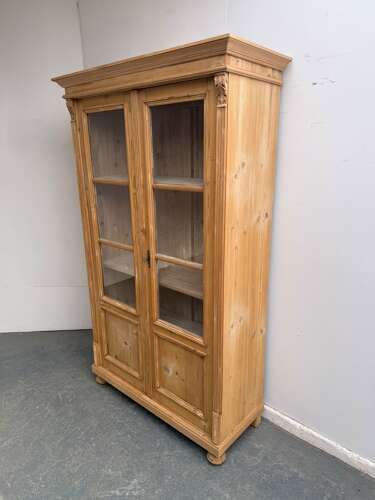
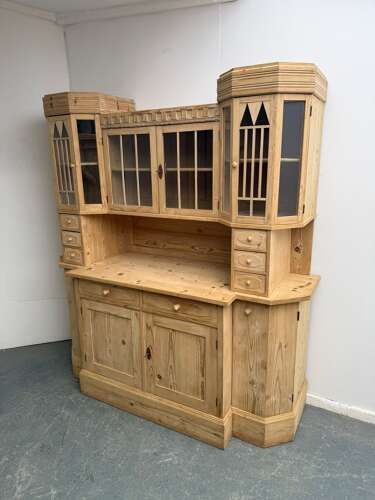
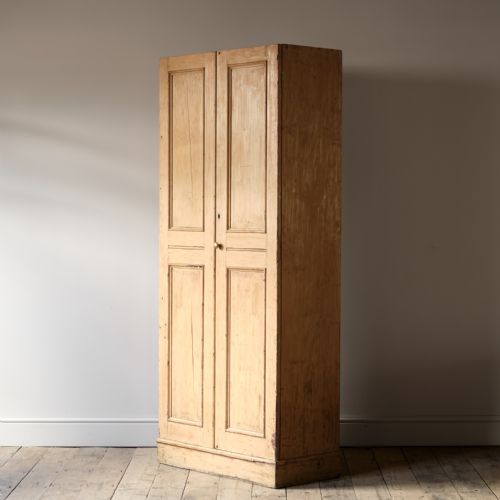
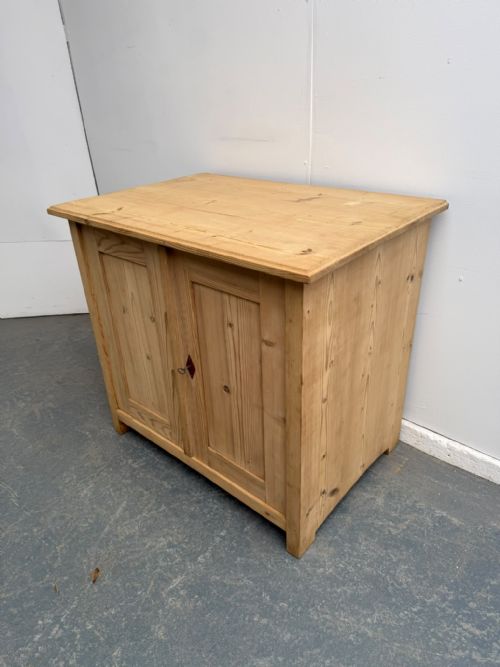
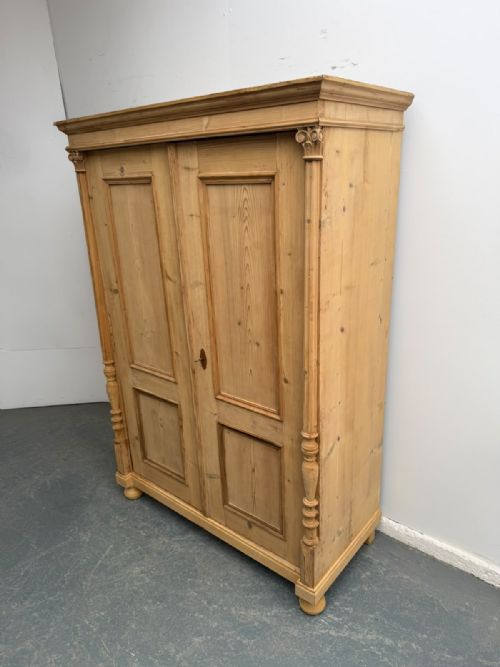
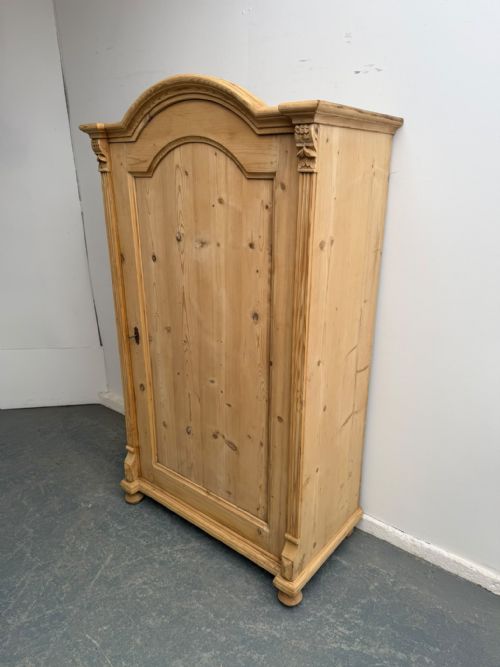
When you search for a traditional painted pine cupboard, you encounter practical storage pieces built from softwood across the eighteenth, nineteenth and early twentieth centuries. These range from substantial housekeepers cupboards and kitchen dressers to bedside cabinets and wardrobes.
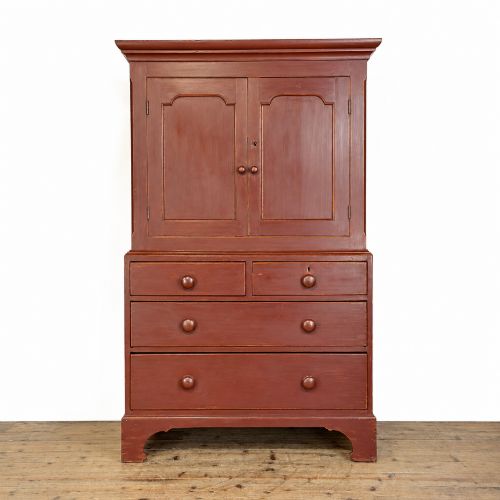
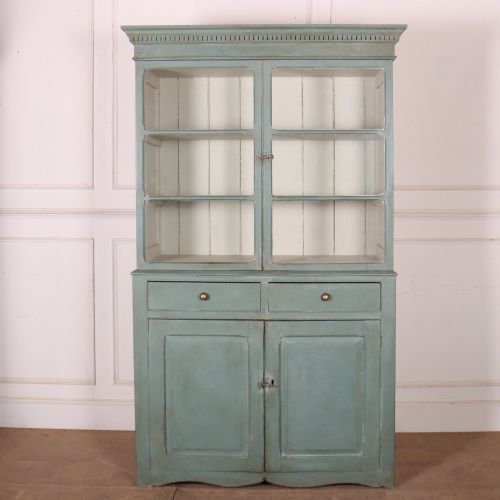
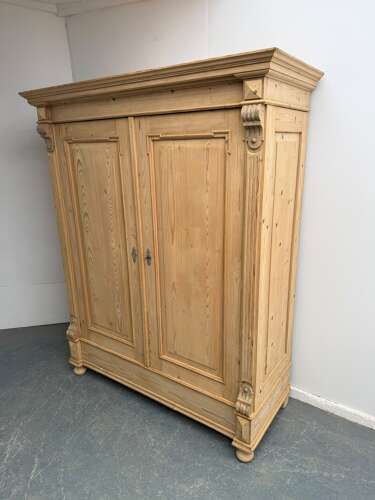
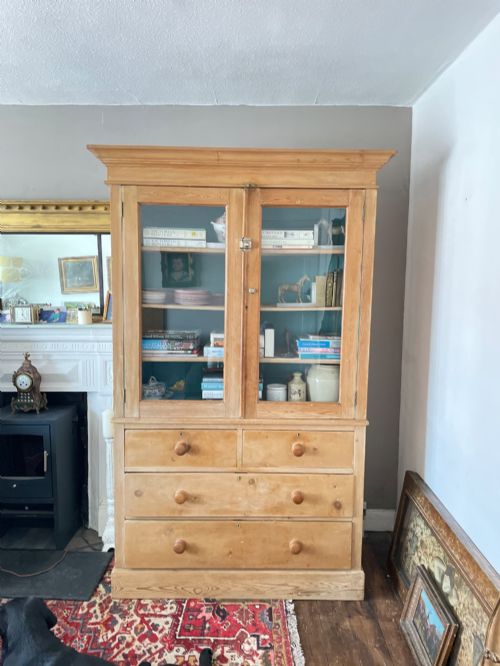
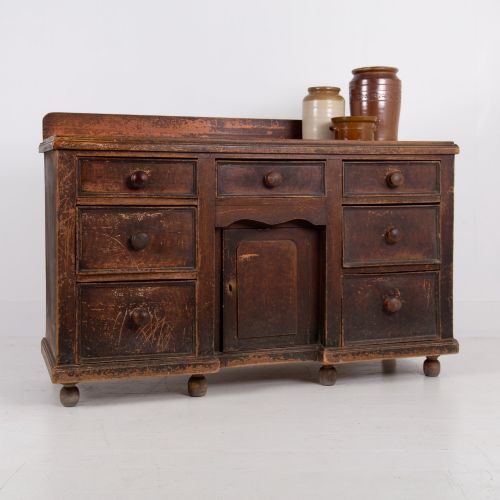
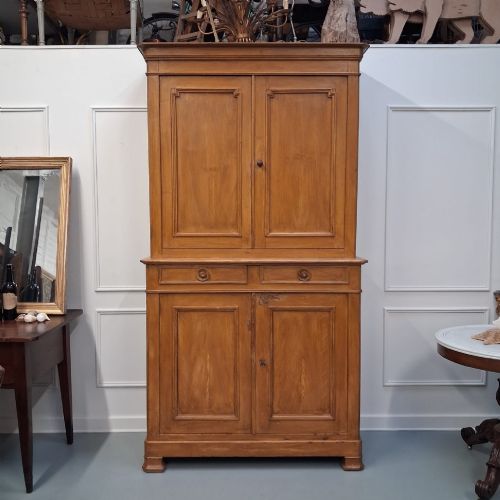
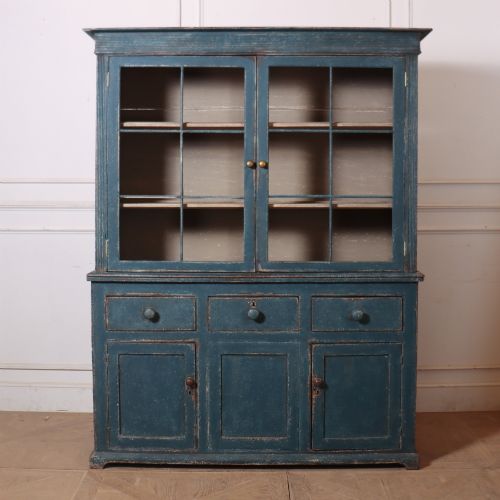
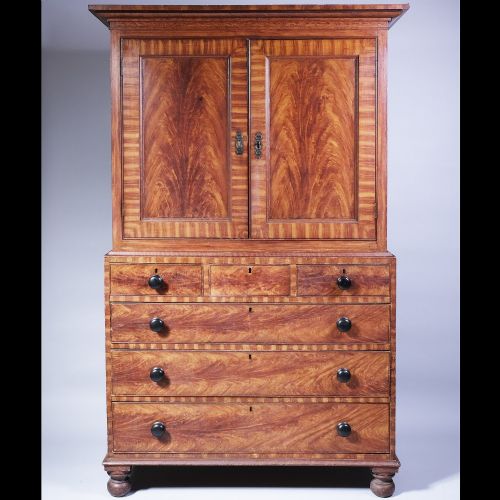
The selections on this page lean heavily towards nineteenth-century English, Georgian and Victorian examples, alongside continental pieces from France, Hungary and the Tyrol. Forms include glazed bookcases, chapel cupboards, scumble painted storage units and low cottage wardrobes.
How they were made
Constructed primarily from pine and painted wood, these pieces often incorporate iron and brass hardware such as hinges, handles and locks, with glass panels used in glazed cabinet doors. Surfaces show various treatments from original historic paint finishes and scumble glazes to bare pine ready for waxing.
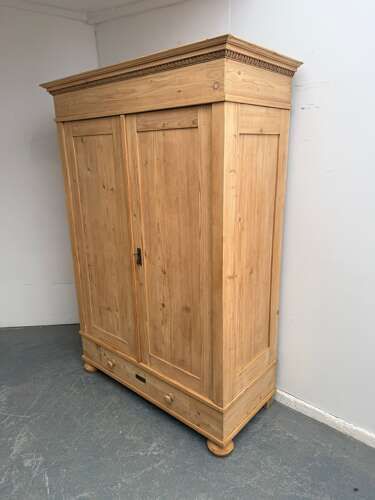
Joinery techniques varied from pegged frames to knockdown designs built for ease of transport in domestic spaces. Regional workshops utilised local softwoods, applying hand-mixed pigments or traditional protective coatings directly to the timber.
Bread and cheese cupboards kept the dairy safe from mice while letting the cheddar breathe.
What varies in quality
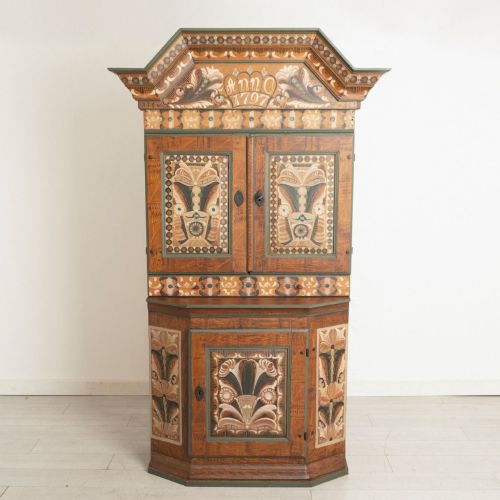
The standard of a traditional painted pine cupboard rests upon the integrity of its original surface and the honesty of its construction. Pieces retaining untouched historic paint or folk art decoration hold a distinct visual weight compared to later or stripped surfaces.
Proportion and utility also separate examples, from simple vernacular storage built for farmhouse use to architectural architectural pieces with columned details, arched doors or fitted interiors. Sound structural framing and original ironmongery complete the measure of a piece.
The Traditional Painted Pine Cupboard Glossary
- Scumble painted
- A decorative technique involving a translucent glaze dragged over a paler base coat to imitate the grain of richer woods or create mottled texture.
- Housekeeper cupboard
- A large storage cabinet traditionally used in grand country houses for storing linens, dry goods or china.
- Knockdown wardrobe
- A large piece of furniture engineered with pegged or bolted sections so it could be dismantled for transport between rooms or houses.
- Bread and cheese cupboard
- A regional storage piece featuring vented doors or pierced panels designed to allow air circulation around foodstuffs.
- Dressers base
- The lower section of a kitchen dresser, typically comprising drawers and cupboards beneath a solid work surface without the upper plate rack.
Traditional Painted Pine Cupboard: Frequently Asked Questions
Where were these cupboards used?
These utility pieces served working roles in kitchens, sculleries, farmhouses and bedrooms across Britain and continental Europe.
Larger versions stood in hallways or country house corridors for household storage.
Are the paint finishes original?
Many pieces retain historic or original paint finishes, ranging from simple country coats to decorative folk art schemes.
Others have been stripped to bare pine or painted in later periods to suit changing tastes.
What is a knockdown wardrobe?
A knockdown wardrobe is built to be taken apart into flat sections, making it practical for transport.
This design was common in the nineteenth century for large bedroom pieces.
How do I date a pine cupboard?
Dating relies on construction methods, timber preparation marks, hardware types and stylistic details associated with periods like the Georgian or Victorian eras.
Regional variations in vernacular furniture also help place an object in time.