

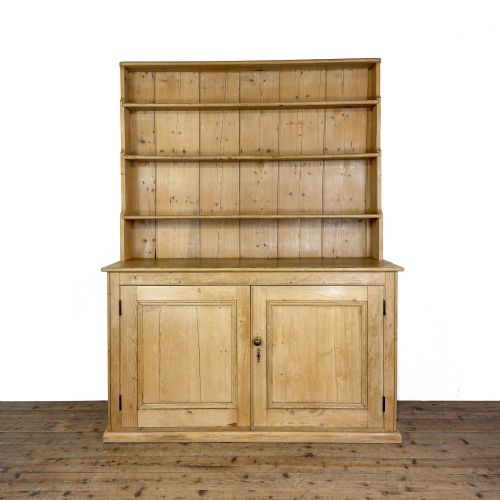
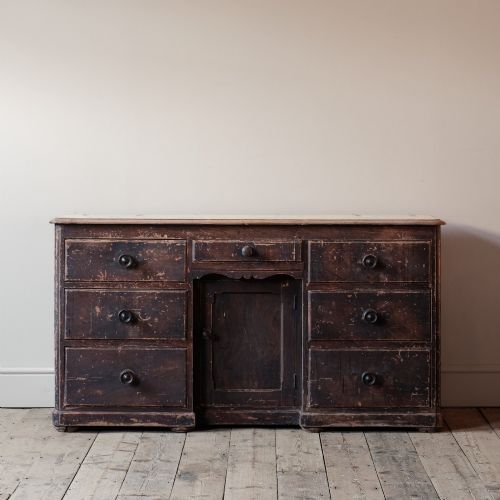
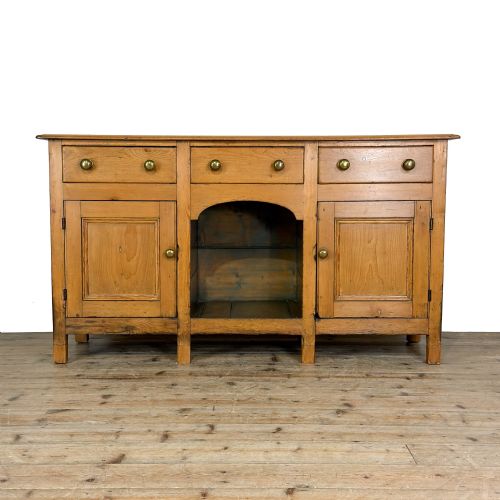
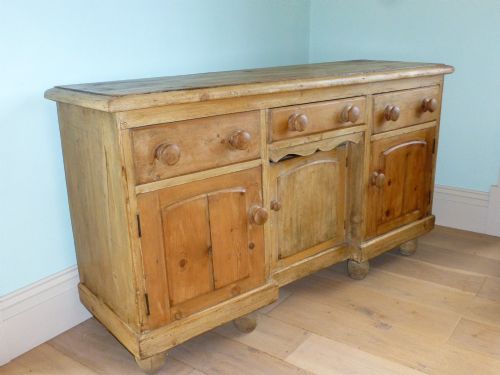
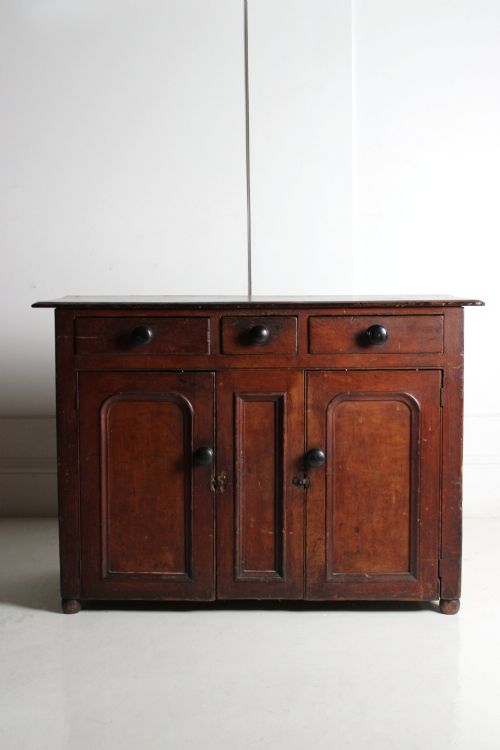
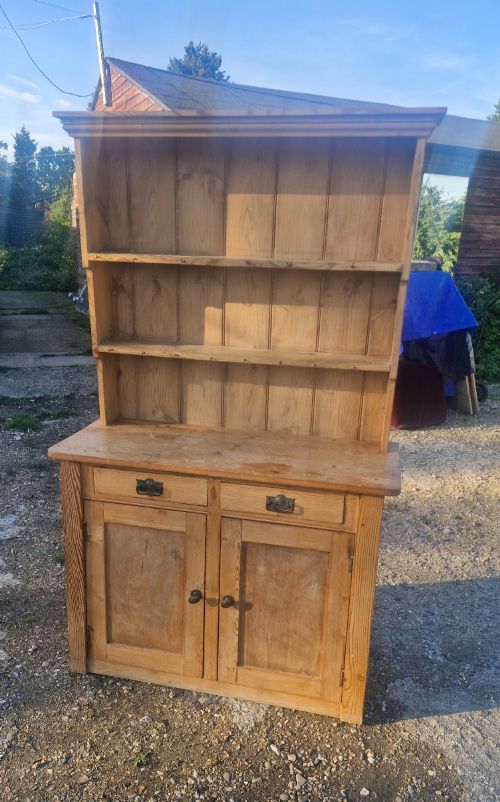
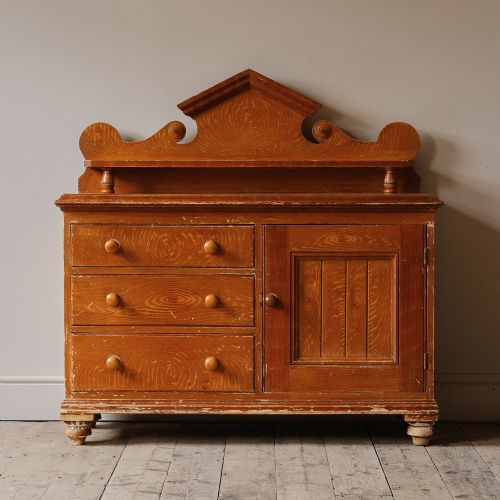
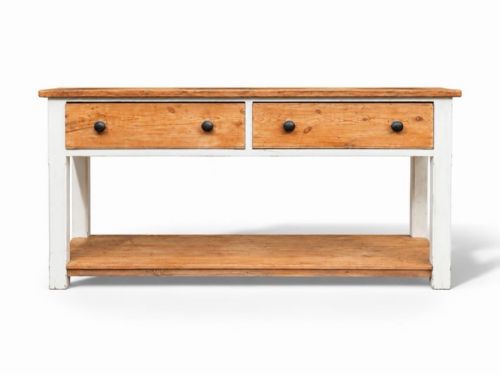
Antique Pine Sideboard Cupboard
These robust pieces offer serious storage, and an antique pine sideboard cupboard brings honest country character to any room.
Antique Pine Sideboard Cupboard
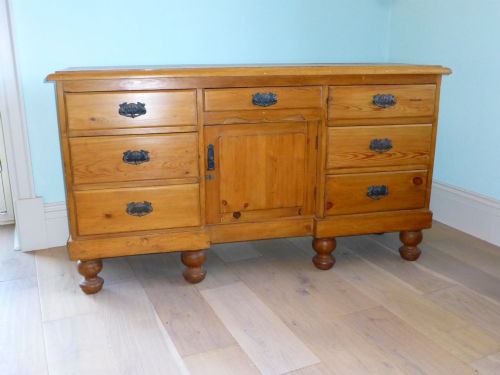
When you search for an antique pine sideboard cupboard, you are looking at practical storage furniture built primarily during the nineteenth century. These items serve as functional workstations or storage units, combining the surface utility of a sideboard with the enclosed storage of a cupboard.
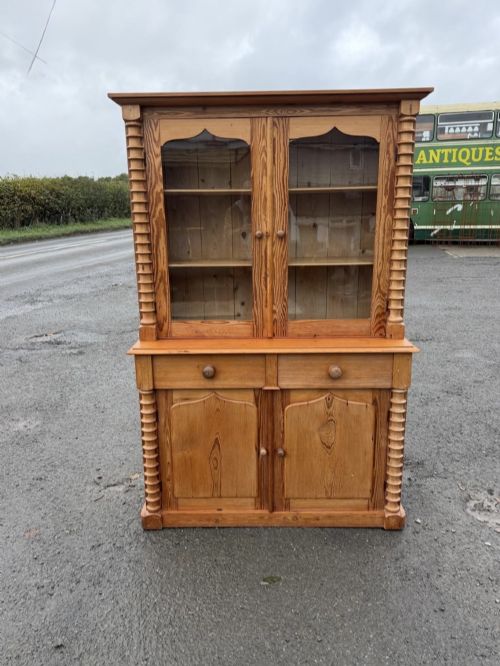
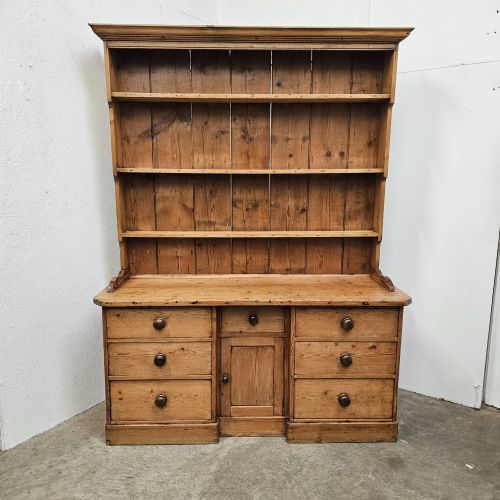
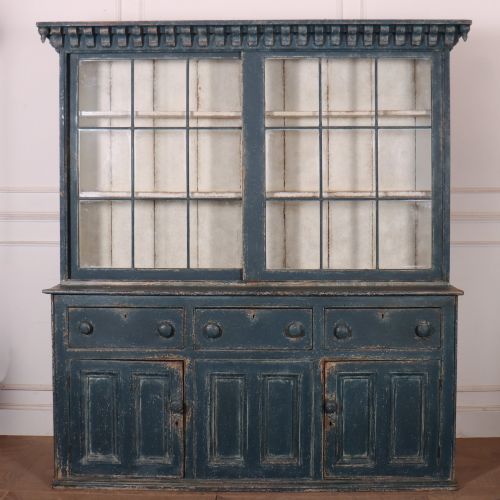
You will most commonly meet Victorian pieces on this page, alongside earlier Georgian examples and later pieces from the early twentieth century. Regional variations include English, Welsh, French, Swedish, Danish, and Hungarian forms, spanning straightforward kitchen dressers to glazed cabinets and shop fittings.
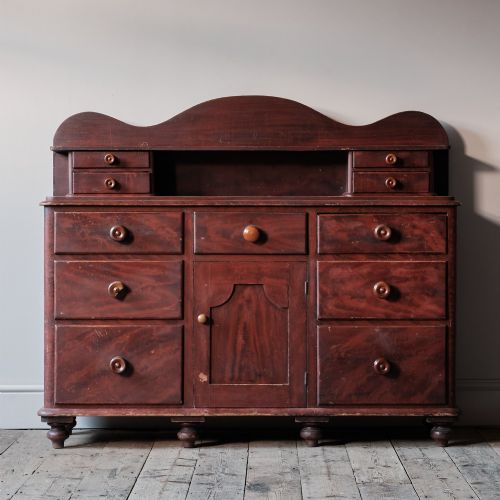
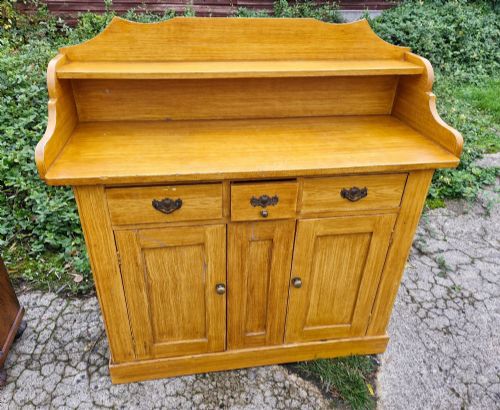
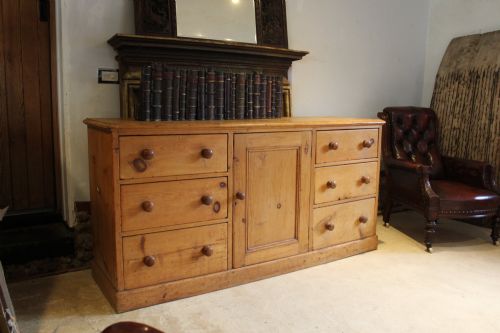
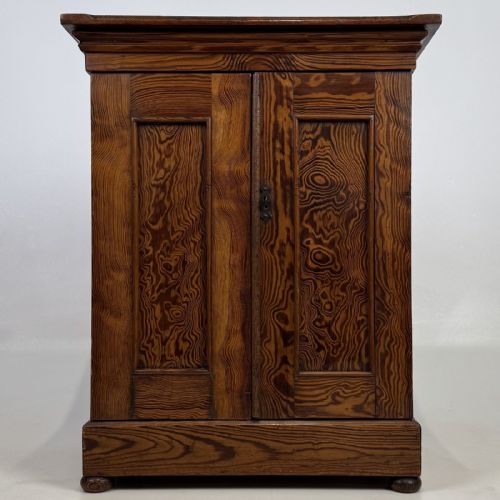
The assortment includes low storage cupboards, dresser bases, two-door variants, and larger multi-drawer configurations. Many retain their original wax finishes, whilst others feature historic painted surfaces in green, black, or simulated rosewood.
How they were made
Constructed predominantly from solid timber, these items utilise pine, pitch pine, and occasionally oak for structural strength. Traditional joinery techniques secure the frames, drawers, and doors without modern adhesives.
Surface treatments vary between natural wax finishes that highlight the grain and layers of original paint. Hardware such as brass or iron handles, ceramic pulls, and glass panels complete the construction.
Antique Pine Sideboard Cupboard Retail Price Guide 2026
Typical asking prices for pine sideboard cupboard among the pieces listed under this phrase on Sellingantiques today, from the lower quarter to the upper quarter. They describe what is for sale here now, not the wider market.
Object types span kitchen dressers, dresser bases, chiffoniers, hall cupboards, larder cupboards, and multi-drawer shop fittings.
What varies in quality
The integrity of the original timber and the survival of historic surfaces dictate the standing of each piece. Superior examples retain their original backboards, working locks, and uncompromised internal shelving.
Proportion and execution distinguish standard utility furniture from finer country workshop builds. Subtle details like hand-cut dovetail joints in the drawers and well-balanced door panels separate robust daily storage from coarser work.
The Antique Pine Sideboard Cupboard Glossary
- Dresser base
- The lower section of a kitchen dresser, functioning as a standalone sideboard or cabinet with drawers and cupboards.
- Pitch pine
- A resinous North American pine variety prized for its dense grain and durability in heavy-use furniture.
- Confiturier
- A French jam cupboard, typically smaller in scale with a single door, designed for preserving food.
- Simulated paint
- A decorative surface finish applied to pine to imitate more expensive exotic hardwoods like rosewood.
Antique Pine Sideboard Cupboard: Frequently Asked Questions
How do I care for a waxed pine cupboard?
Apply a traditional beeswax polish sparingly with a soft cloth and buff gently to maintain the lustre of the timber. Avoid placing the wood near direct heat sources or in damp environments to prevent splitting.
Clean the surface only with a dry or very slightly damp cloth, steering clear of modern chemical sprays that strip the historic wax.
Are these cupboards suitable for modern kitchens?
Their generous proportions and sturdy construction make them ideal for storing heavy crockery, cookware, and dry goods. The deep shelves and drawer space easily handle contemporary storage demands.
Measure your ceiling height and floor space carefully before purchasing, as country furniture often has deeper footprints than modern flat-pack units.
How can I tell if the paint is original?
Original historic paint shows natural wear, craquelure, and multiple microscopic layers consistent with age rather than recent application. Examine corners and interior surfaces where modern brush strokes or sanding marks would betray a later repaint.
Patina develops slowly through decades of handling, leaving a soft sheen that cannot be easily replicated by modern distressing.