



Antique Red Pine Cabinet
These antique red pine cabinets offer honest utility and weathered painted surfaces that bring warmth to any interior.
Antique Red Pine Cabinet
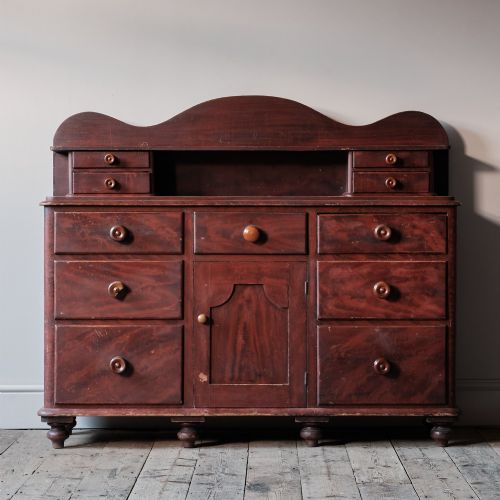
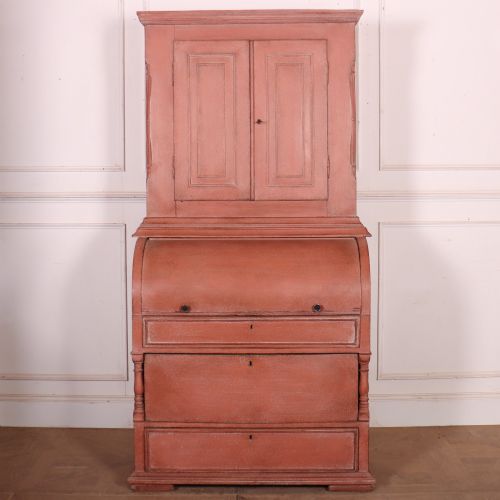
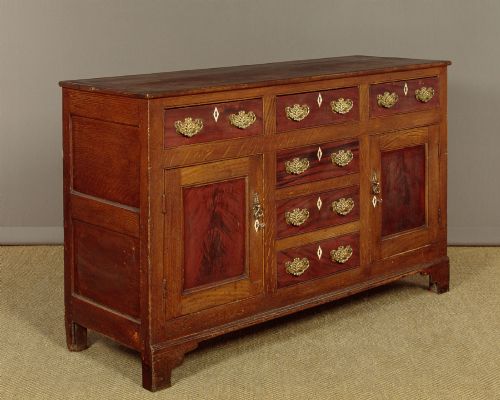
When you search for an antique red pine cabinet, you encounter sturdy storage pieces designed for everyday domestic use across various European regions. The selection leans heavily towards nineteenth century examples, including Victorian country pieces alongside Scandinavian and Baltic cupboards.
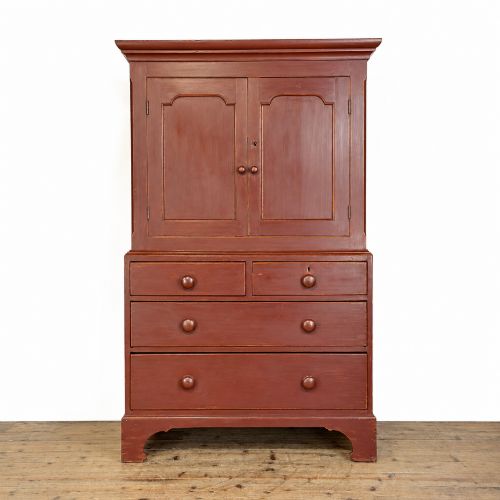
Forms range widely from kitchen dresser bases and housekeeper cupboards to wall cabinets, chests of drawers, and bureau bookcases. These practical items served households for storing provisions, linens, and domestic goods rather than acting as formal display furniture.
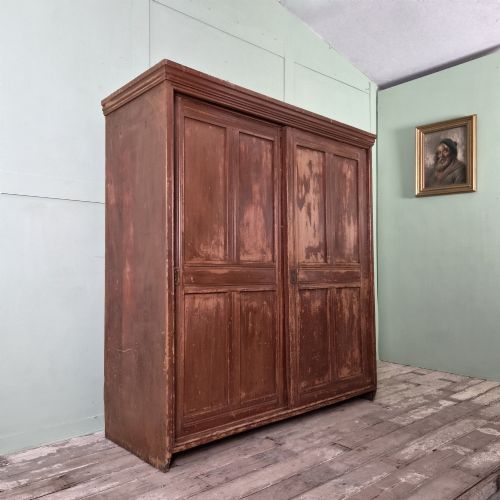
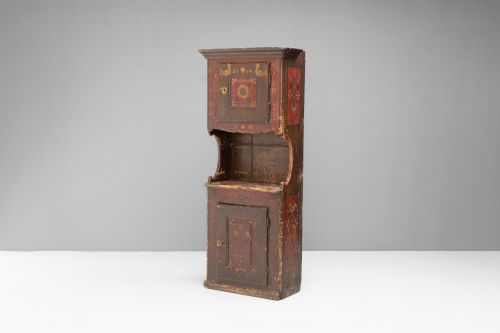
Regional vernacular styles dominate the offerings, spanning rustic English, Scandinavian country, and European folk art traditions. Buyers generally meet single or double door cupboards and painted dressers retaining various states of original surface finishes.
How they were made
Construction relies upon solid pine timber, worked by regional joiners using traditional methods suited to domestic furniture production. Metal, iron, and brass fittings such as hinges and pulls secure doors and drawers, while bone or ceramic elements occasionally appear on handles.
Many examples feature original paint finishes, often applied in distinct regional colours characteristic of Scandinavian, Baltic, or British country workshops. Surfaces range from scrubbed timber to layered historic paint that has naturally aged over decades of domestic service.
Antique Red Pine Cabinet Retail Price Guide 2026
Typical asking prices for red pine cabinet among the pieces listed under this phrase on Sellingantiques today, from the lower quarter to the upper quarter. They describe what is for sale here now, not the wider market.
One remarkably honest Victorian skeleton cupboard even includes a later skeleton model tucked inside its historic frame.
What varies in quality
Quality rests significantly upon the integrity of the original paint surface and the honesty of the timber's patina. Pieces retaining undisturbed historic finishes command greater interest than those stripped down or aggressively refinished.
Proportion and construction detail distinguish finer vernacular pieces from standard utilitarian boxes. Well-executed joinery and harmonious regional proportions elevate an ordinary storage cupboard into a compelling example of folk furniture.
The Antique Red Pine Cabinet Glossary
- Pine
- A softwood commonly utilised for vernacular and country furniture throughout Europe due to its accessibility and workability. It absorbs paint readily, which accounts for the numerous painted finishes found on these cabinets.
- Housekeeper Cupboard
- A large storage piece traditionally used in grander homes for keeping household linens, dry goods, and provisions organised. These substantial cupboards usually feature panelled doors and internal shelving.
- Bureau Bookcase
- A dual-purpose furniture form combining a sloping writing flap that opens to reveal pigeonholes with enclosed shelving above. This form reflects domestic workspaces within nineteenth century homes.
- Dresser Base
- The lower portion of a kitchen dresser featuring cupboards or drawers without the upper plate rack. These sturdy surfaces served as functional worktables in domestic kitchens.
- Vernacular
- Furniture built by local makers for everyday use, following regional traditions rather than strict academic design patterns. These pieces reflect the specific domestic needs and material availability of their local areas.
Antique Red Pine Cabinet: Frequently Asked Questions
What is an antique red pine cabinet?
An antique red pine cabinet is a utilitarian storage piece constructed from soft timber during the nineteenth century or earlier. These items served practical domestic purposes in kitchens, halls, and bedrooms.
They frequently display regional characteristics influenced by British, Scandinavian, or Baltic country traditions. Many survive with painted surfaces reflecting folk art aesthetics.
How were these cabinets used originally?
Households utilised these cabinets for storing everyday provisions, linens, kitchenware, and clothing. Their robust construction suited demanding domestic environments.
Larger variants like housekeeper cupboards managed household inventories, while smaller wall cupboards held frequently accessed items.
How do I care for painted pine furniture?
Protect historic painted surfaces by keeping cabinets away from direct sunlight and fluctuating heat sources. Gentle dusting with a dry cloth preserves the aged patina.
Avoid chemical cleaning products that might strip or soften fragile historic paint layers. Maintain stable indoor humidity to prevent wood movement.
How do I identify nineteenth century pine?
Nineteenth century pine displays characteristic tool marks, hand-cut joints, and dense grain patterns developed over generations. Iron or brass hardware typical of the period aids dating.
Surface wear and historic paint layers provide further clues regarding the age and origin of the piece.