

Victorian Pine Dresser Drawers
Victorian pine dresser drawers provide robust utility, combining practical storage with the honest charm of nineteenth-century domestic woodwork.
Victorian Pine Dresser Drawers
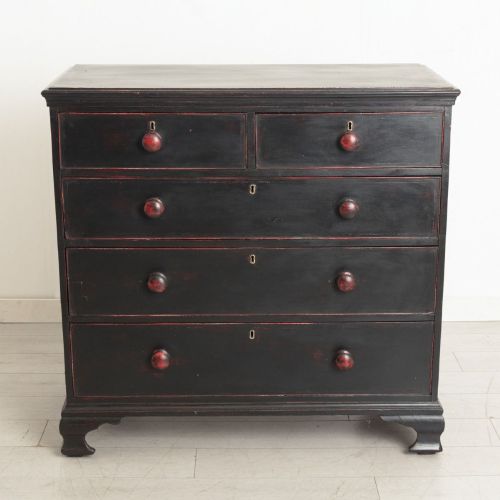
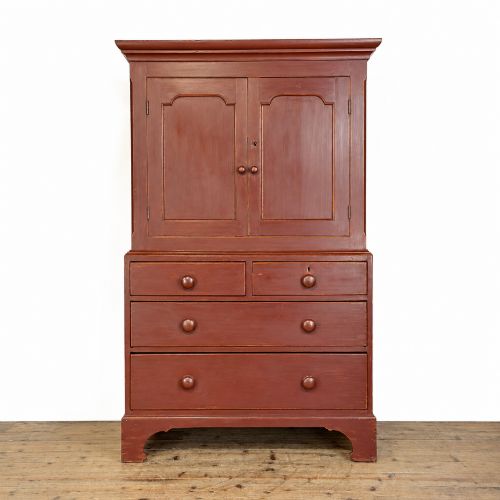
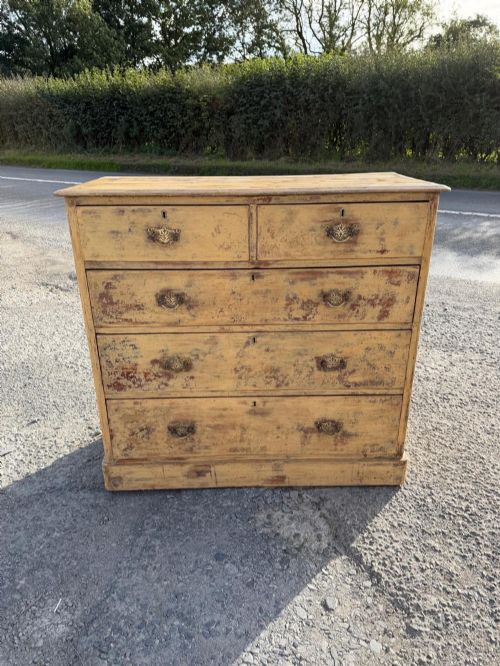
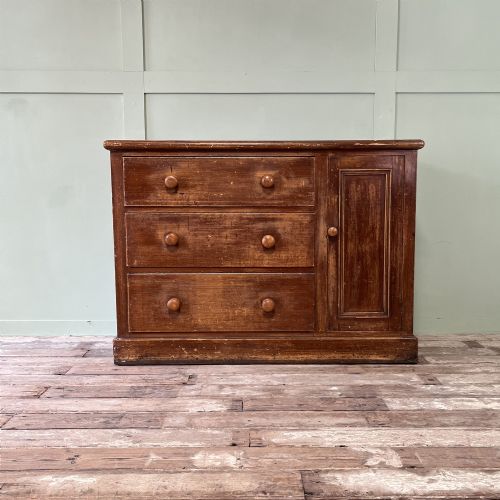
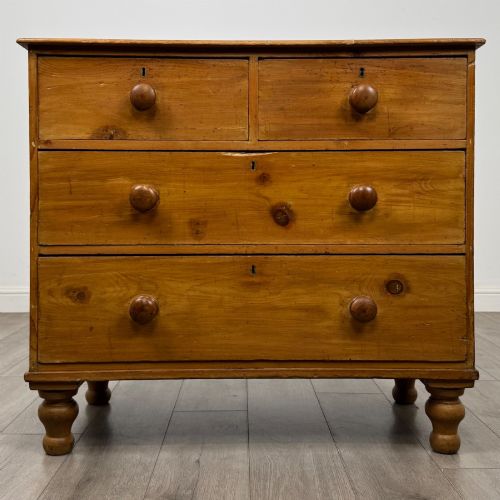
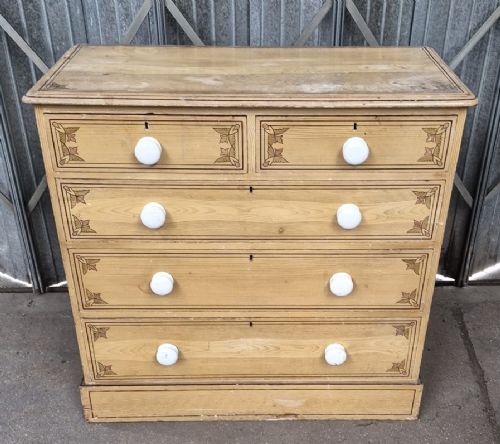
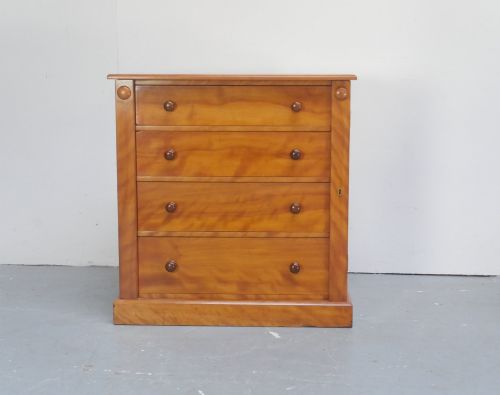
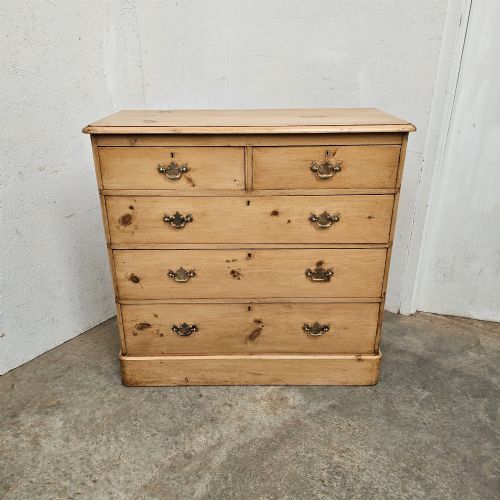
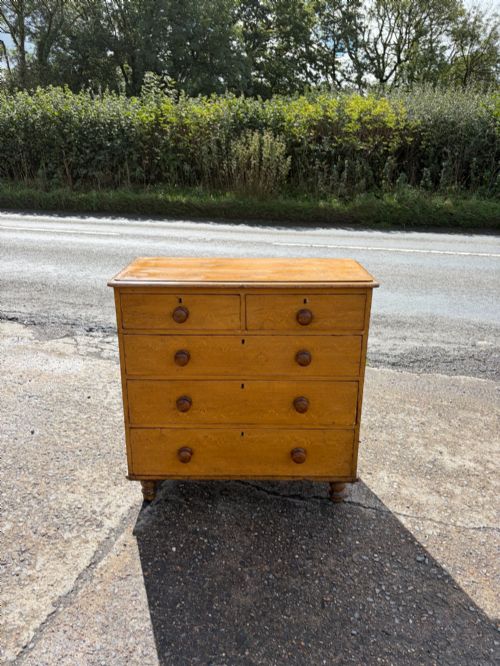
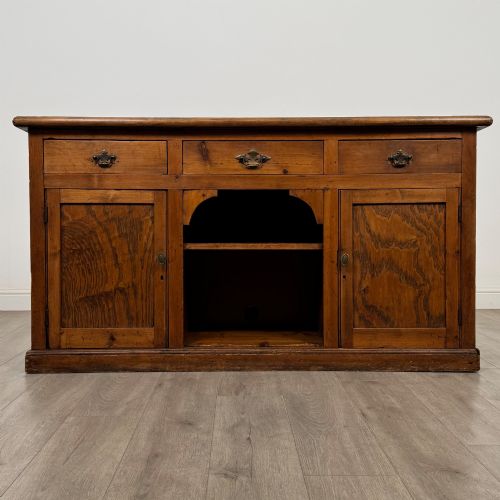
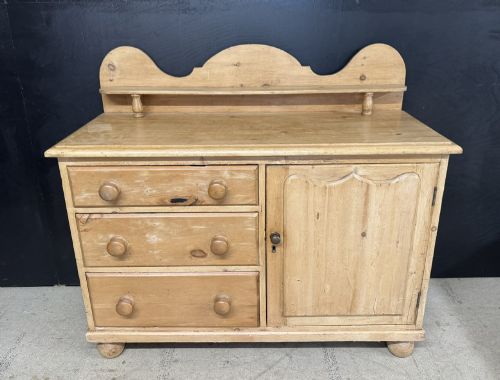
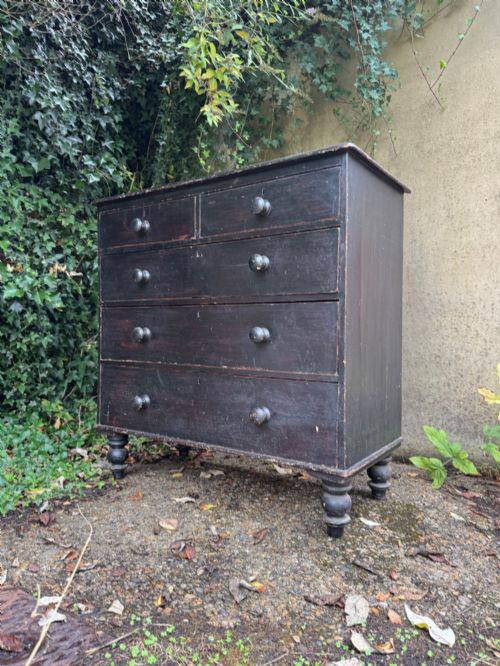
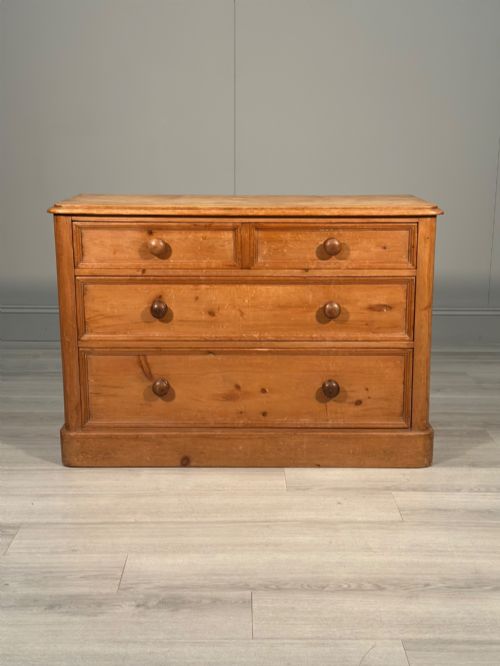
When searching for victorian pine dresser drawers, buyers typically encounter sturdy chests of drawers, dresser bases, and kitchen cabinets originating from the nineteenth century. The most common configuration on this page is the classic two-over-three drawer arrangement, frequently constructed from solid pine and finished with waxed or painted surfaces.
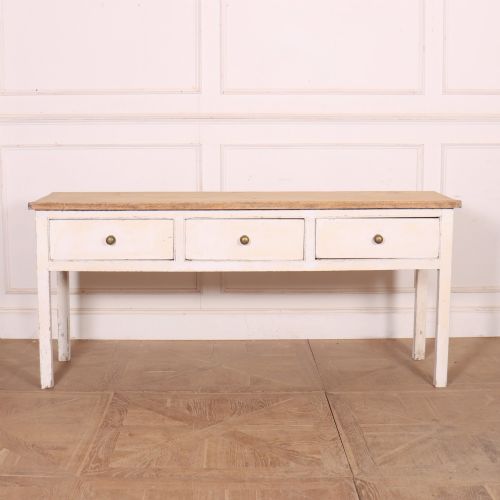
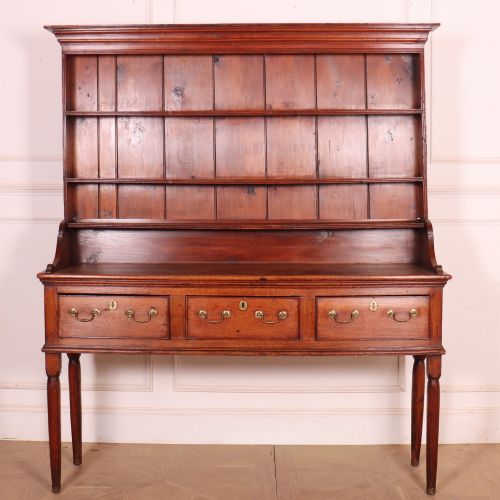
These utility items served everyday storage needs in domestic kitchens, sculleries, and bedrooms across England, Scotland, Ireland, and Wales. Regional variations emerge in proportions and formatting, ranging from low wide chests to taller cupboards and dresser bases featuring turned legs or painted graining.
How they were made
Carpenters utilised native pine and pitch pine for carcases and drawer linings, often selecting softer woods that accepted wax polishing or surface paint readily. Iron and brass hardware, including drawer pulls and key escutcheons, provided functional operation for daily domestic use.
Surfaces received treatments ranging from simple transparent wax to decorative original paint, scumble glazes, and faux bamboo effects associated with the Aesthetic Movement. Construction relied on traditional joinery methods designed to endure heavy household service over decades.
What varies in quality
The standard of timber selection and original surface preservation distinguishes finer examples from ordinary utility pieces. Items retaining undisturbed original paint, scumble, or period graining hold greater interest than stripped or heavily altered carcases.
Proportion and regional carpentry details also divide the range, with neat Scottish formats or robust Welsh dresser bases demonstrating superior craftsmanship. The integrity of internal drawer construction and the retention of original brass or iron fixtures influence the character of each piece.
The Victorian Pine Dresser Drawers Glossary
- Dresser base
- A low sideboard or cabinet featuring drawers and cupboards, traditionally used in kitchens for food preparation and storage. These pieces lack the upper plate rack of a full dresser.
- Scumbled
- A decorative paint technique involving a translucent top layer dragged or brushed over a lighter base colour to imitate the grain of finer woods. This finish was widely applied to nineteenth-century pine furniture.
- Pitch pine
- A dense, resinous softwood sourced primarily from North America and utilised for its durability and strong grain pattern. Cabinetmakers favoured it for items requiring added structural strength.
- Graining
- The painted simulation of wood figures applied to plain timber surfaces to elevate the visual appeal of domestic furniture. Artisans used specialised combs and brushes to achieve this effect.
- Waxed
- A surface treatment consisting of natural waxes buffed into the timber to nourish the wood and produce a soft sheen. This traditional finish protects the pine while preserving its tactile quality.
Victorian Pine Dresser Drawers: Frequently Asked Questions
What rooms suit victorian pine dresser drawers?
These versatile pieces adapt well to kitchens, dining rooms, and bedrooms where practical storage is required. Their honest wooden surfaces integrate easily into both traditional and contemporary interiors.
Low chests function effectively as sideboards or bedside storage, while taller dresser bases provide generous surface space and deep drawers for everyday items.
How do I identify a period piece?
Examine the construction methods, drawer dovetails, and timber characteristics for signs of nineteenth-century hand woodworking. Tool marks, handmade nails, and period hardware offer reliable clues to genuine age.
Original surface treatments, such as aged wax or historic paint layers, further confirm the nineteenth-century origins of the pine timber.
Are painted finishes period correct?
Many nineteenth-century utility items received painted finishes, scumble glazes, or decorative graining from the outset to enhance their appearance in modest homes. Original paint survives on several examples listed here.
Buyers should inspect the paint layer for appropriate craquelure and wear patterns that correspond to nineteenth-century usage.
What is the difference between pitch pine and standard pine?
Pitch pine contains a higher resin content, making the timber significantly harder, heavier, and more durable than standard softwoods. It displays a prominent, linear grain pattern.
Standard pine offers a lighter weight and a softer texture that absorbed nineteenth-century wax polishes and paints readily.