
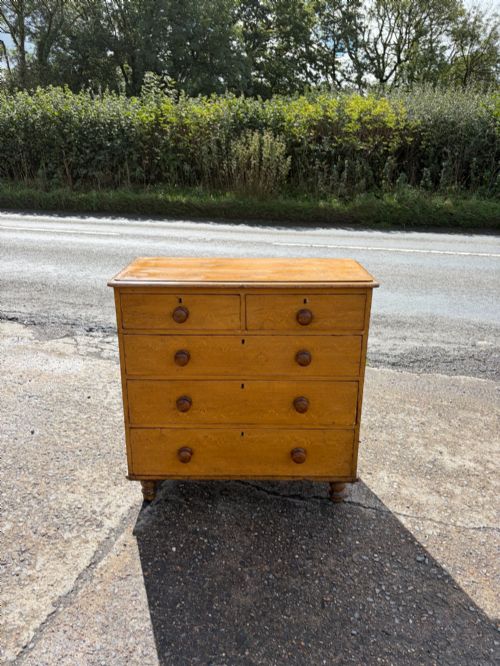
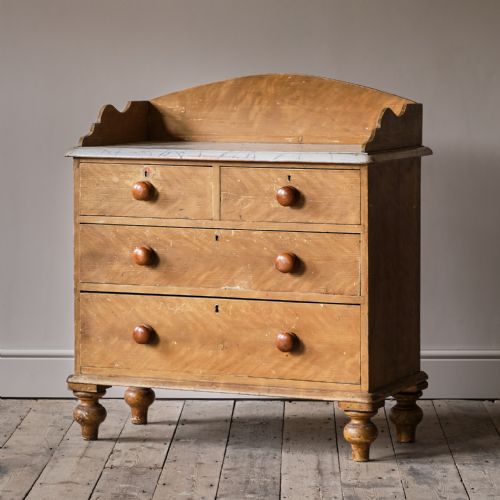
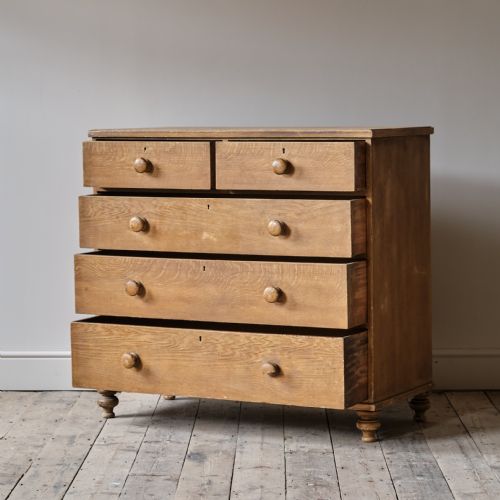
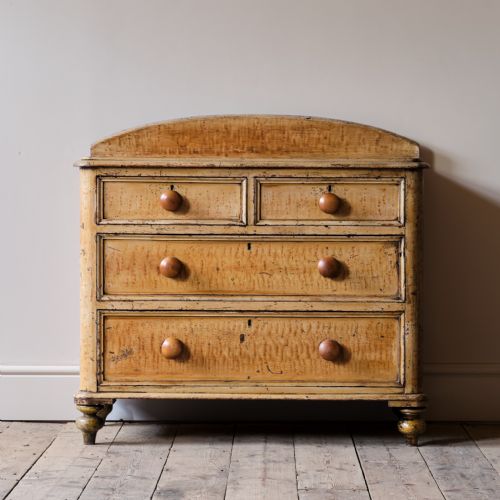
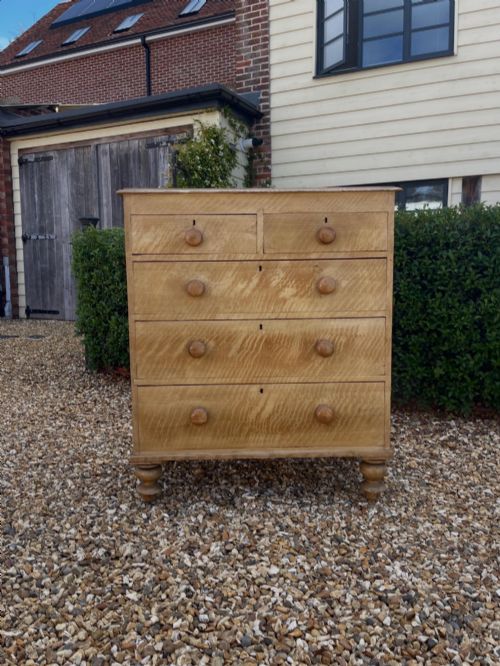
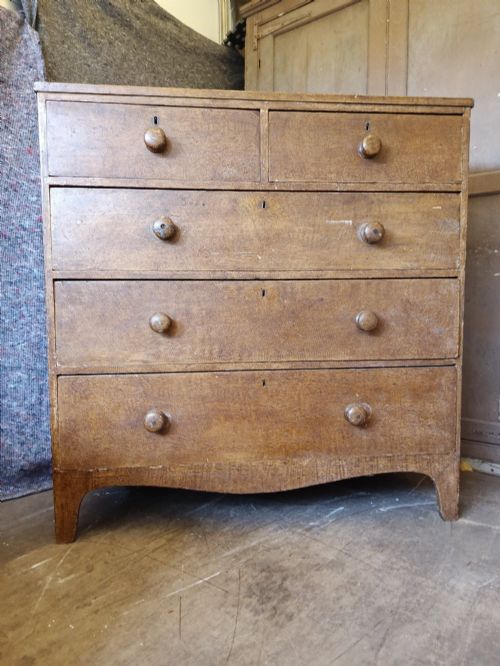
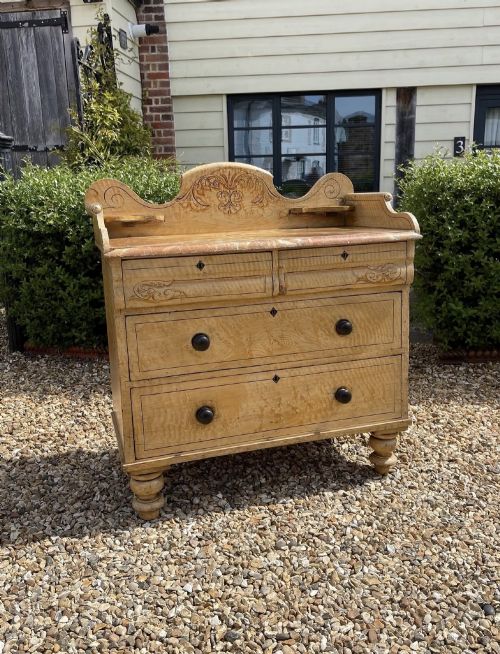
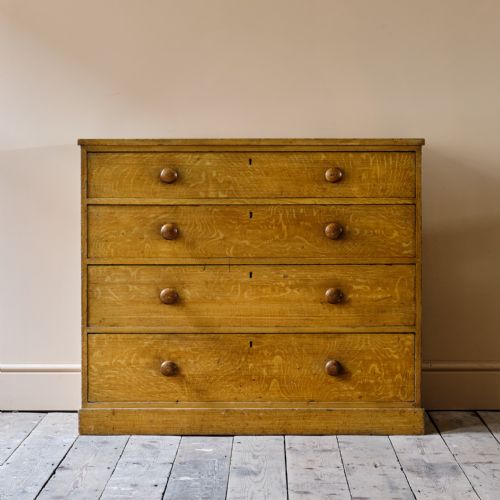


Scumble Painted Pine Chest
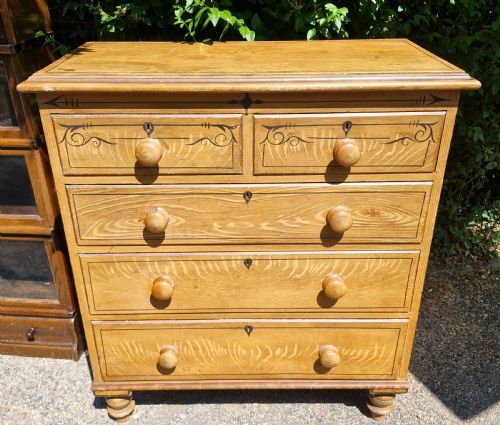
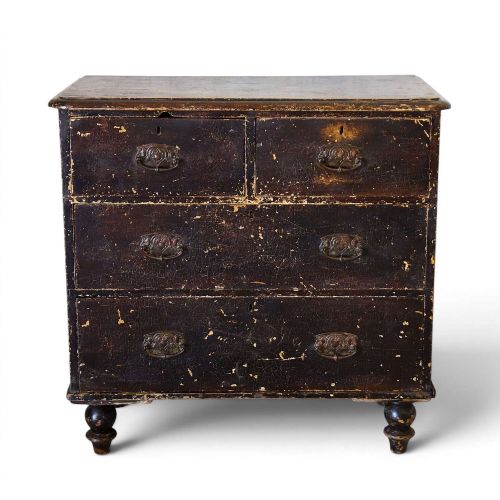
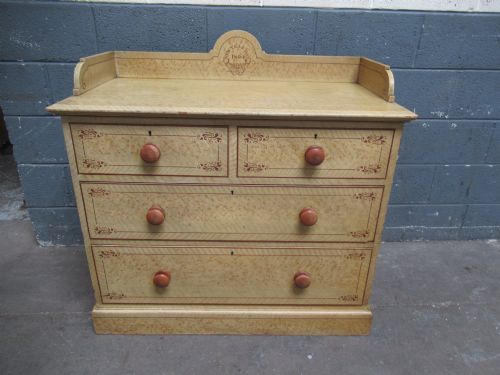
A scumble painted pine chest brings the textured warmth of nineteenth-century country interiors straight into a modern room.
Scumble Painted Pine Chest
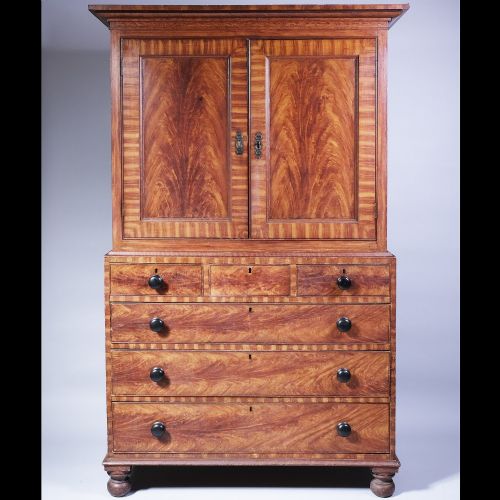
A scumble painted pine chest is a practical storage piece finished with a translucent glaze manipulated to mimic the rich grain of more expensive hardwoods like oak or mahogany. These functional items range from standard chests of drawers and dressing chests to blanket boxes, mule chests, and housekeepers cupboards.
The versions most commonly met on this page date from the nineteenth century and the Victorian era, often bearing the distinct marks of folk art and rustic country workshops. Alongside conventional drawer configurations, buyers encounter trunks, coffers, and storage boxes designed for domestic utility.
How they were made
Carpenters constructed these utility items from solid pine, utilising simple dovetail joints for drawers and sturdy iron or brass hardware for handles and escutcheons. The timber provided an inexpensive, stable carcass that accepted decorative surface treatments readily.
Craftsmen then applied a base coat of oil or lead paint followed by a darker translucent scumble glaze, working the wet medium with combs, feathers, or rags to drag and pattern the surface into imitation wood grains. Some examples feature hand-painted details or green and brown colour variations.
Some nineteenth-century painters used crumpled newspaper or notched leather scraps alongside standard combs to drag their glazes into wonderfully eccentric wood patterns.
What varies in quality
Quality rests primarily in the preservation and artistic dexterity of the original surface finish, where spirited, untouched graining commands greater appreciation than flat or later overpainted coats. The subtlety of the comb work and the depth achieved in the translucent glaze distinguish finer decorative examples from basic utilitarian boxes.
Structural integrity also separates the pieces, visible in the snugness of drawer joints, the retention of original brass or ceramic fittings, and the minimal loss of softwood to damp or woodworm. Scale and form introduce further distinction, particularly when encountering larger Scottish proportions or uncommon variants like Wellington chests and mule chests.
The Scumble Painted Pine Chest Glossary
- Scumble
- A translucent layer of oil-based paint applied over a lighter opaque ground, allowing craftsmen to manipulate the wet top layer into decorative patterns. This technique was widely utilised in country houses to simulate exotic hardwoods on humble pine furniture.
- Mule chest
- A traditional storage chest featuring one or two drawers built into the base beneath a lift-up lid compartment. These hybrid items bridge the gap between a blanket box and a chest of drawers.
- Wellington chest
- A tall, narrow chest of drawers secured by a single vertical locking flap hinged on one side. The design originated in the nineteenth century for efficient security of personal papers or linen.
- Housekeepers cupboard
- A large storage furniture form traditionally used for household linens, dry goods, and china. These substantial pieces often feature a combination of cupboards and drawers in panelled pine.
- Graining
- The decorative art of painting surfaces to imitate the natural grain patterns of timber. Victorian folk artists pushed this technique beyond mere imitation into expressive patterns.
Scumble Painted Pine Chest: Frequently Asked Questions
What is scumble paint?
Scumble paint is a translucent or semi-opaque glaze applied over a dried base coat. Artisans use combs, brushes, and rags to manipulate the wet glaze into patterns.
This decorative finish allowed nineteenth-century makers to give ordinary pine furniture the appearance of costly figured timber or distinctive folk art textures.
How do I clean a scumbled surface?
Clean original painted surfaces gently with a dry or barely damp microfiber cloth to remove dust. Avoid harsh modern chemical cleaners or excessive moisture.
Harsh solvents will strip away the delicate translucent oil glazes that define the character of these antique pieces.
Are these pieces strictly English?
While many originate from English country houses and provincial workshops, regional variations appear across the listings. Scottish pine chests, for instance, often display notably larger proportions and distinct regional moulding details.
Local rural traditions heavily influenced the specific colours and graining tools utilised by the painters.
How are nineteenth-century pine chests best used today?
These robust chests serve well as practical bedroom storage, hallway blanket boxes, or statement coffee tables in living spaces. Their durable construction handles daily domestic use comfortably.
Placing them away from direct heat sources helps protect the aged softwood and nineteenth-century paint layers from drying out or cracking.