

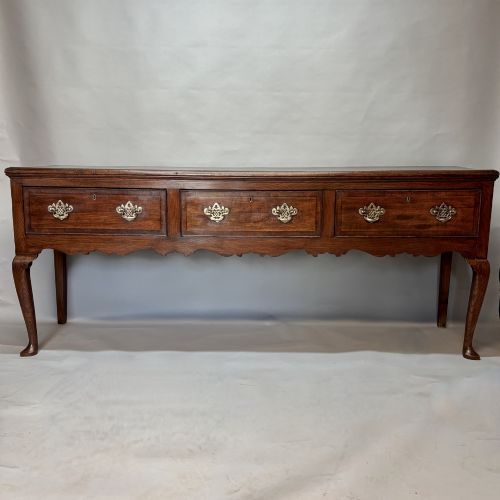
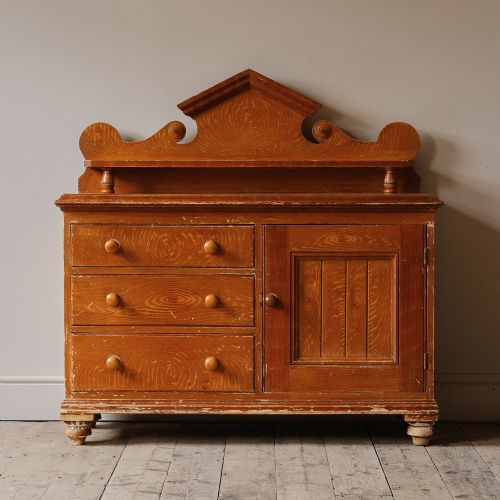
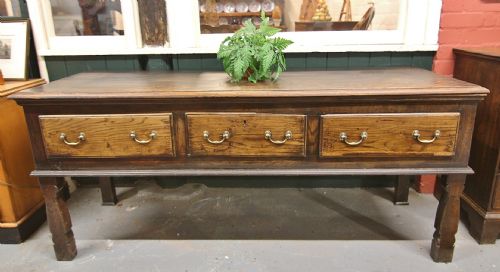
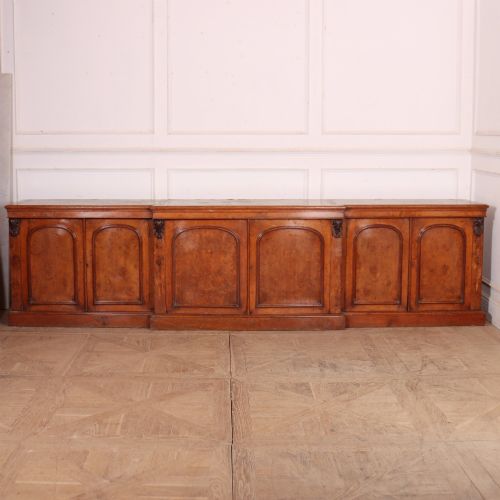
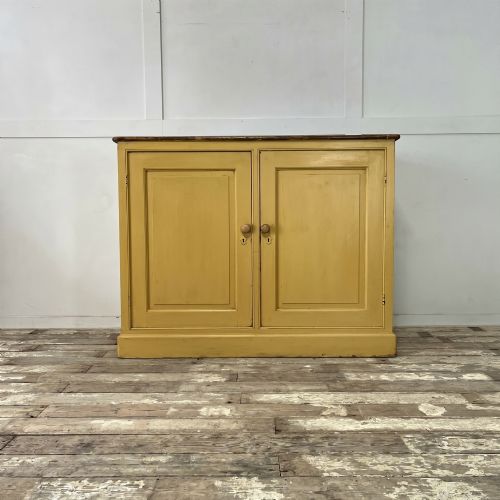
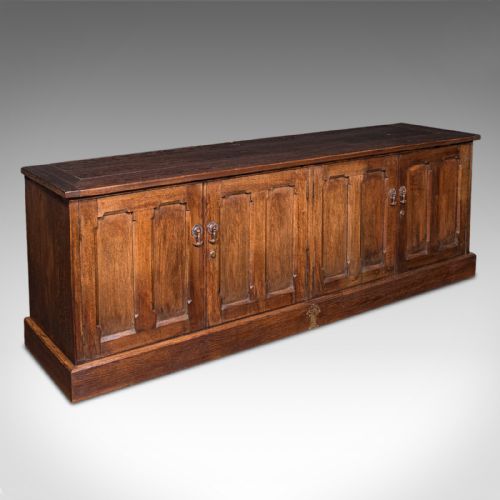


Victorian Low Dresser Base
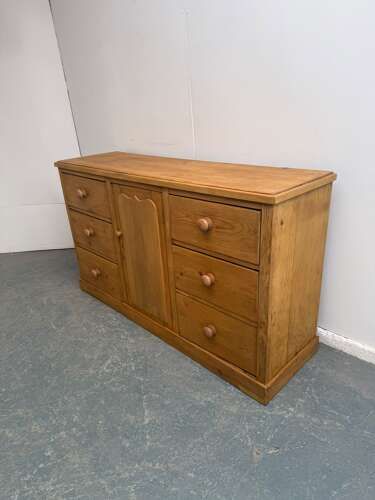
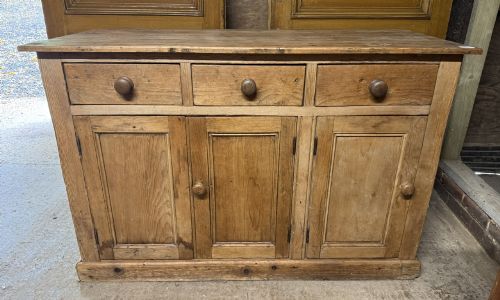
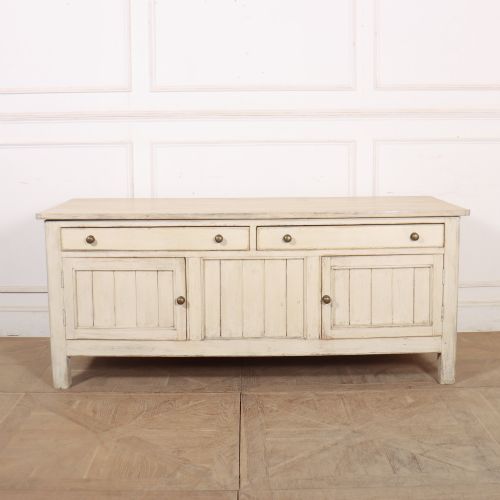
These Victorian low dresser base pieces combine honest utility with rich timber character, offering deep storage and low surfaces ideal for modern rooms.
Victorian Low Dresser Base
A victorian low dresser base provides substantial storage while maintaining a reduced height suitable for contemporary living spaces and traditional kitchens alike.
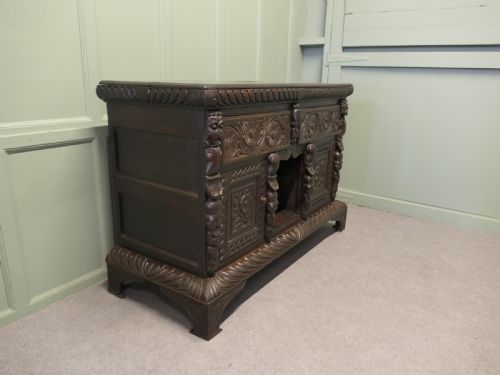
The pieces appearing on this page span vernacular forms including Scottish country examples, rustic farmhouse styles, and Gothic revival designs from the nineteenth century.
Materials and construction
Local joiners built these robust bases using solid timbers like native oak and pine, frequently finished with wax, scumble paint, or original decorative pigment.
Hardware elements such as brass and iron hinges, handles, and escutcheons secure heavy doors and drawers designed for daily domestic service.
Victorian Low Dresser Base Retail Price Guide 2026
Typical asking prices for victorian low dresser base among the pieces listed under this phrase on Sellingantiques today, from the lower quarter to the upper quarter. They describe what is for sale here now, not the wider market.
An eighteenth-century oak green man base lurks among the Victorian pine, keeping watch over the kitchen spoons with carved wooden foliage.
Assessing quality and character
Quality rests in the integrity of the timber grain, the retention of original surface paint or patinated wax, and the survival of period brass or iron hardware.
Structural proportion dictates visual success, where honest utilitarian wear enhances the historic depth rather than diminishing the piece.
The Victorian Low Dresser Base Glossary
- Dresser base
- A low kitchen or dining room storage unit featuring drawers and cupboards beneath a flat surface, omitting the upper plate rack.
- Scumble paint
- A translucent decorative glaze applied over a base coat to simulate the grain of more expensive timbers or create mottled aged effects.
- Burr walnut
- A highly figured wood veneer taken from the growth excrescences of walnut trees, prized for its swirling pattern and rich colour.
- Gothic Revival
- An architectural and decorative style drawing on medieval pointed arches, heavy mouldings, and ecclesiastical motifs popular in the nineteenth century.
Victorian Low Dresser Base: Frequently Asked Questions
What is a Victorian low dresser base?
It is a heavy timber storage unit standing at a reduced height, originally utilised in country houses, dairies, and schoolrooms for food preparation and equipment storage.
Today, these versatile items function effectively as sideboards in dining rooms or media bases in living spaces.
How do I care for waxed pine furniture?
Maintain the surface by dusting regularly with a soft cloth and applying a traditional beeswax sparingly to nourish the dry nineteenth-century timber.
Keep these pieces away from direct heat sources and strong sunlight to prevent timber shrinkage and protect the original finish.
Where were these dresser bases made?
Regional workshops across England and Scotland produced these sturdy items, often utilising locally felled timbers such as native oak and soft pine.
Vernacular regional traits frequently distinguish Scottish dairy examples from English farmhouse or Gothic revival variants.