




Victorian Scumble Paint Dresser
A victorian scumble paint dresser brings rustic nineteenth-century character and tactile glazed finishes into a modern kitchen or hallway.
Victorian Scumble Paint Dresser
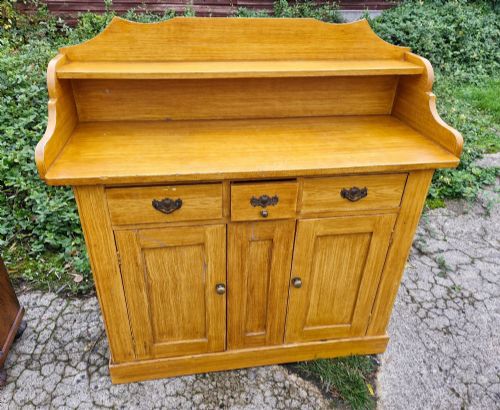
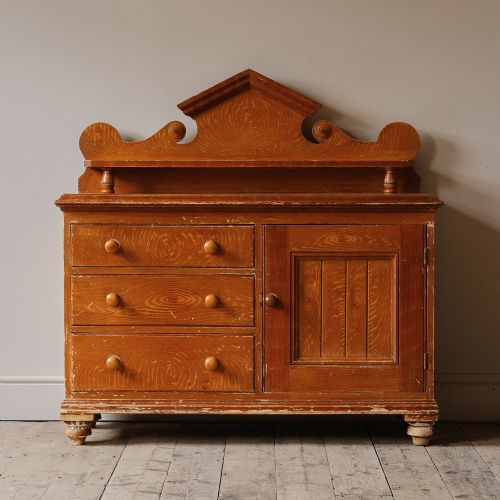
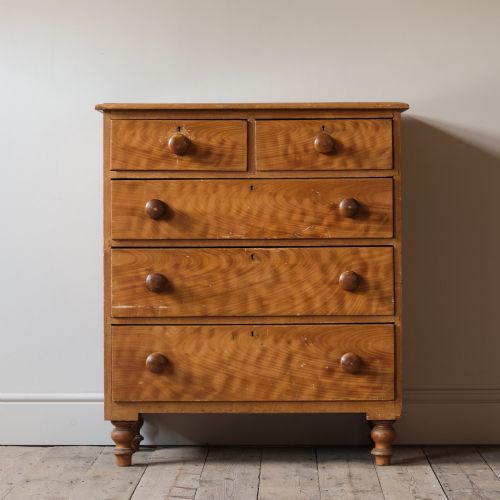
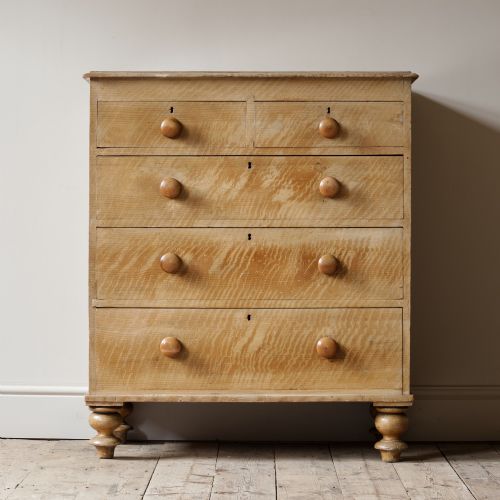
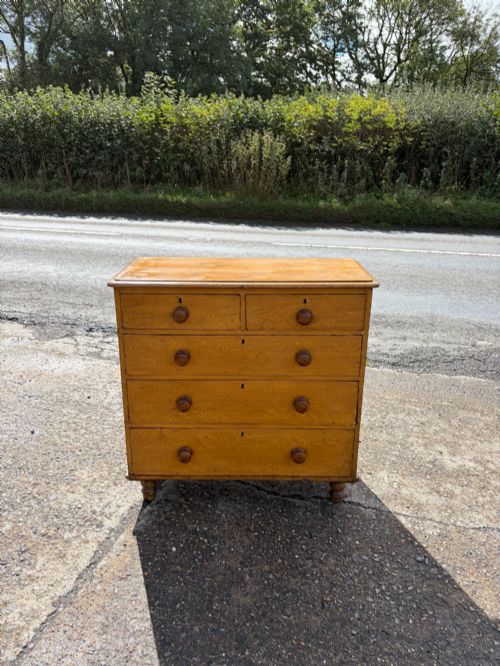
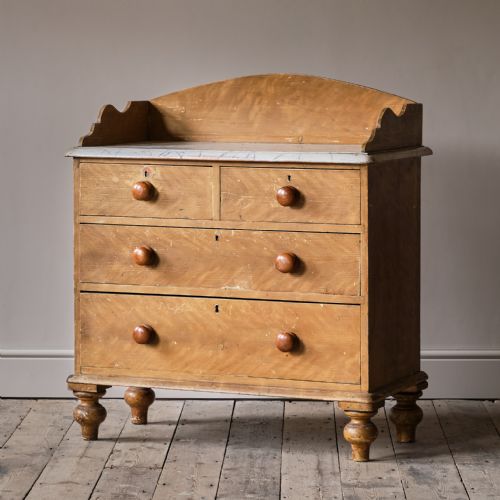
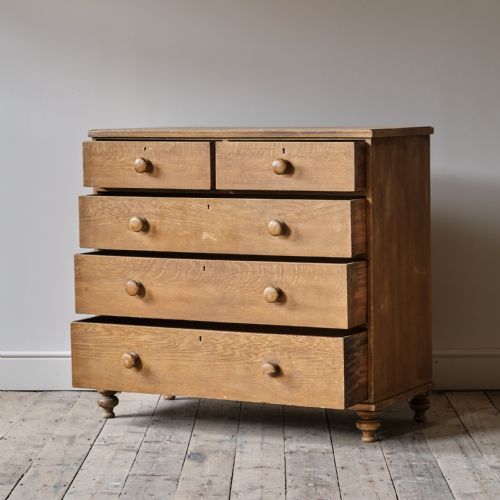
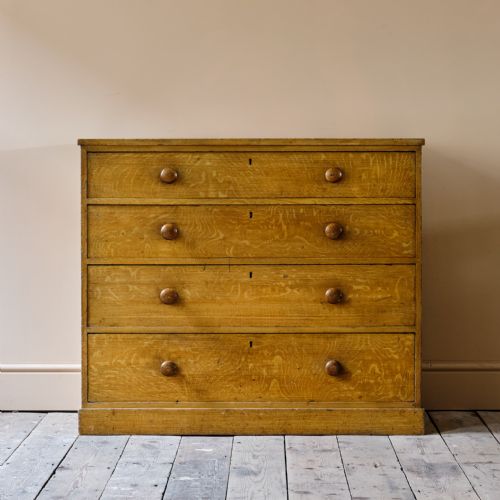
A victorian scumble paint dresser encompasses sturdy pine kitchen dressers, dresser bases, housekeeper cupboards, and chests of drawers finished with decorative surface treatments. These domestic utilitarian forms date primarily from the middle and late nineteenth century, spanning periods around eighteen-eighty and eighteen-ninety.
The versions most commonly met on this page are pine chests of drawers and kitchen dressers retaining their original painted or scumbled finishes. Regional variations such as large Scottish examples and West Country housekeeper cupboards appear alongside rustic farmhouse and Victorian folk art styles.
Materials and construction
Makers built these pieces primarily from solid pine and softwood timber, often incorporating brass and iron hardware alongside glass components. Construction methods relied on durable dovetail joints and sturdy board carcases designed for heavy daily use in nineteenth-century domestic settings.
The defining surface technique involves scumble paint, where artisans dragged, combed, or brushed translucent tinted glazes over a lighter base colour to imitate the rich grain patterns of expensive hardwoods. This decorative graining was applied by hand across kitchen dressers and chests of drawers to elevate simple utilitarian wood.
Victorian Scumble Paint Dresser Retail Price Guide 2026
Typical asking prices for victorian scumble paint dresser among the pieces listed under this phrase on Sellingantiques today, from the lower quarter to the upper quarter. They describe what is for sale here now, not the wider market.
Listings span the nineteenth century, featuring pine chests of drawers, housekeeper cupboards, and kitchen dressers in rustic styles.
Evaluating finish and preservation
The distinction between ordinary and exceptional examples rests upon the survival and integrity of the original scumble paint finish. Pieces retaining uncompromised, undisturbed brushwork and distinct graining patterns hold greater visual appeal than those with heavily degraded or later overpainted surfaces.
Structural honesty and the preservation of original brass or iron fittings also define quality in these utilitarian forms. Untouched timber surfaces and clearly articulated folk art decoration separate superior country pieces from heavily restored domestic furniture.
The Victorian Scumble Paint Dresser Glossary
- Scumble paint
- A translucent decorative glaze applied over a pale painted ground and manipulated with combs or brushes to simulate wood grain. This technique transformed affordable pine into an imitation of oak or mahogany.
- Dresser base
- The lower section of a kitchen dresser, typically comprising drawers and cupboards beneath a solid working top. These pieces functioned as standalone sideboards in nineteenth-century domestic spaces.
- Housekeeper cupboard
- A large storage cabinet utilised in country houses for linen, provisions, and household stores. They represent a substantial form of nineteenth-century utilitarian case furniture.
- Pine
- A soft, accessible timber utilised extensively by nineteenth-century regional makers for everyday domestic furniture. Its pale grain provided an ideal canvas for decorative scumble paint finishes.
Victorian Scumble Paint Dresser: Frequently Asked Questions
What is scumble paint?
Scumble paint is a decorative translucent glaze manipulated over a lighter base coat to create simulated wood grain on pine furniture.
Artisans used combs, rags, and brushes while the glaze was wet to produce patterns that imitated costly timbers.
How were these dressers used?
These pieces served as practical storage furniture for domestic provisions, kitchenware, linens, and household dry goods.
Kitchen dressers held tableware on open shelving while cupboards and chest drawers concealed everyday utensils.
How do I date a pine chest?
Dating relies on examining construction methods, timber preparation, and the characteristics of the original paint finish.
Nineteenth-century examples display hand-cut joinery and authentic scumble glazes rather than modern mechanical fastenings.
Where did regional styles originate?
Regional variations developed according to local workshop traditions and the availability of softwood timber across Britain.
Distinctive forms like Scottish cupboards reflect regional preferences in scale and utilitarian design during the eighteen-hundreds.