
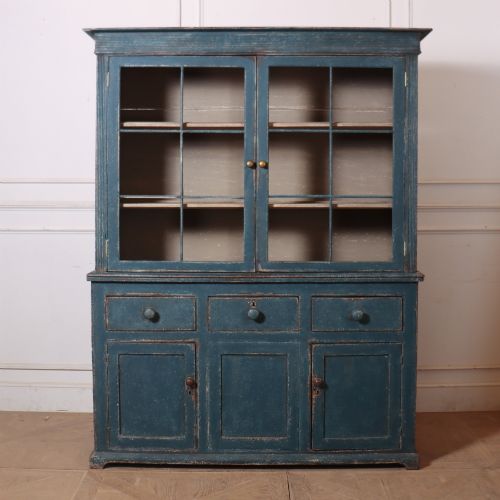
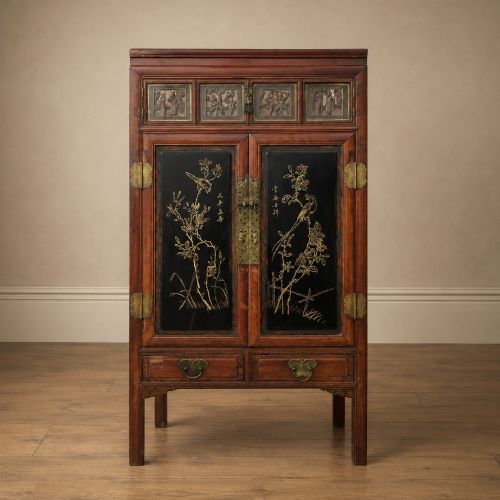
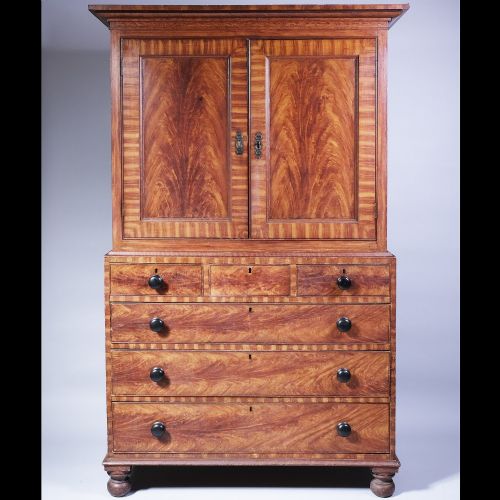
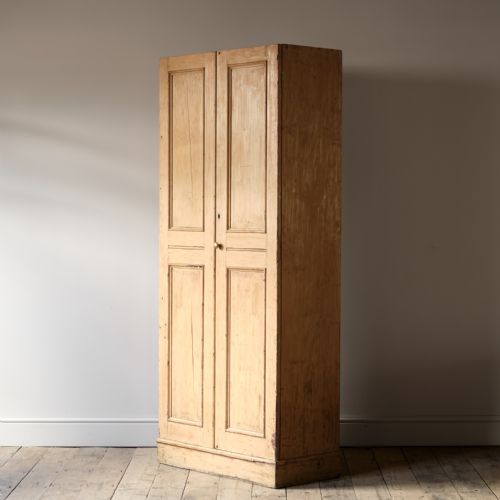
Traditional Painted Cupboard
A traditional painted cupboard brings practical storage and a strong splash of colour into a room.
Traditional Painted Cupboard
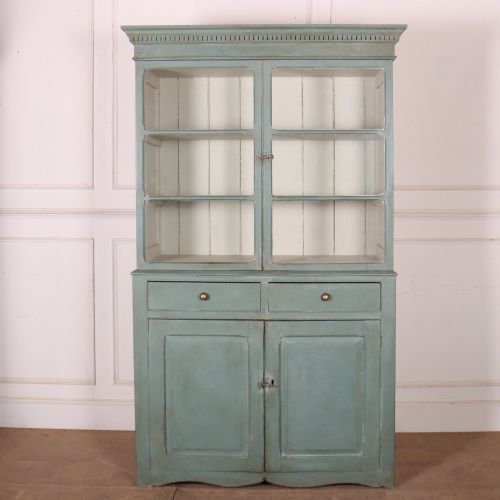
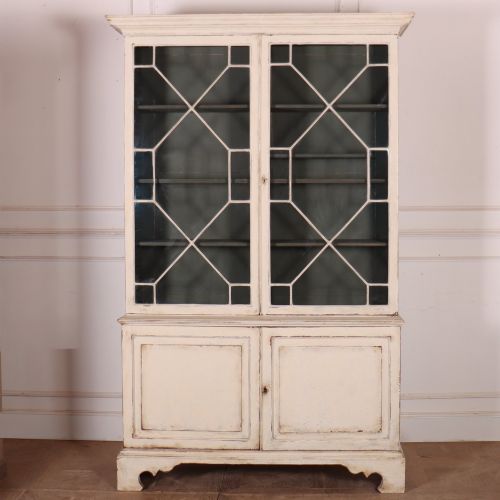
A traditional painted cupboard is a piece of storage furniture finished in pigment, ranging from country pine to lacquer.
The pieces appearing on this page span several eras including Georgian, Victorian, and the nineteenth century.
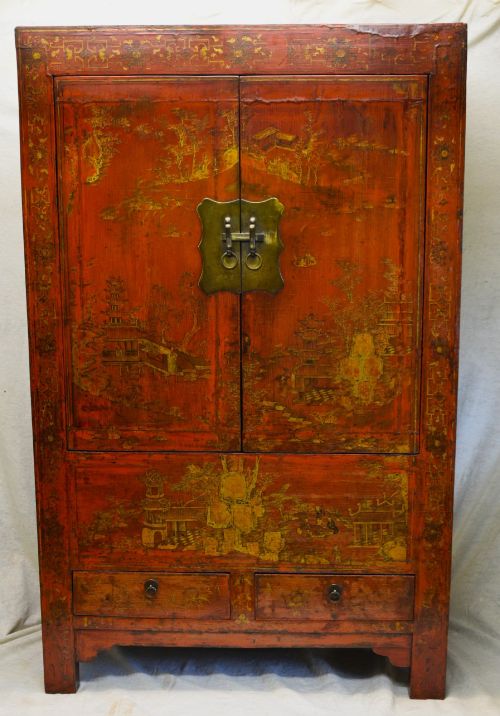
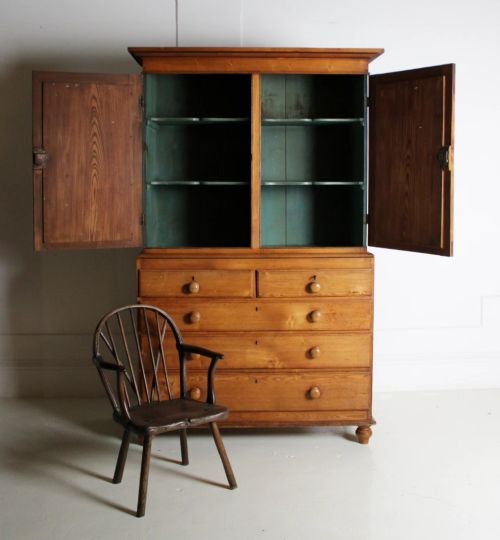
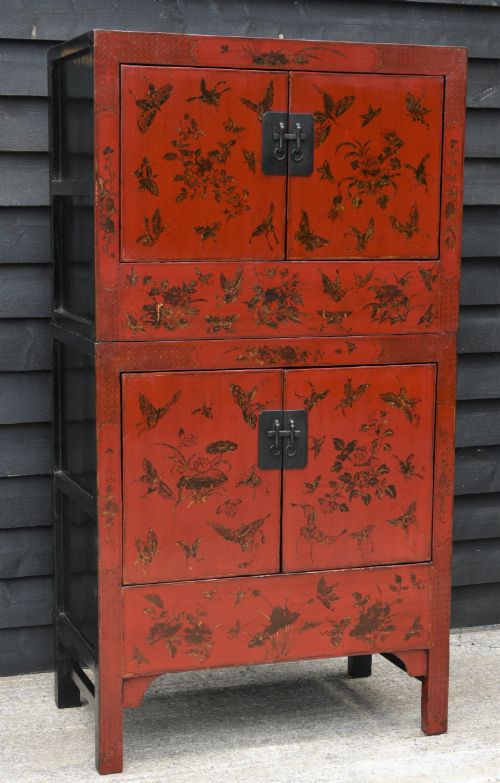
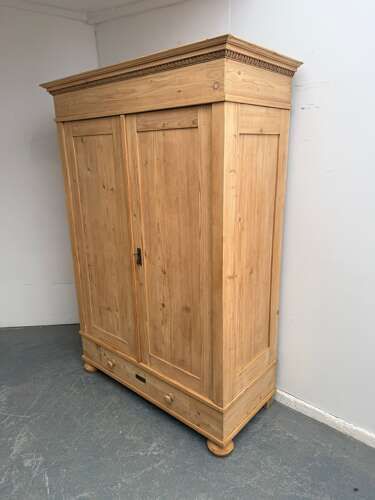
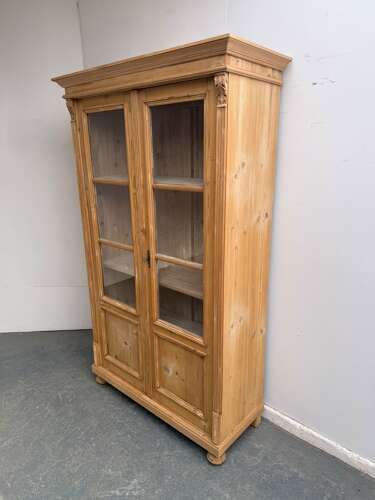
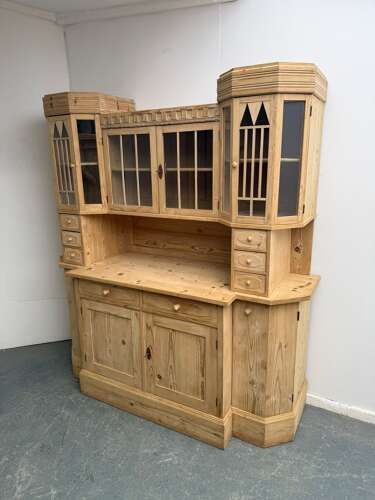
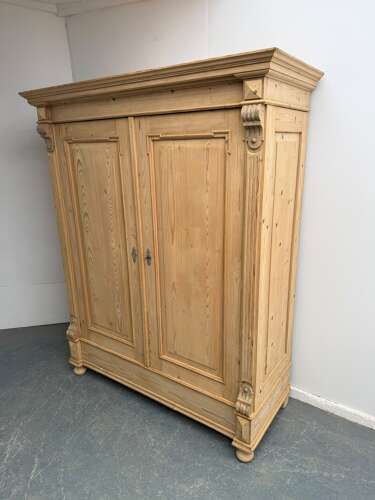
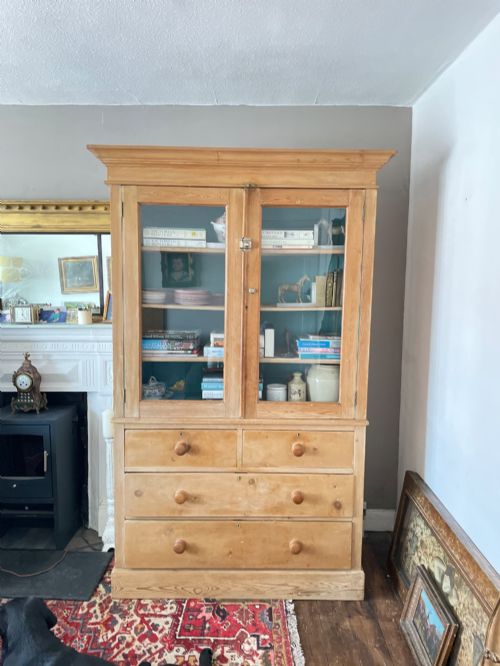
Forms include kitchen dressers, housekeepers cupboards, wardrobes, and Chinese marriage cabinets.
Materials and construction
Makers utilised solid timbers such as pine, ash, elm, and wood to build the carcasses, often adding brass and iron hardware.
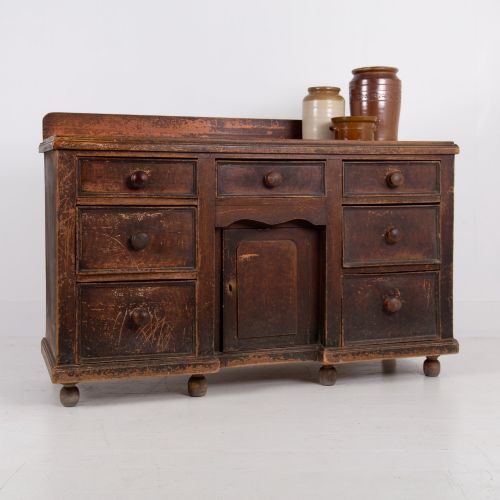
Surfaces received finishes of oil-based paint, scumble glaze, or red and black lacquer with hand-painted floral decoration.
Listings feature pine, ash, elm, brass, iron, and glass across Victorian, Georgian, and nineteenth-century eras.
Assessing quality and finish
Quality rests in the survival of original decorative paint schemes rather than later overpainting.
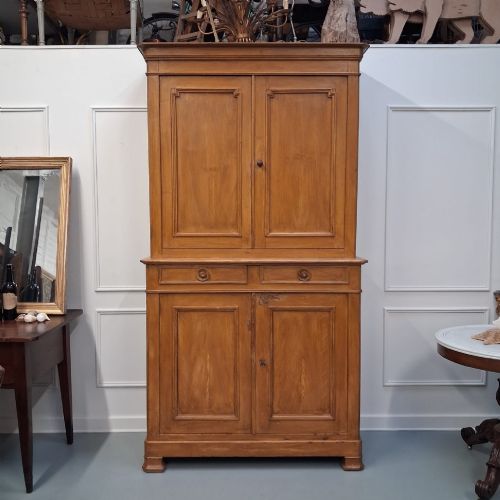
Joinery detail, such as moulded cornices and panelled doors, separates standard utility items from finer workshop pieces.
The Traditional Painted Cupboard Glossary
- Scumble paint
- A decorative technique involving dragging a translucent top glaze over a lighter base coat to create mottled wood grain effects.
- Knockdown wardrobe
- A large wardrobe constructed to be easily dismantled into panels and parts for transport.
- Housekeepers cupboard
- A large storage piece with doors and drawers historically used in large homes for linen and provisions.
- Marriage cabinet
- A traditional Chinese cabinet finished in red lacquer, often given as a wedding gift.
- Dresser base
- The lower portion of a kitchen dresser, usually fitted with cupboards and drawers beneath a flat top.
Traditional Painted Cupboard: Frequently Asked Questions
How do I date a painted cupboard?
Dating relies on construction methods, timber choice, and the type of fixings used in the carcass.
Paint analysis and style clues such as mouldings also help narrow down the decade of production.
Where should I place a painted cupboard?
These pieces suit kitchens, hallways, and bedrooms where enclosed storage is useful.
Position them away from direct heat sources to protect the timber and decorative paint finishes.
Are these cupboards made of solid wood?
Most examples utilise solid woods such as pine, ash, and elm throughout their construction.
Traditional joinery methods without modern particle boards are standard for pieces from these periods.
How do I care for the painted surface?
Dust gently with a soft dry cloth and avoid harsh chemical cleaners that might strip historic finishes.
Maintaining stable room humidity prevents the timber beneath from expanding and cracking the paint.