



Traditional Original Oil Painting
Traditional original oil painting works bring centuries of pigment, canvas and framed presence directly into your rooms.
Traditional Original Oil Painting
When you search for a traditional original oil painting, you are looking at hand-painted works executed directly onto canvas, wood panels, copper or board using oil-based pigments. These pieces span the Georgian, Victorian and Edwardian eras through to mid-century modern interpretations.
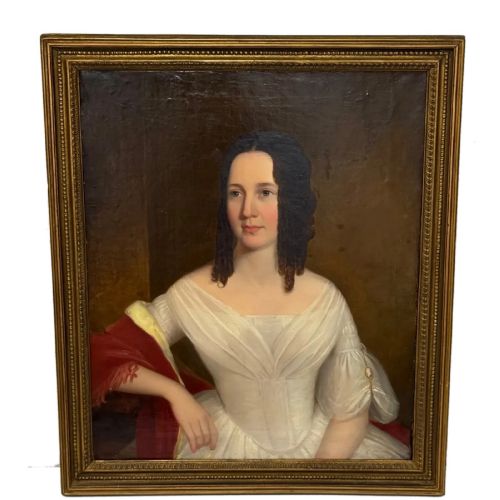
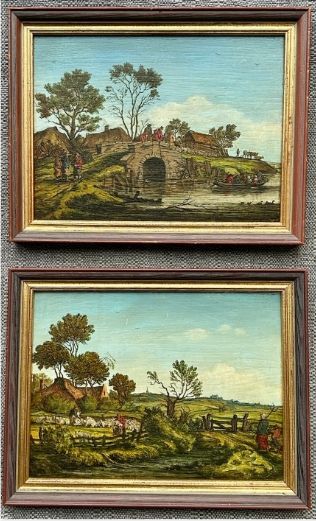
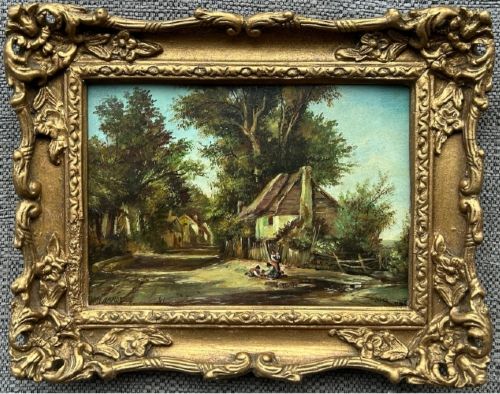
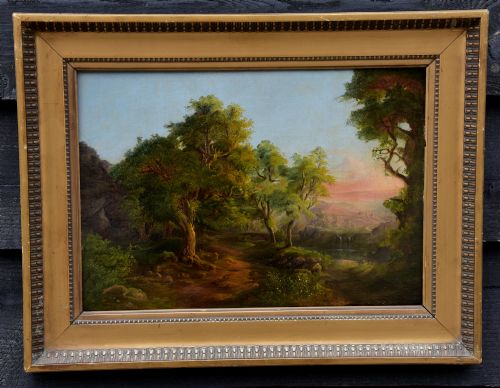
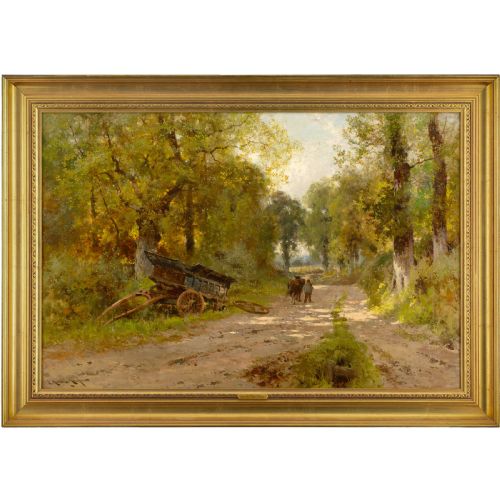
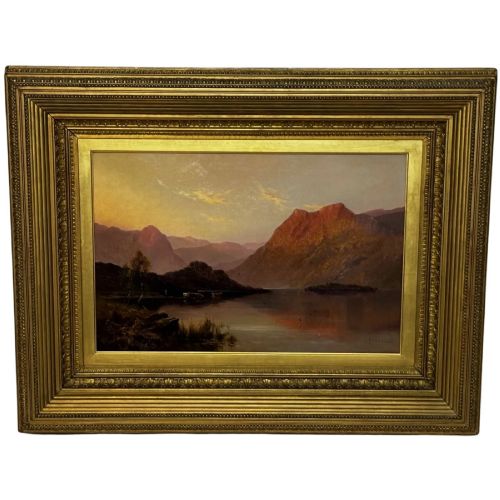
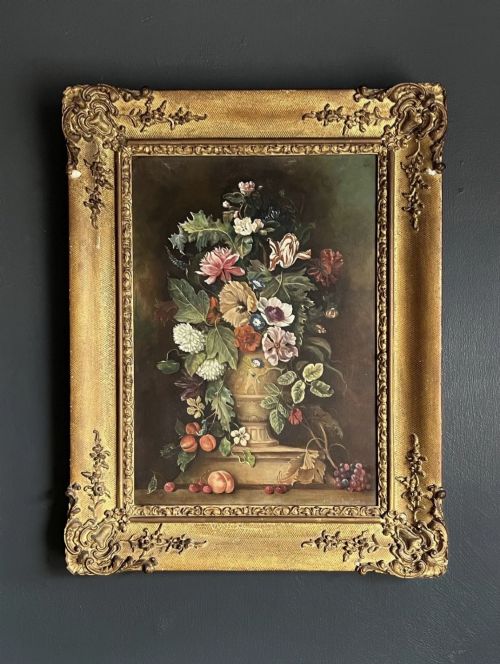
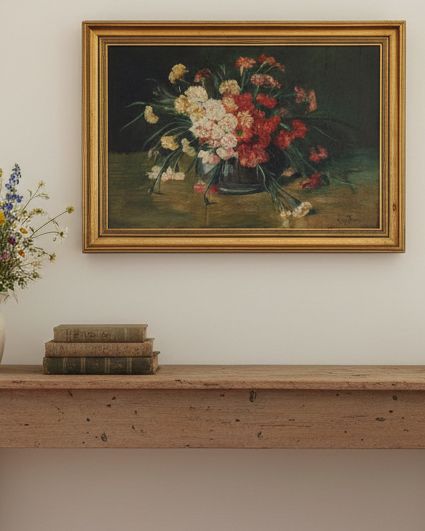
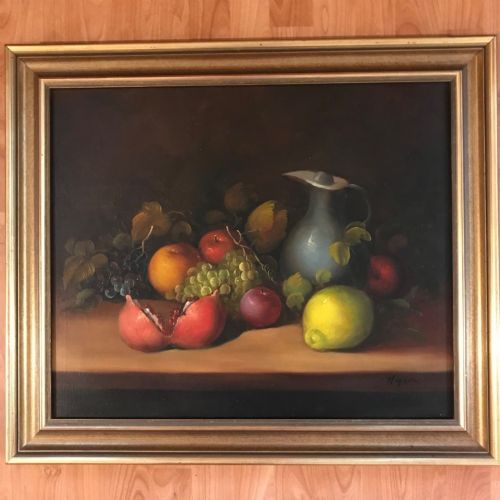
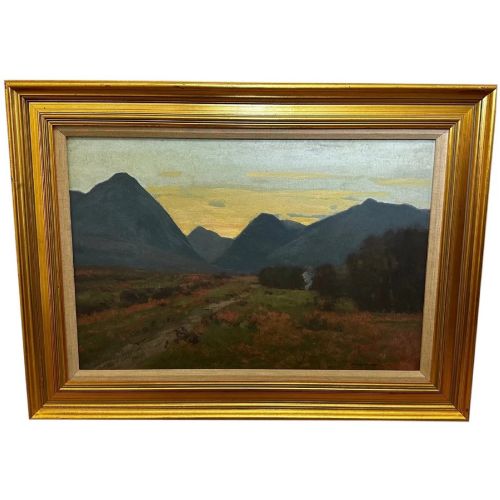
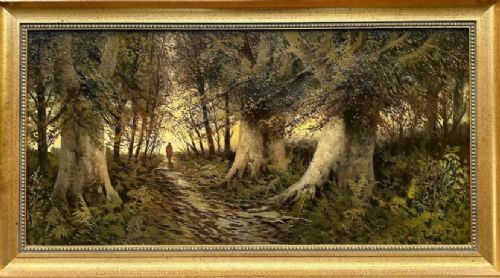
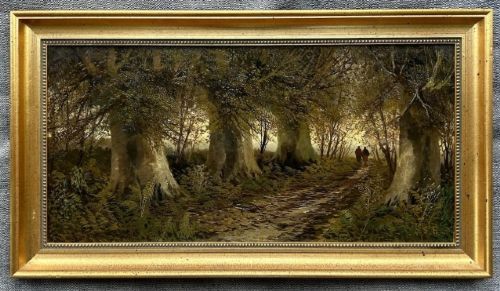
The versions you are most likely to encounter on this page range from British and Scottish landscapes with cattle or figures to pastoral scenes, floral still lifes, and detailed portraiture. They frequently arrive housed in their period giltwood or gesso frames.
Subjects cover portraiture, genre scenes of children or musicians, and botanical studies by named artists and regional schools alike. Each canvas carries the distinct brushwork and texture of its maker's hand.
Materials and construction of traditional works
These works rely on oil paint applied to woven canvas, wooden boards, wood panels or copper plates, utilising the slow-drying nature of oils to blend tones and build rich, layered surfaces. Grounds and supports vary according to the period, from stretched canvas to solid timber panels.
Frames play an integral structural and aesthetic role, constructed from wood finished with decorative gesso and gold leaf or giltwood mouldings. These housings protect the perimeter of the painted surface while providing the traditional ornamented border typical of the period.
Listings feature works executed on canvas, wood panel, copper, and board across Victorian, Edwardian, and Georgian periods.
Distinctions in quality across the range
Quality in these works rests upon the confidence of the brushwork, the handling of light and shadow, and the anatomical or spatial accuracy achieved by the artist. A superior hand captures movement, atmosphere and texture with economy and precision.
The preservation of the original paint layer, stability of the support - whether canvas or wood panel - and the integrity of the period gilt frame distinguish finer examples from standard decorative works.
William H Myers·Tom Campbell·John Horace Hooper·William Joseph Shayer Senior·George Houston·Thomas Sidney Cooper·David Bates·Albert Clark·Max Kaltenmoser·Albert Rieger·Albin Mattenheimer·Manuela Bonati·William Watson Jnr
The Traditional Original Oil Painting Glossary
- Canvas
- A heavy woven fabric stretched across a wooden frame to serve as a support for oil painting. It provides a slightly flexible surface that responds to atmospheric changes.
- Gesso
- A plaster-like mixture applied to wood panels or frames to create a smooth, absorbent base for gilding and painting. It accepts gold leaf and intricate moulding work.
- Giltwood
- Timber carved and coated with gold leaf or metallic paint to create a lustrous, reflective frame finish. It is characteristic of traditional framing from the Georgian and Victorian eras.
- Oil Paint
- Pigment particles suspended in a drying oil, typically linseed oil, which dries slowly by oxidation rather than evaporation. This allows painters to blend colours directly on the support.
- Wood Panel
- A solid timber board used as a rigid alternative to canvas for painting. Panels offer a stable, flat foundation often seen in earlier Dutch and British works.
Traditional Original Oil Painting: Frequently Asked Questions
How do I identify a canvas from a panel?
You can usually tell by looking at the reverse of the work or observing the surface tension. Canvases show woven textile texture and give slightly to gentle pressure, whereas wood panels and boards provide a rigid, unyielding backing.
Framed edges also offer clues, as panels fit snugly into deeper rebates without stretcher bars, while canvases require wooden keys and frames designed to hold stretched fabric.
What is a genre painting?
A genre painting depicts scenes from everyday life, featuring ordinary people engaged in domestic tasks, leisure, or work rather than grand historical or mythological subjects.
In these listings, genre works frequently show children, musicians, or domestic interiors that capture the social character of the nineteenth and early twentieth centuries.
How should I care for an oil painting?
Keep oil paintings away from direct sunlight, damp environments, and rapid temperature fluctuations that can cause canvas slackening or wood warping. Dust the surface very gently with a soft, dry brush without applying pressure.
Avoid using water, chemical cleaners, or damp cloths on the paint or the gilt frame, as moisture damages traditional gesso and older pigments.
Are original frames important?
Original giltwood and gesso frames provide historical context and complement the aesthetic balance intended by the artist or period. Matching the age of the frame to the canvas enhances the overall integrity of the piece.
Minor losses to old gesso or gilt are common in pieces of this age and are generally accepted as part of their authentic patina.