





Canvas Oil Pastoral Art
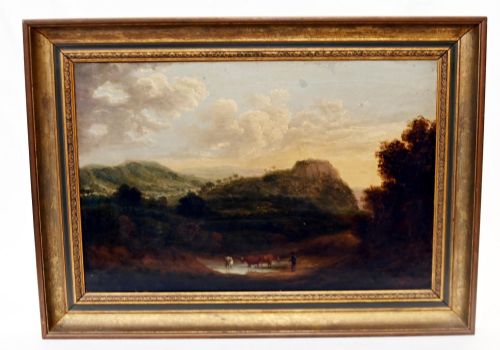
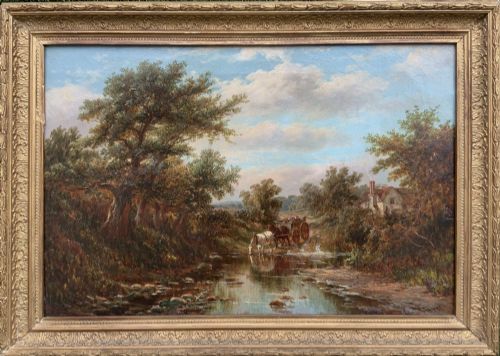
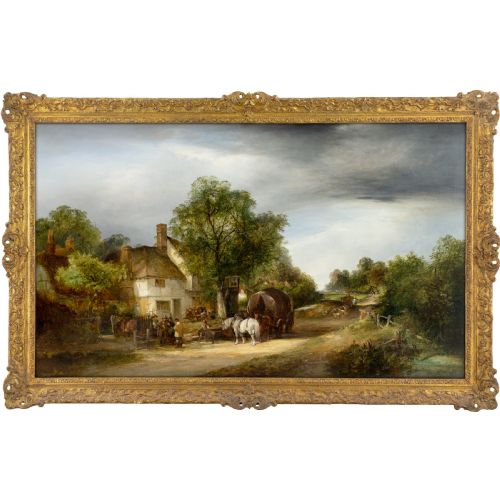
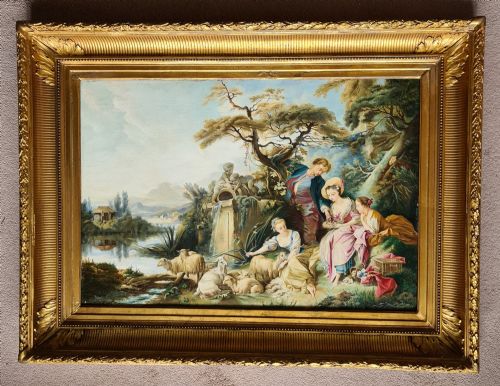
Canvas oil pastoral art brings rustic countryside scenes and grazing livestock into your interior through traditional painted compositions.
Canvas Oil Pastoral Art
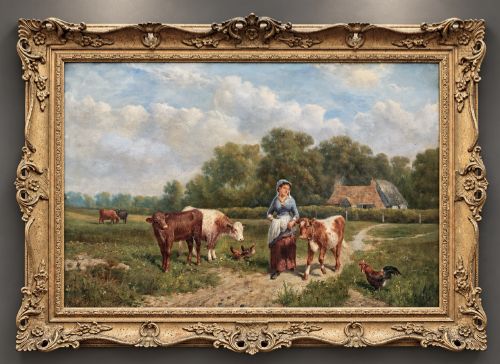
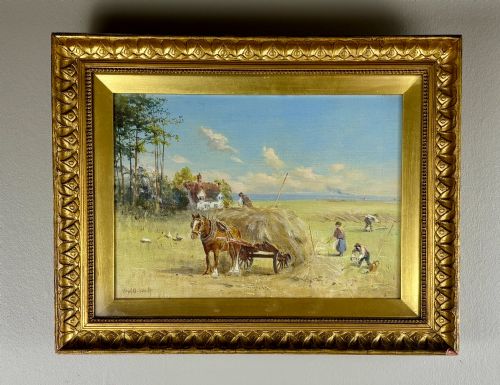
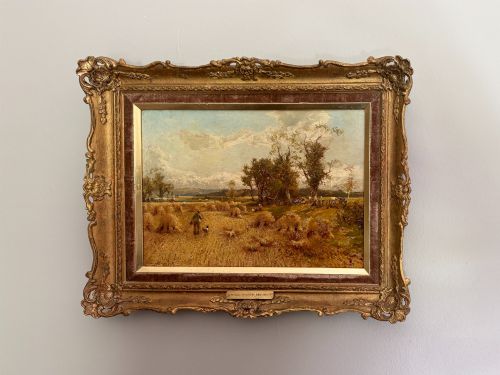
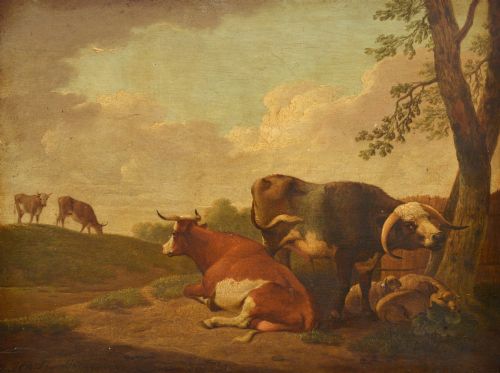
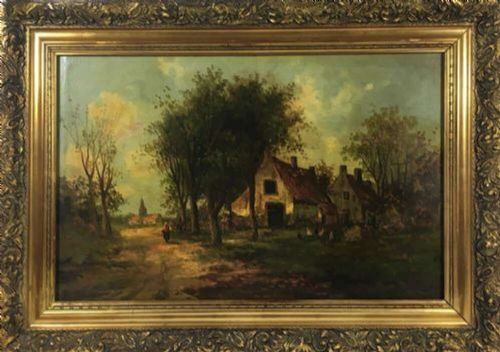
Canvas oil pastoral art encompasses traditional painted depictions of rural life, featuring rustic landscapes, agricultural workers, and livestock such as sheep, cattle, and bulls. These works emerge predominantly from the eighteenth and nineteenth centuries, alongside Edwardian and early twentieth-century examples, reflecting sustained artistic interest in idealized country scenes.
You will encounter pieces originating from British, French, Italian, and wider European schools, spanning periods from the late seventeenth century through to Victorian realism and British impressionism. Common formats include oil on canvas wall art and fine art paintings, frequently housed within period frames.
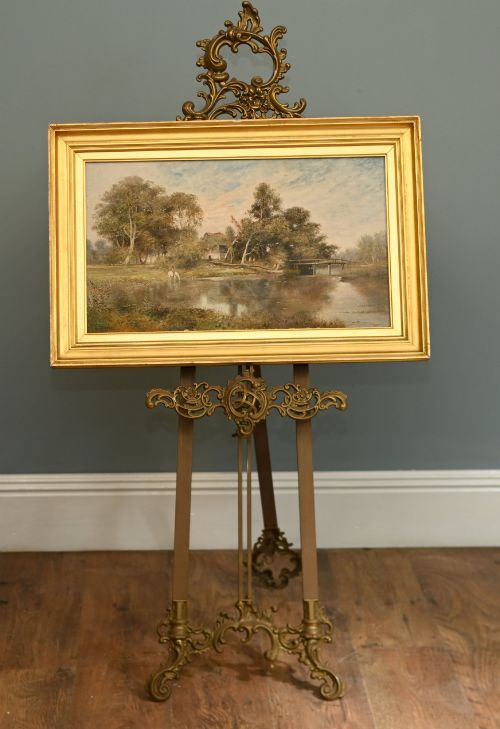
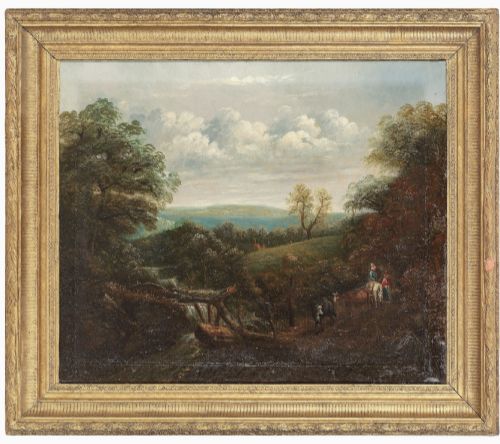
The subjects range from tranquil river landscapes and harvest fields to intimate woodland gatherings and pastoral portraits of prize animals. These paintings capture historical agrarian life through the lenses of romanticism, realism, and grand tour traditions.
Materials and technique
These works utilise oil paint applied to woven canvas supports, taking advantage of the medium's blendability and depth of colour. The stretched canvas is typically mounted on wooden stretcher frames and housed in decorative surrounds.
Many period examples incorporate gesso applied to timber mouldings to create ornate giltwood or gilt wood frames. The combination of oil pigments on canvas and traditional framing defines the physical construction of these artworks.
A curious canine companion occasionally lingers in the corner of a pasture, watching over sheep with undeniable loyalty.
Quality and execution
Quality rests in the handling of light, anatomical precision in human and animal figures, and atmospheric depth within the landscape. Masterly brushwork and compositional balance distinguish accomplished professional output from simpler provincial or naïve renderings.
The preservation of the original oil surface and the integrity of the canvas and stretcher frame contribute significantly to the standing of a piece. Original period frames appropriate to the canvas also elevate the overall cohesion of the work.
Eugène Verboeckhoven·William H Myers·Hendrik Willem Schweickhardt·Thomas Barker of Bath·Mark William Langlois·David Bates·Walter Heath Williams·Jacob Philipp Hackert·John Horace Hooper·Thomas Sidney Cooper·Richard Redgrave·Ernest Higgins Rigg·Robert Watson·Albert Rieger·William Watson Jnr·Douglas Cameron·Johann Friedrich Voltz·Henry H Parker·Henry Schouten·John Emms·A M Gauci
The Canvas Oil Pastoral Art Glossary
- Oil on Canvas
- A painting technique where oil-based pigments are applied to a woven fabric support stretched across a wooden frame. This combination allows for rich colour blending and lasting durability.
- Pastoral
- A genre of art depicting rural life, shepherds, agricultural labourers, and domesticated animals in idealized or naturalistic countryside settings. These scenes emphasise peaceful coexistence with nature.
- Giltwood
- Timber, often gesso-coated, treated with gold leaf or gold-coloured metallic finish to create an ornate decorative frame. It remains standard for framing fine art from the eighteenth and nineteenth centuries.
- Barbizon School
- A nineteenth-century French art movement dedicated to naturalistic landscape painting, focusing on direct observation of nature and rural farmyard scenes. This approach influenced subsequent landscape artists across Europe.
- Grand Tour
- A traditional cultural excursion undertaken by wealthy Europeans to visit historical sites and acquire art, frequently resulting in commissioned Italianate landscapes. These works capture classical ruins and Mediterranean pastoral views.
Canvas Oil Pastoral Art: Frequently Asked Questions
What defines canvas oil pastoral art?
These works are traditional oil paintings on canvas that depict rural scenes, agricultural life, and grazing animals. They capture historical countryside environments through various artistic movements spanning several centuries.
Subjects frequently include shepherds with flocks, cattle in woodland, and harvest workers. The focus remains on natural scenery and traditional agrarian routines.
Where were these pastoral paintings created?
The pieces originate from various European art schools, with strong representation from British, French, and Italian traditions. Artists travelled or worked locally to document specific regional landscapes.
Grand tour paintings often reflect Italian scenery, while Barbizon influences point to French rural studies. British artists documented domestic landscapes across regional counties and Scottish highlands.
How do I display oil paintings safely?
Keep canvas paintings away from direct sunlight and damp environments to protect the oil pigments and wooden stretchers. Stable indoor temperatures prevent the canvas and gesso frames from warping or cracking.
Wall mounting should use secure fixings suited to the weight of the framed artwork. Adequate spacing from heat sources ensures the longevity of both canvas and frame.
How can I tell the period of a painting?
Dating relies on stylistic clues, framing materials, canvas preparation, and artist signatures or historical records. Victorian and Edwardian works often feature distinct framing styles and subject matter preferences.
Earlier eighteenth and seventeenth-century pieces display different canvas weaves and pigment compositions. Comparing brushwork to documented works by known school followers aids verification.