


Vintage Figure Landscape Artwork
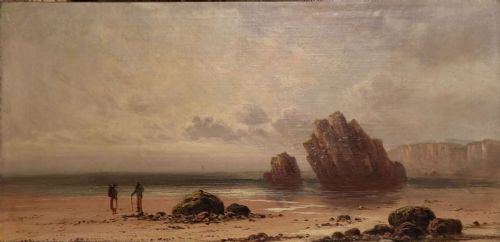
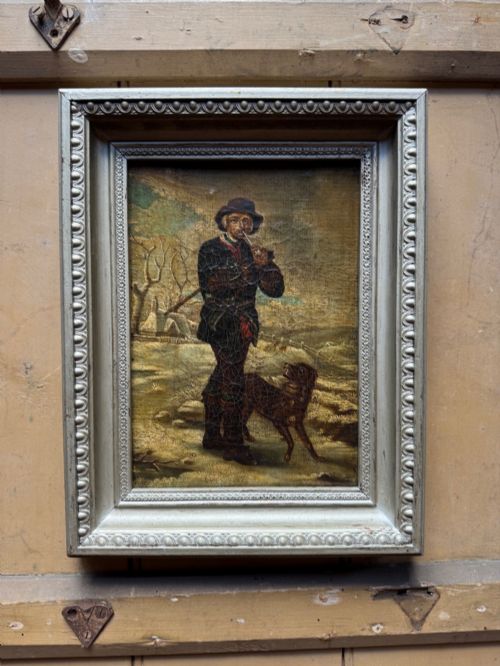
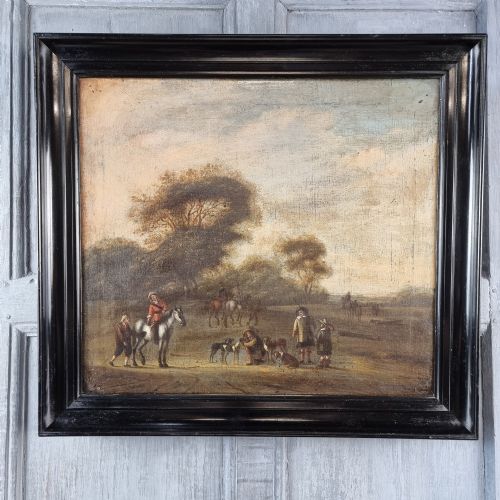
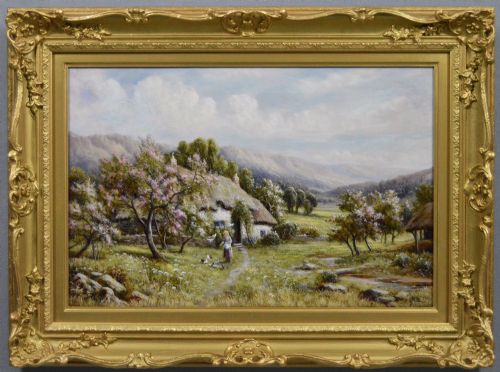
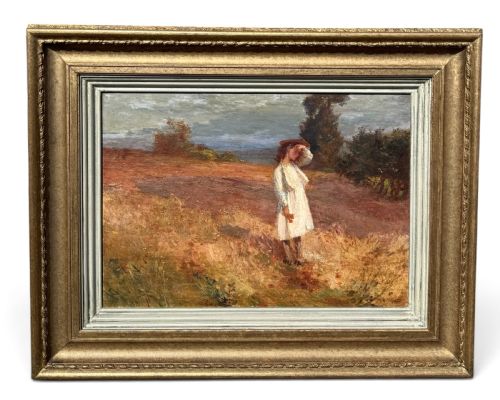
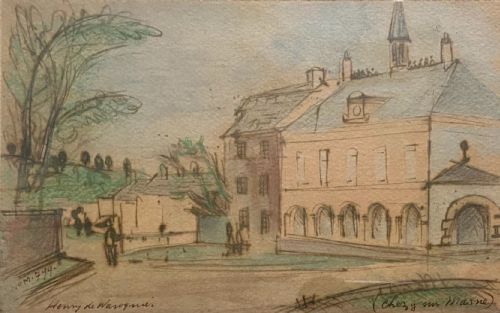
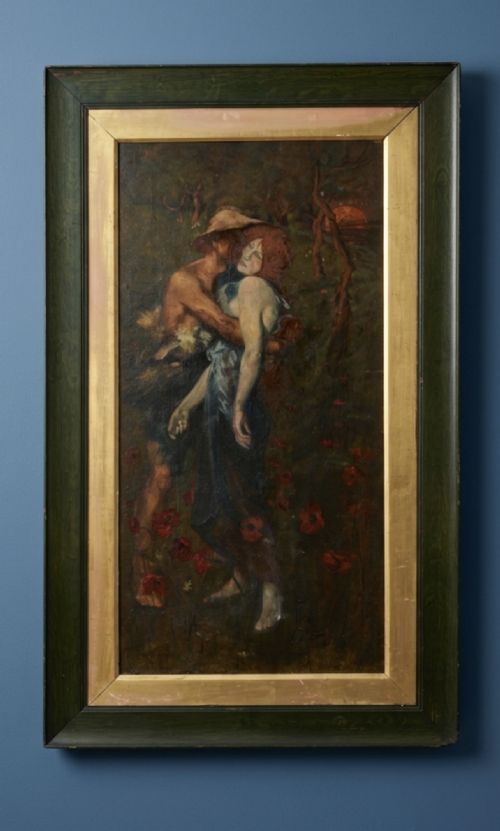
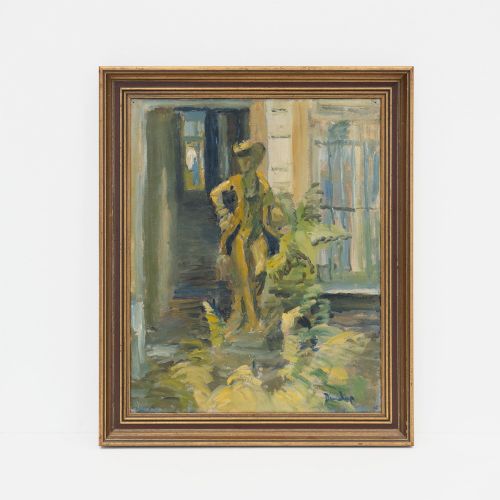
Vintage figure landscape artwork brings together human presence and natural surroundings across canvas, wood and paper from the nineteenth and twentieth centuries.
Vintage Figure Landscape Artwork
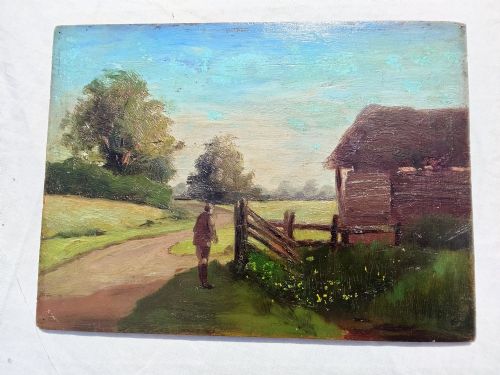
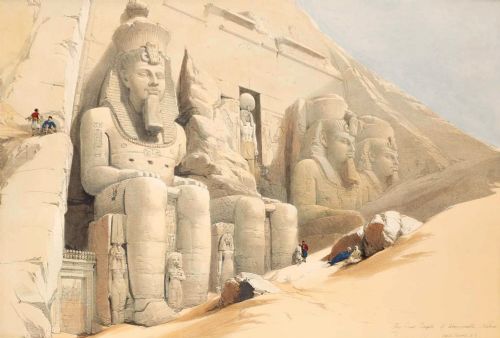
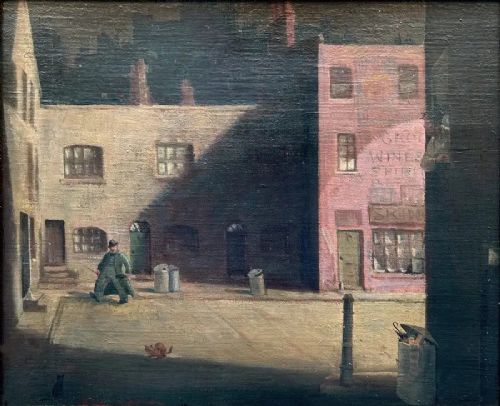
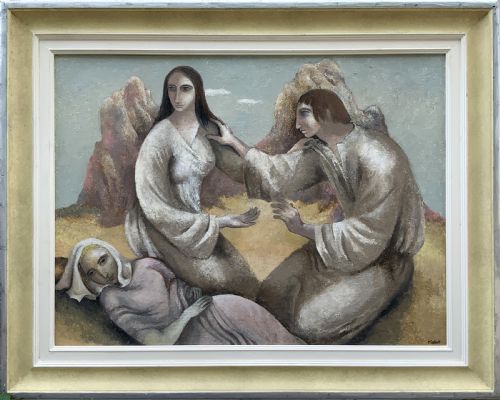
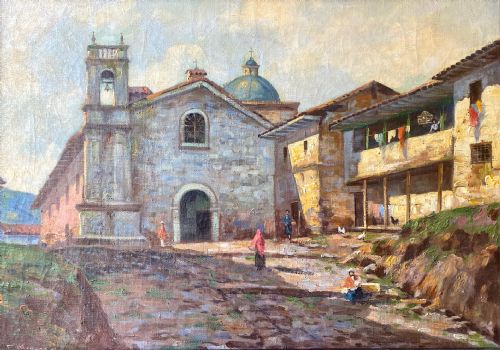
Vintage figure landscape artwork captures human activity set within natural or architectural environments, ranging from coastal beaches and woodland scenes to plazas and river banks. Buyers exploring this category encounter works spanning the nineteenth century through the mid-twentieth century, including Victorian pieces and later Impressionist interpretations.
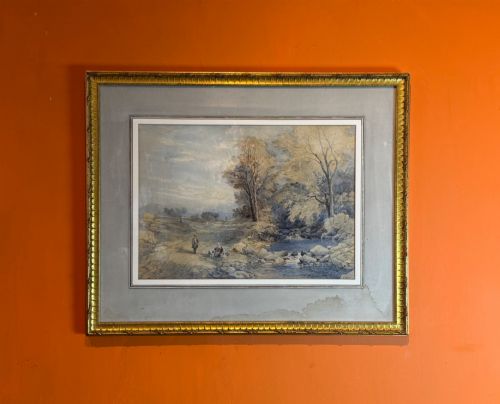
The selections on this page appear in various forms, predominantly oil paintings on canvas or wooden board alongside watercolours and mixed media drawings. Subjects include figures by cottages, travellers on paths, and groups near harbours executed by British, French, Italian, and Latin American artists.
How They Were Made
These works rely on traditional supports such as woven canvas, wooden panels, and paper, prepared to receive pigment. Artists applied oil paint, sometimes utilising thick impasto techniques, alongside watercolours and ink to build depth and texture within the scene.
Framing often incorporates gilt ornamentation around the stretched canvas or framed paper, protecting the delicate mediums while complementing the period aesthetic of the composition.
A solitary donkey occasionally shares the landscape with human travellers, lending rural charm to the composition.
What Varies in Quality
Quality rests in the handling of light, brushwork confidence, and the integration of the human figures into their surrounding landscape. Stronger examples demonstrate a sure command of proportion and atmosphere, whereas simpler works rely on more formulaic composition.
The distinction also lies in the expressiveness of the brushwork and the preservation of the original paint surface across canvas, wood, or paper supports.
Thomas W Lascelles·Robert John Hammond·David Roberts·Francisco Sancha·Christine Nesbit·Umberto Volpato·Henry de Waroquier·Florence Adelina Hess·Ronald Ossory Dunlop·Thomas Hicks·Margaret Maitland Howard·E A Minardo·John A Houston·George Turner·Thomas Rose Miles·Edward H Holder·Francis William Topham·Kershaw Schofield·Arthur Walker Redgate·Owen Bowen·Louis Smets·Alfred Graham·Frederick Bartman·Antoine Bouvard
The Vintage Figure Landscape Artwork Glossary
- Impressionism
- A nineteenth-century painting style focusing on accurate depiction of light and fleeting moments. Artists utilised visible brushstrokes and unblended colour.
- Impasto
- Paint applied thickly to a canvas or panel, standing out in relief from the plane. This technique adds tactile dimension and texture to the artwork.
- Medium
- The material used by the artist to create the work, such as oil paint, watercolour, or ink. It defines the physical nature of the piece.
- Provenance
- The documented history of ownership surrounding an artwork. It provides context and authenticity for the piece.
- Canvas
- Heavy woven fabric stretched across a wooden frame to serve as a foundation for oil and acrylic painting. It remains a primary support medium.
Vintage Figure Landscape Artwork: Frequently Asked Questions
What periods do these artworks cover?
These pieces date primarily from the nineteenth and twentieth centuries, capturing shifts in artistic style from Victorian Realism to Impressionism and Post-Impressionism.
Creators worked through periods spanning the late 1600s up to the mid-century modern era, reflecting changing European and international tastes.
What materials were used?
Artists utilised oil paint on canvas or wooden boards, alongside watercolours and ink on paper supports.
Many examples feature traditional gilt frames that enhance the presentation of the painted scene.
How should I care for these paintings?
Keep works away from direct sunlight and fluctuating humidity to protect the canvas, wood, or paper from degradation.
Dust gently with a dry, soft brush and avoid liquid cleaners on the painted surfaces.
How do I identify different styles?
Style identification depends on brushwork, treatment of light, and compositional focus, ranging from detailed Victorian scenes to looser Impressionist studies.
Comparing the handling of the figures against the landscape reveals the artistic movement of the period.