




Traditional Oriental Table Lamps
Traditional oriental table lamps bring distinct form and texture into a room, spanning periods from the nineteenth century to the early decades of the twentieth.
Traditional Oriental Table Lamps
Traditional oriental table lamps combine decorative Asian vessels and metalwork with fitted electrical elements. These pieces draw from styles such as Chinoiserie, Qing Dynasty, and Japanese Meiji period designs.
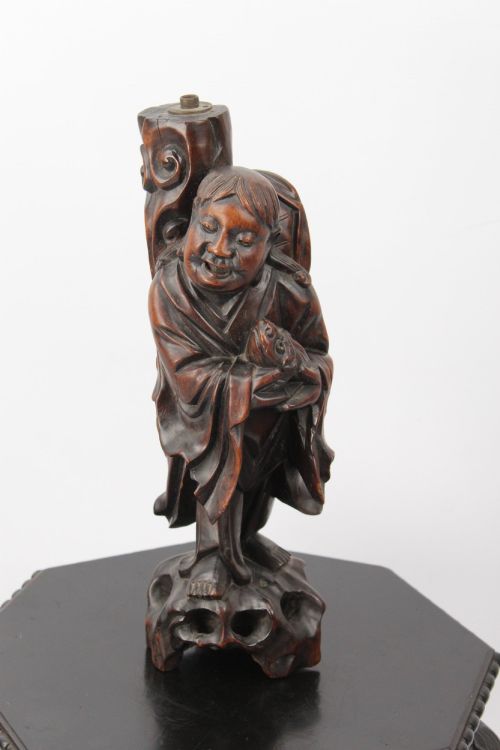
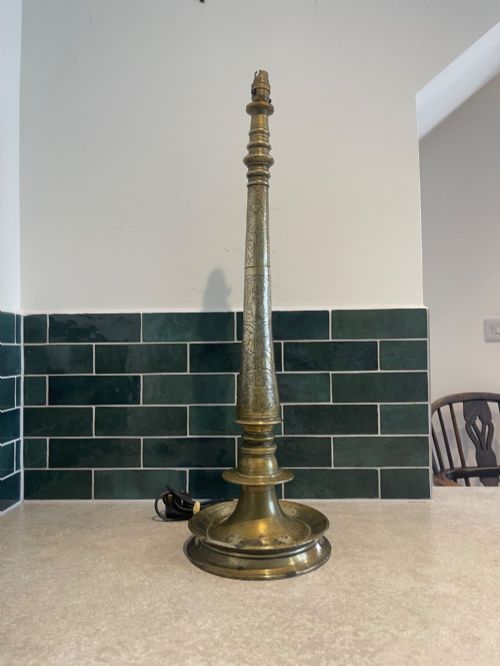
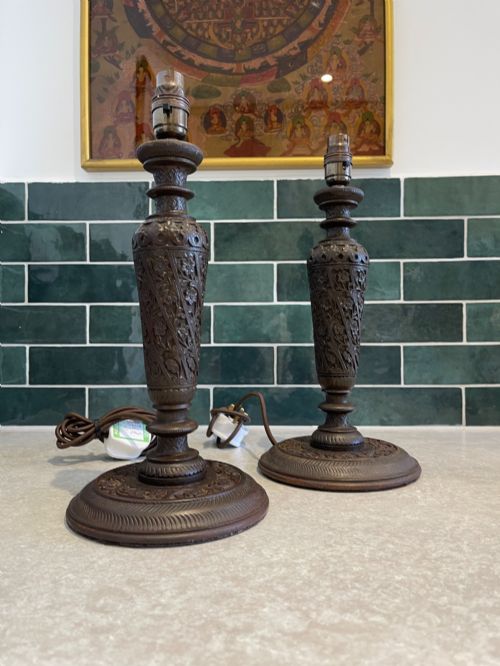
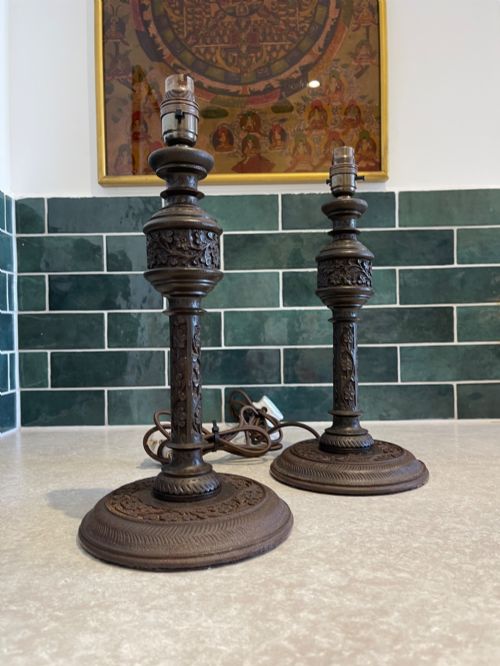
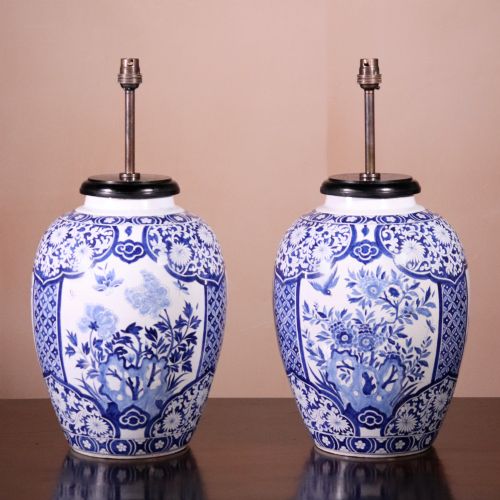
The most frequent form on this page involves converted porcelain vases, including blue and white jars, celadon vessels, and Satsuma or Kutani wares. Alongside these ceramic conversions, bronze, brass, and carved hardwood examples appear regularly.
Origins stretch across China, Japan, and India, with creations ranging from nineteenth-century export items to Edwardian interpretations. Many utilise vessels originally intended for other household functions before later adaptation into lighting.
How they were made
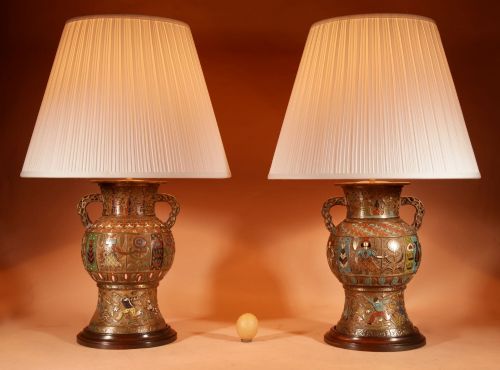
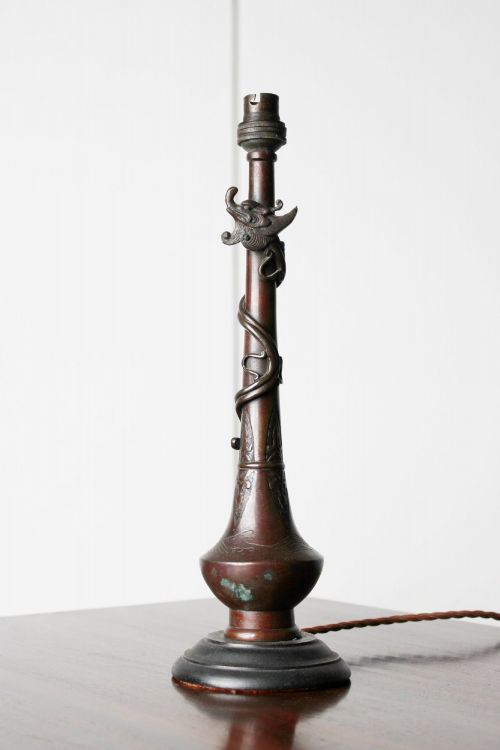
Construction relies upon heavy materials such as bronze, brass, hardwood, and porcelain, often paired with fabric or silk shades. Metal components utilise techniques like champlevé enamel and cloisonné decoration alongside cast bronze figures and brass bases.
Ceramic bodies feature hand-painted glazes, including famille rose, famille verte, and underglaze blue and white decoration. Wood elements involve elm and hardwood joinery, while lacquer and hand-painted finishes complete the surface work on various bases.
Elephants occasionally hold up the room quite literally, appearing as cast bronze lamp bases from the Meiji period.
What varies in quality
Quality rests upon the crispness of hand-painted ceramic details, the precision of bronze or brass casting, and the integrity of the original vessel. Pieces retaining original patination and finely detailed enamel work stand apart from simpler painted adaptations.
The harmony between the base object and its proportion dictates visual success, where well-executed conversions respect the balance of the underlying porcelain or metal form.
The Traditional Oriental Table Lamps Glossary
- Chinoiserie
- European interpretation and imitation of Chinese and East Asian artistic traditions. This style appears frequently in painted wooden and lacquered lamp bases.
- Cloisonné
- Enamelling technique where thin metal wires form compartments to hold coloured paste before firing. This method creates intricate patterned surfaces on metal lamp bodies.
- Famille Rose
- Chinese ceramic palette dominated by opaque pink or rose enamel colours, introduced during the Qing dynasty. Lamps utilising this decoration display delicate floral and figural scenes.
- Satsuma
- Japanese pottery type featuring a crackled creamy earthenware glaze decorated with enamels and gilt. These wares form distinct, highly ornate table lamps from the Meiji period.
- Imari
- Japanese export porcelain decorated in underglaze blue, iron red, and gold. Such pieces translate traditional colour schemes directly into striking lamp bases.
Traditional Oriental Table Lamps: Frequently Asked Questions
Are these lamps converted from older vases?
Many traditional oriental table lamps utilise historic vases, jars, and bronzes that were fitted for electricity at a later date. This practice preserves decorative vessels while adapting them for modern interior use.
Makers often selected sturdy ginger jars or vase forms from the nineteenth century, ensuring the resulting lamp retained its original artistic merit and weight.
How do I identify a Meiji period lamp?
Meiji period Japanese pieces date from 1868 to 1912 and frequently showcase exceptional bronze casting or detailed Satsuma porcelain. Look for intricate workmanship and distinct stylistic motifs from this era of Japanese craftsmanship.
Such lamps often feature marked or signed elements and heavy bronze components that reflect the high standards of nineteenth and early twentieth-century metalworkers.
What shades suit these lamp bases?
Fabric and silk shades complement the traditional textures of ceramic and bronze bases. The choice of shade typically balances the weight and colour palette of the underlying vessel.
Plain silk or neutral fabric options allow intricate blue and white or cloisonné patterns on the lamp body to remain the primary visual focus.
How do I care for antique lamp bases?
Dust ceramic and metal surfaces gently with a soft dry cloth to protect delicate painted details and patination. Avoid abrasive cleaners that might harm historic glazes or lacquered finishes.
Ensure electrical components are checked periodically by a professional to maintain safe operation alongside antique stands and vases.