
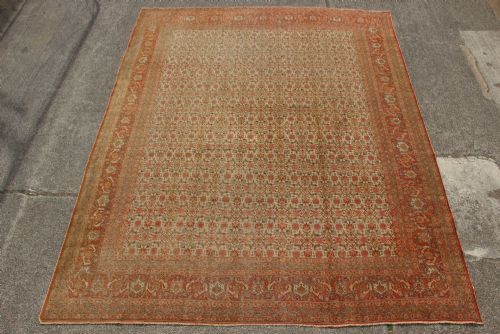
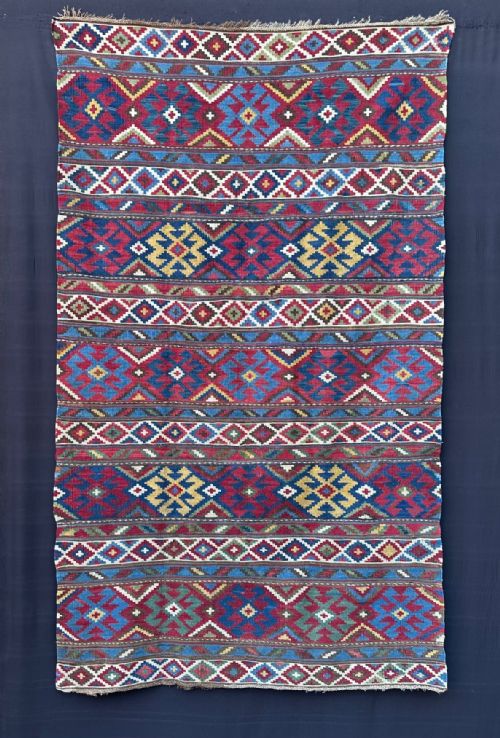





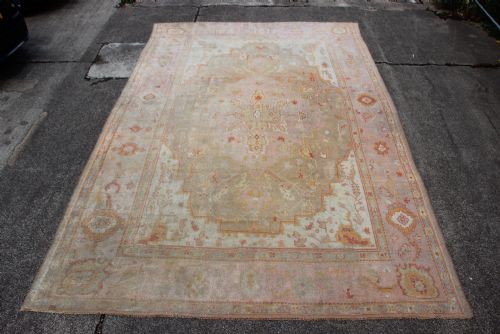
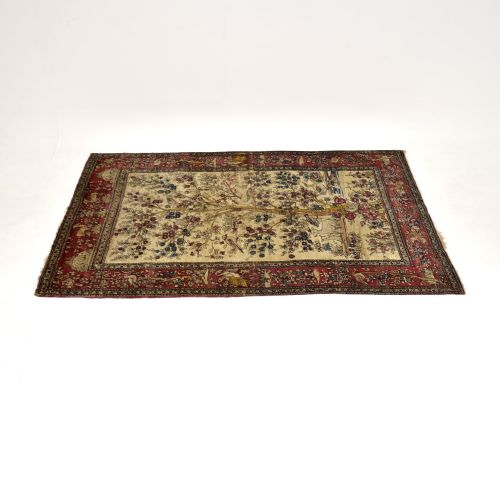
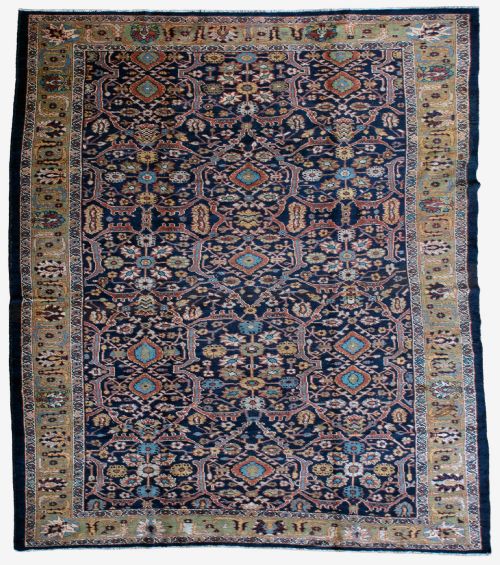
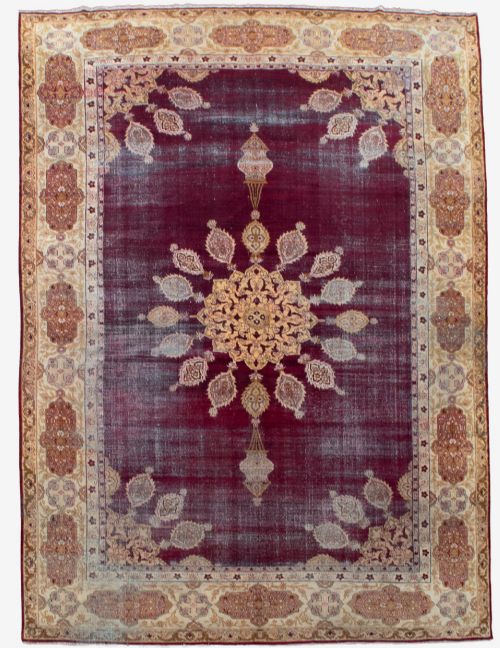
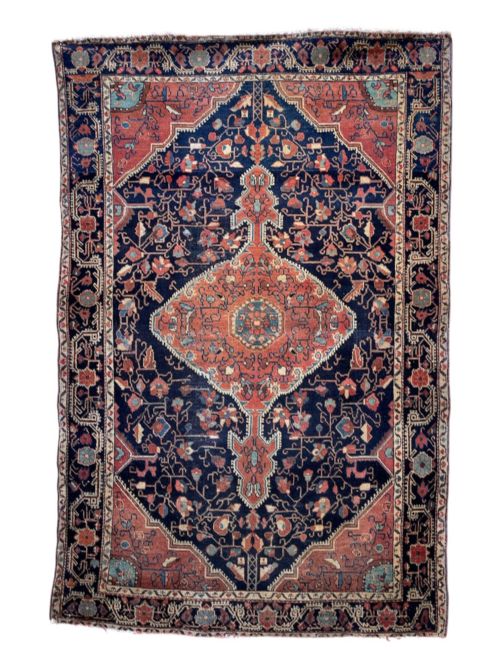
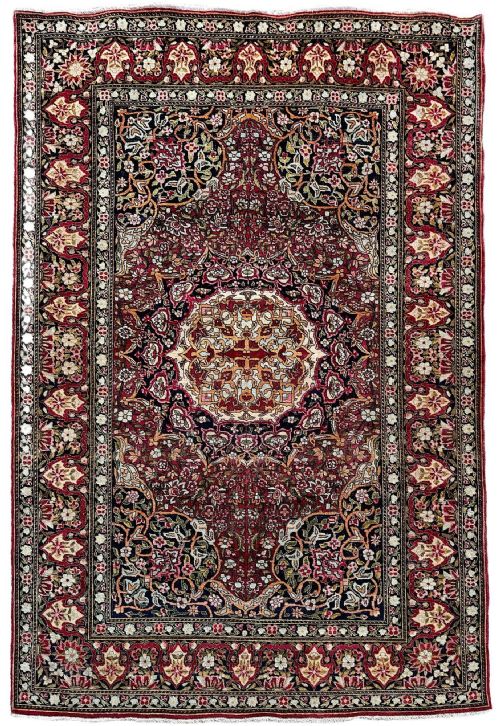
Traditional Oriental Area Carpet
A traditional oriental area carpet brings centuries of regional weaving heritage, rich wool texture and intricate geometric or floral motifs into a room.
Traditional Oriental Area Carpet
A traditional oriental area carpet encompasses hand-woven floor coverings originating from Persia, the Caucasus, Turkey, Turkmenistan and Tibet, spanning from the nineteenth century into the twentieth century. These textiles include large room-sized carpets, runners, hearth-sized mats and specific prayer rugs designed for domestic or regional use.
Buyers encountering this group will frequently find Persian village and city weaves such as Tabriz, Heriz, Saroukh, Kashan, Isfahan and Bidjar, alongside Caucasian tribal examples like Kazak and Shirvan. Turkmen pieces such as Yomut and Ersari main carpets also appear frequently alongside Tibetan rugs.
The formats range from expansive country house carpets exceeding five metres in length down to compact double mihrab prayer rugs and square formats. Regional designs define each piece, showing distinct patterns passed down through tribal and workshop traditions.
How they were made
Weavers constructed these traditional oriental area carpets primarily using hand-spun wool and cotton, occasionally incorporating silk highlights for specific decorative emphasis. Natural dyes supplied the durable colour palettes seen across the nineteenth and early twentieth centuries.
The foundation structures rely on hand-knotted pile techniques worked onto sturdy cotton or wool warp and weft threads. Tribal weavers often utilised asymmetric or symmetric knotting methods depending on their specific regional affiliation, creating dense, resilient surfaces meant to withstand decades of heavy use.
Listings feature traditional oriental area carpets dated from the early nineteenth century through to the 1930s, utilising wool, cotton, silk and natural dyes.
What varies in quality
The quality of a traditional oriental area carpet rests on the fineness of the knot density and the precision of the drawing within the field and border. Tighter knotting allows for sharper delineation of intricate medallion designs, geometric guls and floral motifs.
The purity and depth of the natural dyes used in the wool determine the richness of the visual field as the textile ages. Subtle variations in tone, often called abrash, arise from hand-dyed wool batches and contribute to the character of the surface.
The Traditional Oriental Area Carpet Glossary
- Mihrab
- A niche design found on prayer rugs, representing the direction of prayer towards Mecca. It often forms a pointed arch shape at one or both ends of the rug.
- Gul
- A medallion or repeating octagonal motif used extensively in Turkmen and Central Asian tribal carpets. It serves as a tribal crest or identifying badge for specific groups.
- Warp
- The vertical threads stretched tightly on the loom before knotting begins. The fringe of the rug is typically formed by the extending ends of these foundation threads.
- Weft
- The horizontal threads passed across the warp threads between rows of knots to bind the structure together. It secures the pile firmly within the foundation.
- Abrash
- A natural variation in colour tone caused by changes in dye lots or wool batches during the hand-dyeing process. It creates subtle horizontal bands of shading across the field.
Traditional Oriental Area Carpet: Frequently Asked Questions
How do I clean a wool carpet?
Professional specialist cleaning is essential for antique knotted textiles to prevent dye migration and fibre damage. Regular gentle suction vacuuming without a beater bar removes surface dirt.
Avoid harsh chemical treatments or excessive water immersion, which weaken the historical foundation threads and alter the natural lanolin content in the wool.
Where were these rugs made?
These textiles originate from diverse regions spanning Persia, the Caucasus, Turkey, Central Asia and Tibet. Each area developed distinct weaving traditions using local materials and characteristic motifs.
Workshop centres like Tabriz and Isfahan produced refined court designs, whilst nomadic and village groups in regions such as Shirvan, Kazak and Turkmenistan created bold geometric tribal compositions.
How can I tell regions apart?
Distinguishing regional origins relies on examining the specific palette, border arrangements, knotting structure and primary motifs. Caucasian pieces frequently display strong primary colours and crisp geometric polygons.
Persian carpets tend towards flowing floral arabesques, central medallions and intricate vine scrolls, whereas Turkmen rugs are easily recognised by deep red grounds and repeating octagonal guls.
Are these rugs suitable for high traffic?
Traditional oriental area carpets woven with sturdy hand-spun wool and dense pile construction possess high durability for domestic environments. Proper underlay helps absorb foot impact and reduces wear.
Placing large room-sized carpets in living spaces or hallways distributes foot traffic evenly across the foundation, protecting the historic wool fibres over time.