

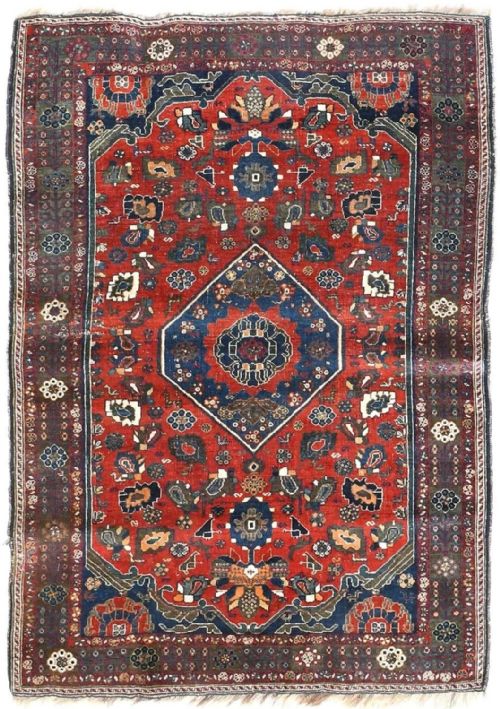
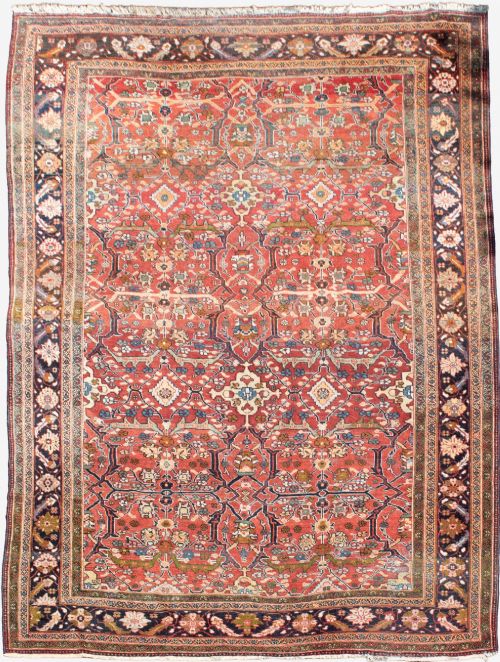
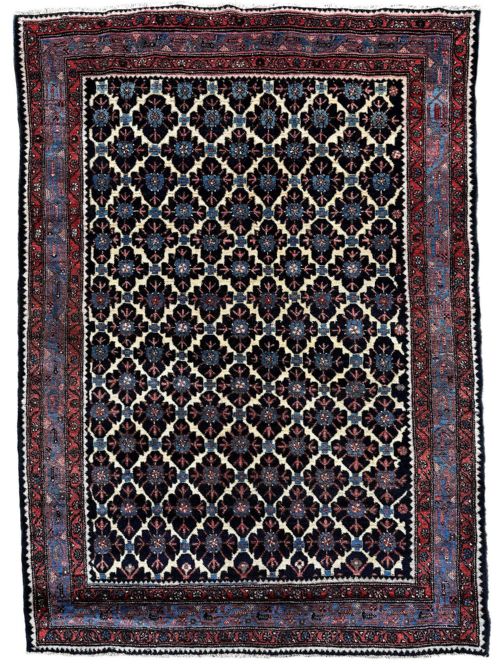
Handwoven Persian Floor Rug
A handwoven persian floor rug brings genuine textile history into a room, shaped by village traditions and regional knotting techniques.
Handwoven Persian Floor Rug
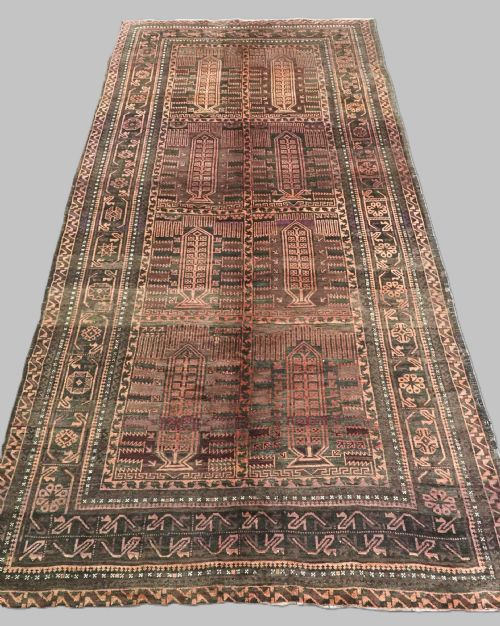
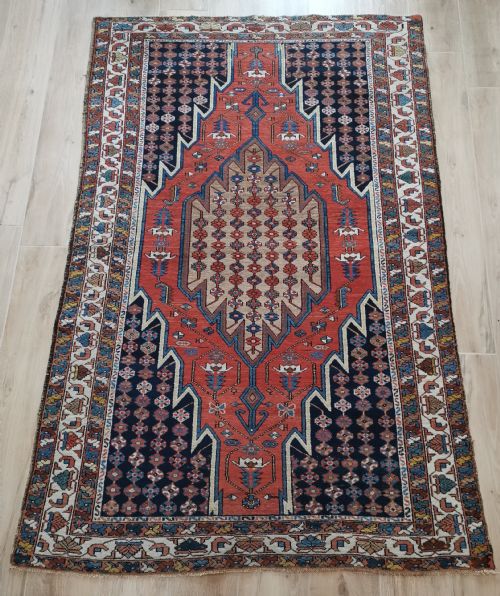
When you search for a handwoven persian floor rug, you encounter knotted wool and cotton textiles originating from villages and urban workshops across Persia and neighbouring regions. These pieces include large room-size carpets, smaller rugs, square formats, and long runners designed for hallways and corridors.
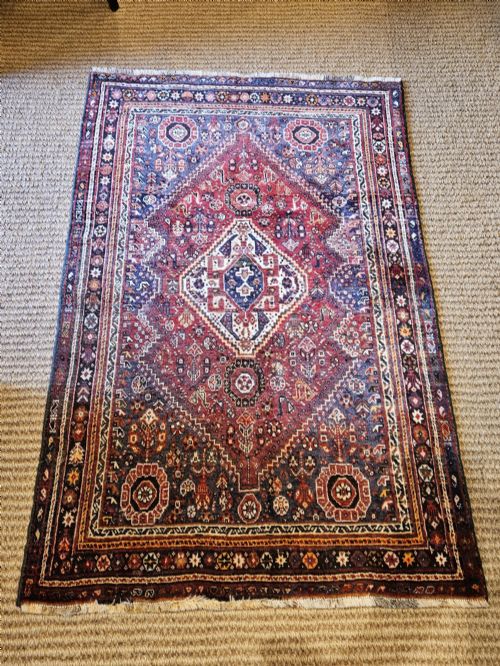
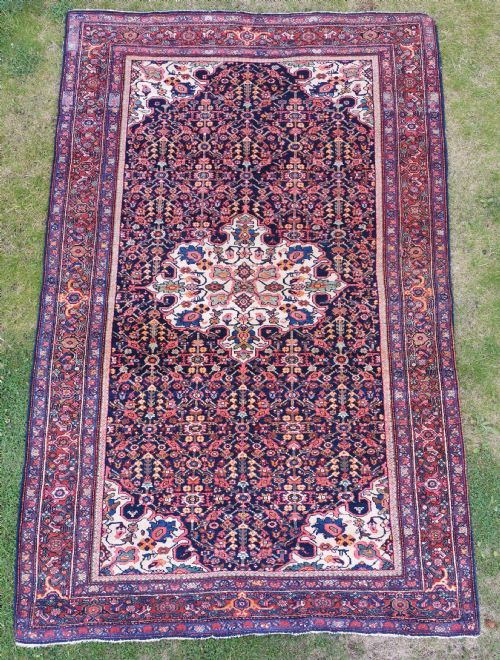
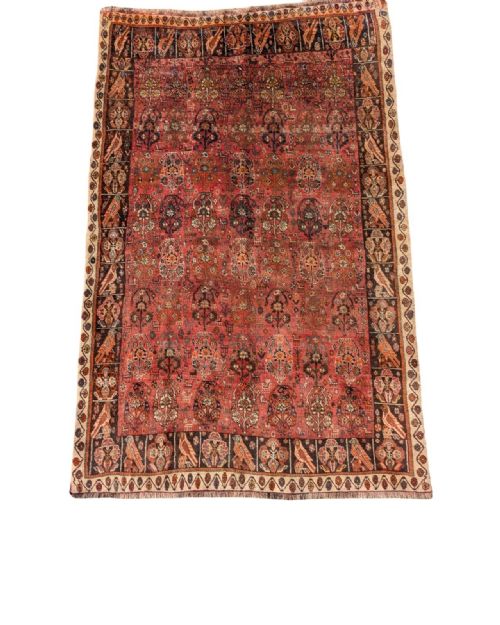
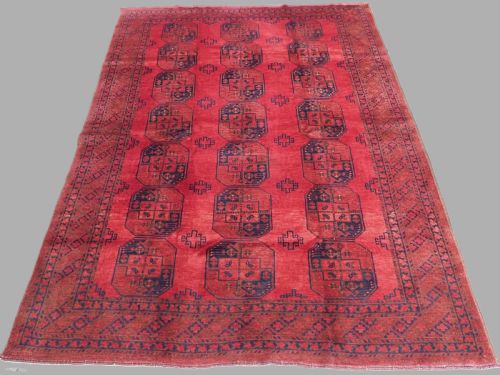
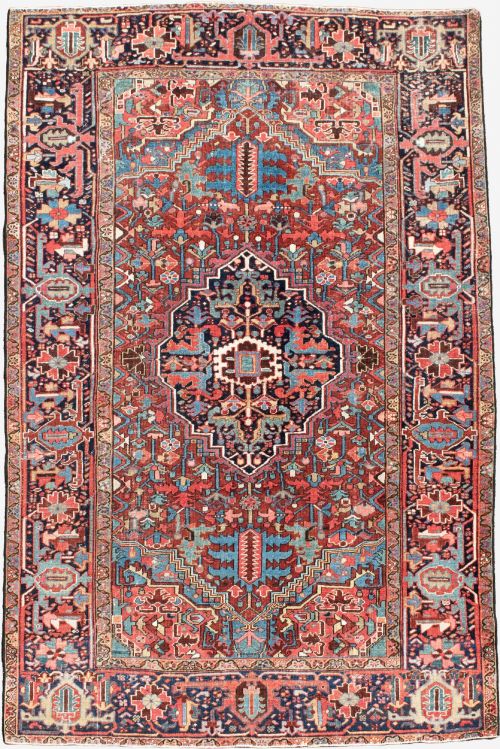
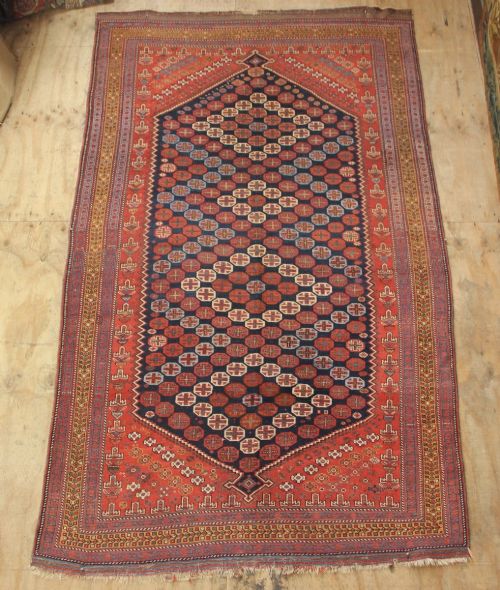
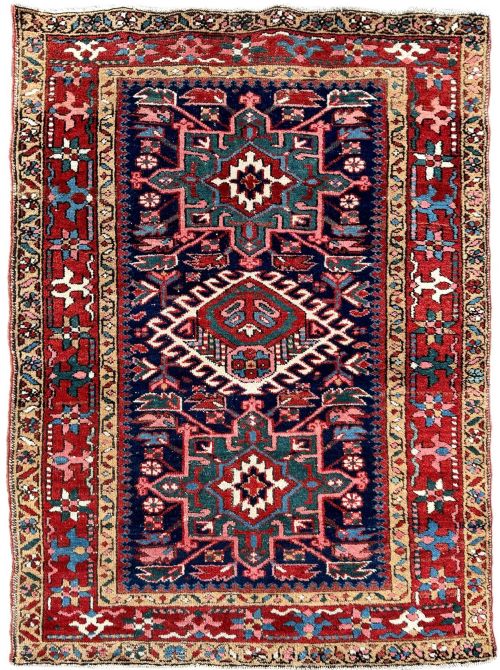
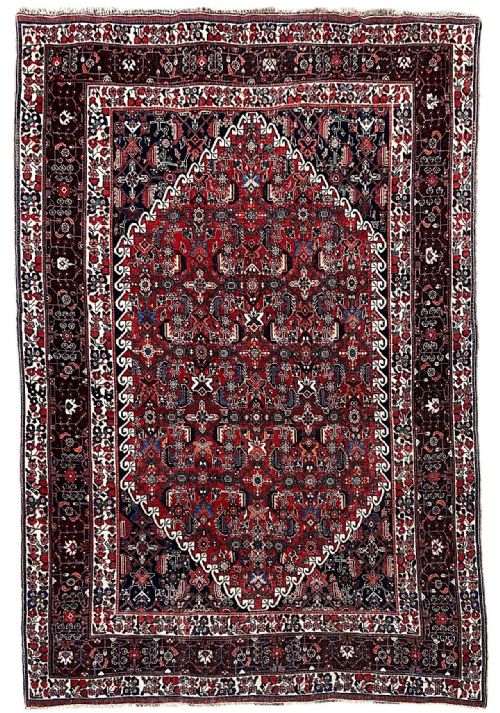
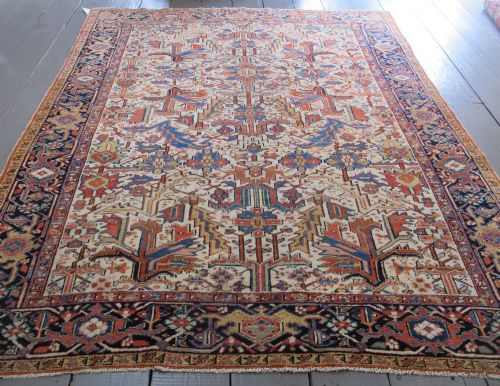
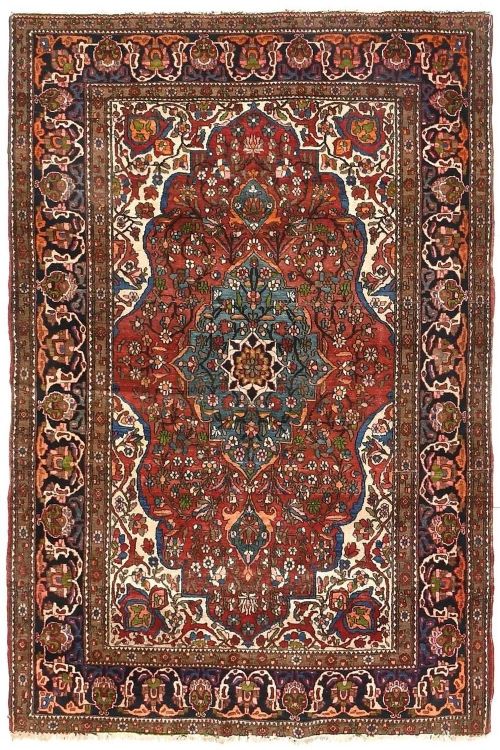
The selection on this page spans distinct weaving traditions such as Heriz, Afshar, Kashan, Hamadan, and Bakhtiar. Pieces range from city workshops producing detailed floral compositions to tribal weavers creating geometric motifs from memory.
Most examples date from the late nineteenth century through to the mid-twentieth century, offering lived-in patination and traditional vegetable or early synthetic dyes. Buyers find everything from compact scatter rugs to substantial carpets suitable for grounding a major interior scheme.
How they were made
Makers constructed each handwoven persian floor rug using a vertical loom, tying individual wool or silk knots onto a foundational warp and weft of cotton or wool. This dense knotting determines the structural integrity and durability of the textile.
Weavers relied on hand-spun wool dyed with natural substances derived from plants and minerals, creating rich variations in tone across the field known as abrash. Artisans beat the rows of knots down firmly with a heavy comb, locking the pile into a solid cloth.
Some tribal weavers accidentally wove small stray animal motifs or stray handprints into the geometric fields of their carpets.
What varies in quality
The distinction between standard examples and finer works lies in the precision of the knot density and the crispness of the drawn motif. Finer knotting allows intricate curvilinear medallion designs to appear sharp and resolved, whereas coarser village pieces embrace bolder, simplified geometry.
Material choice also dictates quality, with fine hand-spun wool and occasional silk highlights offering a softer handle and greater lustre. The consistency of the dye saturation and the balance of the border proportions reveal the weaver's deliberate skill.
Saroq·Heriz·Afshar·Kashan·Hamadan
The Handwoven Persian Floor Rug Glossary
- Abrash
- Natural colour variation within a field of dye, caused by different dye batches or changes in wool lots. This subtle horizontal banding is a hallmark of traditional hand dyeing.
- Warp
- The vertical foundation threads stretched lengthwise on the loom before knotting begins. Fringe ends typically emerge from these structural threads.
- Weft
- The horizontal threads passed back and forth between warp threads to bind the knots in place. They dictate the firmness of the rug body.
- Medallion
- A large central ornamental design motif placed in the middle of the rug field. Many classic regional styles feature this balanced geometric or floral focus.
- Kelleh
- A long, narrow format carpet traditionally used in Middle Eastern domestic architecture. These room-length proportions fit specific architectural layouts.
Handwoven Persian Floor Rug: Frequently Asked Questions
How do I clean an old rug?
Maintenance requires gentle surface vacuuming without the rotating brush bar engaged, avoiding the delicate fringe entirely. Professional textile cleaning is necessary for deep washing to protect the natural wool pile.
Water exposure should be kept minimal to prevent dye migration. Specialist care preserves the integrity of the foundation fibres and maintains the natural lanolin within the wool.
Can these rugs handle heavy traffic?
Traditional wool pile construction provides natural durability that withstands regular walking in hallways and living spaces. Dense knotting absorbs pressure and protects the foundational cotton structure underneath.
Placing an appropriate underlay beneath the textile prevents slipping and reduces friction against hard flooring. This simple step extends the working life of older room-size carpets.
How do I identify a village rug?
Village and tribal pieces typically display geometric patterns, stylized animals, and repeating tribal motifs woven from memory rather than precise cartoons. These designs often feature charming irregularities and spontaneous colour changes across the field.
Urban workshop pieces contrast with this by presenting formal, perfectly symmetrical floral medallions. Regional traits in border designs help narrow down the specific province of origin.