
Traditional Oil Portrait Art
Traditional oil portrait art captures subjects across centuries on canvas and panel using oil paint.
Traditional Oil Portrait Art
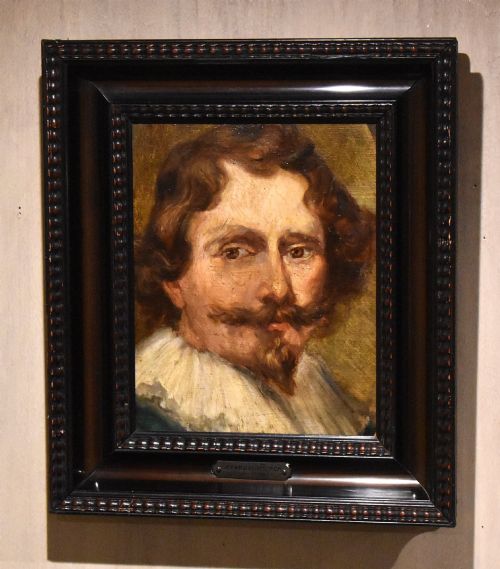
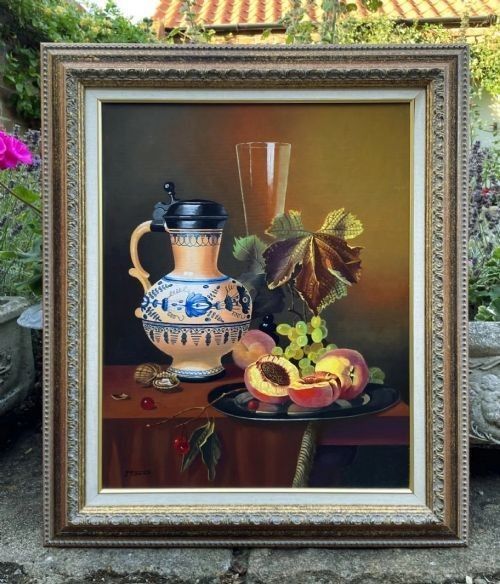
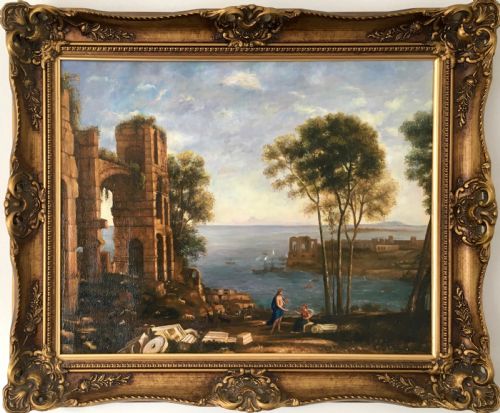
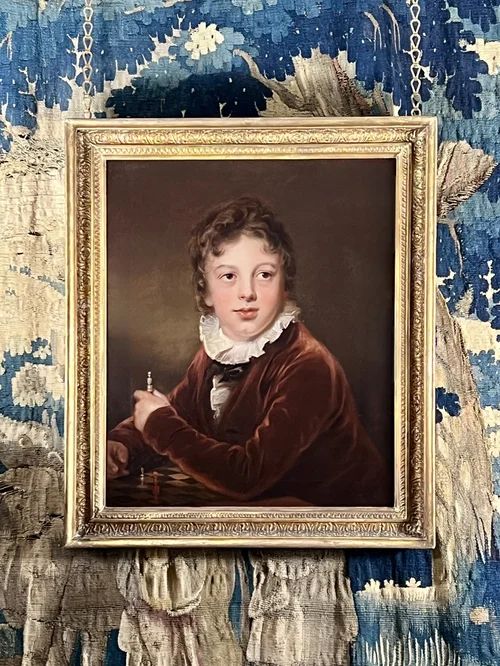
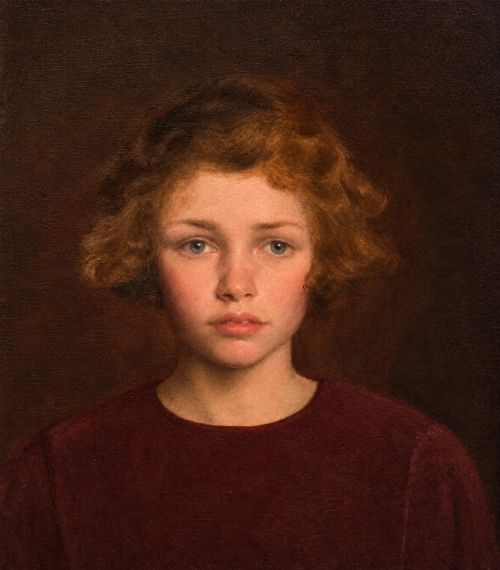
Traditional oil portrait art encompasses painted likenesses of individuals, animals, and historical subjects produced across the Georgian, Victorian, and Edwardian periods. Buyers searching this phrase encounter works executed in oil on canvas, oil on board, and panel by various British and European schools.
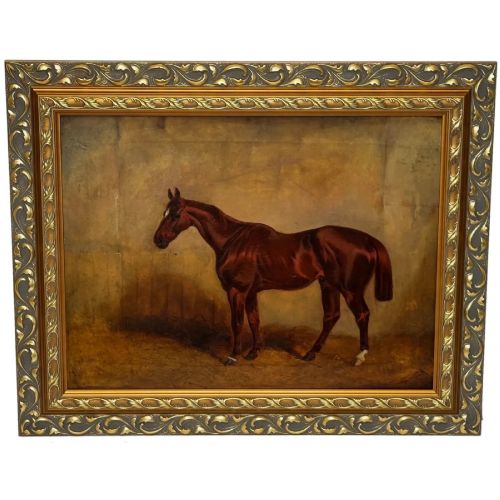
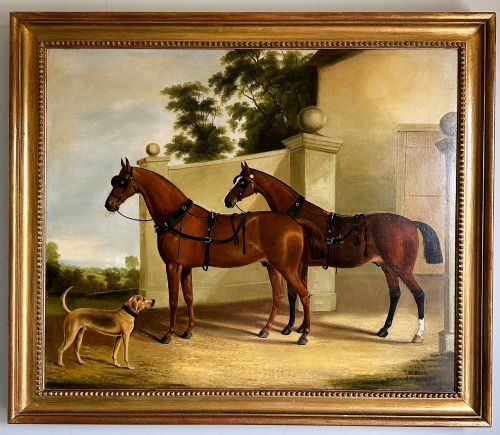
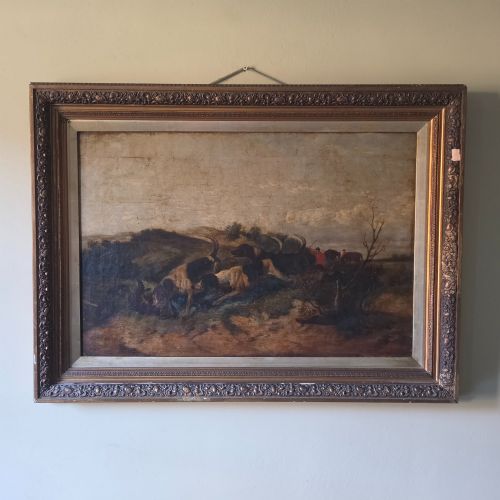
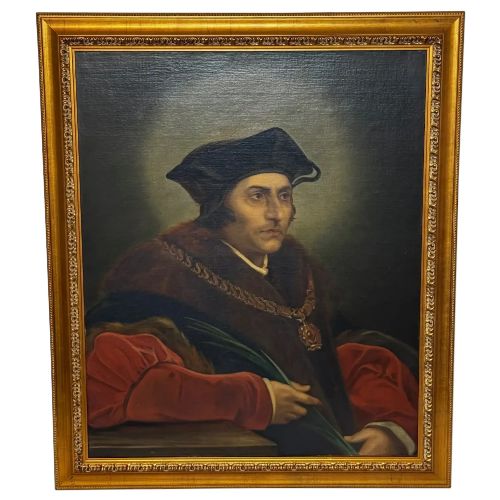
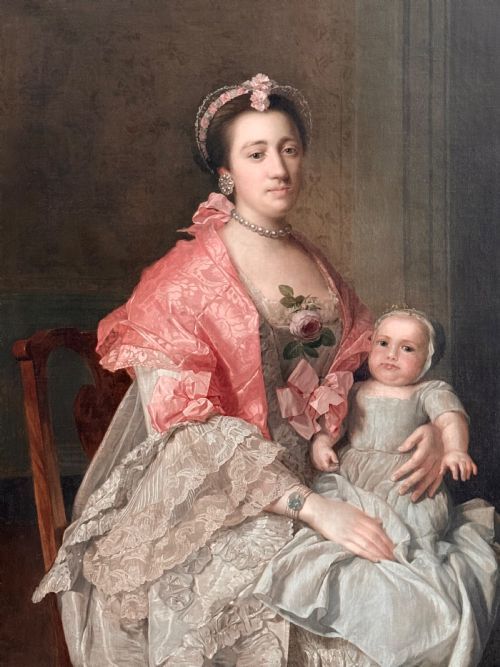
The most common pieces on this page span the nineteenth and eighteenth centuries, ranging from depictions of noblewomen and military officers to domestic animals and sporting subjects. These paintings often arrive housed in period frames constructed from giltwood, gesso, and gold leaf.
Materials and construction methods
These works rely on oil paint applied to woven canvas supports or wooden panels, utilising mediums that allow for gradual blending and rich tonal depth. Artists built compositions through multiple layers, beginning with priming grounds before laying down pigment.
Frames play a structural and aesthetic role, frequently formed of carved wood finished with gesso and gold leaf or giltwood highlights. The interaction between the oil medium and the support underpins the survival of these canvases across centuries.
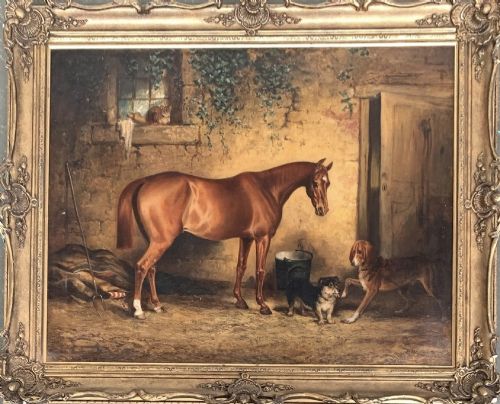
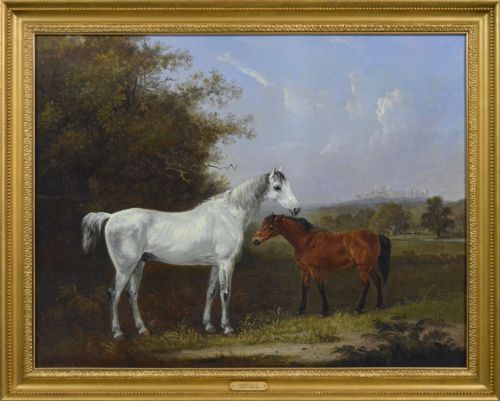
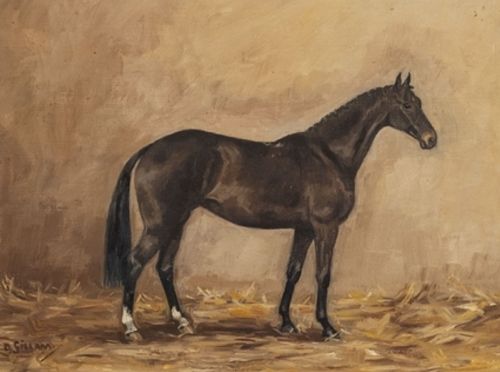
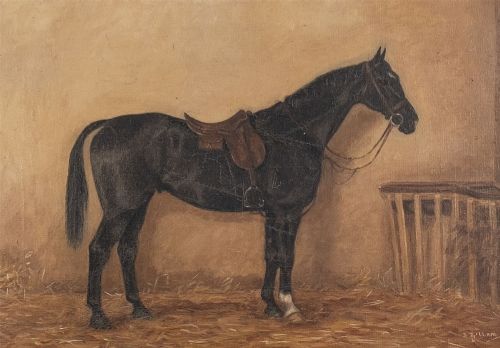
Several portraits preserve the likenesses of distinguished horses, prize cattle, and racing pigeons alongside human subjects.
Factors of artistic quality
Quality rests in the precision of the brushwork, the anatomical accuracy of figures or animals, and the psychological depth captured in the sitter's expression. Superior works demonstrate confident handling of light, shadow, and fabric textures by the artist.
The integrity of the original surface, stability of the canvas or panel, and the preservation of the framing elements distinguish finer examples. Works attributed to named artists or established regional schools generally reflect higher academic training and compositional skill.
John Hayls·William Oliver·Jozsef Molnar·George Willison·Albert Clark·Howard Helmick
The Traditional Oil Portrait Art Glossary
- Oil on Canvas
- A traditional painting method where pigments suspended in drying oil are applied to a stretched fabric support. This combination provides flexibility and long-term durability for the finished artwork.
- Giltwood
- Wood that has been decorated with a thin layer of gold leaf or powder. It frequently appears on nineteenth-century and Georgian frames associated with fine paintings.
- Gesso
- A plaster-like mixture used as a base coat on wooden panels or frames before gilding or painting. It creates a smooth surface for subsequent layers of decoration.
- Panel Painting
- A flat piece of wood used as a support for oil paintings rather than stretched canvas. Panels were widely utilised in earlier periods and certain nineteenth-century revivals.
- British School
- A designation for artworks produced by artists working in Britain or following British artistic traditions during a specific era. It groups together works of shared national stylistic heritage.
Traditional Oil Portrait Art: Frequently Asked Questions
How do I date an oil portrait?
Dating relies on stylistic clues such as the sitter's costume, hairstyle, and the construction methods of the canvas or panel. Examining framing materials and any inscriptions on the reverse also helps establish the era.
Comparative analysis with documented works by specific schools or named painters narrows the timeframe further. Pigment testing and canvas weave analysis provide additional scientific verification for older pieces.
What is the difference between canvas and panel?
Canvas consists of woven fabric stretched over a wooden frame, offering a flexible surface that reacts to environmental humidity. Panels are rigid wooden supports that provide a firm, stable base for detailed brushwork.
Panels tend to appear more frequently in earlier works and specific regional traditions, while canvas became the dominant support from the seventeenth century onward.
How should I care for an antique oil painting?
Keep paintings away from direct sunlight, extreme temperature fluctuations, and high humidity to prevent cracking of the oil paint and warping of the support. Stable environmental conditions preserve the integrity of both the canvas and the frame.
Dust the surface gently with a soft, dry brush and avoid using chemical cleaning agents or water on the paint layer. Professional conservation is recommended for any structural repairs or cleaning.
Why do some portraits feature animals?
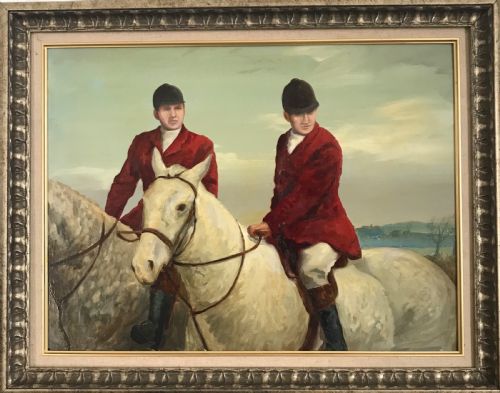
Portraits including animals often reflected the status, occupations, or personal interests of the sitters, such as landowners, equestrians, or hunters. Sporting art and pet portraits formed a distinct genre within nineteenth-century painting.
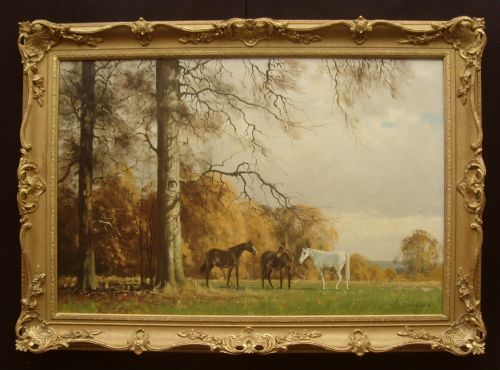
Animals were also painted as standalone subjects, celebrating prized livestock, racehorses, or working dogs. These compositions highlighted the agricultural and sporting achievements of the period.