


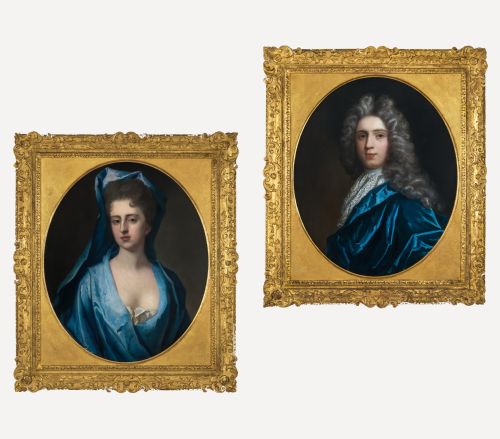
Antique Paired Wall Art
Antique paired wall art brings balanced symmetry and narrative depth to interiors through matching compositions created across centuries.
Antique Paired Wall Art
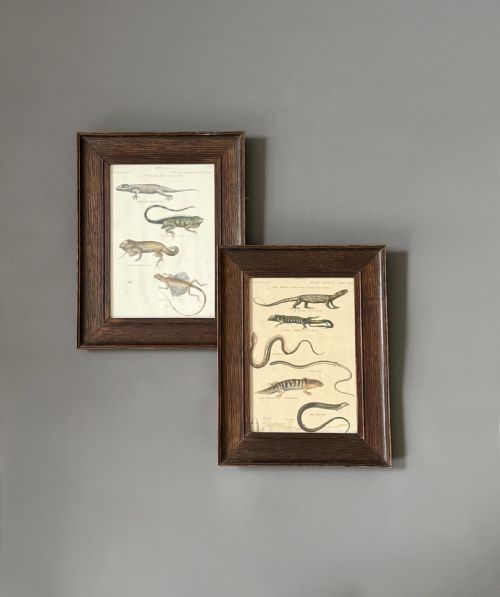
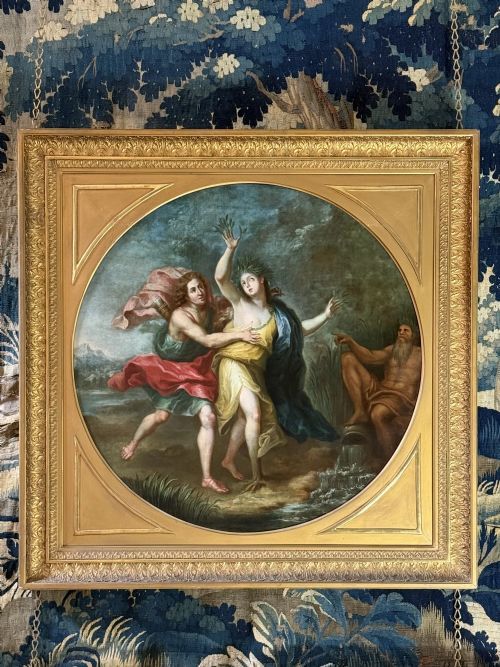
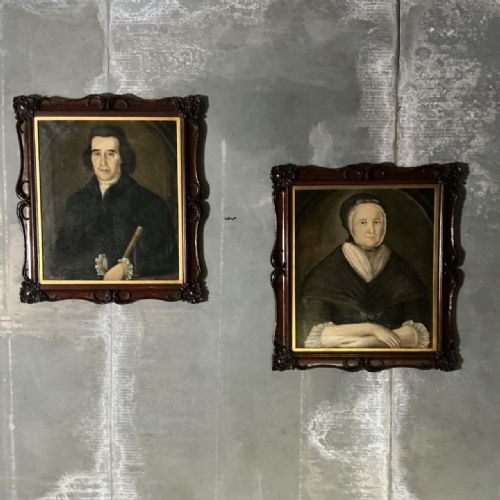
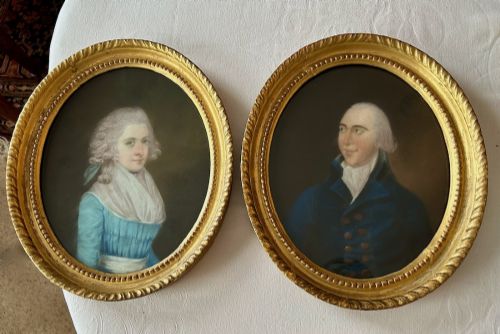
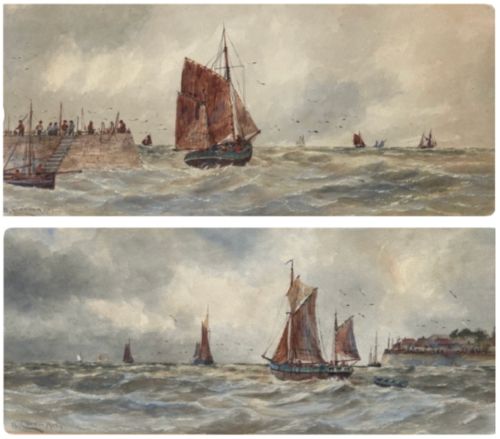
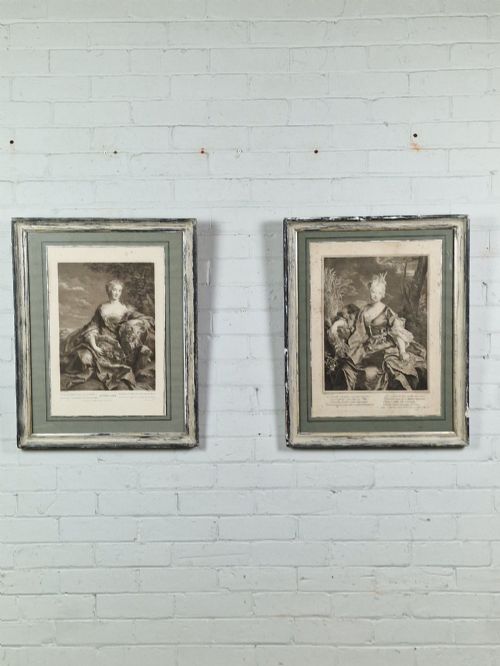
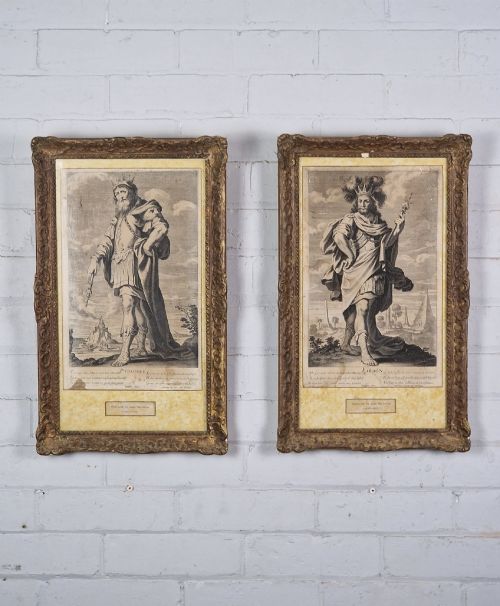
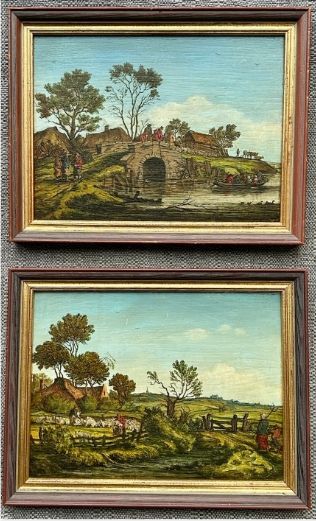
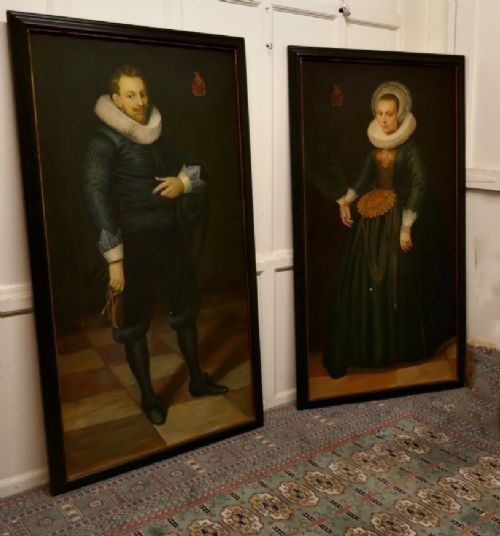
When searching for antique paired wall art, buyers encounter matching sets of two decorative works designed to hang together, spanning oil paintings, watercolours, engravings, and pastel portraits. These symmetrical arrangements frequently originate from the eighteenth and nineteenth centuries, reflecting period tastes for balanced interior decoration.
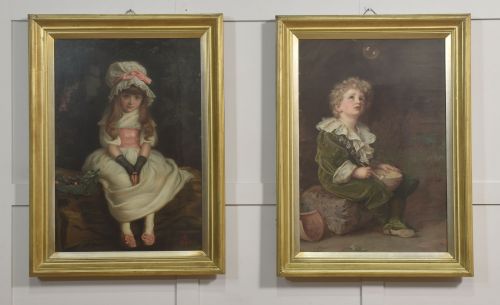
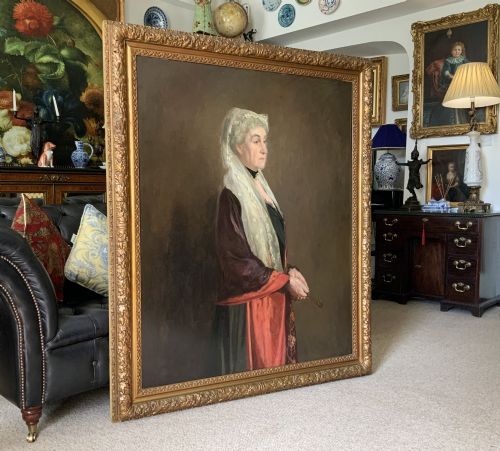
The selections on this page are most commonly met in the form of framed portraits, botanical studies, landscape views, and classical subjects. These pieces demonstrate how artists and makers created dual compositions intended to complement domestic spaces through matching frames and harmonious subject matter.
The material forms range from canvas and paper housed behind glass to carved wooden panels and relief intaglios. Each pair preserves historical techniques of framing and presentation, offering matching visual statements suited for symmetrical wall placement.
Materials and construction methods
Makers utilised traditional supports such as canvas, wood panels, and heavy paper, applying oil pigments, watercolours, pastels, or printing inks by hand. These materials were frequently encased in bespoke timber frames, sometimes finished with gold leaf, giltwood, or rosewood.
Engravings and prints relied on etched plates and detailed press work, while paintings employed layered oils and varnishes over primed linen or board. Structural elements often included hand-carved mouldings and fitted glass panels to protect delicate paper surfaces.
Listings include works from the seventeenth century through to the 1960s, employing glass, wood, canvas, and gold leaf.
Factors that distinguish quality
The standard of execution in drawing, brushwork, or plate printing dictates the visual strength of each piece in the pair. Finer examples maintain crisp detail in facial expressions, botanical accuracy, or architectural lines without muddy transitions.
The preservation of original matching frames and uncompromised backing materials contributes significantly to the integrity of the set. Discrepancies in surface wear, fading, or replacement frames diminish the visual harmony expected from paired works.
Charles Antoine Coypel·Jean Mariette·Emily Eyres·W Klombeck·Hokusai·Michael Dahl·Thomas Murray·B Nash·W.A.S. Benson·Thomas Frye·Richard Purcell·Robert A Nottingham·Adam Buck
The Antique Paired Wall Art Glossary
- Mezzotint
- A printmaking process of the intaglio family where the plate is roughened to produce dark tones and scraped to create highlights. It allows for subtle tonal gradations particularly suited to portraiture.
- Intaglio
- A design carved into the surface of a material such as plaster, gypsum, or stone. Grand Tour examples often captured classical cameos and relief sculptures for collectors.
- Pastel
- A medium consisting of powdered pigment combined with a binder and shaped into sticks. Applied to paper, it creates a velvety texture with luminous colour depth.
- Giltwood
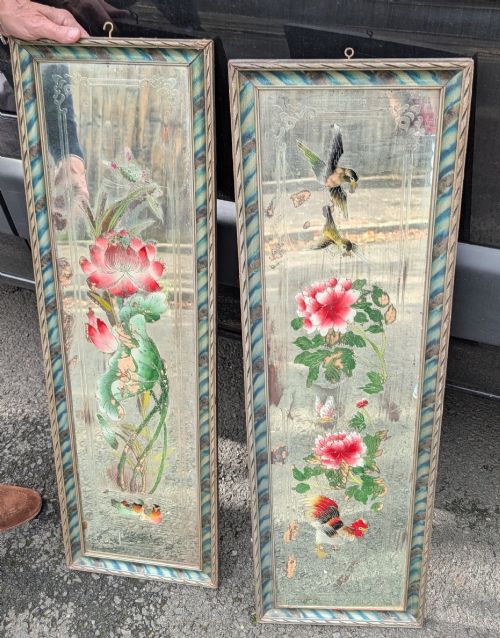
- Wood that has been coated with a thin layer of gold leaf or gesso and gold paint. It provides reflective decorative borders for mirrors and fine art frames.
- Woodblock
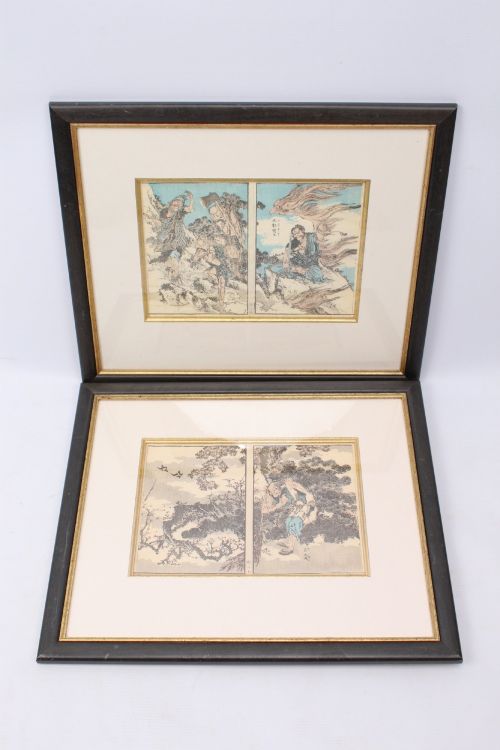
- A relief printing technique where an image is carved into a block of wood, inked, and transferred to paper. This method underpins traditional Japanese printmaking.
Antique Paired Wall Art: Frequently Asked Questions
How should paired art be hung on a wall?
Matched pairs look best when hung at eye level with consistent spacing between them to maintain visual balance. Aligning the centre points of both frames ensures they read as a cohesive single installation rather than isolated items.
Consider the surrounding furniture proportions, placing the pair above a mantelpiece, sideboard, or console table to anchor them within the room's architecture.
Are these works always created by the same artist?
Most paired works originate from the same hand or workshop to ensure stylistic and compositional harmony. Publishers also released prints simultaneously as matching editions to meet domestic demand for symmetry.
Occasionally, decorative pairings were assembled later by collectors who matched works of identical period, size, and framing style.
How do I protect works on paper from light damage?
Paper works, watercolours, and engravings benefit from placement away from direct sunlight and intense artificial illumination. Utilising UV-filtering glass during framing helps prevent the fading of pigments and discolouration of historical paper supports.
Maintaining stable indoor humidity levels also protects fragile paper and wooden frames from warping or developing foxing spots over time.
What defines a Grand Tour intaglio pair?
Grand Tour intaglios are collection panels featuring casts of classical sculptures, gems, and archaeological finds made during travels through Europe in the eighteenth and nineteenth centuries. They were typically mounted in pairs within custom frames for display in home studies.
These plaster or gypsum casts preserved classical motifs for scholars and travellers before photography documented museum collections.