
Victorian Country Landscape Oil
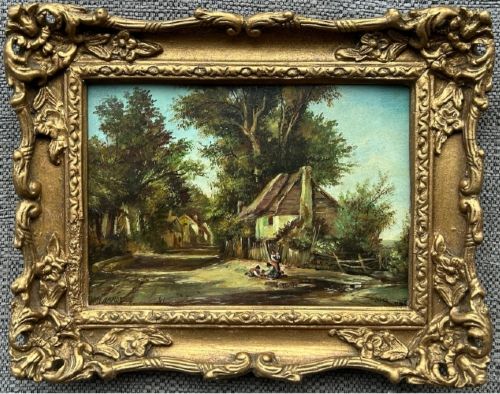
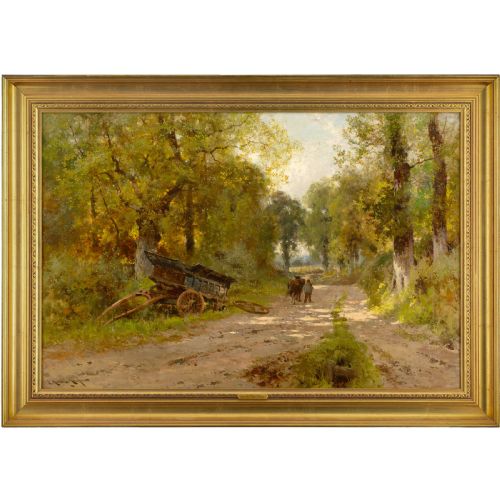
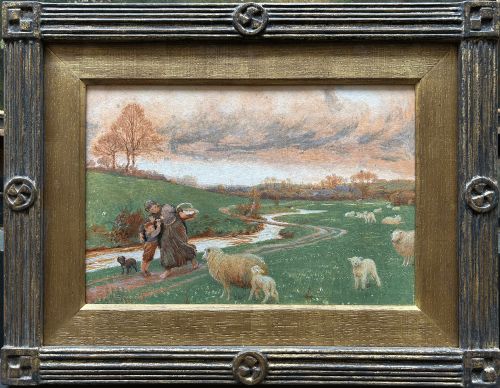
A victorian country landscape oil brings the rolling fields, rivers, and pastoral life of the nineteenth century directly onto the wall.
Victorian Country Landscape Oil
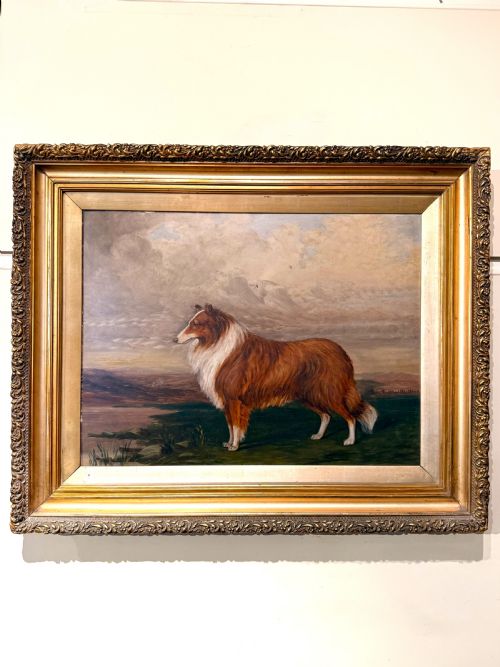
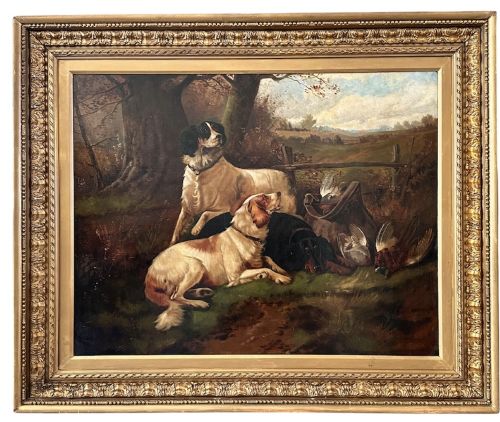
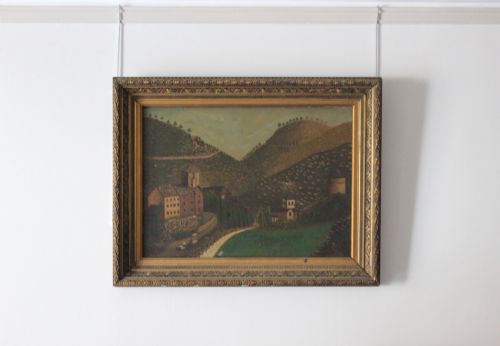
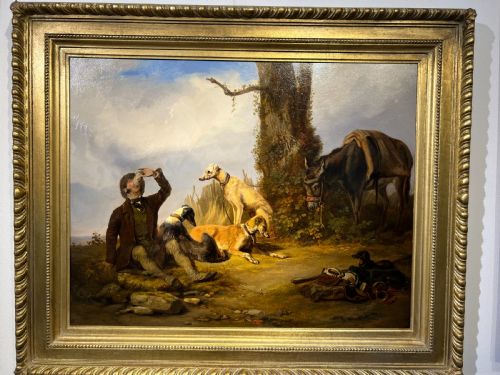
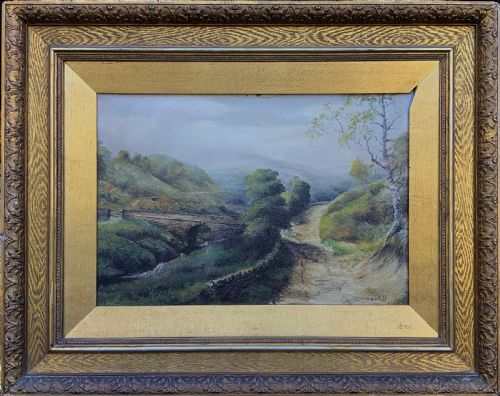
When you search for a victorian country landscape oil, you encounter framed fine art paintings depicting rural scenes, farmland, and pastoral views across the nineteenth century.
The versions most commonly met on this page include oil on canvas and oil on board works created by British and European artists working during the Victorian era.
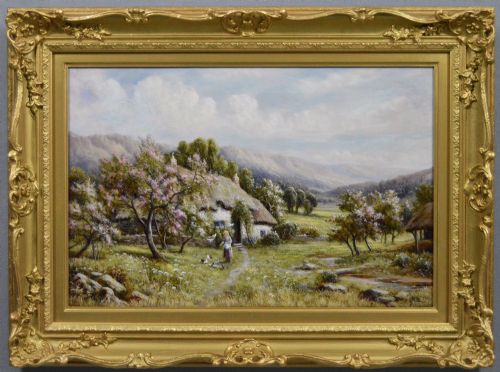
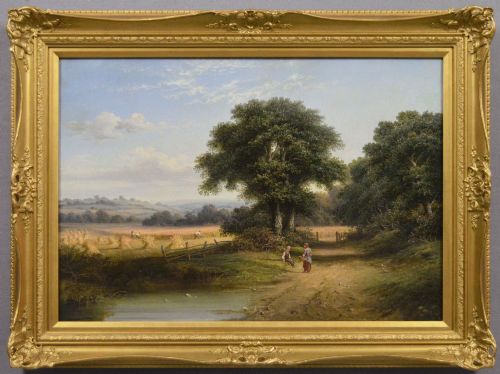
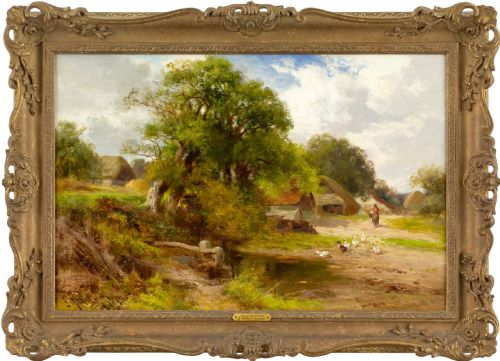
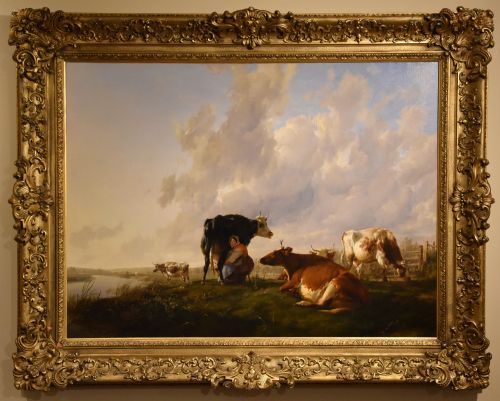
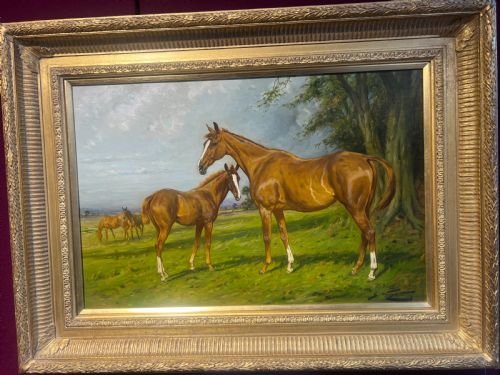
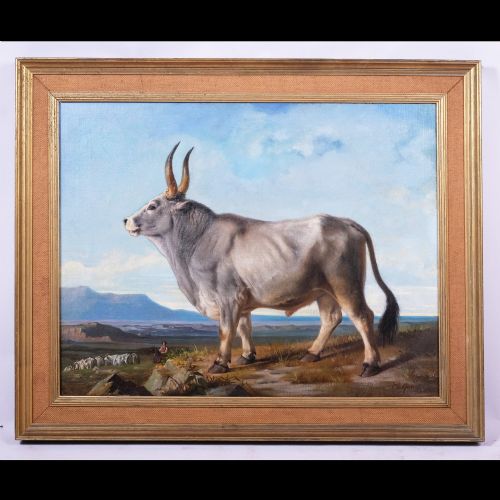
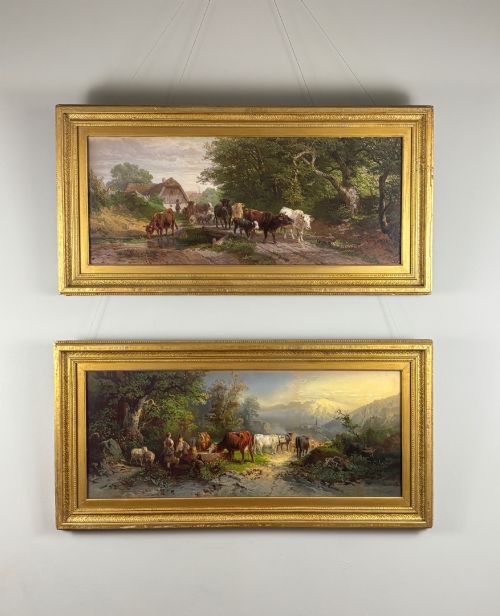
These pieces frequently portray figures outside cottages, harvest fields, livestock near streams, and quiet countryside vistas framed in giltwood or gesso.
What Varies in Quality
The distinction between ordinary and exceptional works rests upon the confidence of the brushwork, the handling of natural light, and the anatomical accuracy of figures and animals.
Condition plays a role, with surviving canvases retaining their original stretcher bars, stable paint layers, and period frames commanding greater attention from collectors.
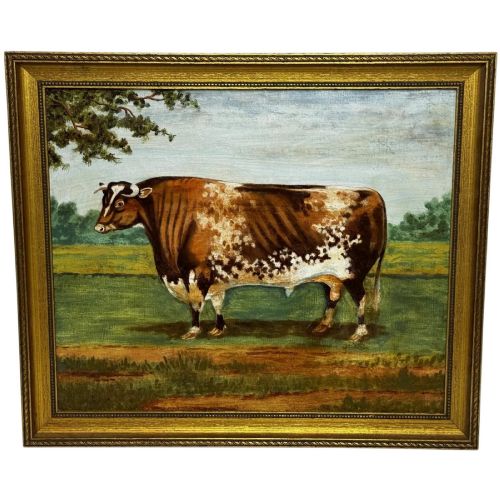
Numerous Victorian cows gaze directly out from these canvases as if posing for their portrait.
William Howard Hardy·John Horace Hooper·Robert John Hammond·Walter Heath Williams·Thomas Sidney Cooper·Sir Edwin Henry Landseer·George Wright·Johann Friedrich Voltz·Henry Yeen King·Henry H Parker·Miles Birkett Foster·Henry Schouten·Johannes de Haas·Sydney Yates Johnson·A M Gauci·John Frederick Herring Jnr·Samuel Joseph Clark·George Armfield·Robert Watson·George Hilditch
The Victorian Country Landscape Oil Glossary
- Oil on Canvas
- A painting medium where pigments bound in drying oil are applied to stretched woven fabric. Canvas provides a resilient and slightly textured surface favoured by nineteenth-century artists.
- Gesso
- A plaster-like mixture applied to wooden frame mouldings as a base for gilding. It allows craftsmen to carve crisp decorative details before applying gold leaf.
- Pastoral
- A genre of art depicting rural life, shepherds, and agricultural scenes in an idealized or tranquil manner. These subjects reflect nineteenth-century romanticism towards the countryside.
- Board
- A rigid wooden or composition panel used as a painting support instead of fabric. Panels offered stability and were frequently utilised for smaller plein air sketches.
Victorian Country Landscape Oil: Frequently Asked Questions
How do I date a landscape oil painting?
Dating relies on stylistic clues, artist signatures, and the construction methods of the canvas stretcher and frame. Nineteenth-century works often display specific framing styles and canvas stamps.
Examining the type of pigment and the condition of the wooden support helps narrow down the decade of creation.
Were these paintings always framed in gold?
Giltwood and gesso frames were standard for nineteenth-century fine art to enhance the depth of the composition. Many frames are contemporary to the painting.
Some pieces retain their original Victorian frames, while others have been reframed at a later date.
How should I clean an antique oil painting?
Surface dust can be gently removed with a very soft, dry brush, but moisture and modern cleaning agents must be avoided. Professional conservators handle deeper cleaning and varnish removal.
Applying household cleaners can permanently damage the fragile oil paint layers beneath.
Where were these pastoral scenes usually painted?
Artists often worked directly outdoors in the English countryside, sketching rivers, harvest fields, and livestock before finishing the canvas in the studio. Locations frequently included Berkshire, Sussex, and Surrey.
Some painters also travelled to continental Europe, producing views of foreign chateaux and pastoral valleys.