








Gilt Spandrel Framed Painting
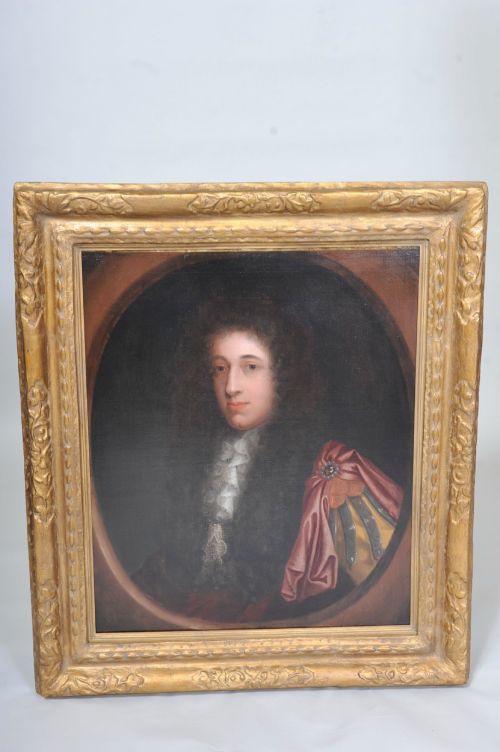
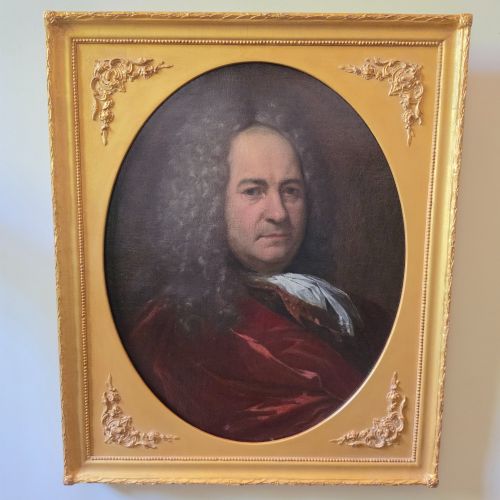
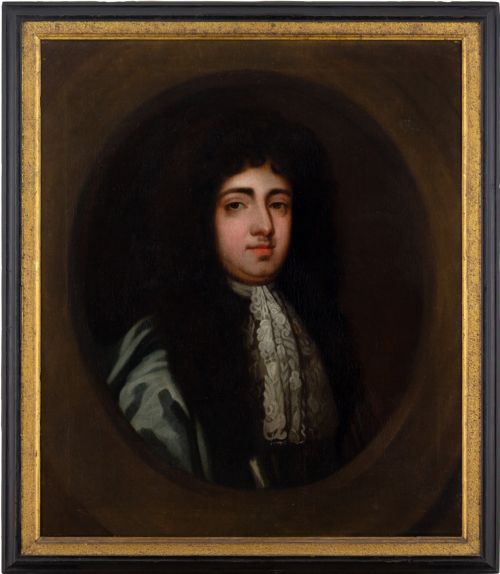
These gilt spandrel framed painting examples combine historic portraiture with carved wooden surrounds, offering a direct window into past centuries.
Gilt Spandrel Framed Painting
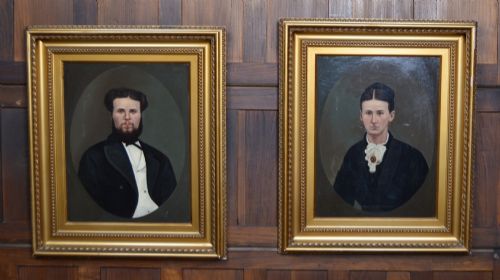
A gilt spandrel framed painting brings together historical oil portraits and decorative painted or carved corners within their frames. Buyers seeking a gilt spandrel framed painting find works originating mainly from the seventeenth and eighteenth centuries, alongside nineteenth-century and Edwardian pieces.
The subjects on this page are predominantly portraits of gentlemen, ladies, and notable figures, executed in oil on canvas or board. These works span British Baroque, Stuart, Georgian, and Victorian aesthetic traditions.
Most pieces represent the output of British schools and various artistic circles, capturing sitters from named families and notable lineages. The integration of the spandrel design within the frame directs the eye squarely towards the painted subject.
Materials and construction
The foundational support relies on canvas or wood panels prepared for oil paint application. Artists utilised oil paint to build rich tonalities and detailed drapery in these portraits.
Frames are constructed from wood, finished with gesso and gold leaf to create the distinctive gilt spandrel effect. This traditional gilding technique provides a reflective border that enhances the depth of the oil painting within.
The listings on this site encompass seventeenth-century, eighteenth-century, and nineteenth-century periods, utilising oil on canvas, giltwood, and gold leaf.
Assessing the works
The standard of portraiture depends on the fidelity of the brushwork and the expressive capacity of the circle or school involved. Pieces linked more closely to accomplished portraitists or established studios demonstrate superior handling of light and fabric.
The preservation of both the oil paint and the underlying giltwood frame dictates the overall integrity of the piece. Intricate gesso work and well-maintained gold leaf contribute significantly to the visual weight of the frame.
Michael Dahl·Thomas Murray·John Vanderbank·Allan Ramsay·John Riley·Sir Godfrey Kneller·Thomas Hudson·Angelica Kauffman
The Gilt Spandrel Framed Painting Glossary
- Spandrel
- The space between the rectangular outer edge of a frame and the curved inner opening. In these works, the corners are often painted or gilded to frame the central subject.
- Giltwood
- Timber that has been coated with gold leaf or gold paint. This finish creates a luminous border around the historical canvas.
- Gesso
- A plaster-like mixture applied to wood frames as a base for gilding. It allows craftsmen to carve crisp decorative details before applying gold leaf.
- Circle of
- A term used when a painting shows the style and technique of a master without being attributed directly to their hand. It reflects the workshop traditions of the period.
Gilt Spandrel Framed Painting: Frequently Asked Questions
How do I date these portraits?
Dating relies on costume details, sitters' hairstyles, framing styles, and any accompanying documentation or stylistic attribution recorded with the piece.
Works on this page span the seventeenth, eighteenth, and nineteenth centuries, each carrying distinct aesthetic markers of its period.
Where should I hang a framed oil painting?
These historical artworks require placement away from direct sunlight and excessive humidity to protect both the canvas and the giltwood frame.
Stable indoor environments ensure the oil paint and underlying gesso remain preserved for years to come.
Are all these paintings British?
The selection reflects strong ties to British artistic traditions, including Stuart and Georgian portraiture schools.
Many pieces depict identifiable British figures and originate from regional English collections and stately homes.