

Canvas Portrait Pair
A canvas portrait pair brings two matching painted faces together on the wall, balancing composition and subject across a shared history.
Canvas Portrait Pair
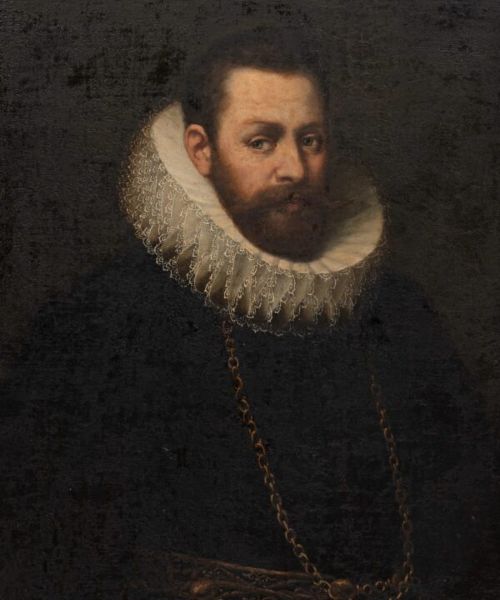
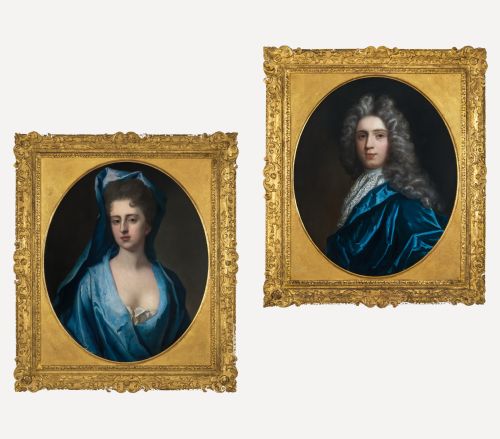
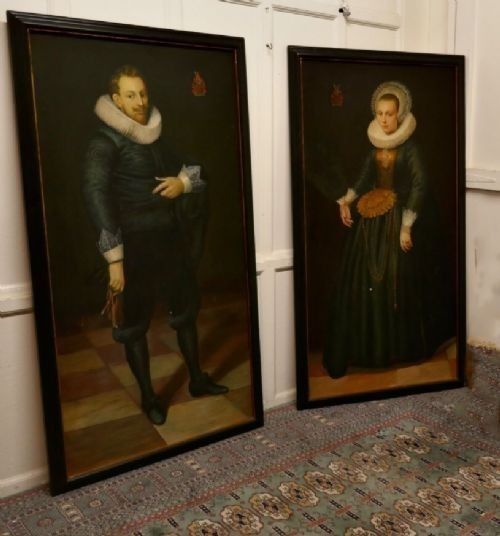
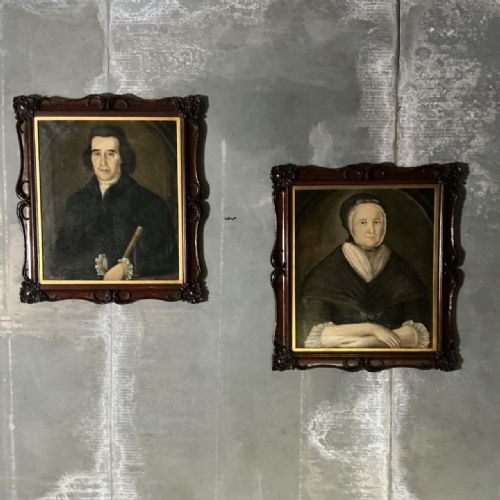
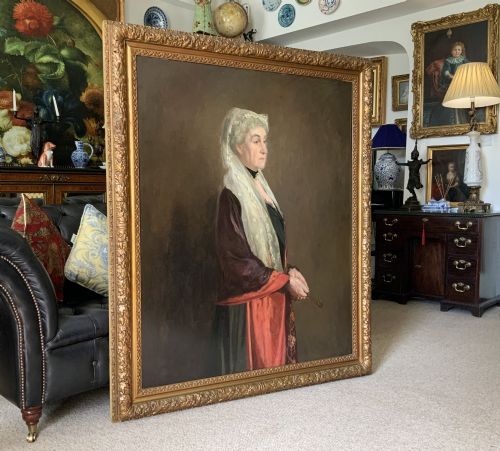
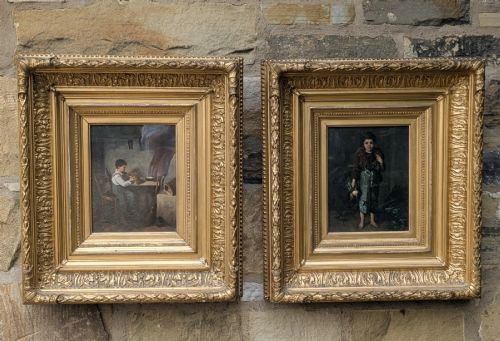
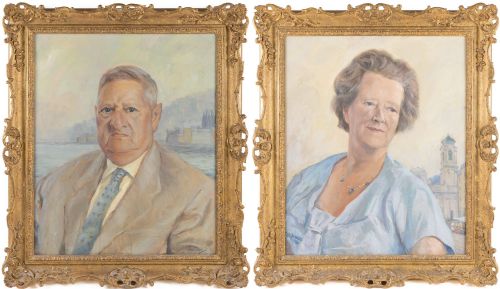
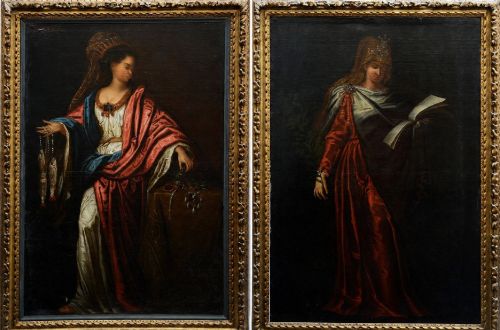
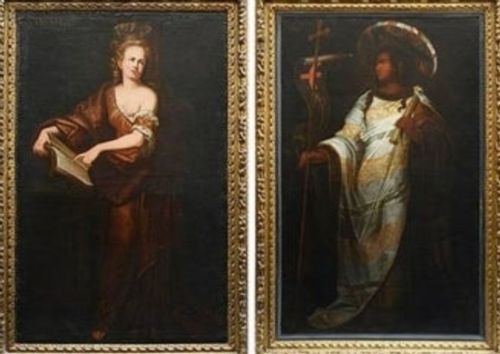
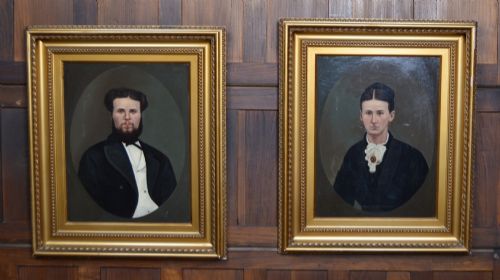
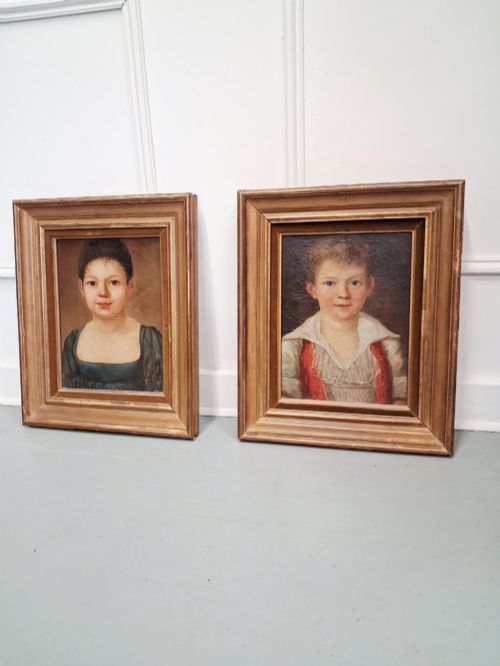
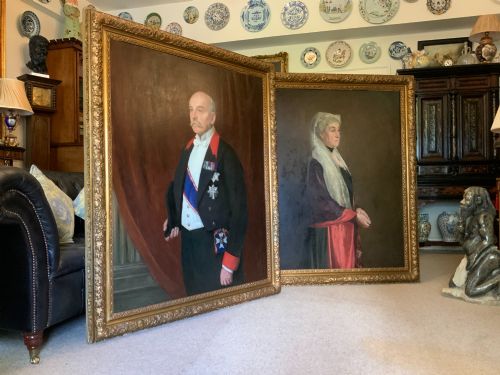
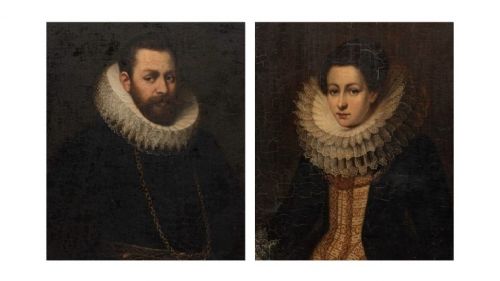
A canvas portrait pair consists of two matching oil paintings created to hang together, most frequently depicting a husband and wife, noble sitters, or matched children from the same household. These works cross several centuries of production, appearing in 17th-century Dutch formats, Georgian and Regency compositions, and Victorian decorative styles.
The subjects extend beyond human sitters into paired animal studies and historical figures, though human portraits remain the primary form encountered by collectors. These sets rely on balanced sizing, complementary framing, and unified palettes to create visual symmetry on a shared wall space.
How they were made
Makers built these pieces using oil paint applied to woven canvas stretched over wooden frames, occasionally employing panel supports or vinyl canvas in later reproductions. Applied layers of pigment built up the flesh tones, fabrics, and intricate details like ruff collars.
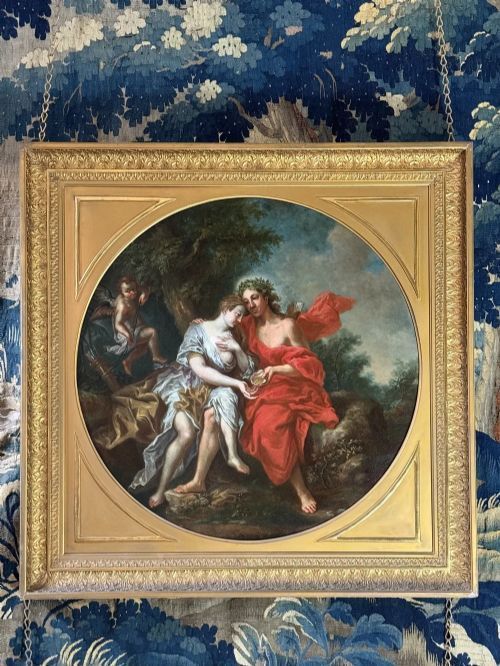
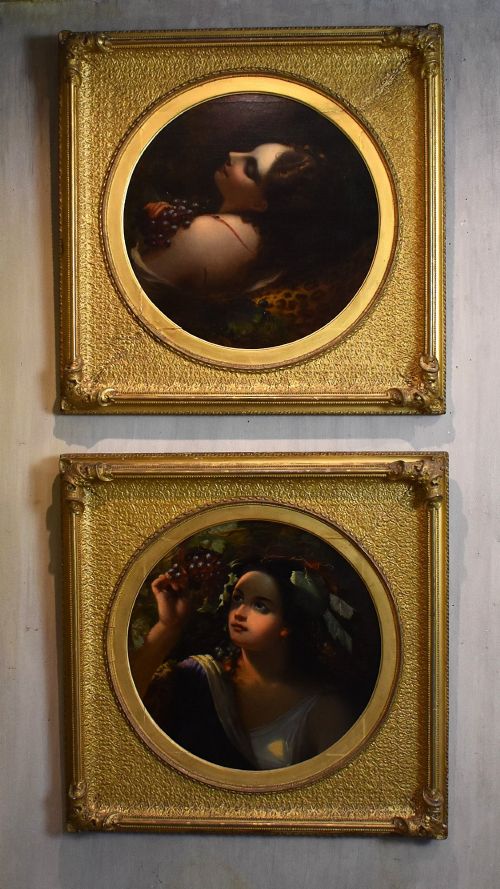
The completed canvases were often housed in matching giltwood or carved wooden frames, sometimes enhanced with gold leaf to complement the interior aesthetic of the period.
Recorded periods stretch from the 17th century through the Georgian, Regency, Victorian, and Edwardian eras.
What varies in quality
The preservation of the original canvas and the integrity of the matching frames significantly influence the standing of a set, as original gilt surrounds complete the intended visual balance.
Michael Dahl·Thomas Murray·Charles-Antoine Coypel·Theodore Jensen·E H Windred·Ferruccio Vitale·Hermann Armin Kern·W A Clark·Federico Andreotti·Francois Boucher·Nicolaes Maes·Henry Frederick Lucas-Lucas·Eva Hollyer·John Mc Ghie
The Canvas Portrait Pair Glossary
- Canvas
- A heavy woven fabric used as a surface for oil painting. It provides the tensile strength needed for large historical works.
- Giltwood
- Wood carved and coated with gold leaf or metallic paint. This finish creates the ornate frames surrounding many period portraits.
- Oil Paint
- Pigment mixed with a drying oil such as linseed. This medium allows for rich blending and deep colour saturation on fabric.
- Grisaille
- A painting executed entirely in shades of grey or neutral monochrome. This technique creates a sculptural effect resembling stone or relief carving.
Canvas Portrait Pair: Frequently Asked Questions
Why were portraits painted as pairs?
Pairs were commissioned to commemorate marriages, family alliances, or paired household members to maintain symmetry in domestic display.
Matching dimensions and similar compositional framing allowed the two canvases to balance each other visually when hung adjacently on a wall.
How do I identify the period of a canvas?
Dating relies on the style of clothing, the preparation of the canvas, and the carpentry of the underlying wooden stretcher frames.
Fashion details such as ruff collars or Regency waistlines offer the clearest initial guide to the decade of creation.
Should matching frames stay together?
Original matching frames preserve the historical context and intended aesthetic unity of the dual set.
Separating them alters the visual weight and historical integrity that the original commissioner established.
What subjects appear besides married couples?
Artists also paired children, sporting dogs, historical figures, and allegorical characters like the sibyls.
These varied subjects shared the same decorative requirement for balanced hanging and companion composition.