





Historical Portrait Paintings Pair
Historical portrait paintings pair offerings bring two matched faces from the past into a room, usually showing a gentleman and lady or companion sitters together.
Historical Portrait Paintings Pair
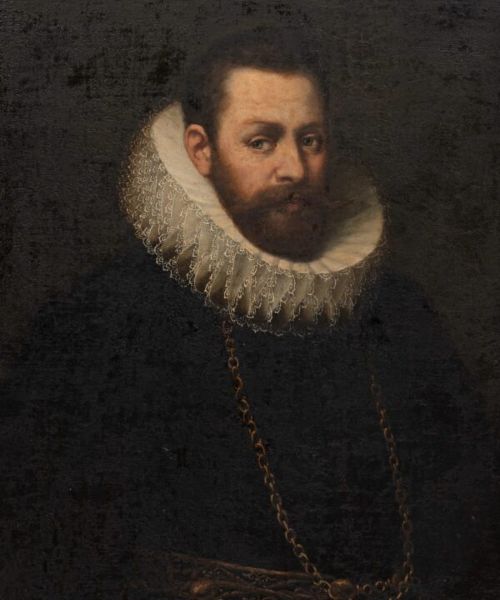
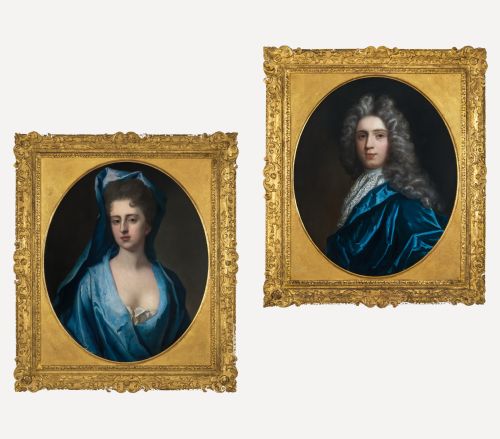
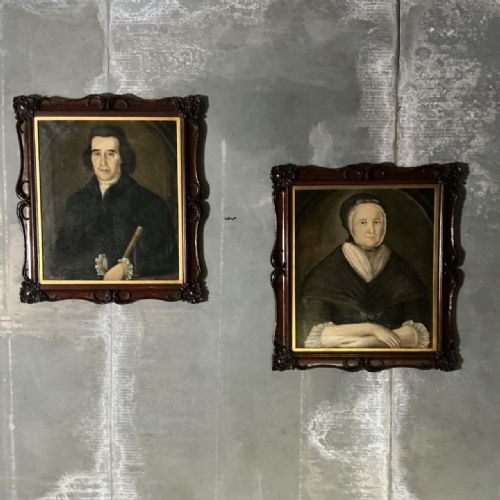
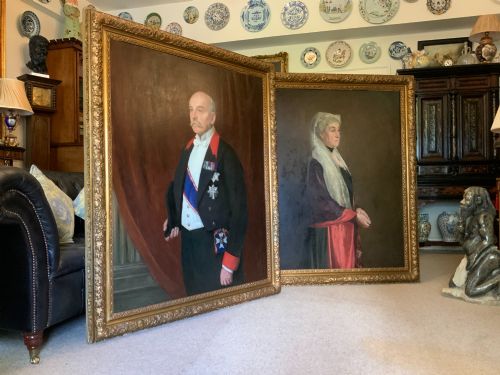
A historical portrait paintings pair presents two companion likenesses, most frequently depicting a nobleman and lady, military figures, or family members created to be displayed side by side. These matched sets capture subjects from the eighteenth and nineteenth centuries, spanning periods such as the Georgian, Regency, and Victorian eras.
The items appearing on this page take several forms, ranging from substantial oil paintings on canvas and gilt-framed oils to delicate portrait miniatures, reverse glass mezzotints, and framed watercolour paintings. Buyers will encounter works attributed to British, Dutch, and American schools, alongside pieces by named artists.
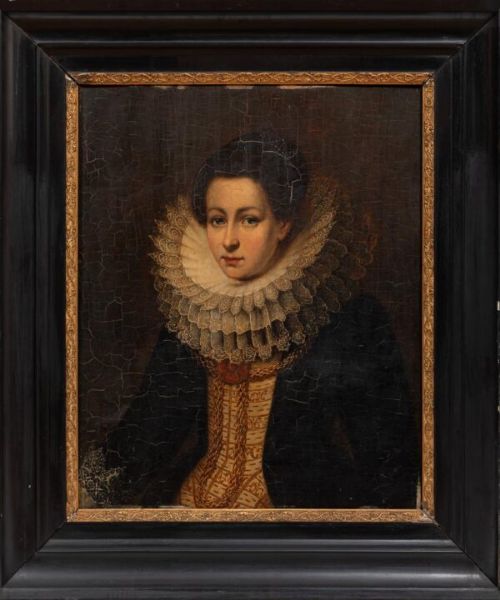
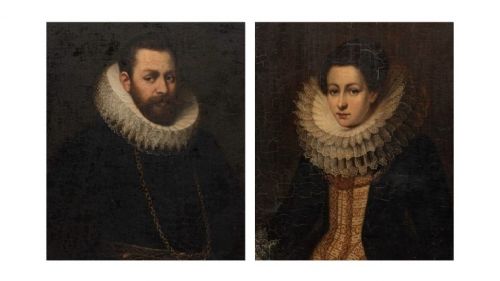
Companionship defines the group, as these pairs were originally conceived to hang together in domestic interiors. Whether rendered in oils with intricate ruff collars or captured in miniature on paper and glass, the works preserve historical likenesses as balanced dual compositions.
How they were made
Specialised techniques varied by medium, such as the intricate reverse printing used for glass mezzotints or the fine brushwork required for miniature likenesses. Frames in gilt and wood completed the construction, protecting the paper, canvas, and glass surfaces while matching the aesthetic of the period.
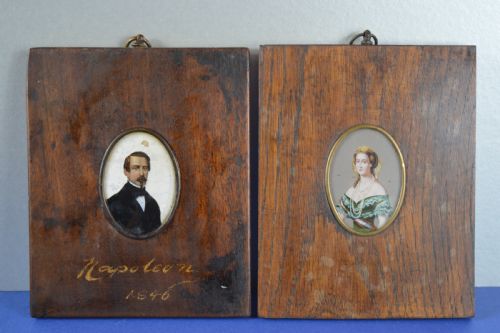
Napoleon and Empress Eugenie stare across the centuries from inside a tiny pair of framed portrait miniatures.
What varies in quality
The level of detail in facial expressions, clothing, and background elements separates finer examples from simpler folk art or standard workshop productions. Masterly brushwork on oil paintings or precise execution in miniature watercolours demonstrates the skill of the original hand.
Condition and originality play a significant part in the character of each pair, particularly regarding the preservation of the canvas, glass, and original giltwood frames. Intact companion sets where both works remain in matching condition hold greater visual harmony than assembled pairs.
James Sharples·George Hargreaves·Thomas Woolnoth
The Historical Portrait Paintings Pair Glossary
- Reverse glass mezzotint
- An image transferred and painted on the underside of a glass sheet, creating a glossy finish that protects the delicate ink layer beneath.
- Portrait miniature
- A small-scale painting executed with immense precision, often framed for personal or portable display during the eighteenth and nineteenth centuries.
- Giltwood
- Wood carved and coated with a thin layer of gold leaf, commonly used for ornate frames surrounding historical paintings and mirrors.
- Companion
- One of a matched pair of artworks created to complement each other in subject, size, and style for simultaneous display.
- Ruff collar
- A stiff, pleated fabric neckpiece popular in earlier European fashion and often depicted in formal Renaissance and Dutch portraits.
Historical Portrait Paintings Pair: Frequently Asked Questions
What is a portrait pair?
A portrait pair consists of two separate artworks depicting related subjects, such as a husband and wife or companion sitters, created to be displayed together.
These pieces share dimensions, framing styles, and artistic techniques to ensure a balanced appearance on the wall.
How were historical portraits framed?
Historical portraits were commonly housed in wooden frames accented with gilt leaf, matching the decorative standards of their respective periods.
Smaller miniatures and watercolours often included protective glass and convex bezels to safeguard the fragile paper surfaces.
Where did these portrait pairs hang?
Companion portraits typically hung in the formal rooms of domestic residences, country houses, and parlours during the eighteenth and nineteenth centuries.
They served both as family records and as decorative elements that demonstrated the lineage and social standing of the owners.
Can mixed portraits form a pair?
While many pairs were created together by the same artist, collectors also assembled companion pieces later based on matching sizes, periods, and subjects.
Original matched sets maintain a unified artistic style, whereas assembled pairs rely on complementary visual traits to create harmony.