




Baroque Style Oil Portrait
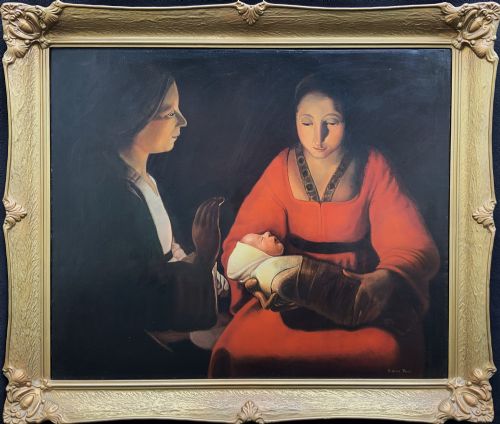
When you search for a baroque style oil portrait, you are looking at centuries of dramatic portraiture depicting royalty, nobility and significant figures in opulent attire.
Baroque Style Oil Portrait
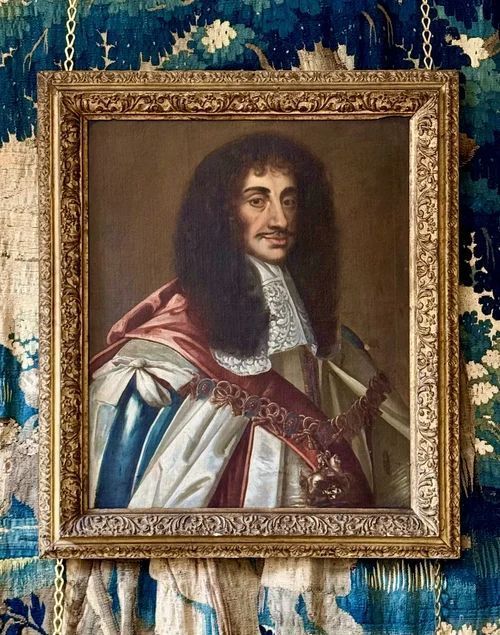
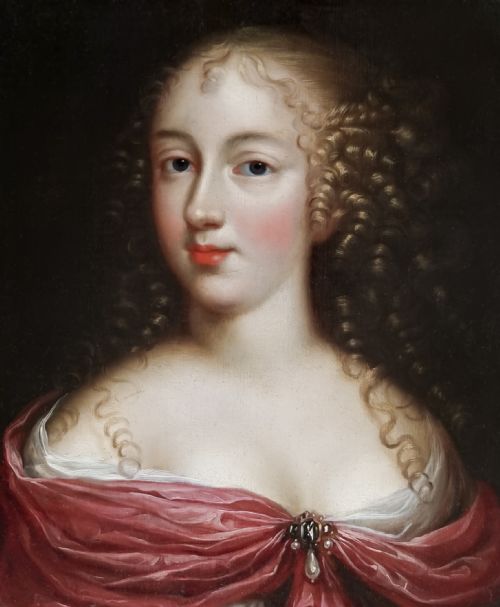
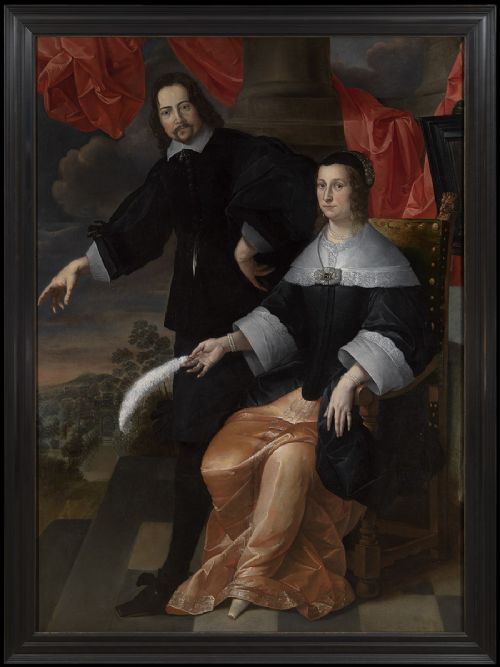
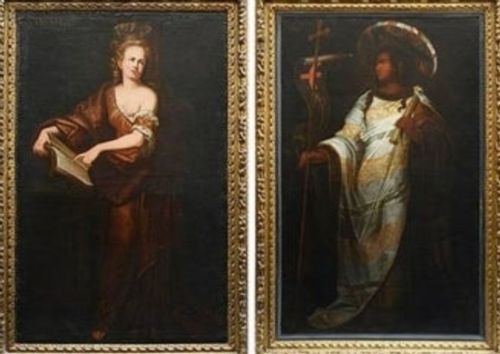
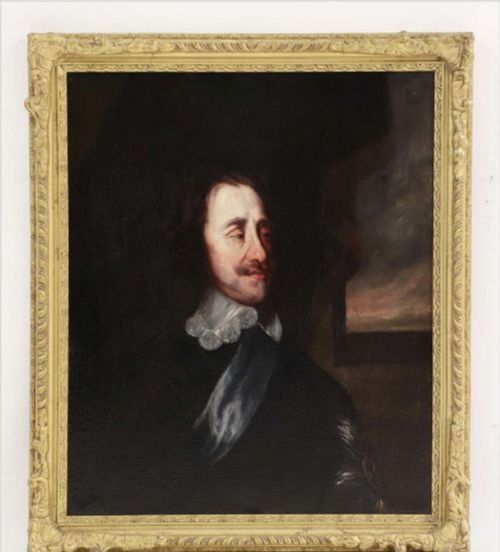
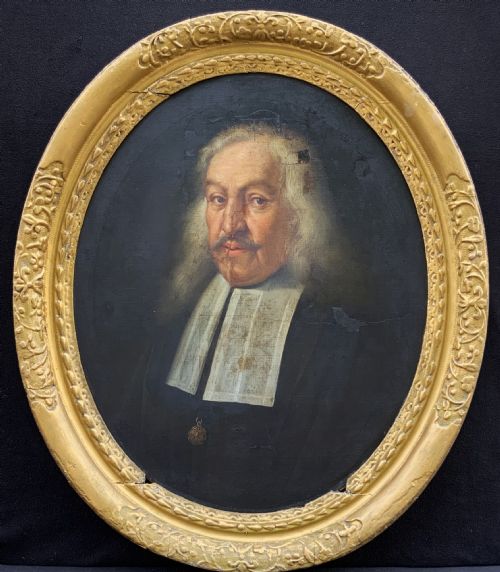
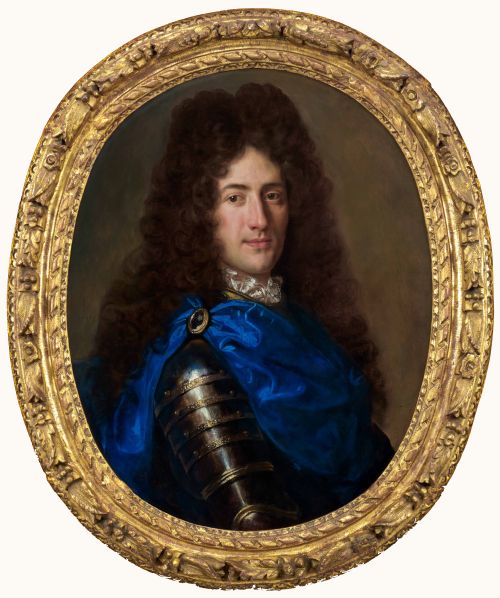
A baroque style oil portrait captures the grand manner of the seventeenth and eighteenth centuries, portraying subjects with intense psychological depth and theatrical staging. These works frequently depict figures in elaborate armour, sumptuous gowns, rich velvet robes and intricate lace ruffs.
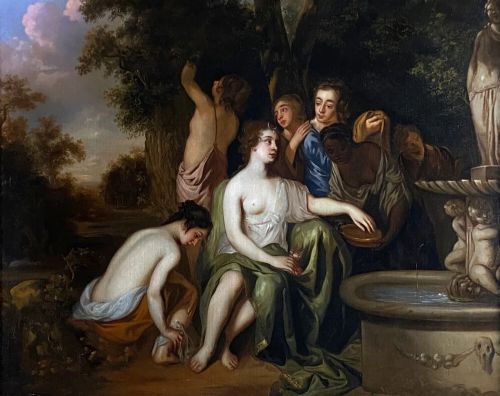
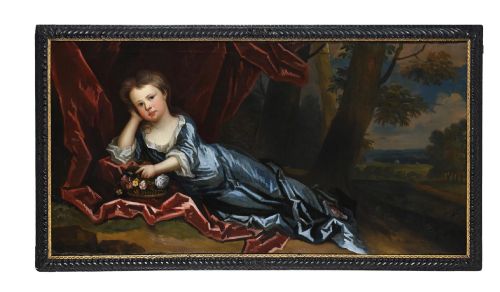
On this page, you will encounter original period pieces from the seventeenth and eighteenth centuries alongside later revivals from the nineteenth and twentieth centuries. Subjects range from named aristocrats and monarchs to anonymous noblemen, ladies and mythological figures rendered in oil.
The compositions draw heavily upon established European traditions including the Dutch Golden Age, Flemish schools and Italian baroque movements. Whether handled by followers of major masters or painted within regional workshops, each canvas brings theatrical lighting and dignified presence to interior spaces.
Materials and technique
The foundational medium for these works is oil paint applied to stretched canvas or wooden panel supports. Artists built rich surfaces through layered glazes, creating deep shadows and luminous highlights that define the characteristic drama of the aesthetic.
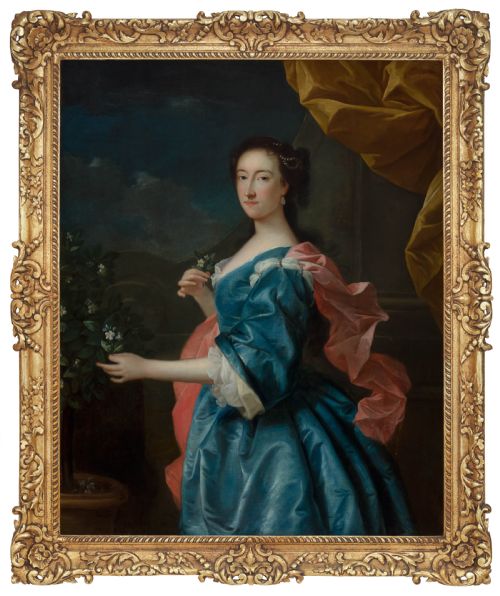
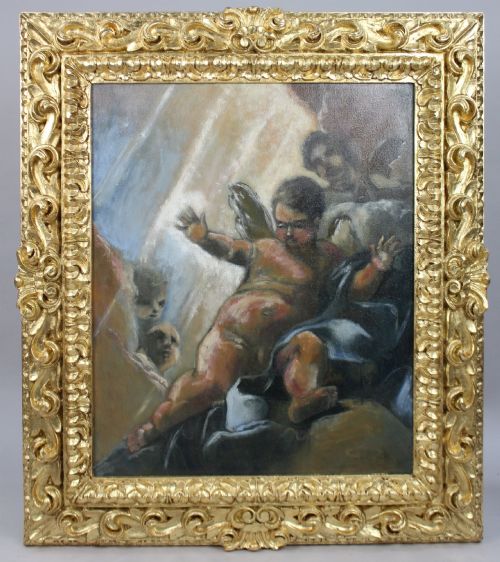
Many portraits are housed in their original or period-appropriate carved giltwood and gilt frames, which enhance the visual weight and ornamentation of the artworks. The combination of textured oil pigment and reflective gilded wood creates a striking interplay of light and shadow.
Several portraits capture noble subjects posing alongside faithful horses, ornate orange trees and mischievous putti.
Evaluating the standard
Quality in a baroque style oil portrait rests primarily upon the expressive capability of the brushwork and the psychological presence conveyed in the sitter's face and hands. Superior examples demonstrate confident handling of drapery, lace and armour, showing mastery over complex textures and light reflection.
The provenance and closeness of the circle or workshop to master painters also influence the standing of a piece. Works executed by documented followers or contemporary circles during the lifetime of major portraitists command greater appreciation than later decorative copies.
Sir Peter Lely·Sir Anthony van Dyck·David Teniers·Rembrandt van Rijn·Sir Godfrey Kneller
The Baroque Style Oil Portrait Glossary
- Baroque
- An artistic style originating in the early seventeenth century characterised by drama, deep shadow, rich colour and grand theatricality. This movement dominated European painting and architecture for over a hundred years.
- Oil on Canvas
- A traditional painting medium utilising pigments suspended in drying oils applied to a woven fabric support. This technique allowed artists to achieve subtle tonal gradations and rich textures.
- Giltwood
- Wood that has been decorated with a thin layer of gold leaf or powder. It is commonly found on ornate antique picture frames designed to complement fine art paintings.
- Ruff
- A prominent pleated collar worn by nobility and the upper classes during the late sixteenth and seventeenth centuries. These intricate linen garments indicate high social status in portraiture.
- Circle of
- A term used in attribution to denote an artist working during the same period and within the general style of a master, often closely associated with their workshop.
Baroque Style Oil Portrait: Frequently Asked Questions
What is a baroque style oil portrait?
A baroque style oil portrait is a painting executed in the dramatic manner of the seventeenth and eighteenth centuries, featuring opulent clothing, theatrical lighting and noble subjects.
These artworks emphasise emotional intensity, rich textures like silk and armour, and deep chiaroscuro contrasts that draw the viewer's eye to the sitter's face and hands.
How were these oil portraits historically displayed?
Historically, large oil portraits were commissioned by nobility and royalty to hang in the grand reception rooms, galleries and staircases of stately homes.
They served as statements of lineage, power and wealth, often housed in heavy carved giltwood frames designed to project authority and status to visitors.
How do I live with an antique oil painting?
Living with an antique oil painting involves placing the canvas away from direct sunlight and maintaining stable room temperatures to protect the delicate pigments and wooden supports.
Ensuring proper wall anchoring for heavy giltwood frames and allowing the piece to become a natural focal point brings historical character and depth to a contemporary or traditional interior.
How can I tell period works from later revivals?
Distinguishing period works from later revivals requires examining the canvas preparation, stretcher construction, pigment ageing and the stylistic nuances of the brushwork.
Seventeenth and eighteenth-century canvases show distinct craquelure and material ageing consistent with age, whereas nineteenth and twentieth-century revival pieces often reflect the academic techniques of their specific manufacturing era.