
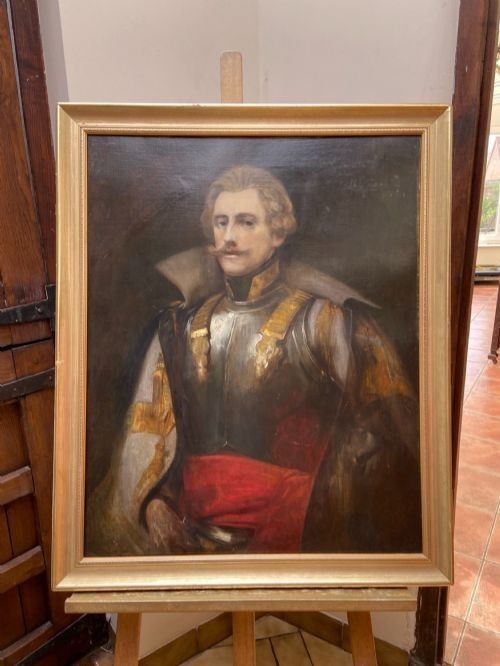
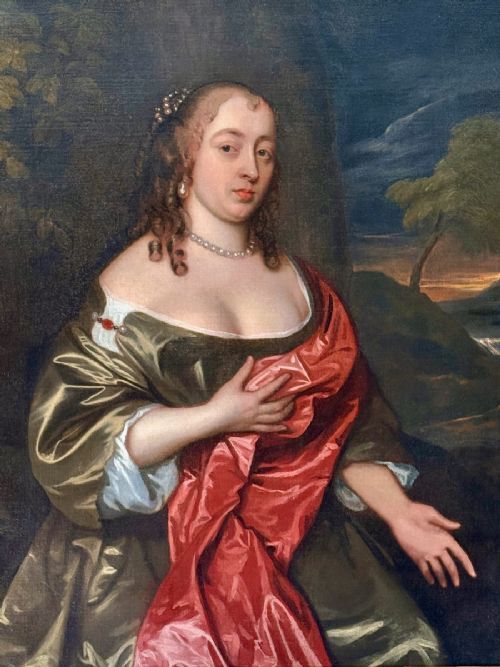
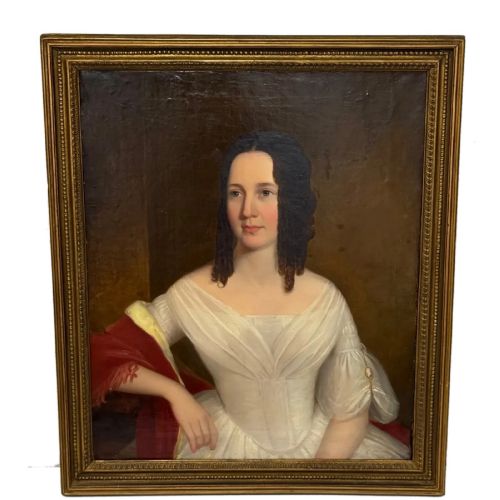
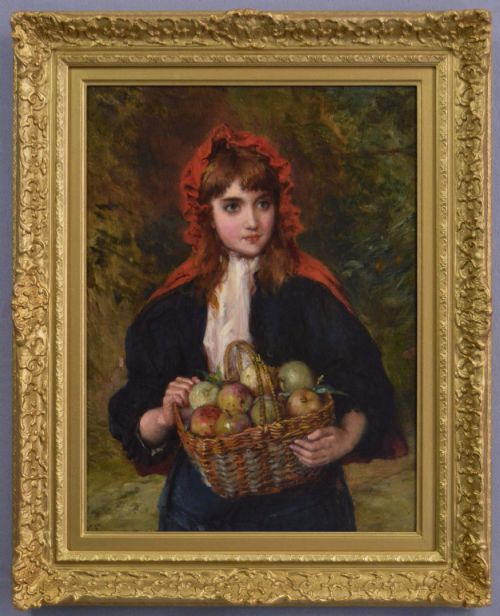


Traditional Oil Canvas Portrait
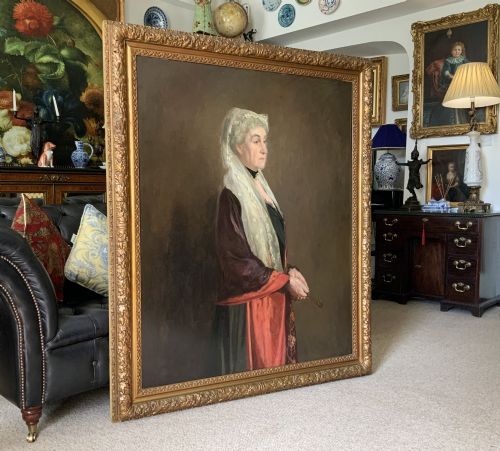
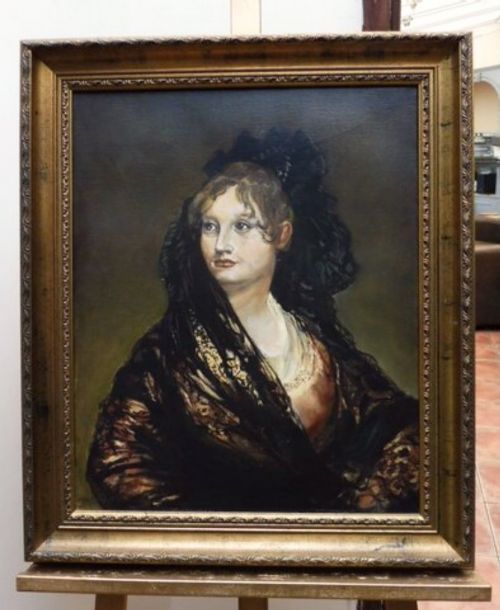
A traditional oil canvas portrait brings centuries of character and presence to a room through painted pigment stretched across woven fabric.
Traditional Oil Canvas Portrait
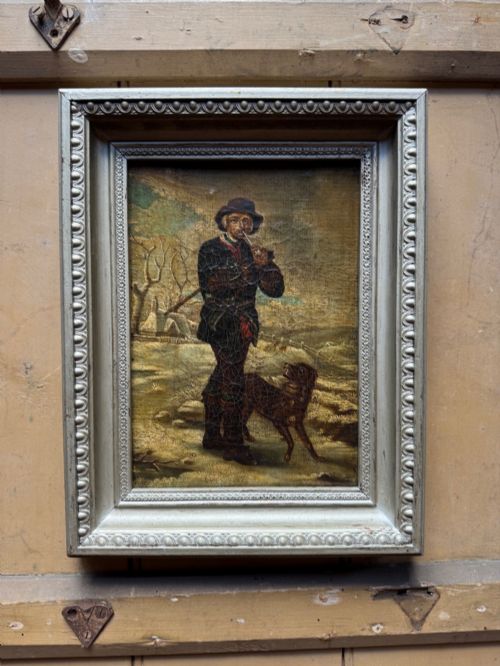
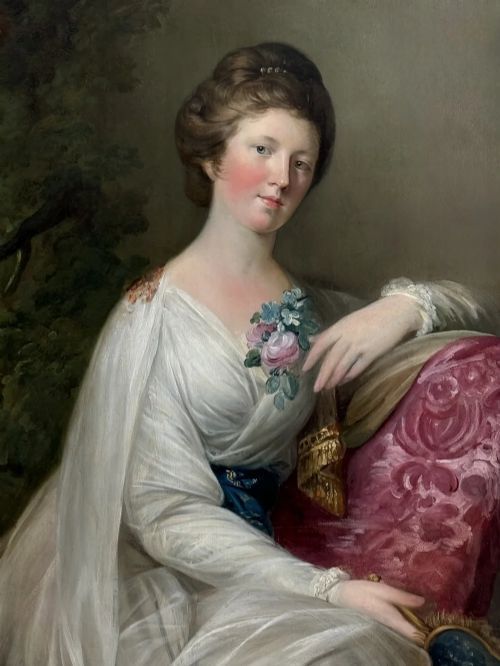
When searching for a traditional oil canvas portrait, collectors encounter painted likenesses spanning from the Georgian period through the Victorian era and into the twentieth century. These works depict figures ranging from military officers and architects to young women, gentlemen and children, often rendered by regional schools or named artists.
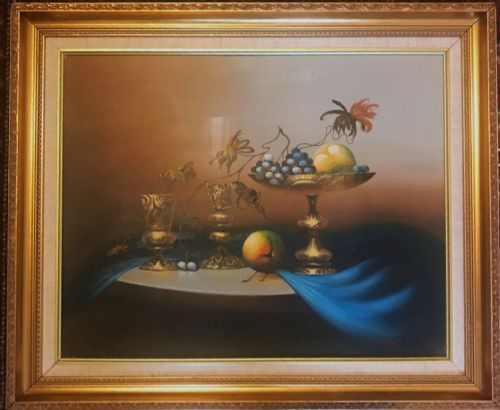
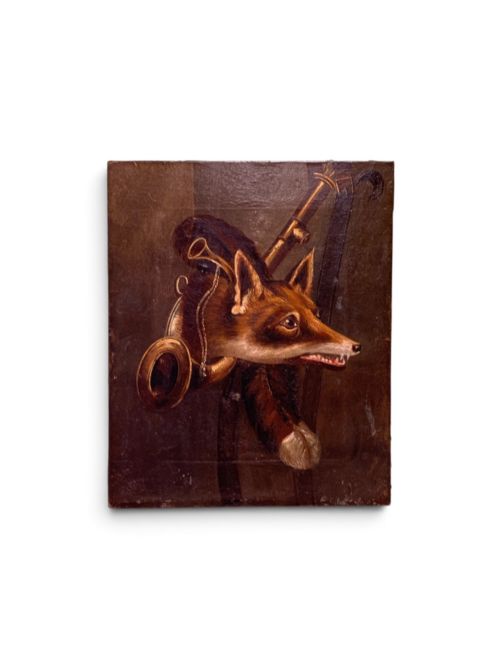
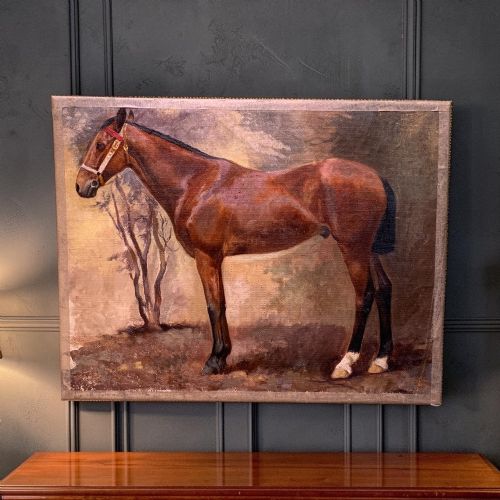
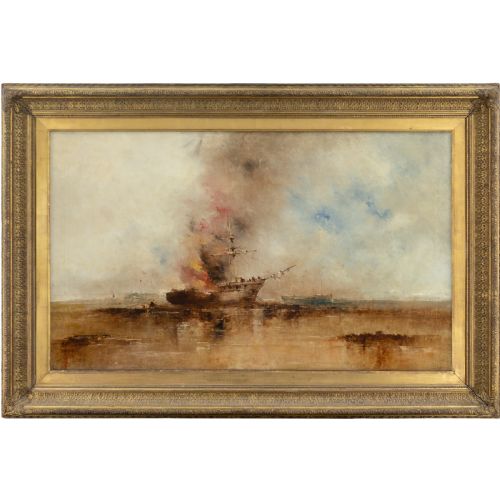
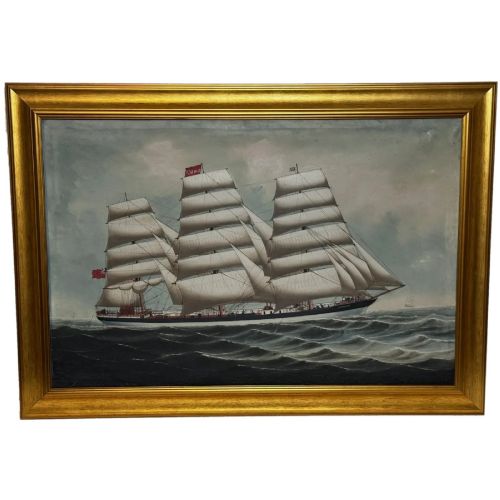
The pieces on this page primarily consist of oil paint applied to canvas supports, frequently housed within period giltwood or gold leaf frames. Alongside human subjects, the selection includes equine portraits, sporting art, and genre scenes executed in oil.
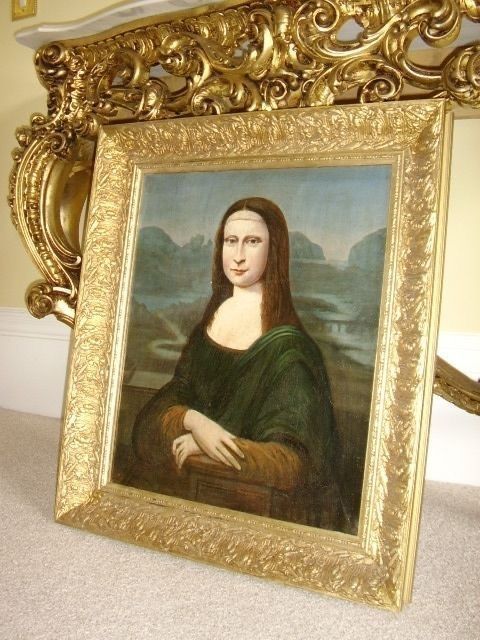
Origins stretch across British, French, and Italian schools, encompassing both original compositions and later interpretations after masters like Leonardo da Vinci and Sir Joshua Reynolds.
Materials and technique
Makers built these works using oil paint applied directly to woven canvas, which was stretched over wooden frames or stretchers. The flexibility of oil medium allowed artists to achieve subtle gradations in tone, rich skin textures, and deep background shadows.
Finished canvases were customarily housed in carved wooden frames finished with gesso, gilt, or gold leaf to complement the interior domestic spaces of the period.
Listings feature works spanning from the sixteenth century through the mid-twentieth century, utilising oil on canvas and wood.
Judging quality
The success of a portrait rests upon the artist's ability to render facial anatomy, light, and psychological depth with conviction. Finer examples display confident brushwork and anatomical precision, whereas weaker pieces rely on stiff linework and formulaic shading.
The condition of the painted surface and the original relationship between the canvas and its period frame also influence the overall standing of a piece.
John Hayls·George Willison·William Oliver·Albert Clark·Howard Helmick
The Traditional Oil Canvas Portrait Glossary
- Canvas
- A heavy woven fabric, typically linen or cotton, used as the primary support surface for oil paintings. It is stretched tightly across a wooden frame before painting begins.
- Giltwood
- Wood that has been coated with a thin layer of gold leaf or metallic powder. It is frequently seen on the decorative frames enclosing period portraits.
- Oil Paint
- A slow-drying paint made by mixing pigments with a drying oil, most commonly linseed oil. This medium allows for deep colour saturation and gradual blending.
- Stretcher
- The internal wooden framework that holds a canvas taut. Traditional stretchers often feature corner keys to adjust the tension of the fabric.
- School
- A term used to group artists working in a particular geographical region, period, or under the stylistic influence of a master. It denotes shared technical traditions rather than a specific academy.
Traditional Oil Canvas Portrait: Frequently Asked Questions
What is a traditional oil canvas portrait?
A traditional oil canvas portrait is a painted likeness created using oil-based pigments upon a woven textile support. These works capture historical subjects, animals, and notable figures using techniques developed over centuries.
They serve as historical records and decorative focal points, reflecting the artistic conventions of periods ranging from the Georgian era to the mid-twentieth century.
How do I care for an oil painting?
Preserving an oil painting requires stable environmental conditions away from direct sunlight, excessive heat, and sudden humidity fluctuations. These measures protect both the canvas support and the delicate oil pigments from cracking or fading.
Dusting should be done gently with a soft, dry brush, avoiding water or chemical cleaners that might damage the varnish layer.
How can I tell the period of a portrait?
Dating a portrait relies on examining clues such as the sitter's costume, hairstyle, and framing style, alongside the physical characteristics of the canvas and stretcher. Changes in pigment composition and framing methods across the eighteenth, nineteenth, and twentieth centuries provide reliable chronological markers.
Signatures, inscriptions, and labels on the reverse of the frame or stretcher often offer further documentation regarding the date of creation.
Are these portraits original works?
The selection includes both original life studies painted by contemporary artists and historical copies executed after famous masterpieces. Each listing specifies whether a work is an original composition or an interpretation.
Both categories hold distinct historical interest, reflecting how past artists engaged with portraiture and masterworks of earlier centuries.