
Classic Oil on Canvas
When you search for classic oil on canvas, you encounter centuries of pigment layered upon woven fabric, framed in carved wood and gold leaf.
Classic Oil on Canvas
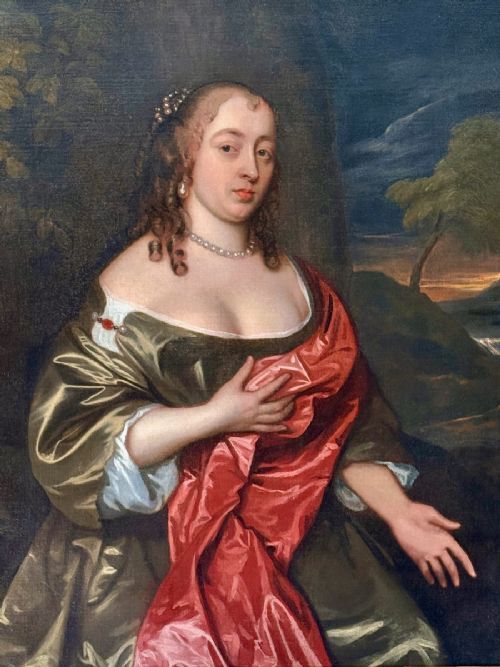
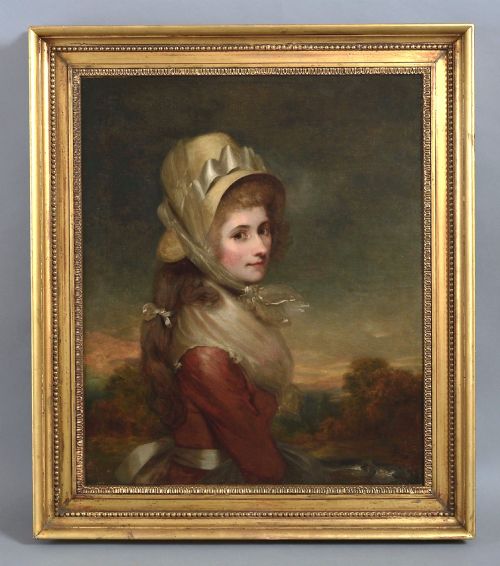
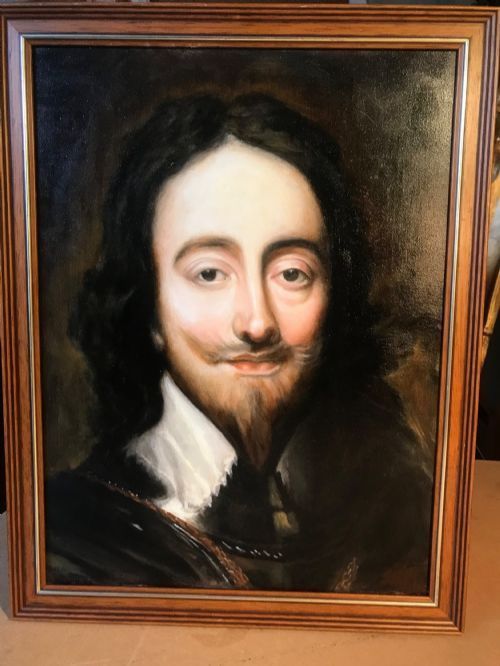
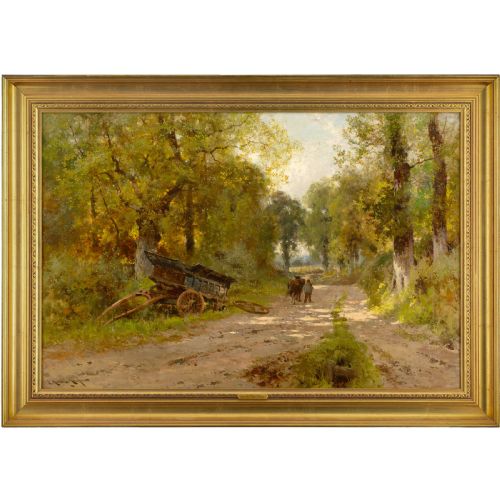
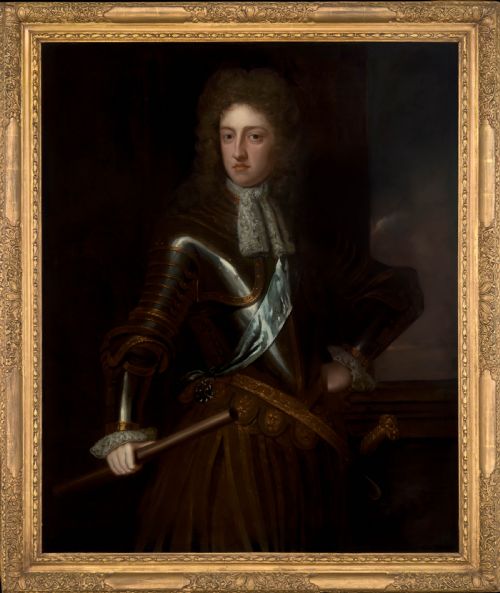
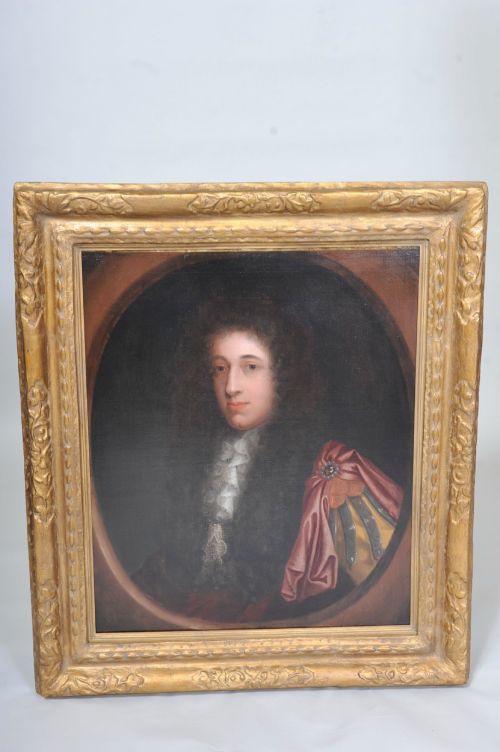
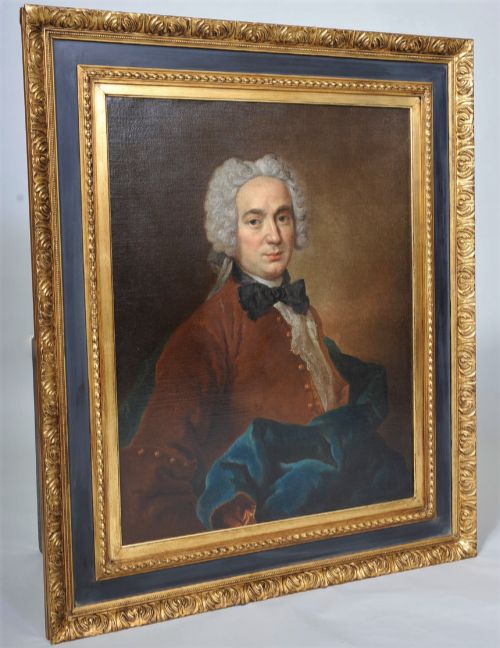
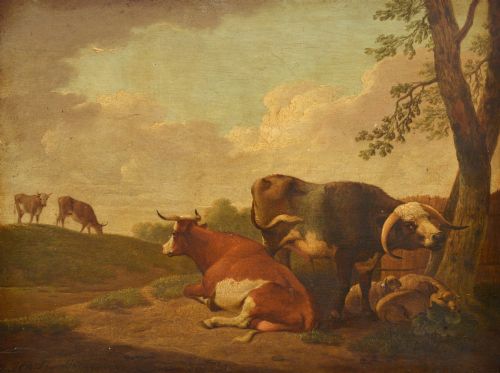
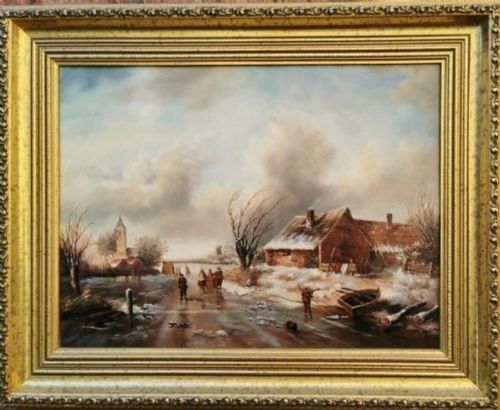
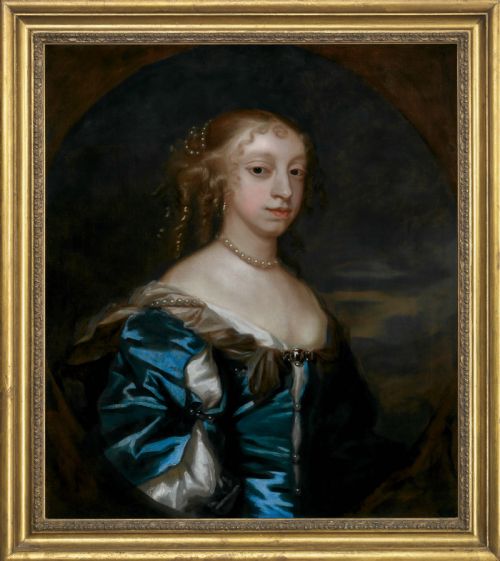
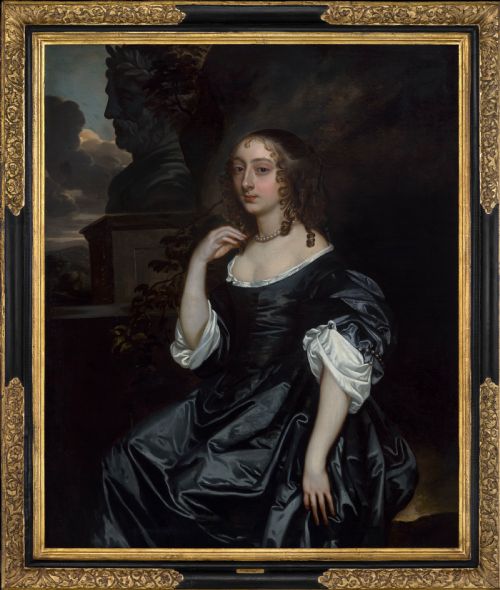
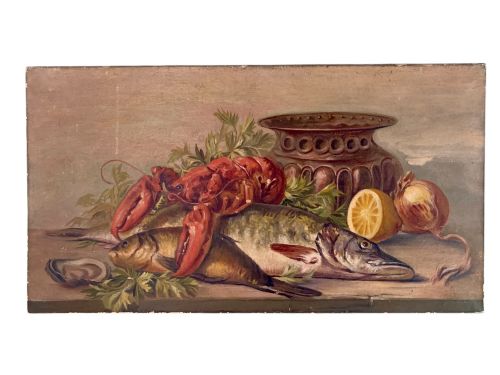
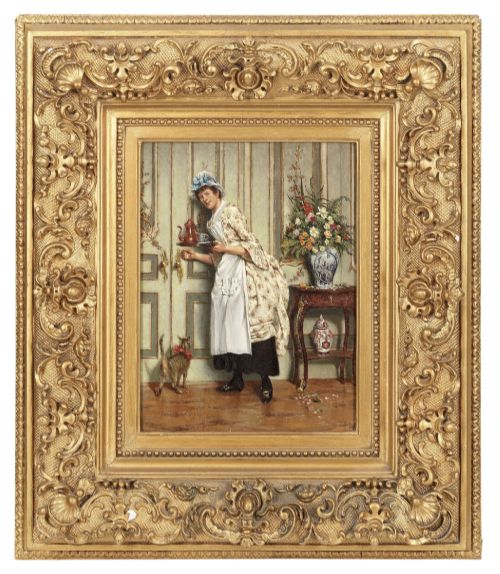
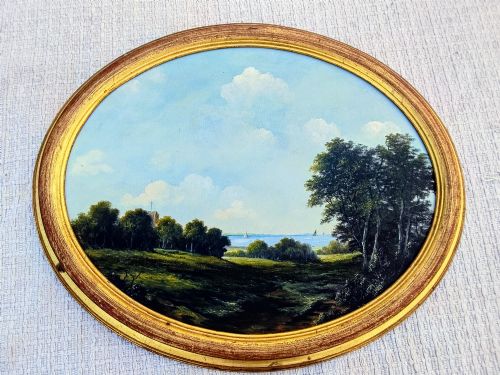
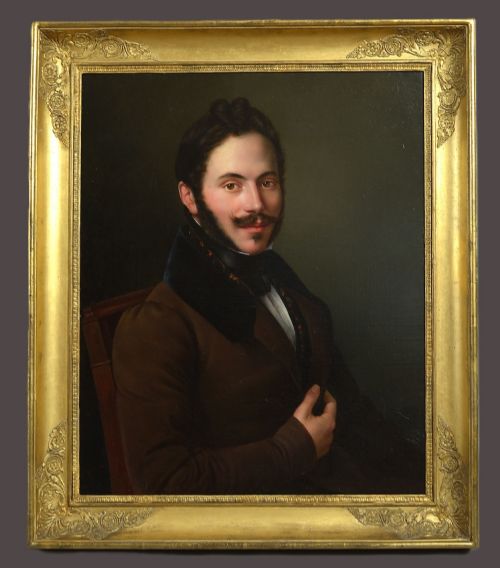
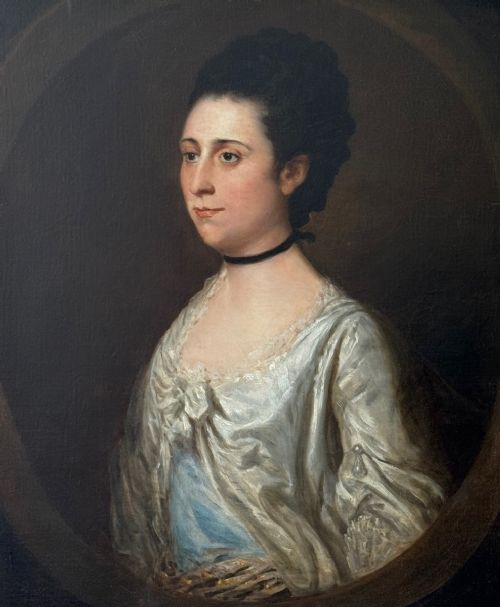
A classic oil on canvas brings centuries of portraiture, landscape and still life into domestic spaces, capturing subjects ranging from aristocratic sitters to country interiors. You will frequently find portraits and landscapes originating from the seventeenth, eighteenth and nineteenth centuries, often set within period frames.
The selection encompasses works attributed to named artists as well as pieces created by regional European and British schools. Subjects vary widely, including maritime scenes, equestrian studies and botanical compositions rendered in rich oil paint.
How they were made
Makers built these works using oil paint applied to woven canvas supports, which were stretched over wooden frames and frequently housed within giltwood or gold leaf surrounds. The interaction between oil mediums and canvas allowed artists to build depth through layered glazes and opaque highlights.
Support materials extended to wood panels and canvases later laid onto card, demonstrating varied methods of preparation across different periods and regional workshops.
Listings feature works spanning from the seventeenth century through to the 1960s, executed in oil on canvas, wood and giltwood.
What varies in quality
The distinction between standard works and masterworks rests upon the confidence of brushwork, anatomical accuracy in portraiture, and the subtlety of light handling within landscapes. Superior pieces display a luminous depth in the oil layers and a sophisticated management of tone that lesser decorative examples lack.
Framing also plays a role in the overall integrity of a piece, as period giltwood frames that match the age and origin of the canvas elevate the presentation significantly.
Sir Martin Archer Shee·Anthony Van Dyck·Sir Godfrey Kneller·Sir Peter Lely·Thomas Beach·Jean Baptiste Van Loo
The Classic Oil on Canvas Glossary
- Canvas
- A heavy woven fabric, typically linen or cotton, used as a support surface for oil painting. It provides a textured ground that holds layered pigments securely.
- Giltwood
- Wood carved and covered with a thin layer of gold leaf or metallic gilt. This material is standard for traditional picture frames accompanying older paintings.
- Oil Paint
- A slow-drying paint made by mixing pigments with a drying oil, commonly linseed oil. This medium allows for smooth blending and rich tonal variation.
- Studio of
- A designation indicating a work produced by assistants or pupils working under the direct supervision of a master artist. Such pieces reflect the stylistic methods of the primary workshop.
- Old Master
- A term generally applied to European painters of high skill working before the nineteenth century. These works carry specific historical and stylistic conventions.
Classic Oil on Canvas: Frequently Asked Questions
How do I identify the period of a canvas?
You determine the age by examining the weave of the canvas, the composition of the stretcher frame, and the style of the preparatory ground layers. Pigment analysis and stylistic conventions of the depicted clothing or landscape also offer reliable chronological markers.
Secondary clues include handwritten inscriptions on the reverse of the stretcher or framing remnants characteristic of specific eras like the Georgian or Victorian periods.
What is the difference between an artist and their studio?
A piece attributed directly to an artist was painted by their own hand. Works originating from a studio were executed by trained assistants under the master's supervision, following their established methods.
Studio pieces often share identical compositions with known masterworks but lack the specific autograph touches of the primary artist.
Why are some works laid onto card?
Laying an older canvas onto card was a historical conservation or stabilization technique used to support weakened fabric. This process prevented further sagging and secured fragile edges against structural failure.
Such measures are standard in the lifecycle of antique paintings and help preserve the integrity of the original paint layer.