

18th Century Figure Painting
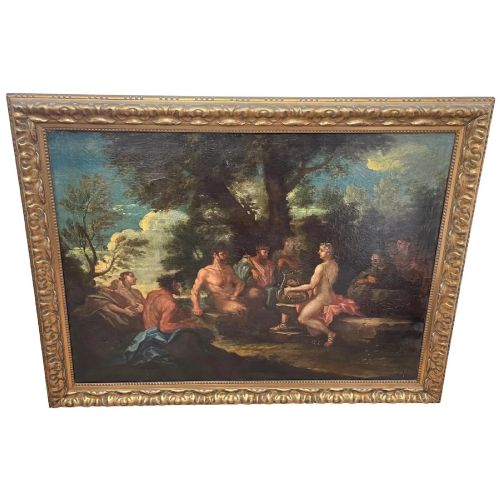
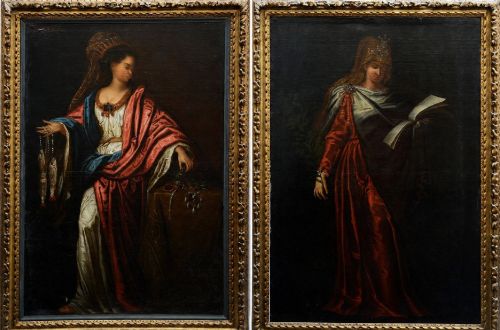
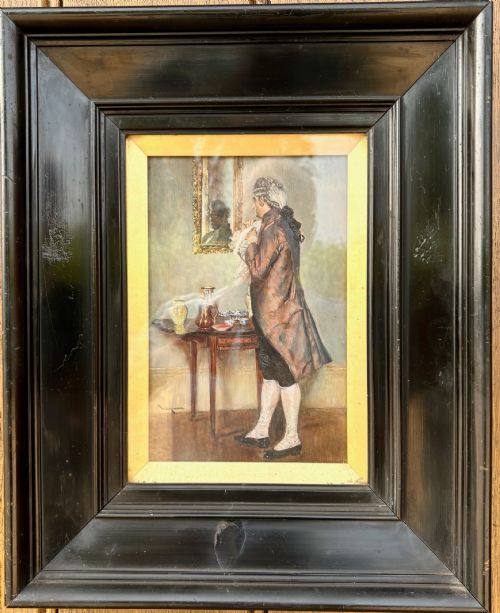
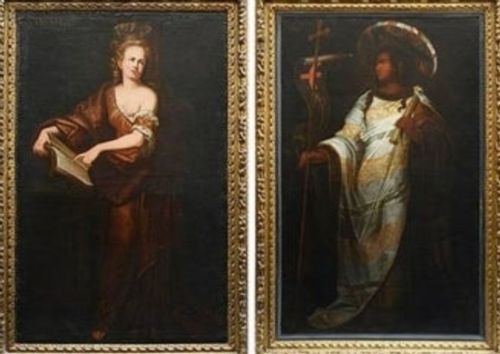
When you encounter 18th century figure painting, you enter a visual world of canvas portraits, mythological scenes, and porcelain character studies that capture period life.
18th Century Figure Painting
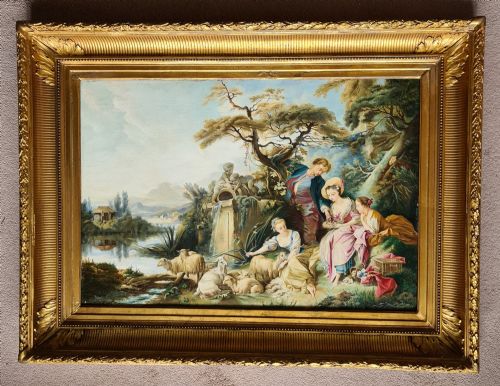
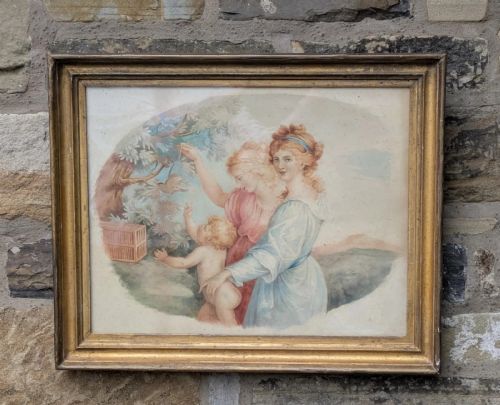
An 18th century figure painting brings together canvas works in oil and watercolour, alongside sculptural ceramics depicting human subjects.
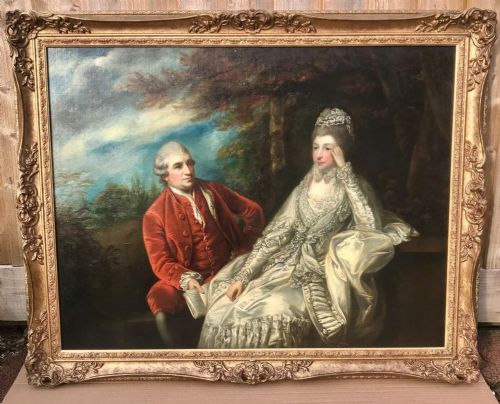
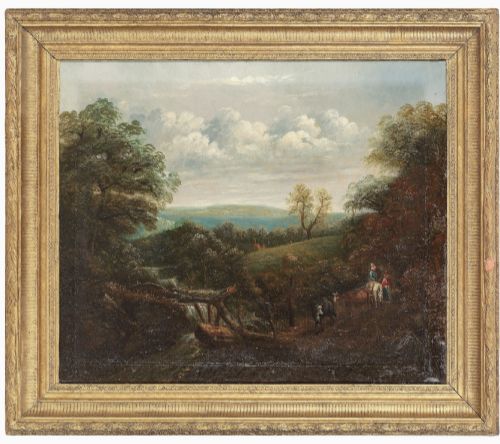
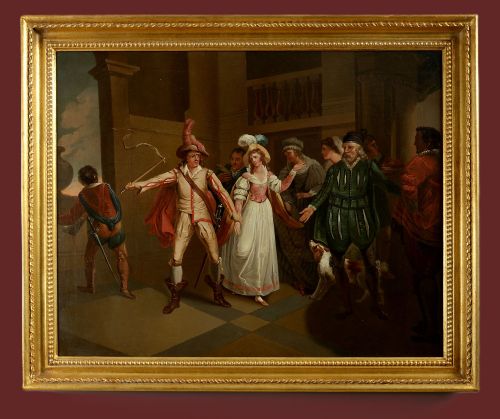
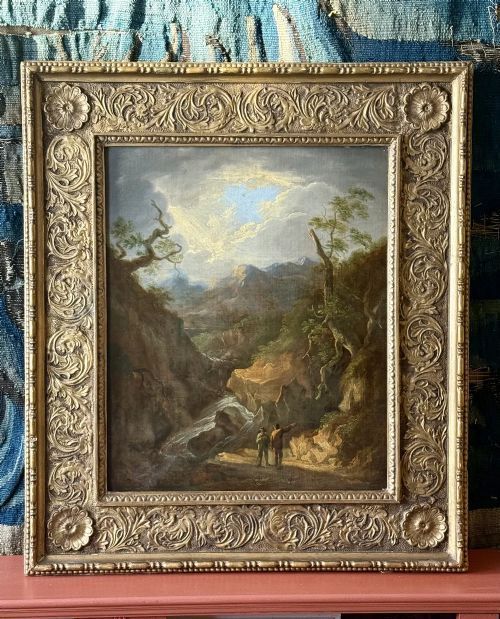
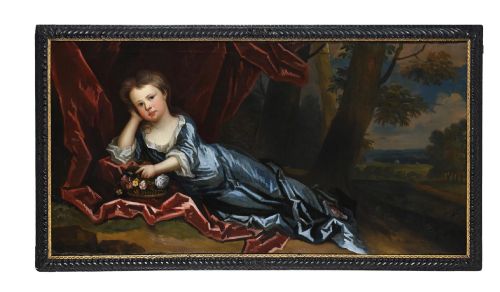
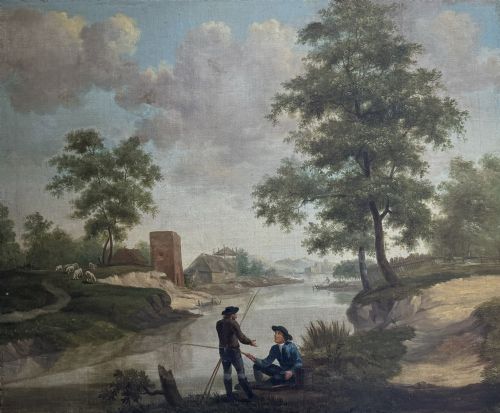
The selections span British, French, and Italian schools, encompassing rural landscapes populated by travellers, classical mythologies, and intimate portraits.
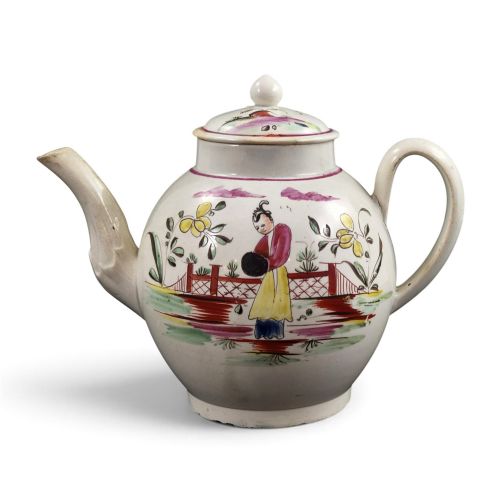
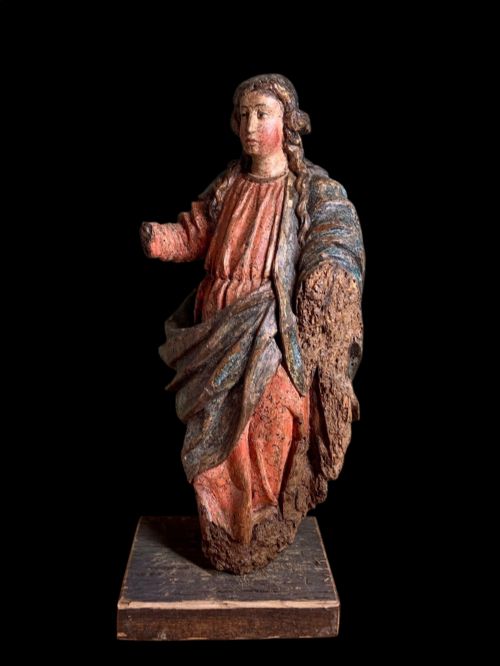
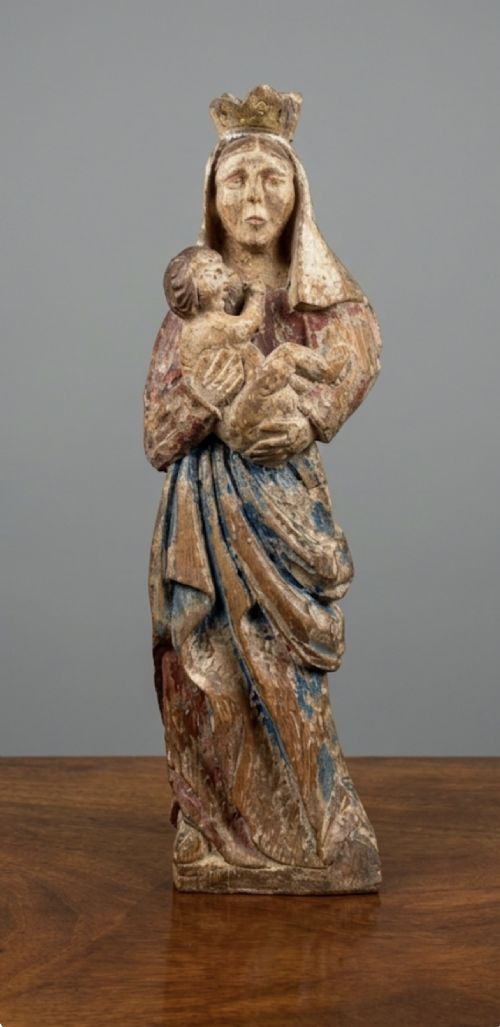
Alongside flat works, the category includes painted porcelain figures and carved wooden saints that share the era's fascination with human form and character.
Assessing the pieces
Quality rests upon the confidence of the brushwork or the crispness of the porcelain moulding, where master hands achieve distinct facial expressions and fluid drapery.
Provenance and attribution elevate a canvas, particularly when linked to documented regional schools or circles of known portraitists.
Condition remains paramount, distinguishing untouched painted surfaces and clean porcelain glazes from heavy later restoration.
The listings combine oil on canvas, soft-paste porcelain, and carved wood across British, French, and Italian regional schools.
Benjamin Barker of Bath·Charles D'Agar·Jean-Baptiste Greuze·Joshua Reynolds
The 18th Century Figure Painting Glossary
- Bocage
- A decorative background of applied porcelain leaves and branches often framing 18th-century ceramic figures. This Staffordshire and Derby convention adds a rich botanical texture behind the main subject.
- Soft-paste porcelain
- An artificial porcelain paste fired at lower temperatures than hard paste, common in early English factories. It produces a warm, creamy body beneath the glaze.
- Polychrome
- Decorated in several colours. This technique brings painted wooden sculptures and tin-glazed vessels to life with vibrant hues.
- Provincial school
- Regional groups of artists working outside major artistic capitals. These painters often record local landscapes and figures with charming directness.
- Chinoiserie
- European interpretations of Chinese artistic motifs and figures. Popularised during the Georgian period, it appeared on porcelain teawares and canvas screens alike.
18th Century Figure Painting: Frequently Asked Questions
What defines an 18th century figure painting?
These works encompass oil paintings, watercolours, and ceramic sculptures featuring human subjects set within landscapes, portraits, or mythological narratives.
They reflect the prevailing aesthetic values of Georgian and continental European artistic traditions.
How do I care for oil paintings?
Keep canvases away from direct sunlight and dramatic humidity fluctuations to protect the oil medium and wooden stretchers.
Dust surfaces gently with a soft, dry brush and avoid chemical cleaning agents.
Where were these porcelain figures made?
Many originate from prominent English factories such as Derby and Bow, alongside continental establishments like Meissen.
Each workshop utilised distinct paste formulas and modelling styles.
How can I tell periods apart?
Stylistic shifts from Baroque grandeur to Rococo asymmetry and later classical restraint help anchor pieces in time.
Examining materials, palette choices, and framing techniques provides further chronological clues.