



Gilded Wall Art
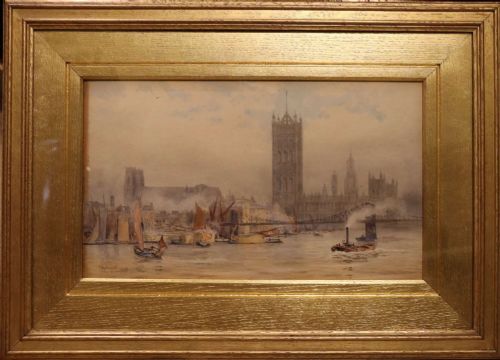
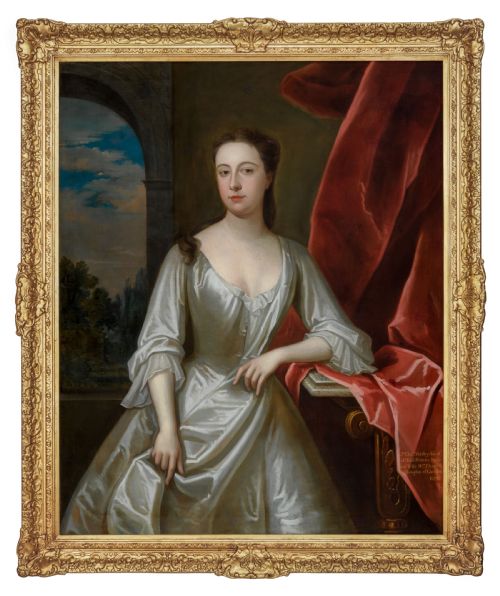
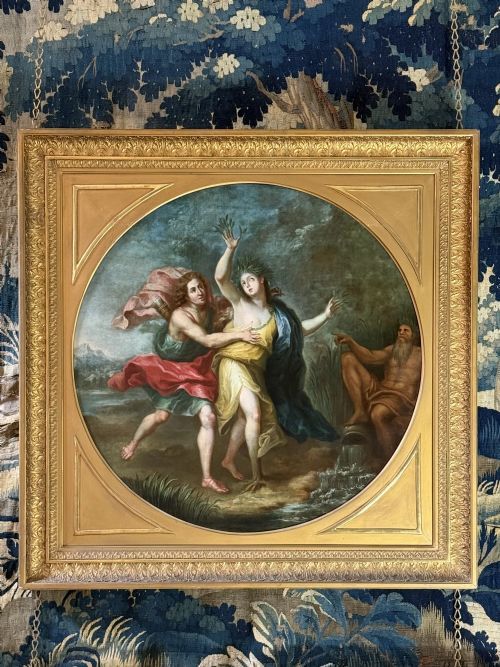
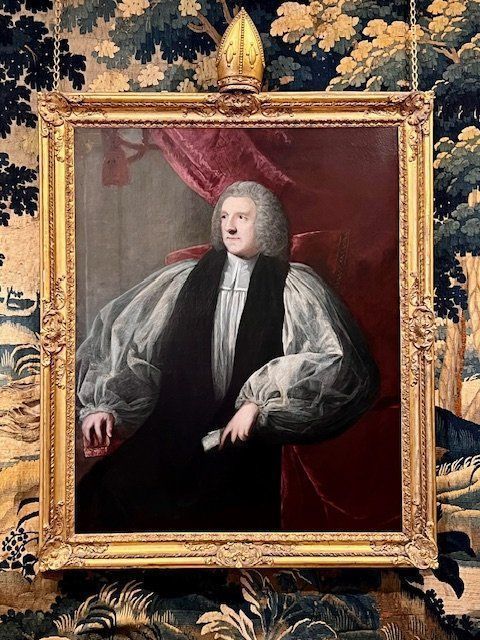
Gilded wall art gathers centuries of oil paintings, portraits and engravings within gleaming metallic frames.
Gilded Wall Art
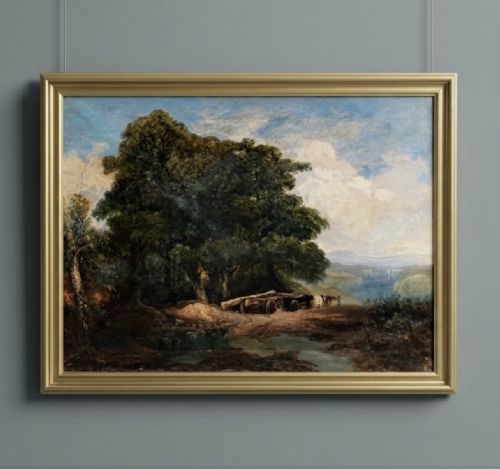
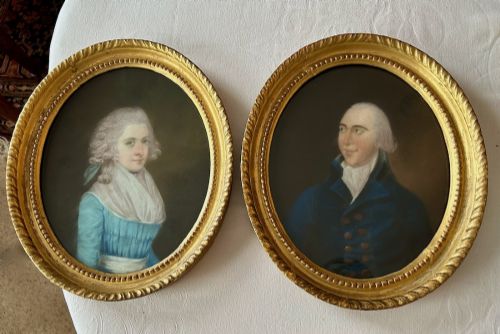
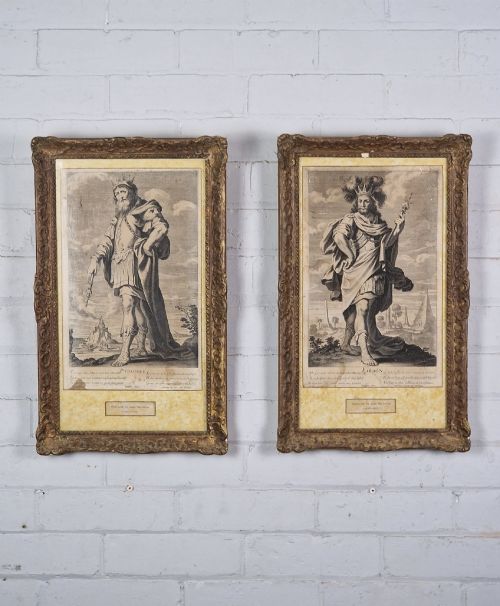
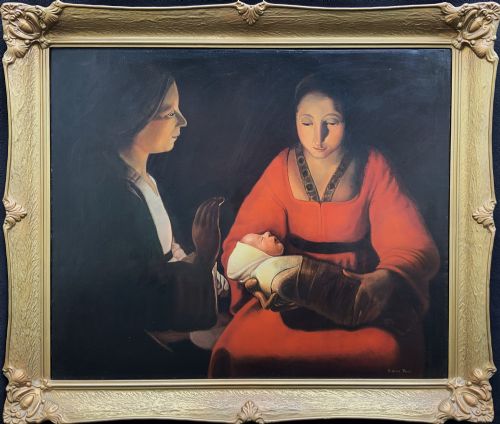
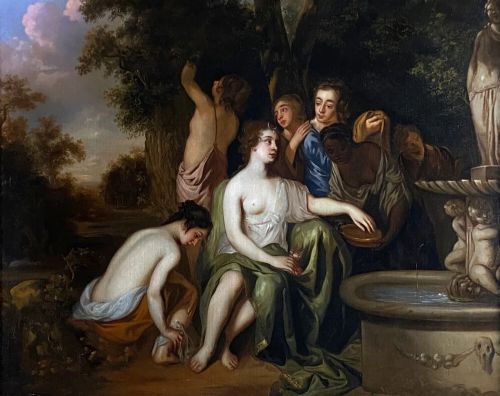
Gilded wall art primarily comprises traditional oil paintings on canvas or wood panel, alongside pastel portraits, engravings and prints secured within ornate metallic surrounds. These works range from seventeenth-century classical subjects and noble portraits to nineteenth-century landscapes and floral still lifes.
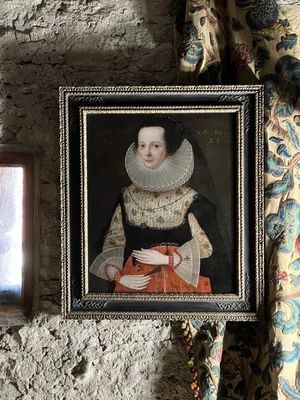
The dominant offerings on this page are historical oil paintings originating from British and European schools, spanning the Baroque, Georgian, Regency and Victorian periods. Buyers frequently encounter framed portraits and pastoral scenes that display the distinct hand of regional artists or period workshops.
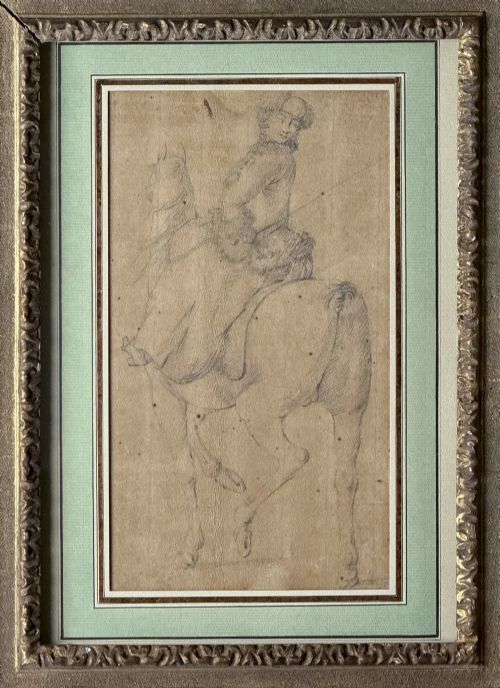
Beyond grand portraiture, the selection includes decorative works on paper, framed prints and plaster reliefs united by their historic framing. Each piece represents a specific period of interior ornamentation where metallic leaf served to elevate the central artwork.
How they were made
Makers constructed these works using oil paint applied to prepared canvas, wood panels, or copper plates, often layering pigments to achieve depth in landscapes and portraits. Canvases were stretched over wooden frames and secured before artists painted compositions that frequently drew upon classical mythology or real sitters.
The characteristic metallic surrounds utilise gold leaf or gesso applied to timber moulding, creating reflective borders designed to catch ambient light in domestic interiors. Craftsmen carved or moulded decorative motifs directly onto the wood substrate prior to gilding.
Several portraits feature subjects casually holding oranges, a seventeenth-century symbol of immense wealth and exotic imported luxury.
What varies in quality
The distinction between standard works and exceptional examples lies in the finesse of the brushwork, the anatomical accuracy of portraiture and the psychological depth captured by the artist. Master painters working within established court circles achieved superior rendering of textiles, light and shadow compared to contemporary provincial copyists.
Frame craftsmanship equally dictates overall merit, distinguishing hand-carved giltwood mouldings from mass-produced plaster embellishments. Superior pieces retain their original cohesive pairing of artwork and frame, reflecting the aesthetic standards of their initial period of creation.
Sir Godfrey Kneller·Sir Joshua Reynolds·Anthony Van Dyck·Sir Peter Lely·Francisco Goya
The Gilded Wall Art Glossary
- Giltwood
- Wood carved and coated with gold leaf or metallic powder to create a reflective, ornate surface. This material defined high-status picture frames throughout the seventeenth and eighteenth centuries.
- Mezzotint
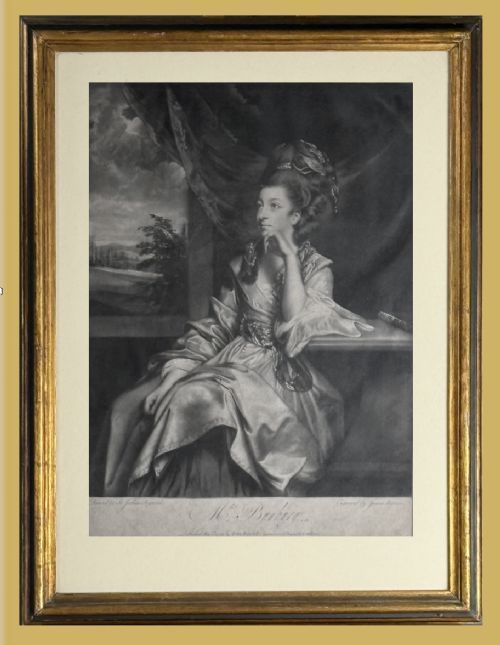
- A printmaking process of the intaglio family where artists work from dark to light using a rocker to create rich tonal gradations. This technique suited the reproduction of oil paintings and portraits.
- Gesso
- A paint mixture consisting of a binder mixed with chalk, gypsum, or pigment, applied to wood panels or frames as a base for gilding. It provided a smooth surface for subsequent layers of gold leaf.
- Pastel
- A dry painting medium consisting of powdered pigment and a binder, frequently used for intimate eighteenth-century portraits. Works executed in this medium required glass protection to prevent surface disruption.
- Old Master
- A term applied to European painters of skill working before about eighteen hundred. These artists belonged to recognised guilds and shaped regional painting traditions.
Gilded Wall Art: Frequently Asked Questions
How do I hang heavy gilded art?
Heavy oil paintings and substantial giltwood frames require secure wall fixings such as steel screws anchored directly into wall studs or masonry plugs.
Using dual hanging points distributes the considerable weight evenly and prevents the frame from tilting forward over time.
Are these oil paintings original works?
The inventory includes both original hand-painted oils and period reproduction paintings created after earlier masters, alongside historical prints and engravings.
Individual listings specify whether a piece is an original primary work or executed after a known artist from an earlier century.
What lighting suits oil paintings best?
Position paintings away from direct, harsh sunlight to prevent fading of oil pigments, delicate watercolours, and yellowing of aged varnish layers.
Gentle, indirect ambient illumination or dedicated low-heat picture lights positioned above the frame highlight the metallic shimmer effectively.