





Victorian Lady Canvas Art
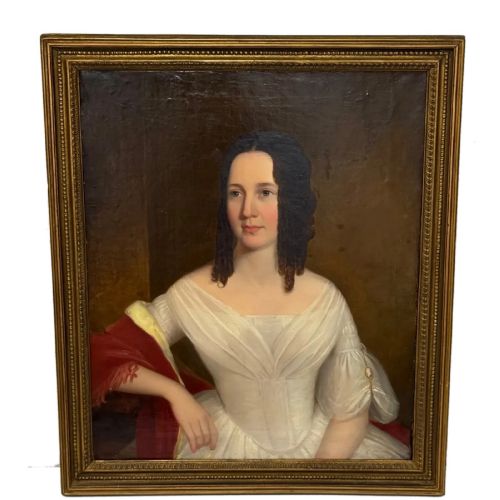
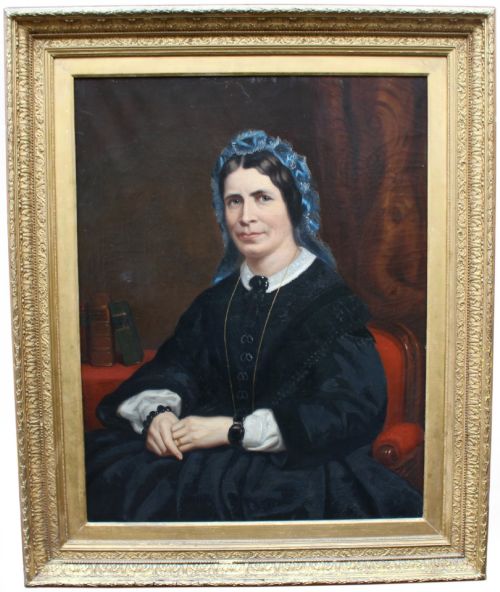
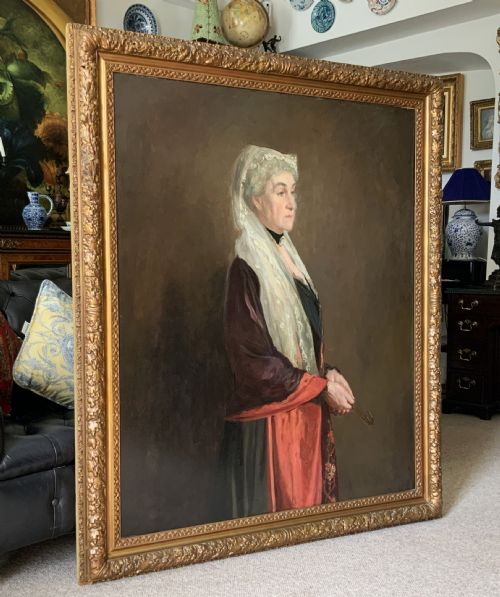
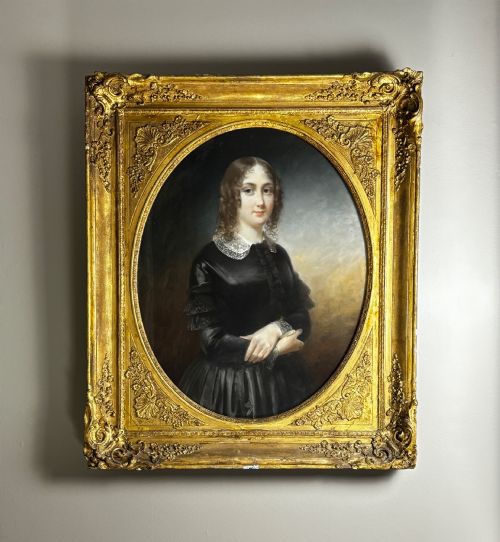
Victorian lady canvas art brings 19th-century portraiture into modern spaces, offering oil paintings on canvas framed in wood and gesso.
Victorian Lady Canvas Art
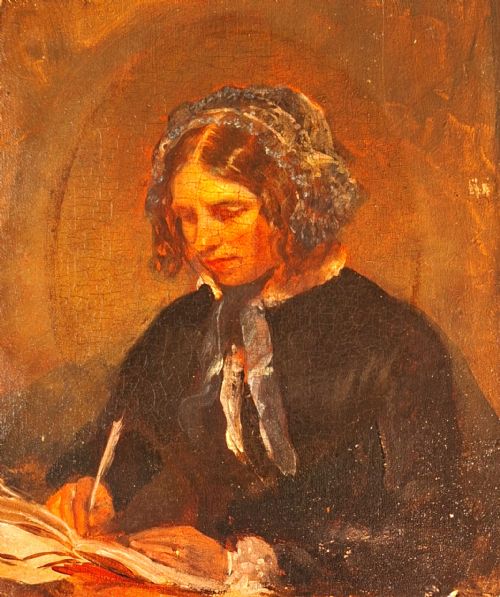
Victorian lady canvas art consists primarily of oil paintings on canvas depicting female subjects, originating mostly in the 19th century and spanning periods from 1800 to the early 20th century.
Buyers encounter individual portraits, historical genre scenes, and society paintings created within British and French academic traditions, often featuring named sitters or artists.
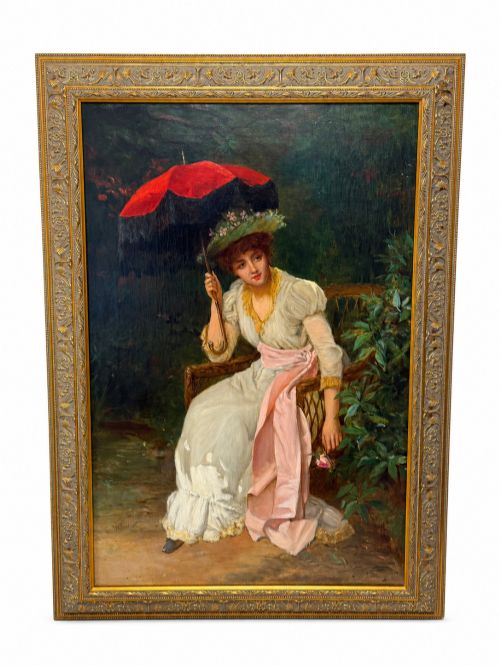
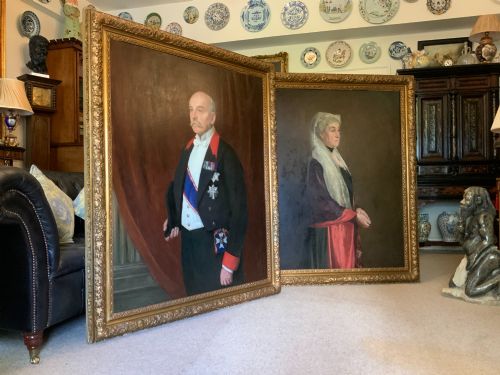
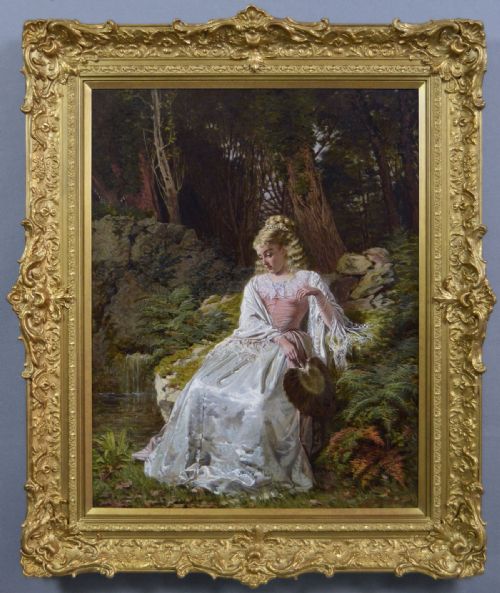
The dominant format on this page is the framed oil painting, showing subjects ranging from young society women to elderly sitters in detailed attire.
How they were made
Artists applied oil paint to stretched canvas surfaces, utilising brushwork to capture fabrics, facial expressions, and lighting.
The resulting artworks are housed in wood frames finished with gesso, gold leaf, or giltwood, providing structural support and decorative borders.
Several ladies are immortalised alongside faithful dogs, elaborate feathered hats, and even red parasols.
What varies in quality
Quality rests in the precision of the brushwork, the psychological depth of the portrait, and the anatomical accuracy achieved by the painter.
The preservation of the original canvas and the craftsmanship of the gilded wooden frame contribute significantly to the standing of each piece.
John Maler Collier·William Oliver·Honore Cavaroc·Thomas Edward Roberts·William Henry Knight·Louis William Desanges·August Heinrich Riedell·Heywood Hardy·Paul Viry·George Percy Jacomb-Hood·Samuel Lawrence·Harry Clifford Pilsbury·Bryce Smith·Richard Buckner
The Victorian Lady Canvas Art Glossary
- Oil on Canvas
- A painting medium where pigments are bound with drying oils and applied to a woven fabric support. This combination allows for rich colour blending and durability.
- Gesso
- A paint mixture consisting of a binder mixed with chalk, gypsum, or pigment, used to prepare wood surfaces before gilding. It provides a smooth base for gold leaf.
- Giltwood
- Wood that has been treated with a thin layer of gold leaf or powder. This finish was standard for framing significant 19th-century portraits.
- Academic
- Art produced under the influence of European academies of art, following strict standards of composition and finish. These works often display high technical proficiency.
Victorian Lady Canvas Art: Frequently Asked Questions
What periods do these paintings come from?
The works primarily date from the 19th century, encompassing the Victorian era as well as periods around 1800, 1870, 1880, 1890, 1900, and 1910.
This broad span reflects the academic and romantic painting traditions popular across Britain and France during those decades.
How were these portraits used originally?
These oil paintings served as formal likenesses commissioned by families, society members, or patrons to document notable individuals and ancestors.
They hung in drawing rooms, studies, and galleries as markers of social standing and heritage.
How should I live with canvas art?
Keep the paintings away from direct sunlight and excessive humidity to protect the oil paint and the underlying canvas from degradation.
Ensure the wooden and giltwood frames are supported securely on walls using appropriate fixings for their weight.
How do I identify different painting styles?
Look at the brushwork, subject matter, and clothing styles to differentiate between Regency, Victorian, and Edwardian aesthetic approaches.
Signatures, inscriptions on the reverse, and the construction of the gesso frame often provide clues to the exact era and origin.