




Dark Background Portrait Painting
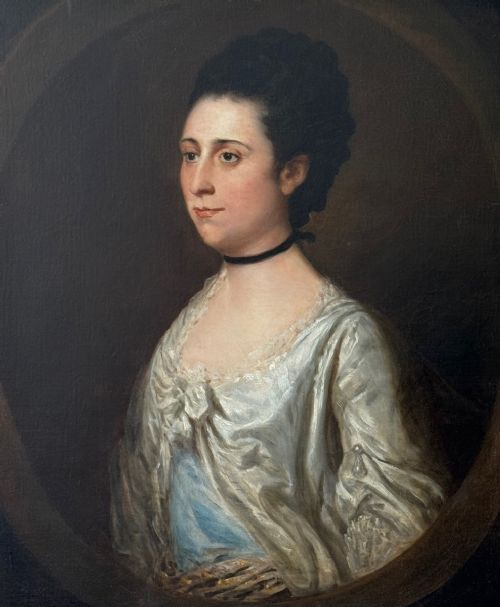
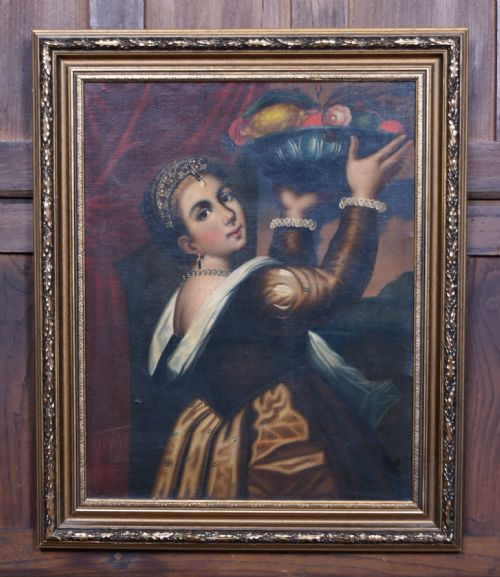
Dark background portrait painting pulls the viewer inward, offering striking likenesses set against deep, shadowy recesses.
Dark Background Portrait Painting
A dark background portrait painting brings together historical figures, nobility, clergy, and domestic sitters depicted against deep, sombre voids that isolate the subject. This page encounters these works primarily through centuries of oil paintings on canvas and wood panel, spanning periods from the seventeenth century through the Edwardian era.
The compositions draw heavily upon Baroque, Georgian, and Regency traditions, where shadow and light create immediate dramatic tension around the face and attire. Most pieces on this page represent either British or continental schools, capturing specific individuals ranging from bishops and generals to children and domestic animals.
Subjects emerge from near-black depths through careful manipulation of tone, relying on the contrast between dark grounds and illuminated flesh or elaborate garments. These works serve as records of status, identity, and artistic technique across distinct historic periods.
What separates the work
The ability of the artist to render bone structure, fabric texture, and facial expression against a flat, lightless void determines the visual success of the piece. Superior hands manage shadow without losing the edges of hair or costume into the blackness, whereas lesser examples leave the sitter appearing flat or disconnected from the ground.
Subjects documented on this page include military officers, bishops, children, Persian kittens, and a nineteenth-century railway king.
Thomas Beach·Margaret Sarah Carpenter·Hyacinthe Rigaud·Agnes Augusta Talboys·Eden Upton Eddis·John Closterman·William Huggins·Lemuel Francis Abbott·Henry Wyatt·Cowan Dobson
The Dark Background Portrait Painting Glossary
- Oil on Canvas
- Pigment mixed with drying oil applied to a woven fabric support. This combination allowed artists greater flexibility in blending tones for deep, shadowy backgrounds.
- Wood Panel
- A rigid wooden board used as a painting support before canvas became standard. Earlier portraits frequently utilised this sturdy base.
- Baroque
- An artistic style characterised by exaggerated motion and clear detail used to produce drama. In portraiture, this manifests as stark contrasts between dark grounds and intense lighting.
- Giltwood
- Wood carved and covered with a thin layer of gold leaf. Frames made in this manner frequently complement the deep tones of historical portraits.
- School
- A group of artists sharing a similar style, time period, or geographical region under the influence of a master. Attributions often use terms like Flemish School when an exact hand remains unknown.
Dark Background Portrait Painting: Frequently Asked Questions
What is a dark background portrait painting?
These works feature human or animal subjects isolated against deep, shadowed backgrounds that minimise distraction and focus attention entirely on the face and costume.
Painters used this convention across centuries to heighten dramatic tension and lend an air of solemn gravity to the sitter.
How do I identify the period of a portrait?
Clothing, hair styling, and framing materials offer the most reliable clues to a painting's age, supported by any inscriptions or stretcher marks on the reverse.
Comparing the sitter's lace collars, military dress, or robes to historical fashion plates helps narrow down the decade of execution.
Why are some painted on wood panels?
Wood panels served as the primary rigid support for oil paintings before large-scale canvas preparation became widespread in the seventeenth century.
Artists favoured panels for smaller works because the smooth, solid surface allowed for minute detail and prevented the cracking associated with early canvas.
How should I care for an old oil painting?
Keep antique oils away from direct sunlight, excessive heat, and sudden humidity fluctuations to prevent the canvas from sagging or the wood panel from warping.
Dust the surface gently with a soft, dry brush and avoid using chemical cleaning agents on the aged varnish layers.