
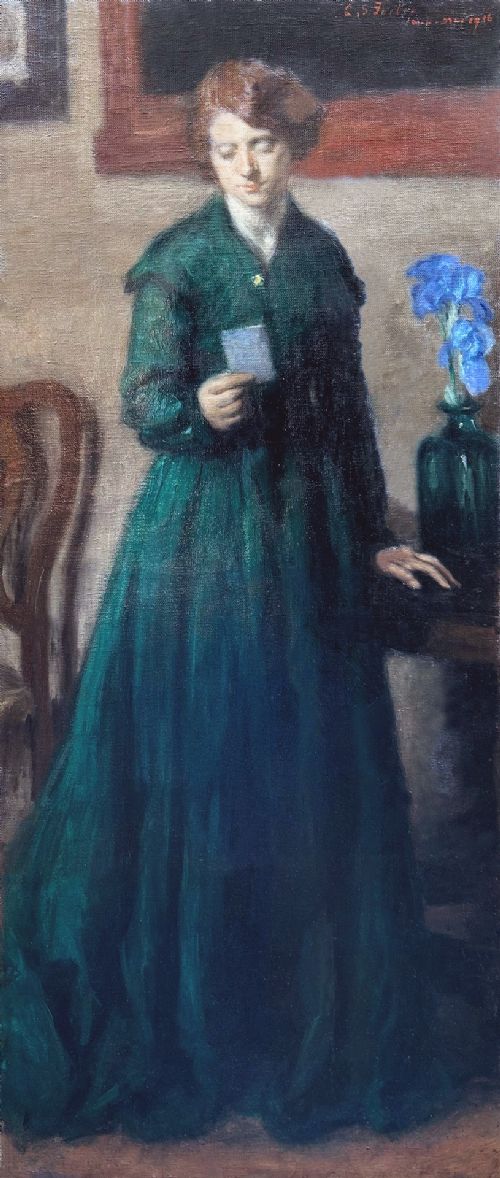
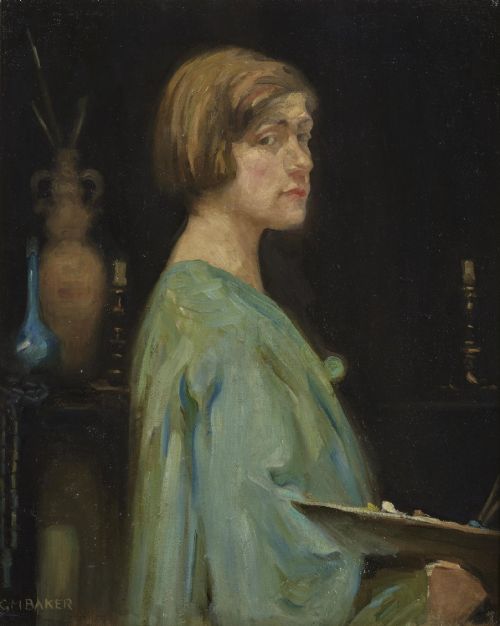
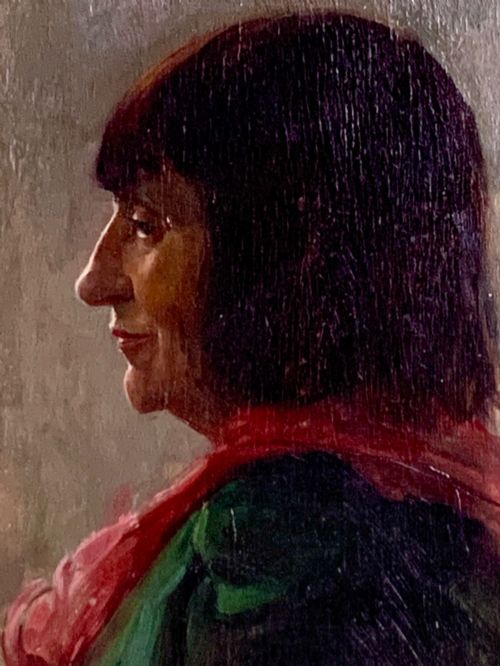


Green Dress Portrait Painting
Green dress portrait painting brings together centuries of figurative art spanning the seventeenth century to the mid-twentieth century.
Green Dress Portrait Painting
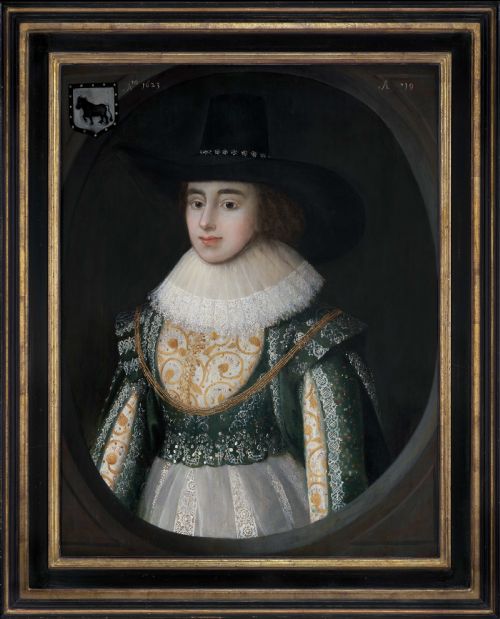
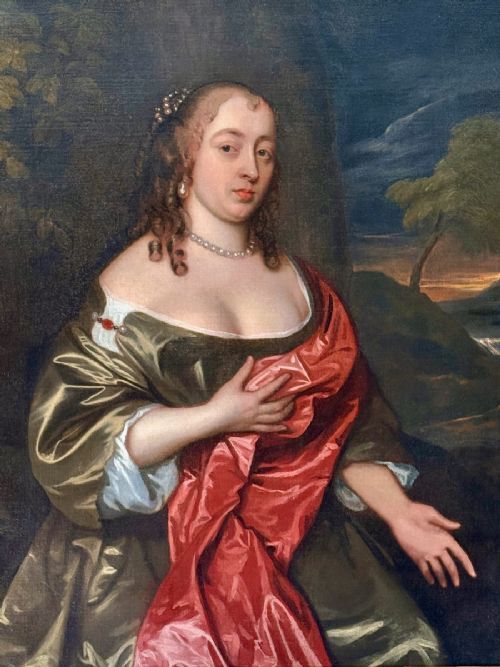
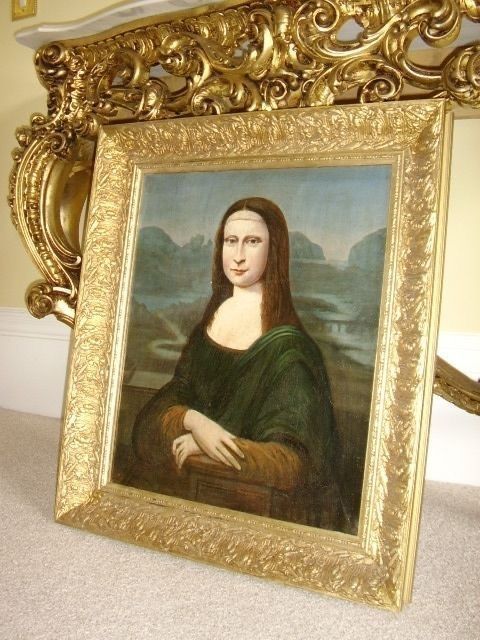
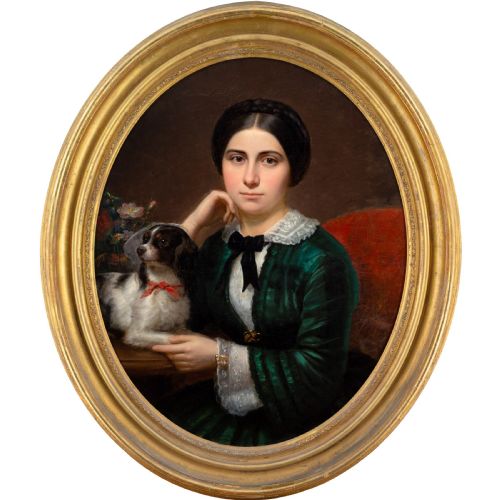
A green dress portrait painting depicts an individual subject wearing green garments, captured across various historic periods from the seventeenth century onward.
The selections on this page range from seventeenth-century oil paintings on canvas and panel to twentieth-century works in watercolour, pastel, and acrylic.
Buyers encounter European schools, British portraiture, and reverse glass prints depicting ladies, children, and artists in distinct historical settings.
How They Were Made
Works on paper utilise watercolour, pastel, or pencil, capturing delicate tonal shifts in the subject's clothing and surroundings.
Certain examples employ reverse glass printing techniques, applying pigments directly to glass plates to achieve distinct surface sheens.
Several ladies share their painted spaces with domestic companions, including an attentive dog, an arum lily, and a spinning wheel.
What Varies In Quality
Condition of the underlying canvas, panel, or paper surface influences the visual stability of the painted layer.
Attribution to documented artists or recognised schools provides a clear indication of historical context and execution level.
John Hayls·Cornelius Johnson·Nicolaes Maes·Thomas Gainsborough·Michael Dahl·John Michael Wright
The Green Dress Portrait Painting Glossary
- Oil on canvas
- Pigments suspended in a drying oil medium applied to a woven fabric support. This combination allows for rich blending and depth of colour.
- Panel painting
- Artworks executed on prepared wooden boards rather than fabric. This rigid support was common in earlier centuries.
- Reverse glass print
- An image applied to the back of a glass sheet and viewed from the front. The technique produces a glossy, protected finish.
- Pastel
- A dry drawing medium consisting of powdered pigment and a binder. It creates soft, velvety surfaces requiring careful glazing.
- Provenance
- The documented history of ownership of an art object. Clear records help confirm authenticity and past exhibitions.
Green Dress Portrait Painting: Frequently Asked Questions
What periods do these portraits cover?
The available selection spans from the seventeenth century through the Georgian and Victorian eras into the mid-twentieth century. Artists recorded sitters across multiple stylistic movements including Baroque, Post-Impressionism, and European realism.
Earlier pieces often feature formal oil on canvas, while later centuries introduce watercolours, pastels, and acrylics. Each era brings distinct clothing styles and painting techniques to the depiction of the subject.
How do I identify the sitter's period?
Clothing styles, hairstyles, and framing conventions offer the clearest clues to a portrait's date of origin. Poses and background elements also reflect the prevailing tastes of the artist's specific decade.
Comparing the garment design with documented historical fashion helps narrow down the timeframe when signatures or dates are absent.
Are these works painted on canvas?
Many examples utilise oil on canvas or oil on panel, which were standard supports for formal historic portraiture. Wooden panels tend to appear on seventeenth-century works.
Other pieces employ paper supports for watercolours and pastels, or glass for specialised print techniques. The material depends entirely on the medium chosen by the artist.
How should I display antique portraits?
These artworks require placement away from direct sunlight and excessive humidity to protect the paint layer and paper supports. Proper framing helps maintain structural stability for canvas and panel pieces.
Stable indoor temperatures prevent the warping of wooden panels and the degradation of historic canvas grounds over time.