


Romantic Figurative Painting
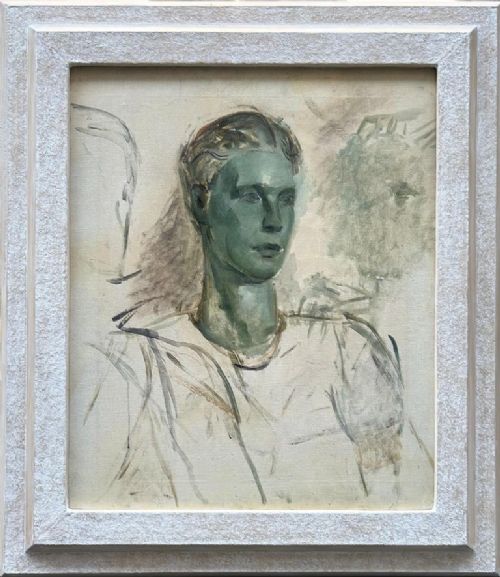
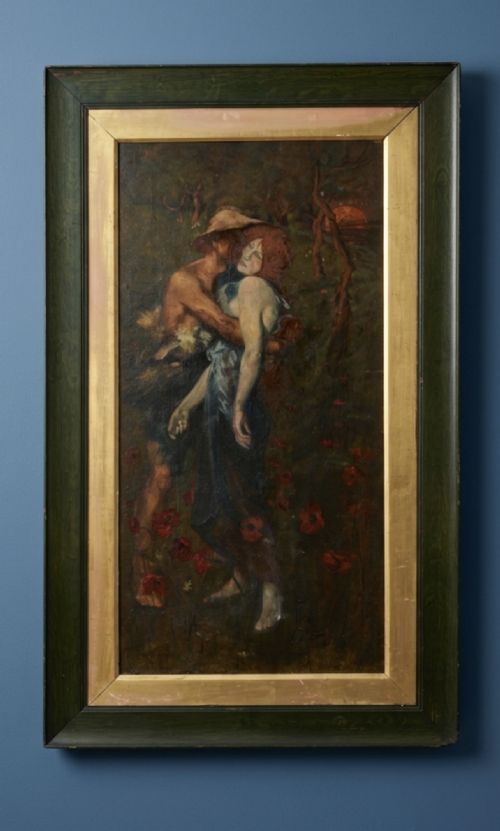
Romantic figurative painting captures human emotion and narrative, offering striking portrayals of figures through expressive oil and canvas works.
Romantic Figurative Painting
Romantic figurative painting encompasses canvas and panel works focusing on human subjects, intimate poses, and narrative scenes. When searching for romantic figurative painting, buyers encounter portraits and genre scenes originating from the nineteenth century through the mid-twentieth century.
The pieces on this page span French academic works, Victorian symbolism, pastoral romanticism, and modern British compositions. Framed paintings and wall art dominate the selections, often housed in gilt wood and gesso frames.
Subjects range from courting couples and family scenes to portraits of young men and historical Italian genre settings. Artists capture expressive moments, such as country marriages and musical interludes, using oil paint on canvas.
How they were made
These works rely on oil paint applied to canvas or wood supports, capturing rich texture and depth. Artists utilise traditional brushwork to render drapery, flesh tones, and atmospheric backgrounds in portrait and genre subjects.
Frames frequently employ gilt wood and moulded gesso to complement the painted surface. Gilding techniques provide an ornate border that defines the visual boundary of the nineteenth-century and vintage canvases.
Dogs and pups occasionally share the canvas with humans, proving that nineteenth-century artists knew pets steal every scene.
What varies in quality
Quality rests in the handling of the human form, facial expression, and narrative clarity within the composition. Masterful brushwork and nuanced colour palettes elevate an academic or genre painting above standard decorative copies.
The preservation of the original canvas and oil paint surface dictates the integrity of the piece. Additionally, period frames executed in carved gilt wood and gesso contribute significantly to the overall presence of the artwork.
Charles Zacharie Landelle·Hendricus Joseph Dillens·Willem Johannes Martens·Eva Hollyer·Leon Girardet
The Romantic Figurative Painting Glossary
- Genre painting
- A style of painting depicting scenes from everyday life, ordinary people, and domestic interactions. These works often tell a story or capture a specific cultural moment.
- Gesso
- A plaster-like mixture applied to wood frames before gilding or painting. It provides a smooth surface for intricate moulding and gold leaf application.
- Gilt wood
- Wood coated with a thin layer of gold leaf or metallic powder. This material is standard for framing nineteenth-century oil paintings.
- Academic painting
- A style of painting produced under the influence of European academies of art. It emphasises rigorous technique, historical or mythological subject matter, and polished realism.
- Grisaille
- A painting executed entirely in shades of grey or neutral monochrome. This technique creates a sculptural effect reminiscent of stone or relief carvings.
Romantic Figurative Painting: Frequently Asked Questions
What is romantic figurative painting?
It is an artwork category focused on human subjects, emotional narratives, and expressive interactions. These pieces often depict couples, families, or historical figures in pastoral and domestic settings.
Created primarily in oil on canvas, the style draws from nineteenth-century academic traditions, Victorian symbolism, and pastoral romanticism.
How were these paintings framed?
Period frames for these artworks typically consist of carved wood enhanced with gesso and gilt finishes. These ornate borders were designed to complement the rich tones of the oil paintings.
The combination of gilt wood frames and canvas works creates a cohesive display suitable for traditional interiors.
How do I identify nineteenth-century works?
Nineteenth-century pieces often display characteristic academic techniques, distinct subject matter like genre scenes, and period framing materials. Signatures, artist plaques, and canvas stamps can also provide chronological markers.
Examining the preparation of the canvas and the composition style helps distinguish these historical pieces from later twentieth-century interpretations.
Where should I hang these paintings?
These framed works suit principal reception rooms, studies, or hallways where lighting enhances the oil paint textures and gilt frames. Placing them away from direct sunlight preserves the pigment and canvas integrity.
Pairing a portrait or genre scene with period furniture complements the historical character of the artwork.