


Interwar Fine Art Oil
These interwar fine art oil pieces capture the shifting moods of the decades between the world wars through pigment on canvas and board.
Interwar Fine Art Oil
When you search for interwar fine art oil, you examine paintings created during the turbulent and experimental decades of the 1920s and 1930s. The selection on this page leans heavily toward French modernism, post-impressionism, and striking portraits from the art deco period.
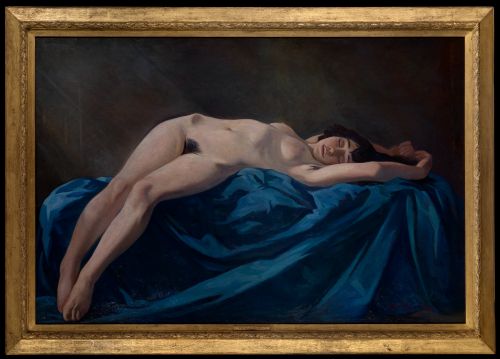
The subjects range from intimate domestic interiors and abstract landscapes in Provence to bold studies of female figures, such as nudes and flappers. Artists of this era used oils to explore both traditional portraiture and emerging modernist movements with equal vigour.
How they were made
These works rely on traditional applications of oil paint spread across prepared canvas, wooden boards, and framed surfaces. Painters of the period manipulated viscous oils to achieve varied textures, ranging from smooth, flat planes suitable for modernist compositions to thick, expressive impasto found in post-impressionist landscapes.
Frames play a crucial role in the presentation, with original giltwood and gilt wood mouldings frequently housing the canvas. The physical support often includes solid wood stretchers or rigid boards that have aged alongside the pigment.
What varies in quality
Quality rests upon the artist's command of composition, handling of light, and the emotional resonance captured within the oil medium. Works that successfully fuse modernism with traditional draughtsmanship command greater attention.
The integrity of the canvas, the stability of the oil paint layer, and the preservation of the original gilt frame all contribute to the overall standard of the piece.
Eric Robertson·Raymond Moritz·Cowan Dobson RBA RP
The Interwar Fine Art Oil Glossary
- Oil on Canvas
- Pigments suspended in a drying oil, typically linseed, applied to a woven fabric stretched across a wooden frame. This combination allows for rich colour depth and flexible ageing.
- Post-Impressionism
- An art movement extending beyond impressionism that prioritises emotional expression and structural clarity over mere optical realism. Artists use bold brushwork and non-naturalistic colour.
- Art Deco
- A design style prevalent in the 1920s and 1930s characterised by sleek lines, stylised forms, and geometric elegance. Paintings from this period often reflect these clean, modern aesthetics.
- Modernism
- A radical shift in artistic philosophy starting in the early twentieth century that rejects traditional academic realism in favour of abstraction and experimentation.
- Giltwood Frame
- Wood carved and coated with a thin layer of gold leaf or metallic powder. These frames provide period-accurate context for interwar paintings.
Interwar Fine Art Oil: Frequently Asked Questions
What defines an interwar oil painting?
These works date roughly from the 1920s and 1930s, bridging the gap between historical academic art and twentieth-century modernism. They reflect the cultural shifts and artistic experimentation of the period.
The palette and subject matter often capture contemporary life, from leisure scenes to stark portraits, executed in oil on canvas or board.
How should I display a vintage oil painting?
Keep the artwork away from direct sunlight and fluctuating humidity to protect the oil pigments and canvas support. Proper hanging ensures the structure remains stable over time.
Pairing the canvas with its period-appropriate giltwood frame helps maintain both its visual balance and historical context.
Are these paintings signed by the artist?
Many of the works retain signatures, dates, or documentation that link them directly to known painters of the era. Attribution often relies on these inscriptions alongside stylistic evidence.
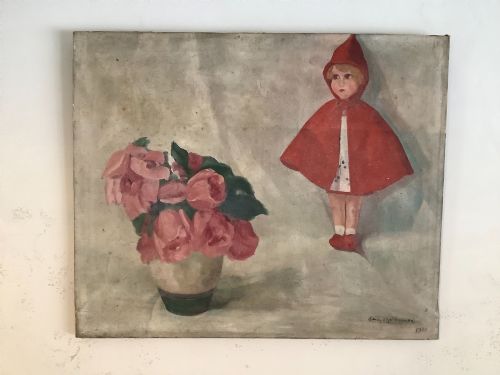
Some pieces remain unsigned or naive in origin, representing the broader output of anonymous makers working during the period.
What subjects are common in these works?
Portraits dominate a significant share of the selection, capturing figures from society figures to modernist muses. Landscapes and interior scenes also feature prominently.
Artists frequently explored human form and regional geography, particularly through French modernist and post-impressionist lenses.