
Fine Art Portraiture Oil
Fine art portraiture oil brings centuries of likenesses to life on canvas, capturing nobility, gentry and self-representation through historical paint.
Fine Art Portraiture Oil
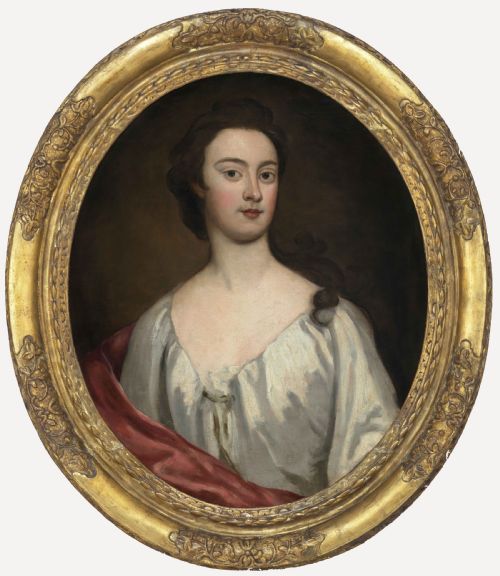
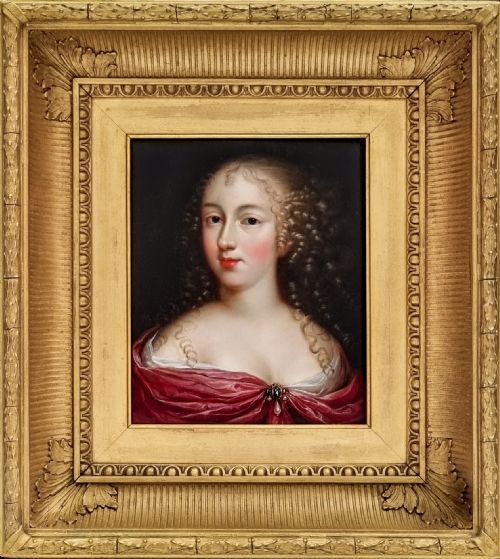
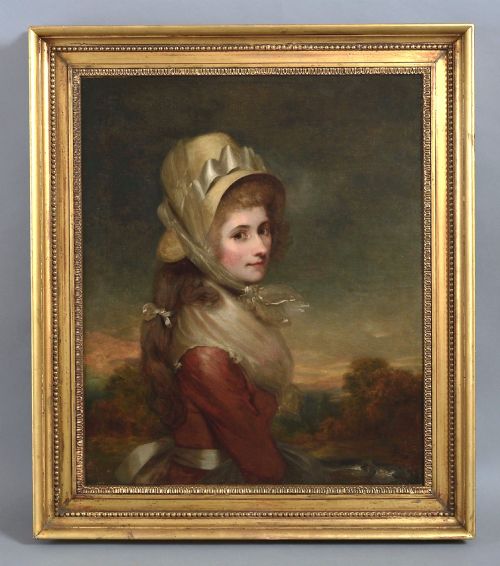
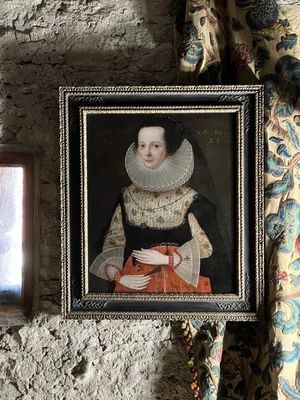
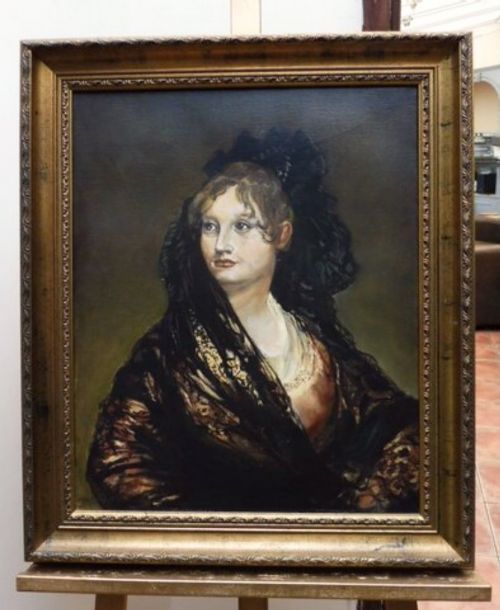
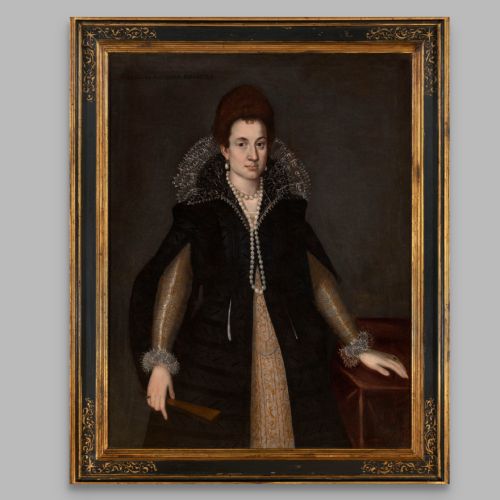
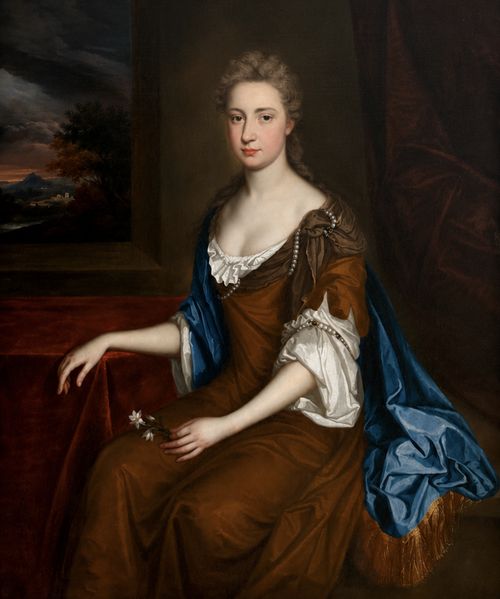
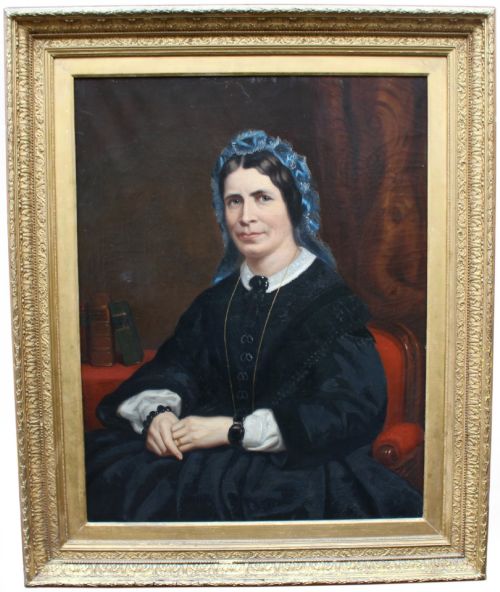
Fine art portraiture oil spans centuries of painted likenesses, ranging from seventeenth-century nobility in elaborate costume to nineteenth-century domestic subjects and self-portraits. Buyers searching this category encounter framed canvases and panel paintings depicting identifiable sitters, anonymous subjects, and royal figures.
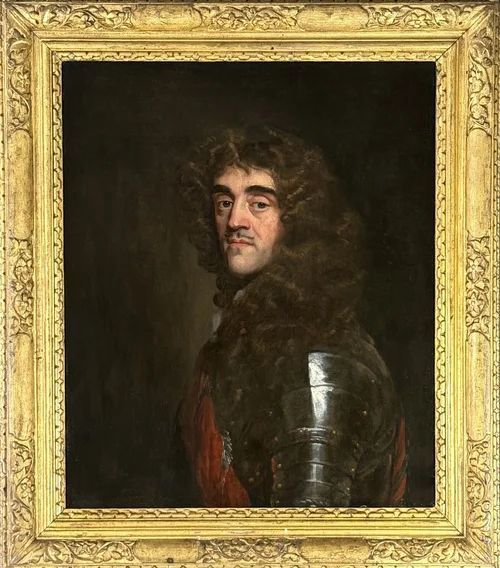
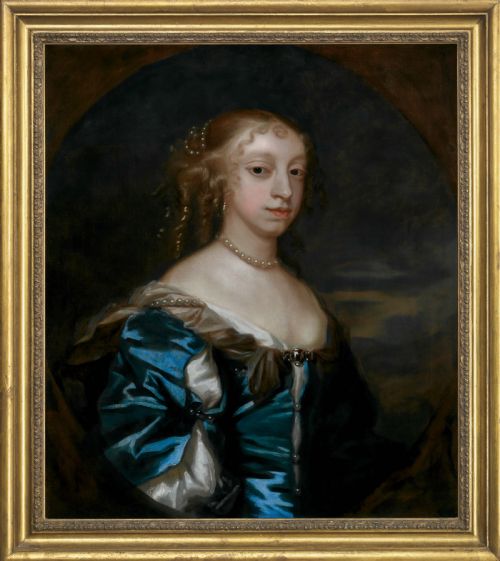
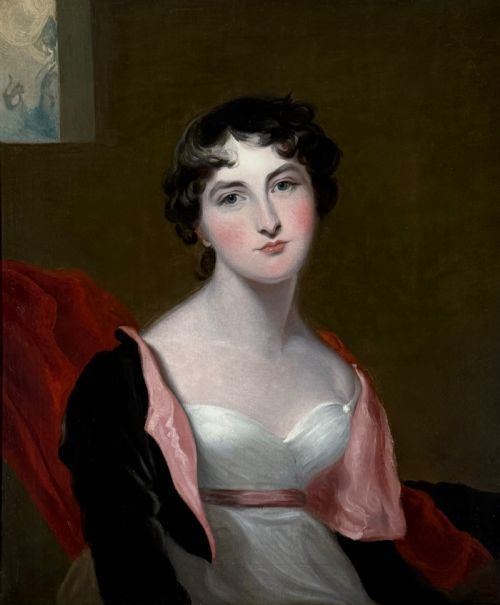
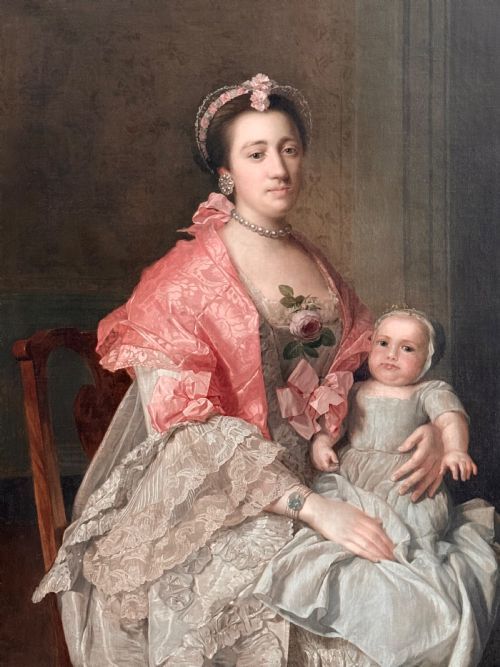
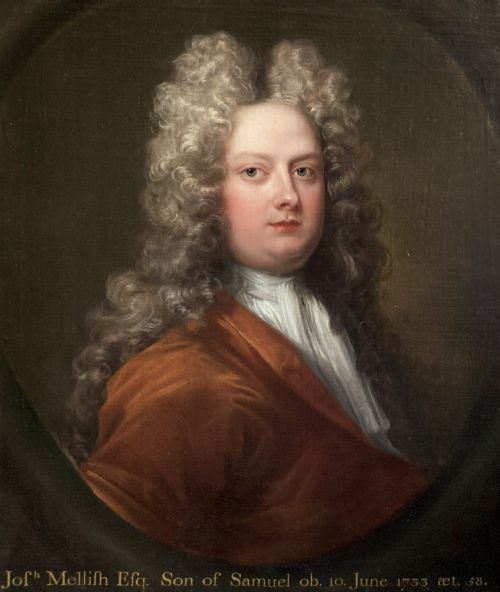
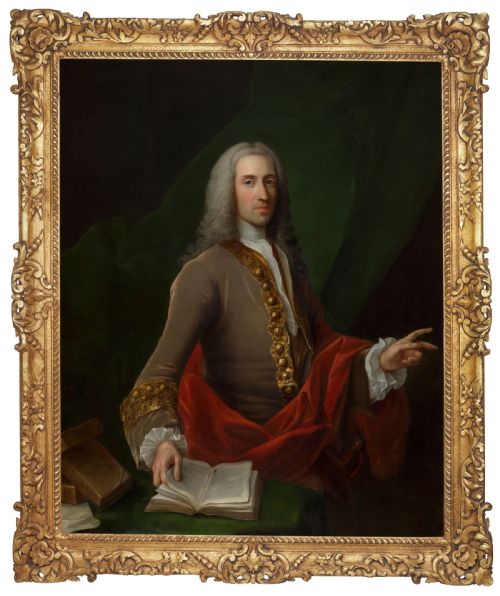
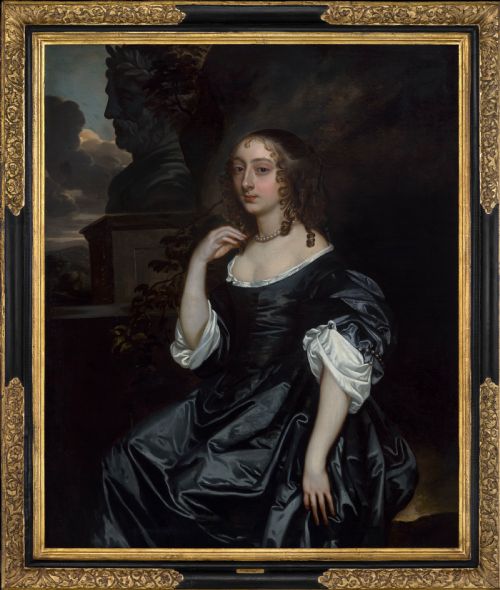
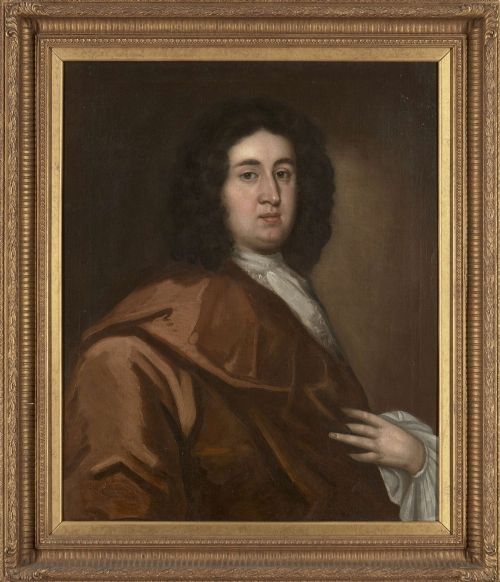
The selections recorded here heavily favour seventeenth- and eighteenth-century British and European portraiture, alongside Victorian works and later twentieth-century examples. Common subjects include gentlemen in periwigs, noblewomen in velvet or lace, and children rendered by studio followers or regional schools.
Forms vary from grand aristocratic commissions to modest panel portraits, reflecting the social standing of the original sitters. Many pieces arrive housed in period frames constructed from giltwood and gesso.
What varies in quality
The ability of the hand dictates the upper tier, where facial bone structure, light falling across silk or velvet, and the psychological depth of the sitter emerge with startling clarity. Weaker examples rely on formulaic drapery and stiff, generic expressions painted by routine studio assistants.
Preservation of the original paint layer separates well-kept works from heavily restored surfaces, particularly where overpainting obscures the subtleties of the initial brushwork. The integration of the period frame with the painting also influences the overall integrity of the piece.
Several gentlemen in the collection refuse to remove their elaborate periwigs, maintaining strict seventeenth-century courtroom decorum even while staring blankly at your living room.
Charles Jervas·Sir Martin Archer Shee·Jeremiah Davison·Pierre Mignard·Thomas Murray·Sir Peter Lely·Thomas Beach·Pietro Fachetti·John Closterman·Jonny Gaston·Sir Allan Ramsay·Albin Mattenheimer·Sir Anthony van Dyck·Achille-Fould·Cornelius Johnson·Florence Small·Philip Naviasky·Theodore Jensen·Joseph Highmore
The Fine Art Portraiture Oil Glossary
- Oil on canvas
- Pigment suspended in drying oil and applied to a woven fabric support. This combination allowed artists to blend tones smoothly and work on a grand scale.
- Gesso
- A plaster mixture applied to wood frames or panels as a smooth base for gilding. It provides a bright white foundation that enhances the brilliance of gold leaf.
- Panel painting
- Art executed on a flat piece of wood rather than stretched fabric. These supports were common in earlier centuries before canvas gained widespread use.
- Periwig
- A voluminous artificial hairpiece worn by fashionable men during the seventeenth and eighteenth centuries. Its presence helps date portraits to specific decades.
- Giltwood
- Timber carved and coated with gold leaf or metallic powder. It provides the decorative, reflective border typical of antique picture frames.
Fine Art Portraiture Oil: Frequently Asked Questions
How do I date an antique oil portrait?
Clothing, hairstyles, and framing styles offer the most reliable clues for dating historical likenesses. Costumes changed rapidly across decades, allowing experts to narrow down the execution period.
Written inscriptions on the reverse of the canvas or panel occasionally record the sitter's identity and the year the work was painted. Stylistic comparisons with documented pieces by the same school or artist further refine the date.
What is the difference between canvas and panel portraits?
Panel portraits use solid wooden boards as a rigid support, which was standard practice during the sixteenth and seventeenth centuries. They tend to have a smooth, stable surface that preserves fine details.
Canvas supports became more common as portrait sizes increased and artists required lighter, portable mediums. Woven fabric allows for larger compositions but can be susceptible to punctures and tension changes over time.
How should I hang a framed oil painting?
Select a wall away from direct sunlight and strong heat sources, such as fireplaces or radiators. Extreme temperature fluctuations cause canvas and wood to expand and contract, risking paint cracking.
Ensure the hanging hardware is securely fixed into wall studs to support the weight of the heavy wooden and gesso frame. Professional picture hooks designed for heavy art provide the safest mounting.
Who are the people shown in these portraits?
Subjects range from titled nobility and landed gentry to wealthy merchants and family members. Many historical sitters commissioned their likenesses to mark marriages, inheritances, or military achievements.
Unidentified subjects frequently appear in secondary market listings, often catalogued simply as a gentleman or lady of a specific century. These anonymous works were preserved for their artistic merit and historical costume rather than known pedigree.