
Vintage Oil Painting Artwork
Vintage oil painting artwork brings rich texture, deep pigment and storied subjects into a room, spanning rustic landscapes and striking portraits from past centuries.
Vintage Oil Painting Artwork
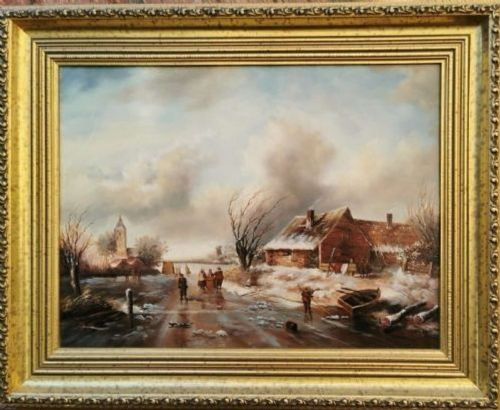
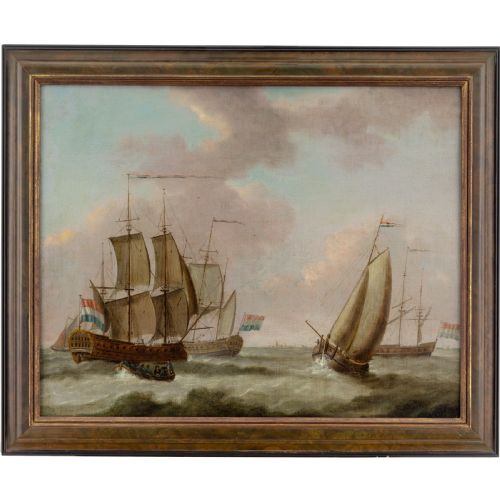
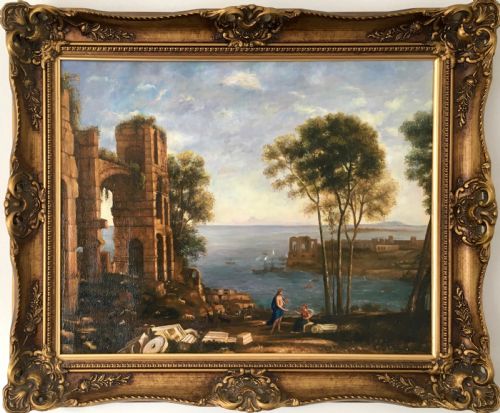
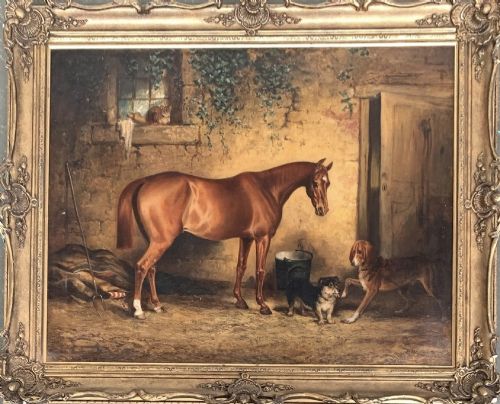
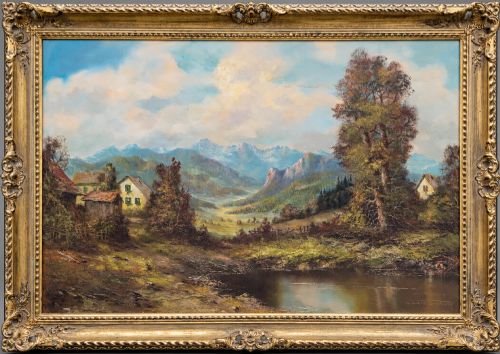
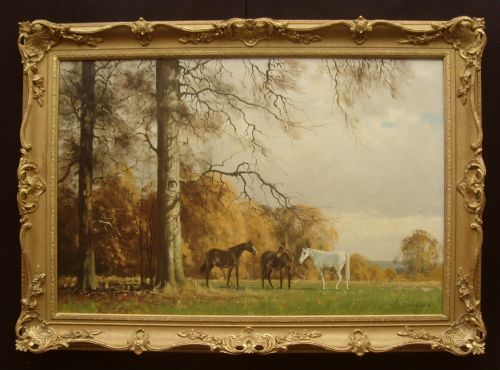
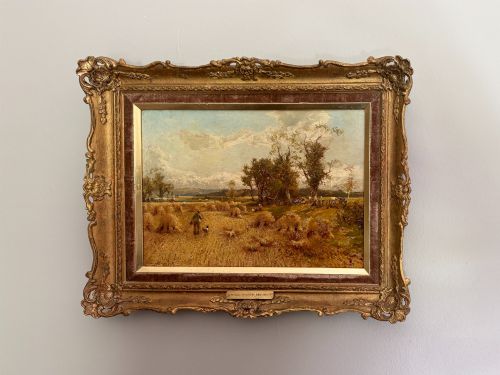
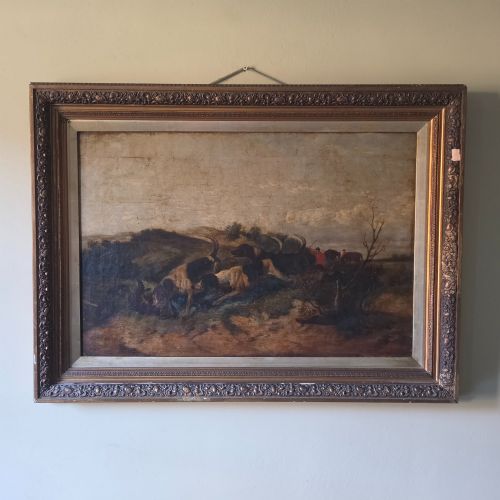
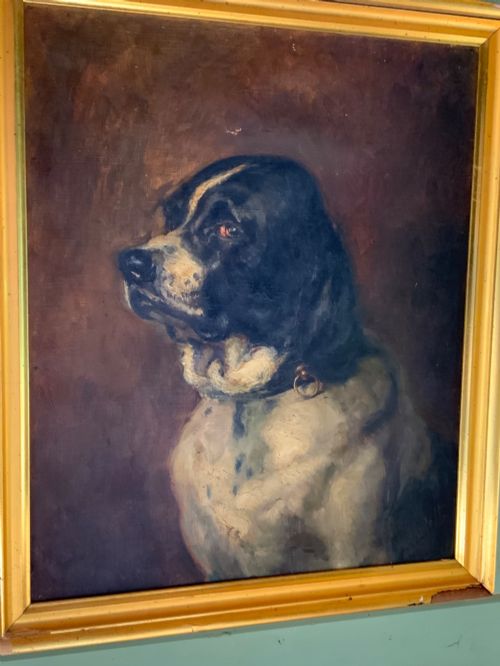
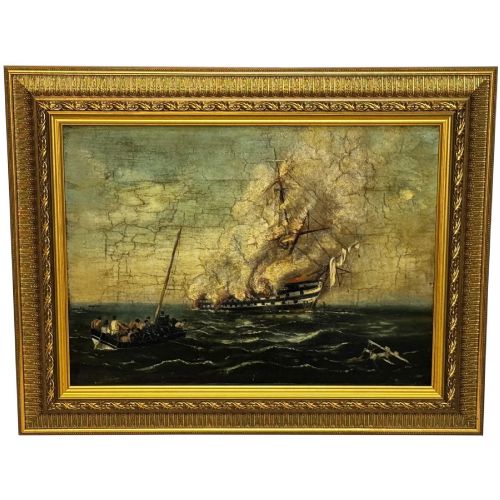
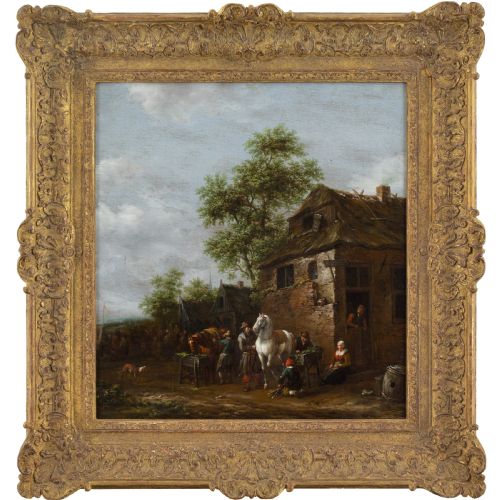
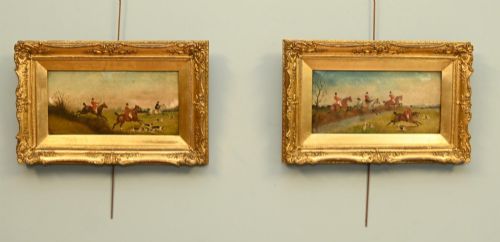
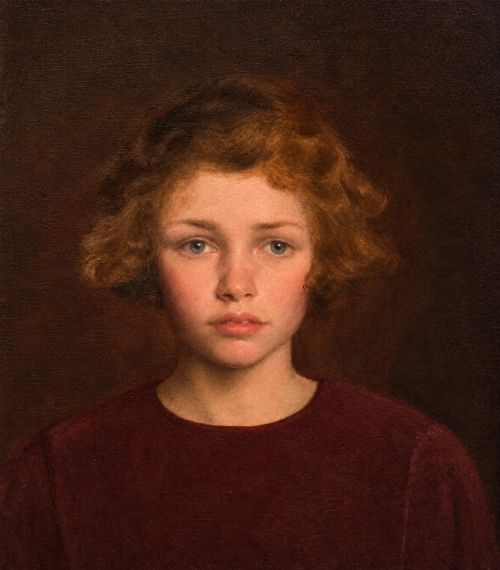
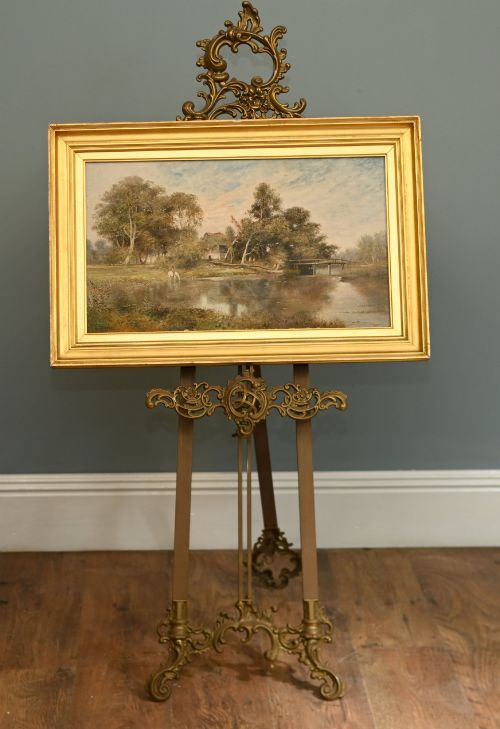
When searching for vintage oil painting artwork, collectors encounter a diverse array of pictorial subjects ranging from serene maritime scenes and rugged coastal landscapes to intimate equine portraits and vibrant floral still lifes. These pieces capture the artistic idioms of successive eras, including 19th Century Realism, Post-Impressionism, and Mid-Century Modernism.
The selections span from the 18th century through the 20th century, encompassing British and European schools, traditional portraiture, and atmospheric en plein air studies. Buyers regularly meet works executed on traditional canvas, wooden panels, and sturdy boards, often housed in period frames.
Many works bear the distinct signatures of listed artists or historical painters, while others remain anonymous visual documents of bygone tastes. Whether depicting a Scottish Highland landscape or a quiet domestic moment, these artworks serve as enduring historical windows.
Materials and construction methods
Makers applied oil paint onto surfaces such as woven canvas, prepared wooden panels, and sturdy boards, building rich layers of pigment that retained brushstrokes and impasto texture. Canvases were typically stretched over wooden frames, whilst panels offered a rigid ground for detailed application.
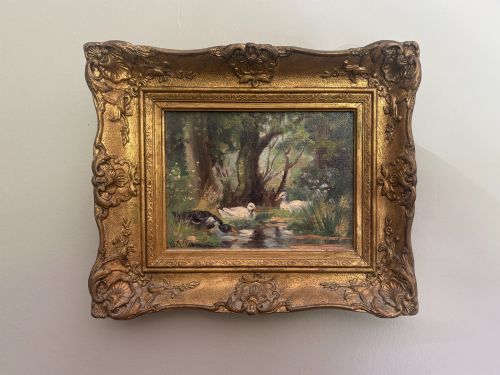
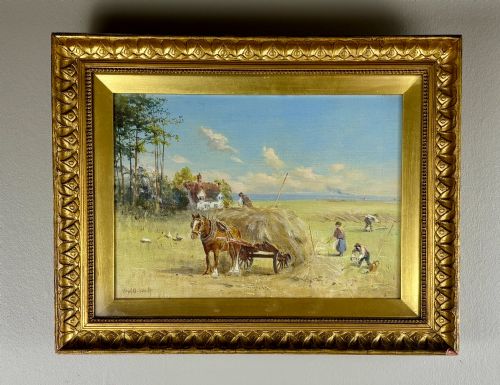
Many of these works are finished with decorative gilt wood or gesso frames that complement the depth and tone of the painted surface. The combination of slow-drying oil mediums and varied substrates allowed artists to achieve subtle tonal gradations and luminous colour depth.
Among the historical subjects preserved in pigment are racing pigeons, kittens interacting with snails, and bustling Victorian beach scenes.
Distinctions in quality and execution
The distinction between ordinary and exceptional vintage oil painting artwork lies in the confidence of the brushwork, the handling of light, and the anatomical or spatial accuracy within the composition. Masterful pieces demonstrate a sure command of tone and perspective that elevates a standard subject into a compelling visual narrative.
Material preservation also influences distinction, particularly the stability of the pigment layer against the ground and the integrity of the original stretcher or panel. Works that retain their dynamic impasto and harmonious palette without heavy restoration represent the upper echelon of surviving pieces.
Henry Barraud·Kenneth Cozens·Tom Campbell·Dumini Leopoldo·Frederick Marriott·Eugène-Louis Gillot·William Joseph Shayer Senior·Hubert Haider
The Vintage Oil Painting Artwork Glossary
- Impasto
- Paint applied thickly to a canvas or board, standing out in relief from the plane so that the artist's physical gestures remain visible in the dried surface.
- En plein air
- Painting outdoors to capture the actual light and transient atmosphere of a landscape directly on the canvas.
- Gilt wood
- Wood carved and coated with gold leaf or a metallic substitute, frequently used to construct ornate frames for period paintings.
- Provenance
- The documented history of ownership of an artwork, tracing its origin and passage through time.
- Still life
- An artwork depicting mostly inanimate subject matter, typically commonplace objects which may be either natural or man-made.
Vintage Oil Painting Artwork: Frequently Asked Questions
How do I date a vintage oil painting?
Dating relies heavily on stylistic clues, the type of canvas or board utilised, and any signatures, inscriptions, or labels found on the reverse of the work. Framing materials can also provide helpful chronological markers.
Comparison with documented works by known painters from the same period helps narrow the timeframe of creation.
What is the difference between canvas and board?
Canvas offers a flexible woven textile surface stretched over a wooden frame, which often yields slightly to the touch and shows a distinct fabric texture beneath the pigment. Board provides a rigid, flat support made of wood or pressed material that does not flex.
Artists often chose board for smaller, spontaneous studies or en plein air works executed outside the studio.
How should I hang an oil painting?
Oil paintings should be displayed away from direct sunlight and dramatic fluctuations in temperature and humidity to protect the canvas and pigment layers. Secure wall fixings matched to the weight of the frame ensure the piece hangs safely.
Allowing adequate space around the artwork lets the composition breathe within the room.
Are period frames original to the paintings?
Some artworks retain their original gilt wood or gesso frames, while others have been reframed at later dates to suit changing interior tastes or to better preserve the canvas. Examining the fit, corner construction, and age wear helps determine the relationship between the painting and its housing.
A sympathetic frame enhances the visual impact of the artwork without overshadowing it.