
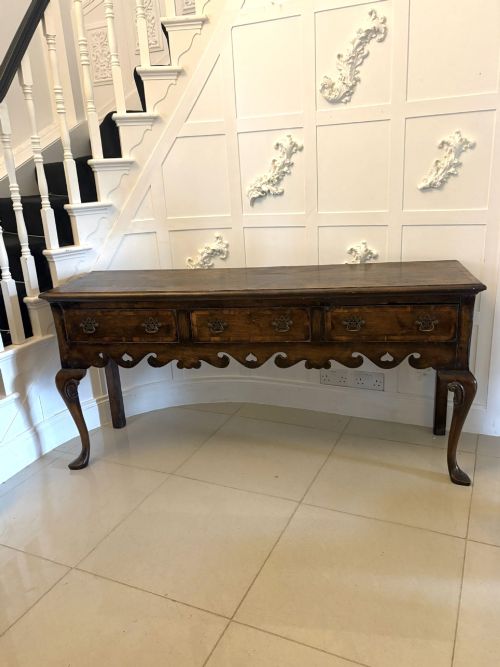
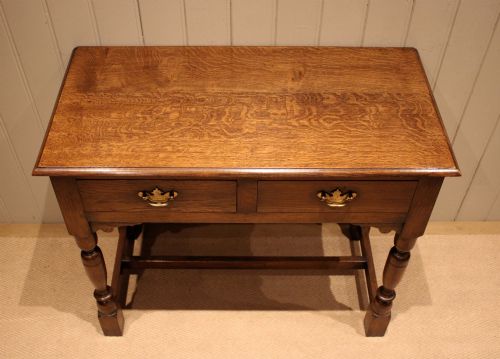

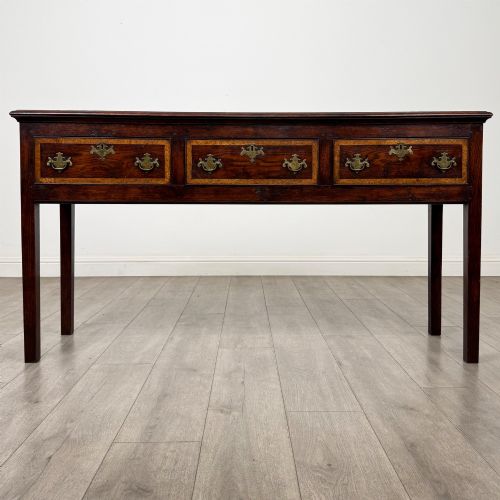
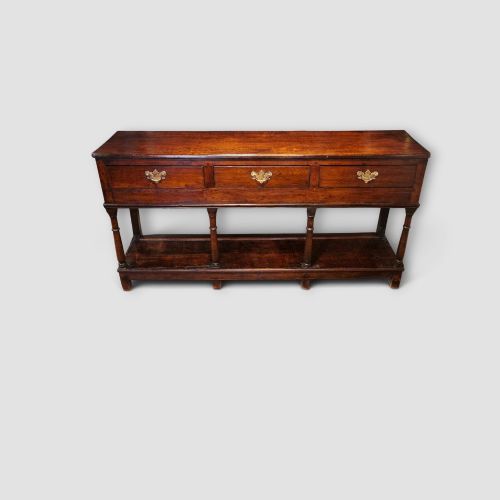
Traditional Oak Server Table
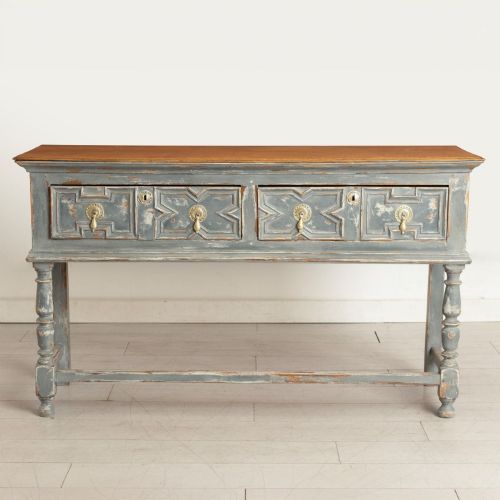
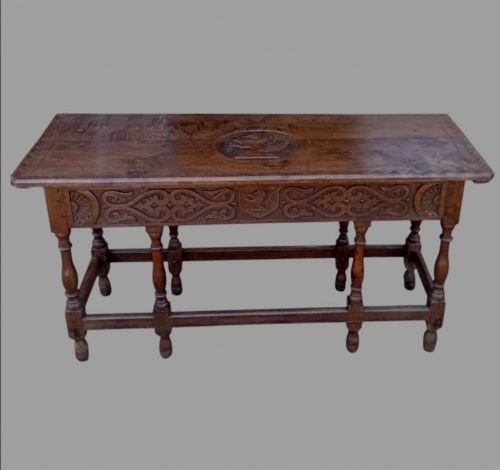
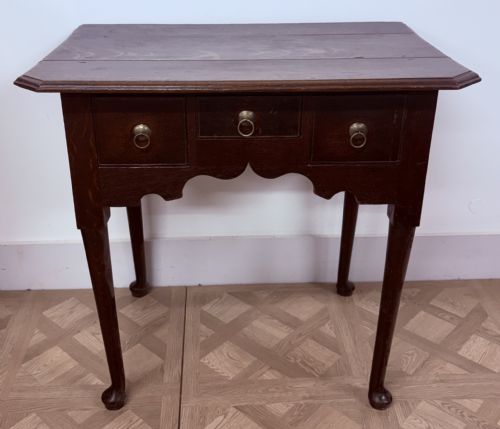
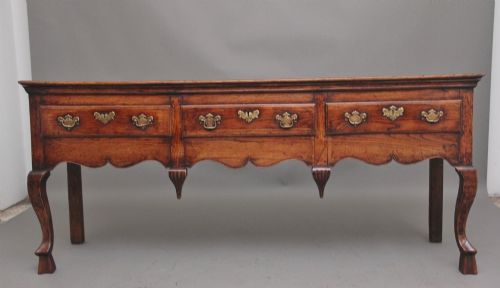
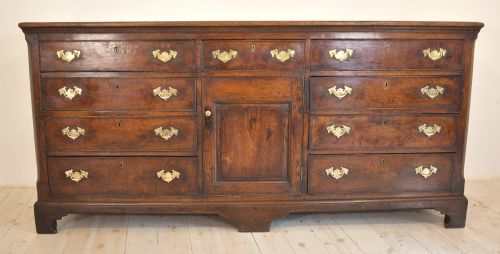
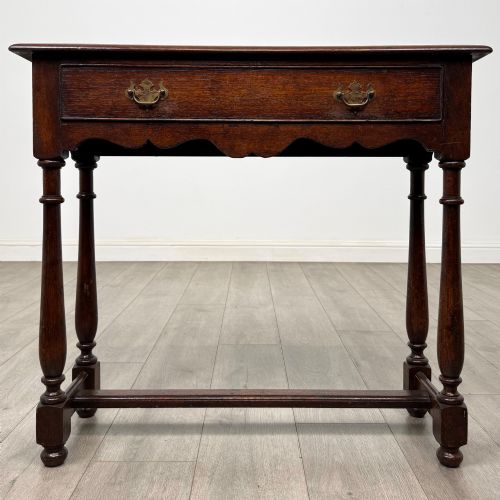
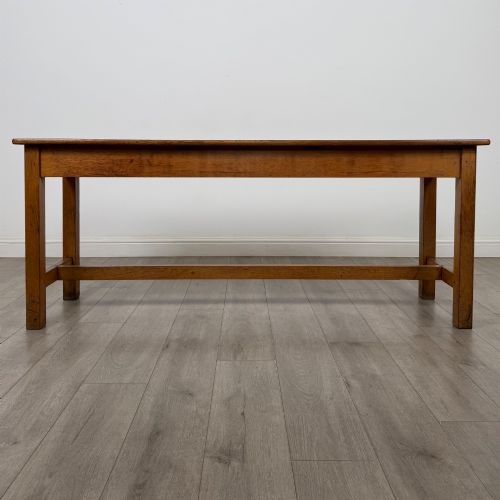
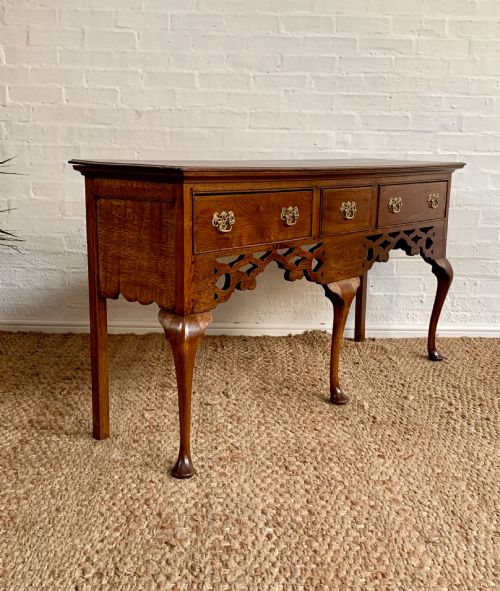
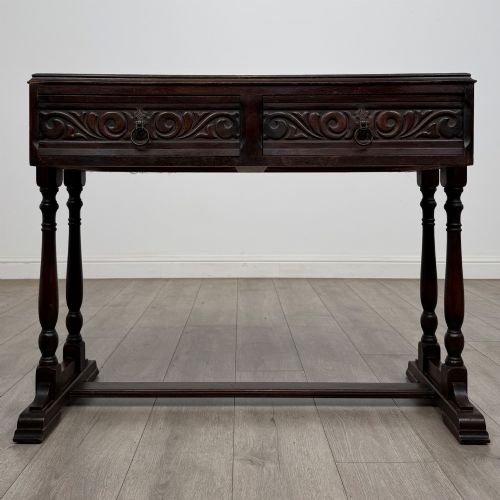
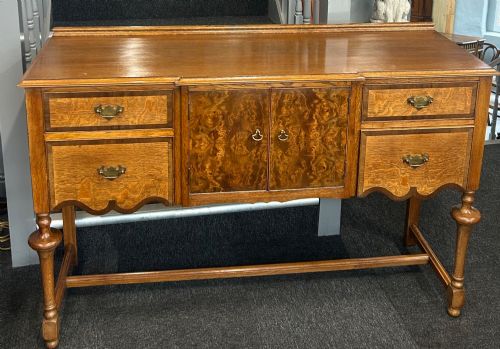
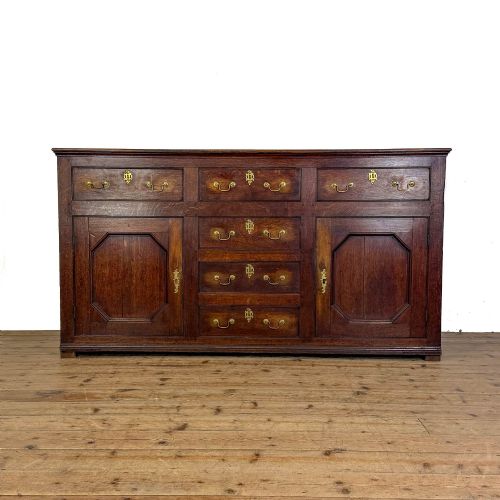
These traditional oak server tables are sturdy serving pieces built from solid timber to hold provisions and display plate in the dining room.
Traditional Oak Server Table
When you search for a traditional oak server table, you encounter forms that span several centuries and regional styles, from simple side tables to low dresser bases and potboards. The selection relies heavily on pieces originating from the eighteenth century, alongside later revivals from the Edwardian era and the nineteen-twenties.
The most common formats on this page are dresser bases, side tables, and serving tables fitted with drawers or open plate shelves below. Regional origins include Welsh, Lancashire, and Dutch variations, which bring distinct proportions and timber selections to the dining space.
Earlier examples display the hallmarks of the Georgian and Queen Anne periods, while later interpretations lean towards Jacobean style revivals or rustic farmhouse aesthetics. Each variant serves the fundamental purpose of surface utility and storage, whether scaled as a narrow console or a long harvest table.
What varies in quality
The distinction between standard examples and the finest pieces rests upon the integrity of the timber selection and the sophistication of the regional cabinetmaking. Superior examples exhibit tightly grained oak, crisp carving, and well-proportioned potboards or drawer configurations that reflect the maker's mastery.
Later revival pieces from the twentieth century vary in character according to the fidelity of their historical styling and the depth of the carved ornamentation. Original eighteenth-century pieces command attention through the honest wear of their surfaces and the natural patination accumulated over generations.
Regional styles represented include Welsh vernacular, Lancashire pieces, and Dutch oak tables.
The Traditional Oak Server Table Glossary
- Potboard
- An open lower shelf beneath a dresser base traditionally used for storing pots and serving dishes. This architectural feature raises the piece off the floor and adds structural stability.
- Dresser base
- The lower section of a kitchen or dining dresser, functioning independently as a sideboard or serving table with drawers. These tables often feature three or more drawers across the upper section.
- Lowboy
- A small oak or fruitwood table with drawers, typically standing on four legs and dating from the eighteenth century. They served as dressing tables or side serving pieces in formal rooms.
- Refectory
- A long dining or serving table design originating from monastic dining halls. In this context, it describes robust tables intended for heavy serving use.
- Inlay
- The technique of inserting pieces of contrasting timber into depressions within the oak surface to create decorative patterns. This ornamental detail appears on select revival and period items.
Traditional Oak Server Table: Frequently Asked Questions
How do I style a traditional oak server table?
These tables fit naturally in dining rooms, kitchens, or hallways as functional storage and display surfaces. Pair them with ceramics, table linen, or lamps to utilise the top surface effectively.
Keep the surrounding decor simple to let the grain and joinery of the oak stand out. They anchor a room well when placed against plain or panelled walls.
What is the difference between an eighteenth-century and a revival piece?
Eighteenth-century examples carry genuine age, showing patination and wear accumulated through generations of use. The timber has dried thoroughly, revealing a softer lustre in the grain.
Revival pieces, often dating from nineteen hundred to the nineteen-twenties, emulate these earlier styles using machinery alongside hand methods. They offer period aesthetic appeal with slightly different interior construction methods.
Where were these serving tables traditionally used?
Families placed them in dining rooms, kitchens, and large hallways to hold food, tableware, and household provisions. The lower shelves and drawers kept serving dishes close at hand during meals.
Regional variations from Wales or Lancashire indicate local domestic habits and available timber stocks. They formed the hardworking centrepiece of traditional domestic service areas.