

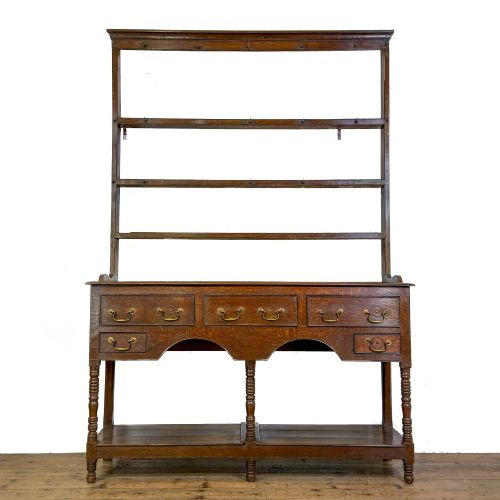
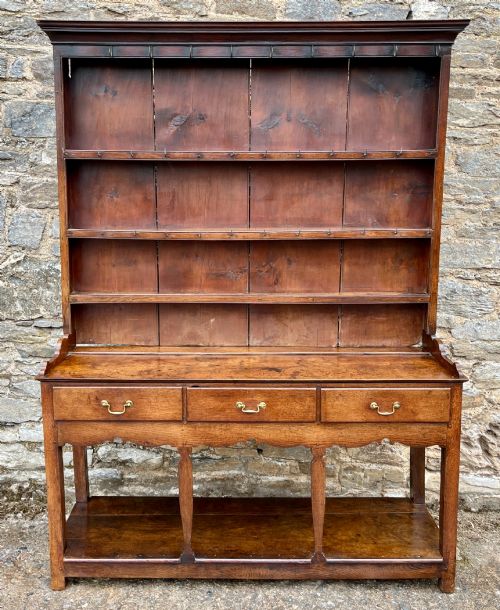
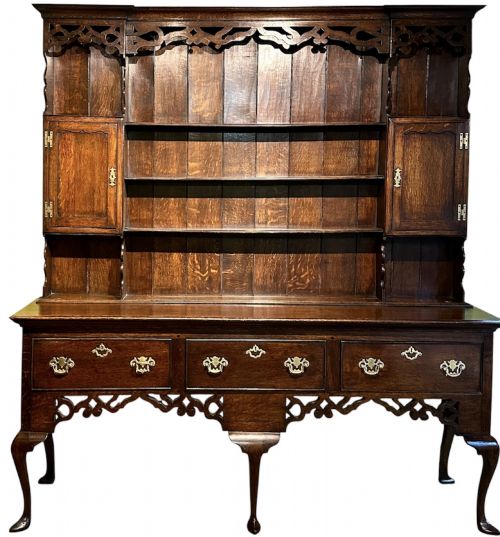
Traditional Oak Plate Dresser
A traditional oak plate dresser anchors a kitchen with open shelving for display and deep storage below, built to last for generations.
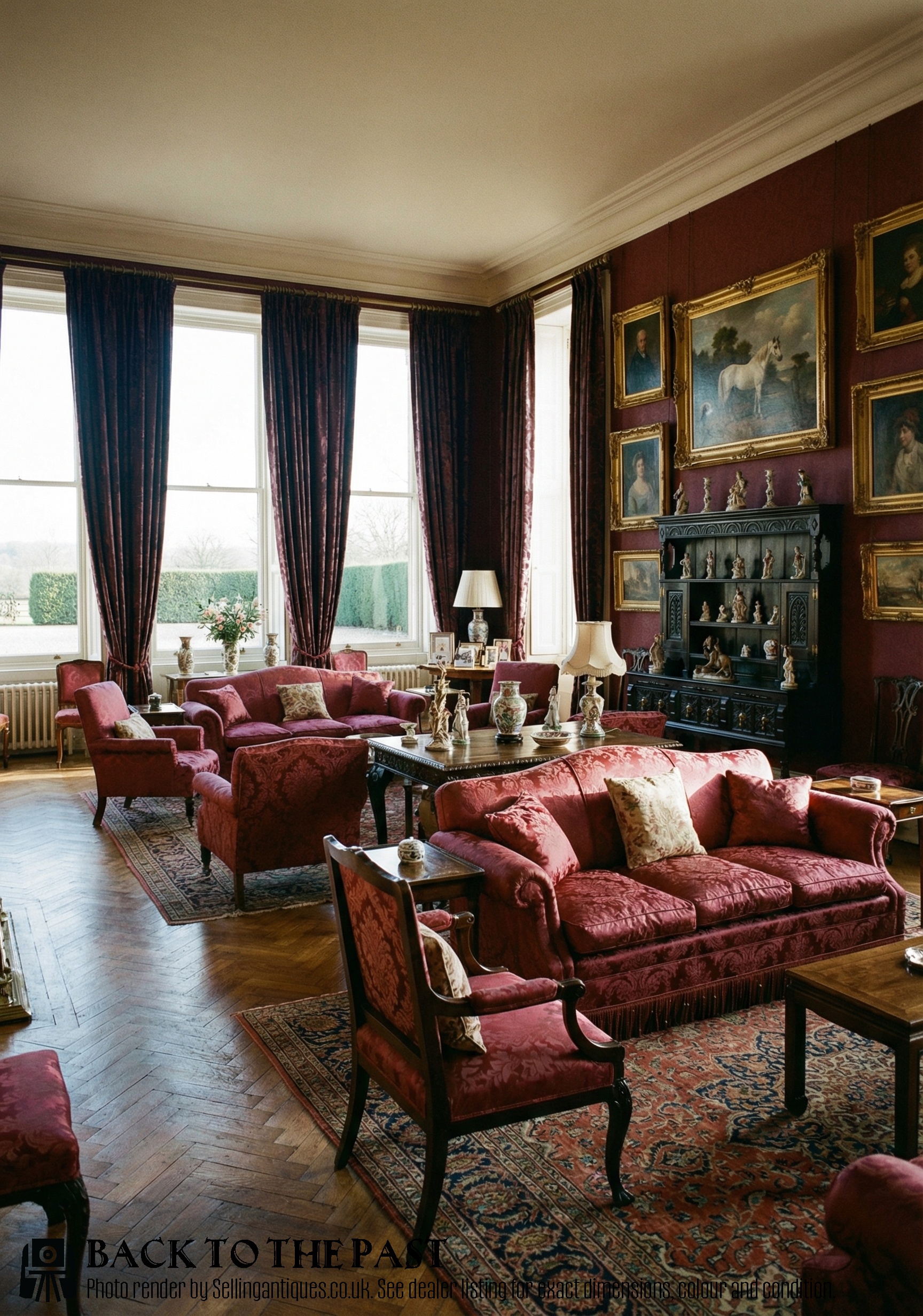
Traditional Oak Plate Dresser
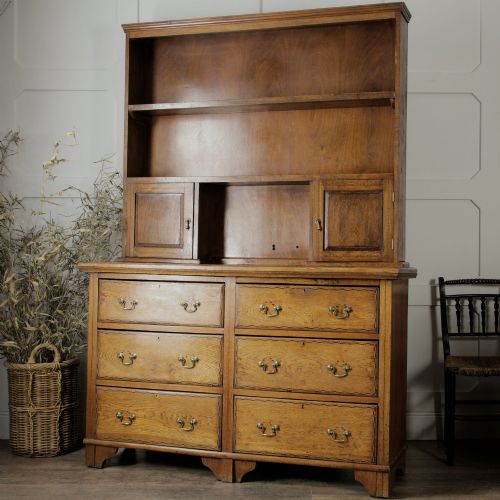
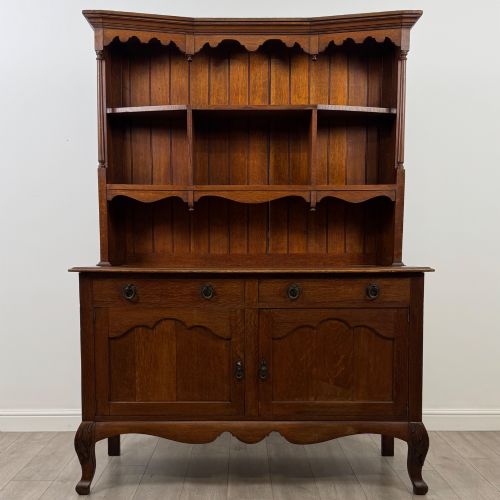
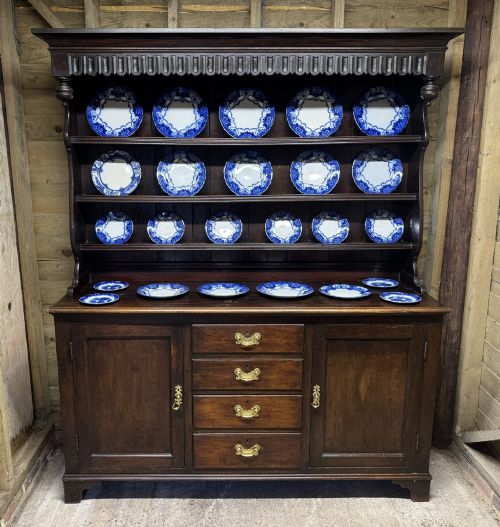
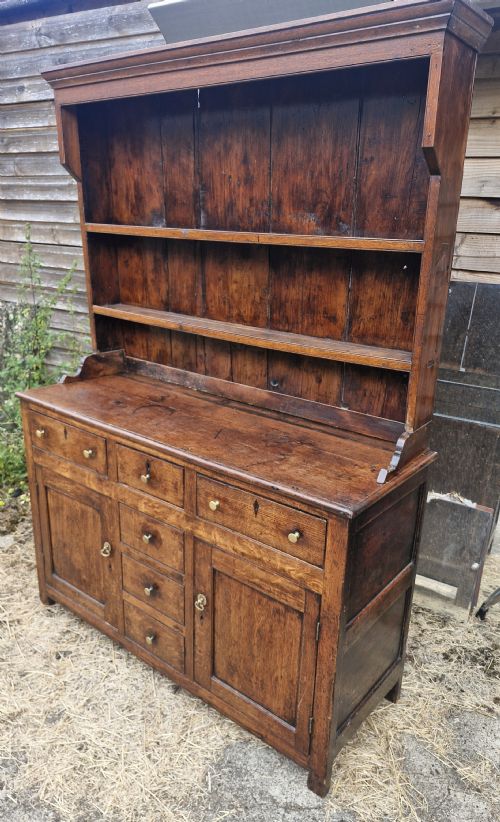
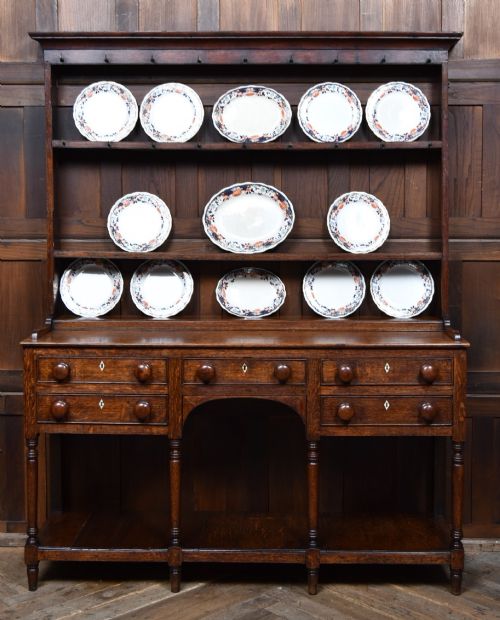
A traditional oak plate dresser serves as a primary storage and display unit for domestic dining ware, combining lower cupboards and drawers with upper plate racks. These utilitarian kitchen pieces originate from regional workshops across Britain, including Welsh, Shropshire, and West Country traditions.
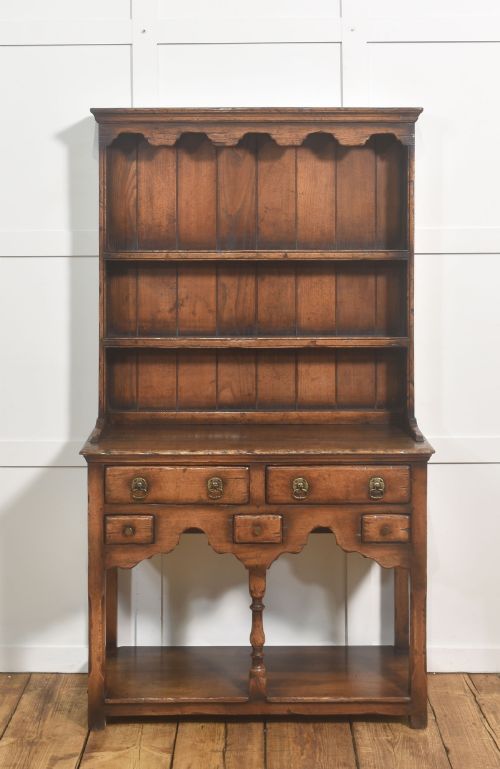
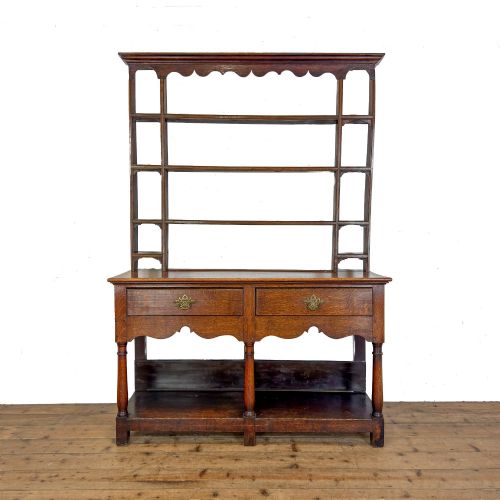
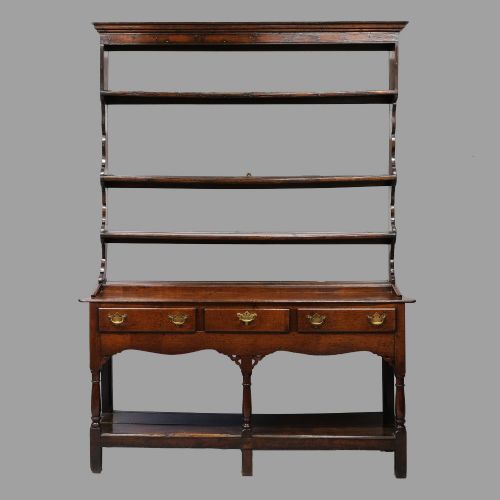
The format typically splits into a sturdy base fitted with potboards, drawers, or breakfront configurations, and an open-backed platerack superstructure designed to display ceramics. Examples span the eighteenth century, the Georgian era, and into the nineteenth and early twentieth centuries.
Buyers encounter country oak variations that range from cottage furniture to grander George III forms. Materials predominantly involve solid oak, sometimes paired with secondary timbers like pine or elm, alongside brass and iron hardware.
Materials and Construction
Joiners built these items predominantly from solid oak, utilising regional hardwoods such as elm for structural parts or secondary timbers like pine for internal drawer linings and backing boards. Timber selection dictated the weight and durability of each piece.
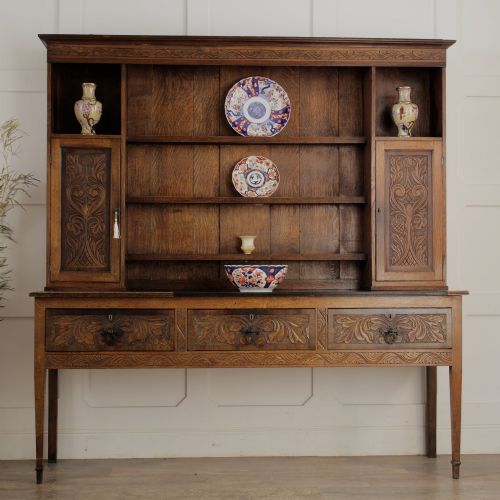
Hardware additions included cast brass drop handles, keyplates, and iron hinges that secured cupboard doors and drawer fronts. Carved details and shaped friezes appeared on select regional variations from Wales and the West Country.
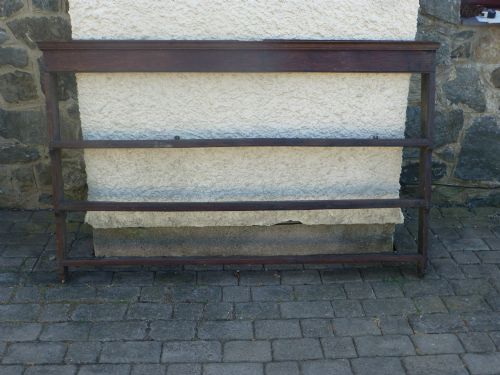
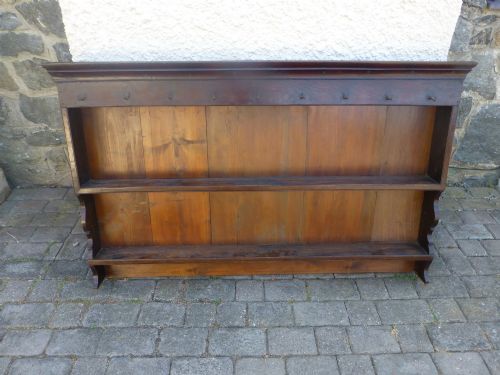
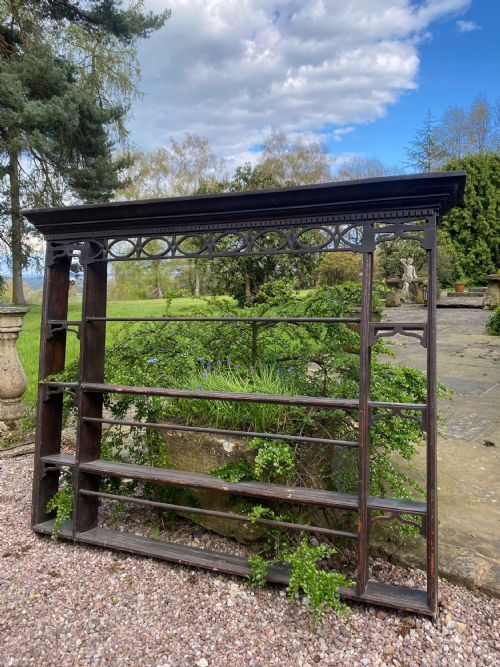
Plate racks were constructed as open shelves or enclosed wall racks, sometimes integrated directly into the dresser base or built as separate hanging units designed to support heavy delftware plates.
One recorded nineteenth-century Welsh dresser carries the history of arriving straight from Cafe Snowdon.
Evaluating Quality and Proportion
Quality rests upon the proportion of the base to the superstructure, alongside the depth of colour and patination developed across the timber over centuries of use. Untouched surfaces retain grain texture and honest wear that heavy restoration removes.
Structural integrity depends on the original joining methods of the potboard base and the alignment of the plate rack backboards. Finer examples display balanced drawer arrangements and clean regional proportions without clumsy alterations.
The Traditional Oak Plate Dresser Glossary
- Potboard
- A lower slatted platform on an eighteenth-century dresser base originally meant for storing pots and pans. This open shelf sits just above the floor between the lower legs.
- Delft
- Glazed earthenware pottery commonly displayed upon the open shelves of a traditional plate rack. These ceramics formed the primary visual display for historic kitchens.
- Breakfront
- A cabinetry configuration where the central section projects forward from the flanking outer sections. This layout creates depth and visual interest across the drawer fronts of larger dressers.
- Vernacular
- Furniture built by regional craftsmen using local traditions rather than following metropolitan academic designs. Welsh and country styles fall into this distinct utilitarian category.
- Platerack
- An open wooden shelving unit fixed to the wall or mounted directly onto the dresser base. Grooves and rails hold plates upright for display.
Traditional Oak Plate Dresser: Frequently Asked Questions
How do I style a traditional oak plate dresser?
Load the upper shelves with ceramic plates, jugs, and bowls to make use of the open display racks. Keep everyday dining items within reach on the lower shelves while utilising the cupboards and drawers for linens and heavier cookware.
Allow the warm timber tones to anchor the room by placing the unit against a neutral wall. The combination of open display and closed storage helps balance functional kitchen needs with decorative arrangement.
What is the difference between a Welsh dresser and other types?
Welsh dressers traditionally feature integrated plate racks and often incorporate potboards or distinct regional drawer layouts. They reflect the specific craftsmanship of North and South Wales workshops.
Other regional styles, such as those from Shropshire or the West Country, share similar forms but exhibit subtle differences in cornice moulding, timber selection, and drawer proportions.
Can I store heavy crockery on these plate racks?
Historic plate racks were engineered to support heavy earthenware and delft plates during daily use. The sturdy timber construction handles standard dining crockery securely.
Ensure the rack is properly secured to the wall if it supports heavy collections of ceramic plates. The depth of the plate grooves keeps items stable on the shelves.
How do I date an antique oak dresser?
Examine the construction methods, timber patination, and hardware styles to determine the period of origin. Eighteenth-century pieces often display hand-cut joinery and pegged joints, while nineteenth-century examples show machine-sawn elements.
Hardware such as brass drop handles and iron hinges also provide clues to the era of manufacture. Regional design traits further help narrow down the decade and origin.