

Georgian Sideboard Rack
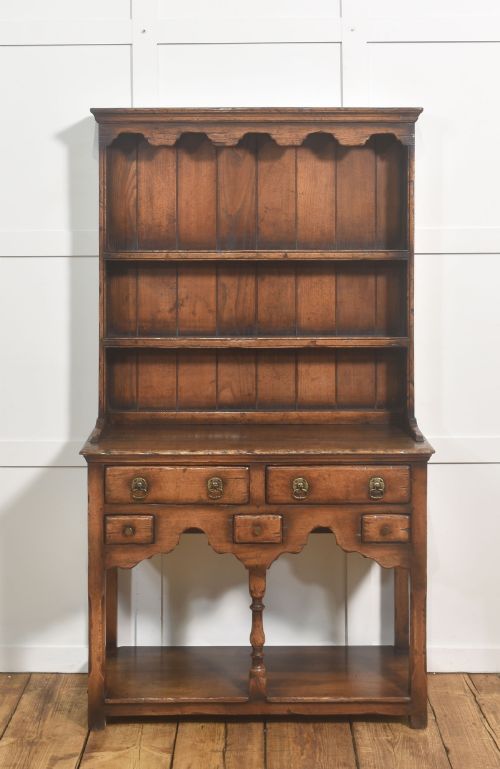
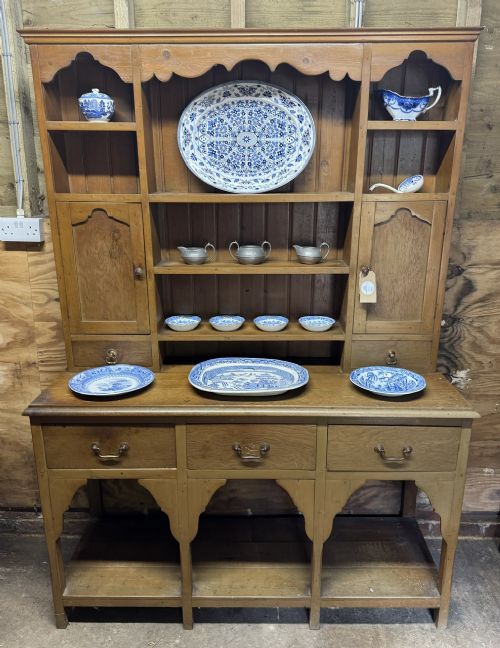
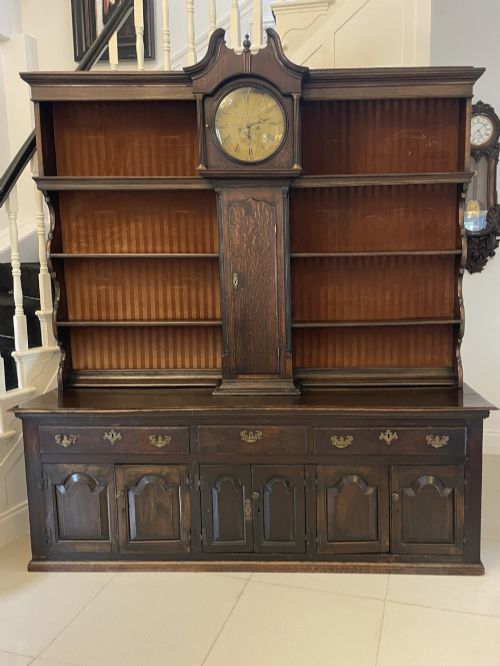
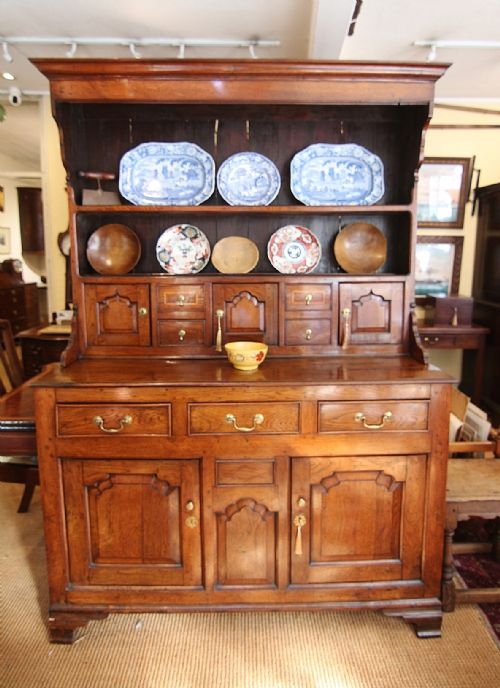
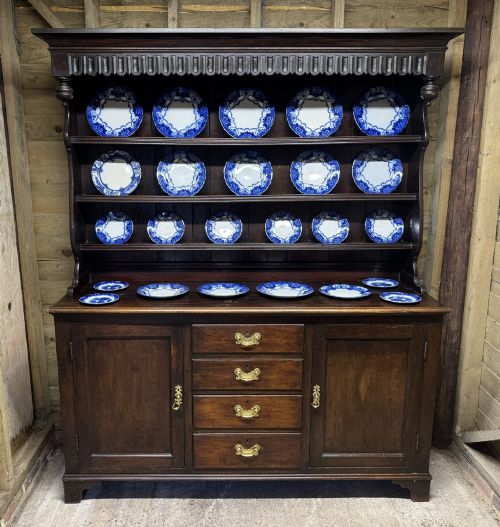
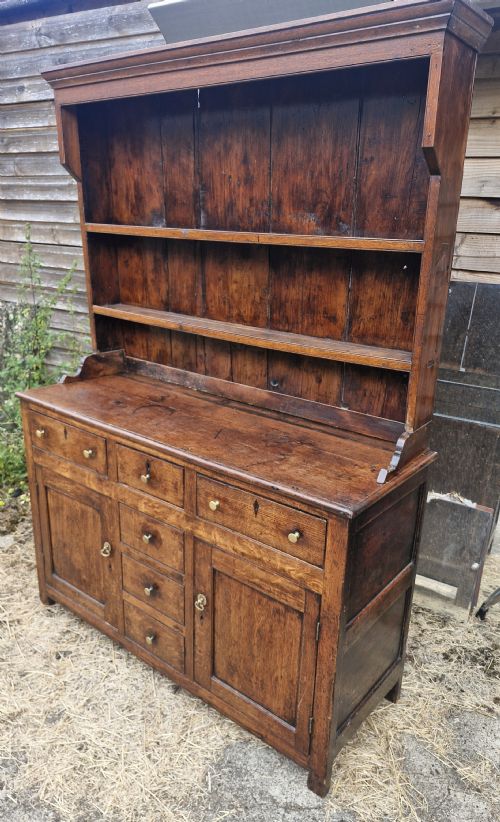
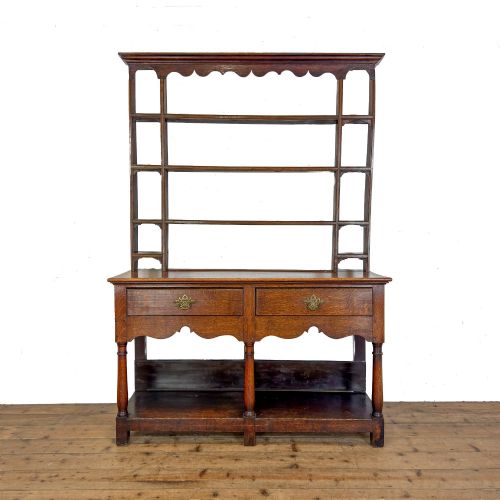
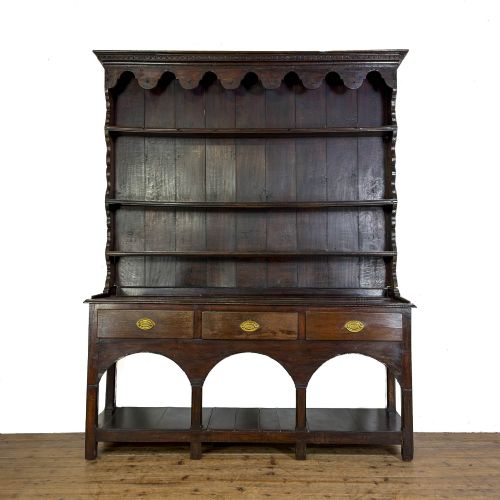
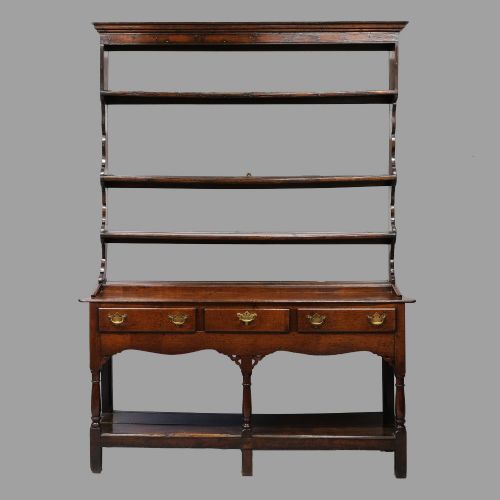
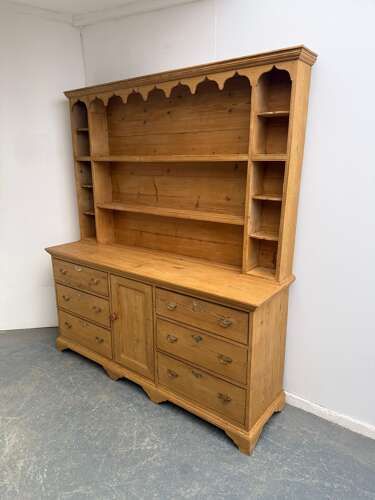
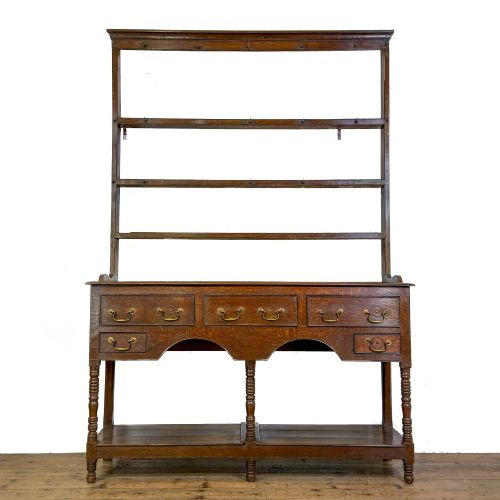
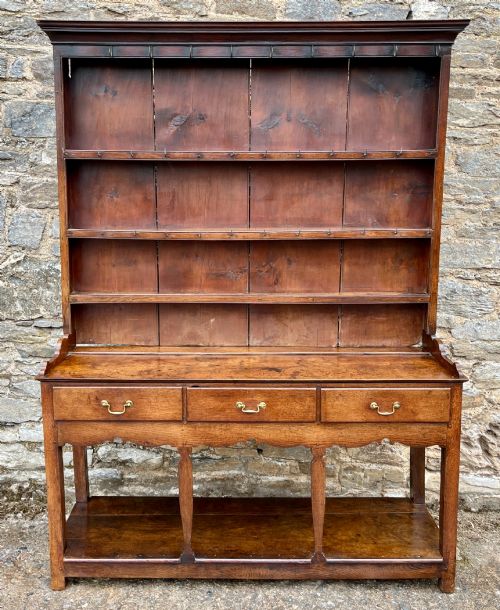
These substantial pieces are a georgian sideboard rack, combining a fitted base with open shelving to display ceramics and store kitchen wares.
Georgian Sideboard Rack
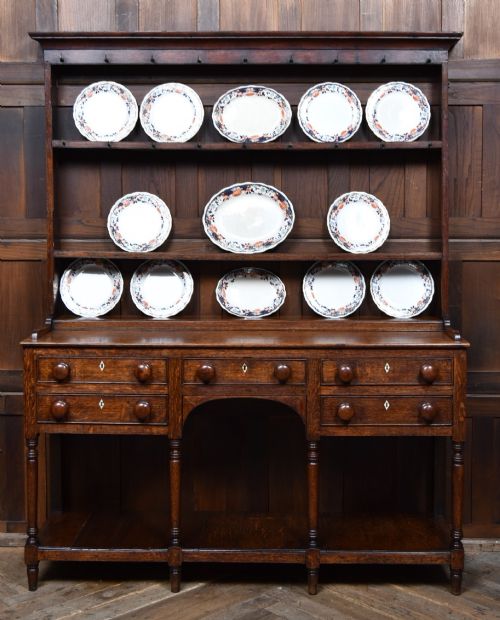
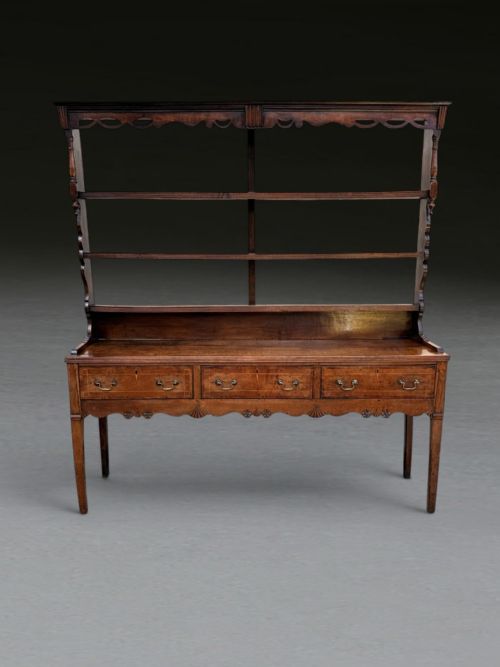
When you search for a georgian sideboard rack, you encounter country furniture primarily built as kitchen dressers with open plate racks. The pieces combine a lower storage base, often featuring potboards or drawers, with an upper framework designed for displaying tableware.
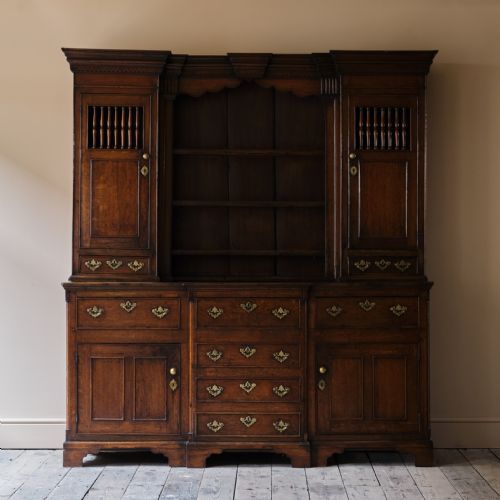
The versions most common on this page hail from the eighteenth and nineteenth centuries, taking regional forms from Welsh and English rural workshops. These examples range from straightforward farmhouse dressers to elaborate breakfront designs originating in North Wales and various English shires.
How they were made
Constructed predominantly from solid timber, these pieces rely heavily on native oak supported by secondary woods such as pine, elm, and mahogany. Cabinetmakers utilised traditional joined and panelled techniques to build the sturdy bases required to bear heavy domestic service.
The upper racks were secured directly to the base or wall, featuring pegged joints and open plate grooves designed to hold ceramics safely. Iron and brass hardware, alongside occasional bone details, complete the construction of the doors and drawers.
Some regional dressers incorporate ingenious belly racks, designed with subtle curves to accommodate bulging provisions.
What varies in quality
The distinction between standard utility furniture and superior examples lies in the harmony of proportion between the base and the rack. Pieces featuring original surface patination, integrated bracket feet, and crisp regional detailing stand apart from simpler utilitarian items.
Integration also determines merit, with matched original racks commanding greater interest than marriage pieces where top and bottom originated separately. Subtle flourishes like breakfront configurations and inlaid woodwork elevate specific regional forms.
The Georgian Sideboard Rack Glossary
- Potboard
- An open slatted lower shelf situated near the floor on early dresser bases. It served originally for storing pots and pans off the damp flagstones.
- Plate rack
- The upper framework attached to a dresser base, featuring horizontal shelves and vertical slats to display plates upright. This component defines the rack element.
- Breakfront
- A piece of furniture where the central section projects forward from the flanking outer sections. This architectural arrangement creates depth and visual interest.
- Vernacular
- Regional furniture built by local carpenters using traditional methods and native materials, free from high-style metropolitan dictates. It reflects the distinct character of specific counties.
Georgian Sideboard Rack: Frequently Asked Questions
What is a georgian sideboard rack used for?
These pieces functioned historically as the central storage and display hub of a farmhouse kitchen, keeping everyday ceramics and utensils within reach.
The open rack displayed prized plates and platters, while the lower cupboards and drawers secured linens, dry goods, and heavy cookware.
How do I date a georgian sideboard rack?
Dating relies on observing construction methods, timber selection, and regional styling characteristics visible across the piece.
Eighteenth-century examples often display hand-riven boards, pegged joinery, and potboards, whereas later nineteenth-century pieces incorporate machine-sawn timber and different drawer linings.
Are the racks and bases usually original to each other?
Many dressers survive with their original plate racks intact, though separation occurred frequently over centuries of domestic use.
Matching timber grain, patination, and the shadow marks of previous fittings help determine whether the upper rack and lower base grew up together.
Where were these dressers made?
The pieces originate predominantly from rural workshops across Wales and English counties such as Shropshire and the West Country.
Distinct regional traits, such as Snowdonia cabinetry or Anglesey breakfronts, link specific constructions to local woodworking traditions.