

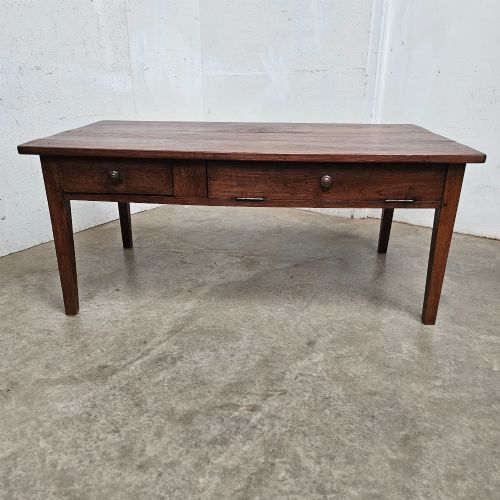
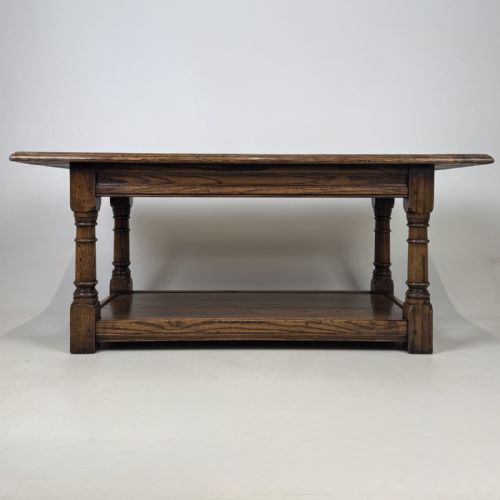
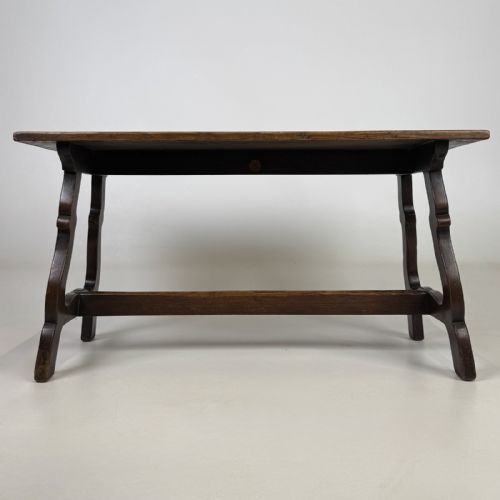
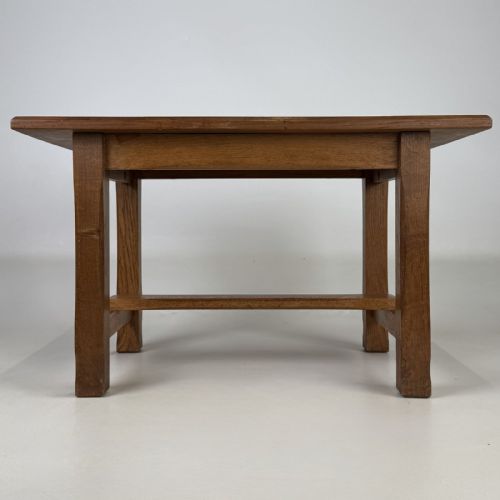

Traditional Oak Coffee Table
A traditional oak coffee table grounds a room with timber grain, offering solid utility across forms spanning centuries.
Traditional Oak Coffee Table
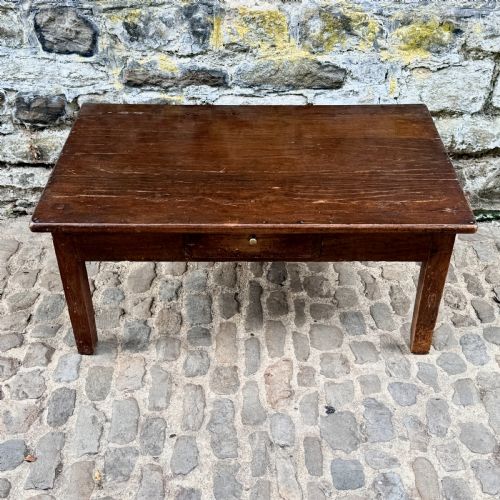
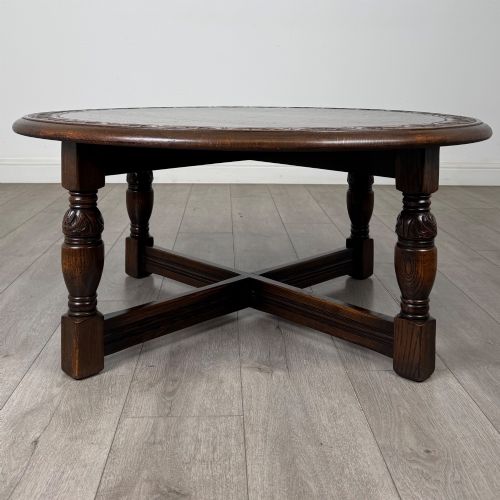
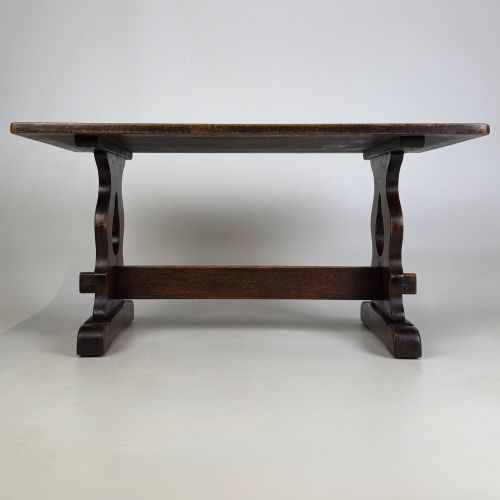
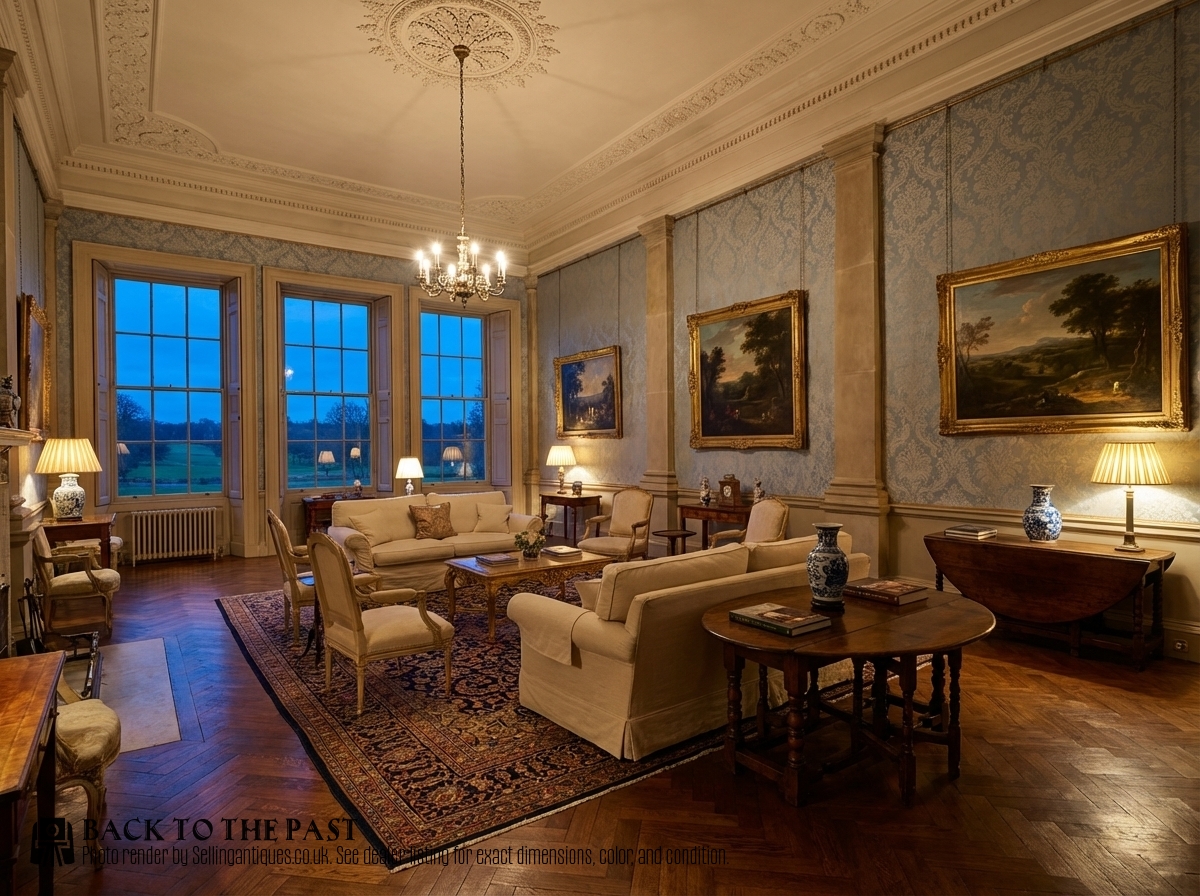
A traditional oak coffee table brings sturdy domestic timber into modern reception spaces through various historical formats. Buyers find low tables converted from older forms alongside purpose-built pieces dating from the eighteenth century through to the interwar decades.
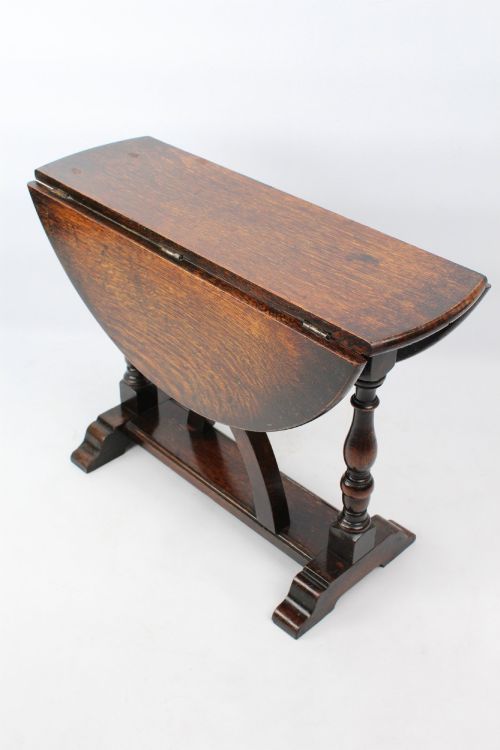
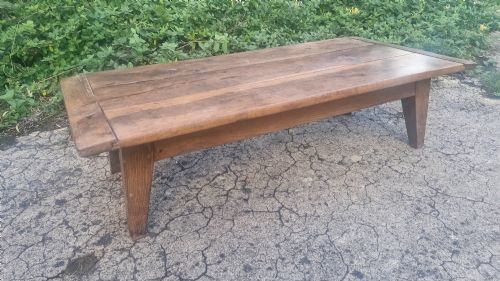
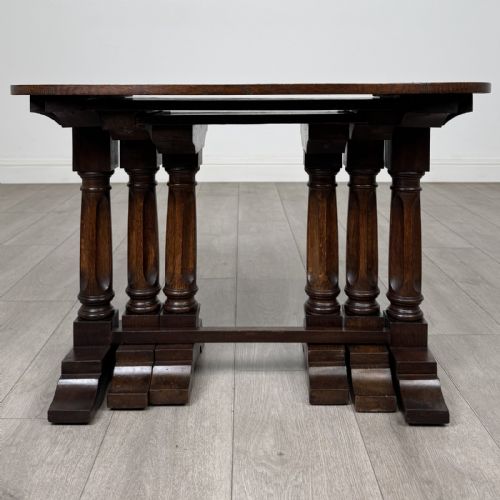
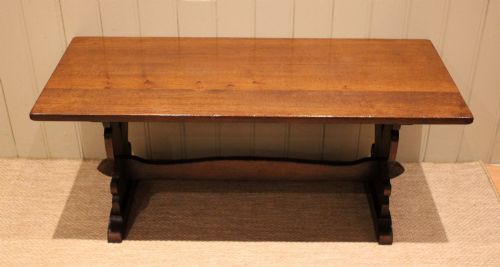
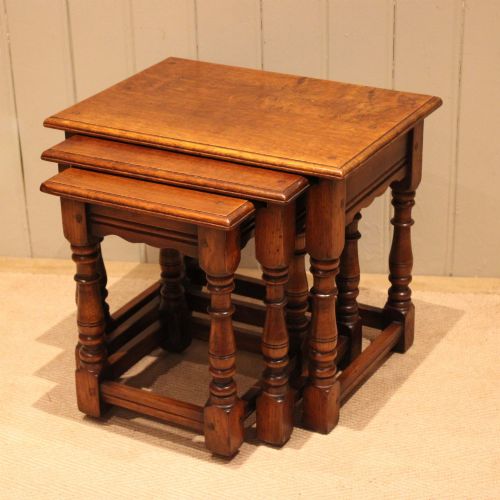
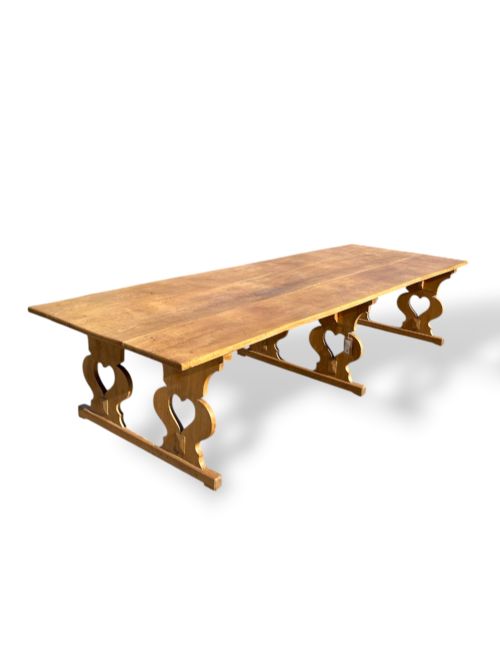
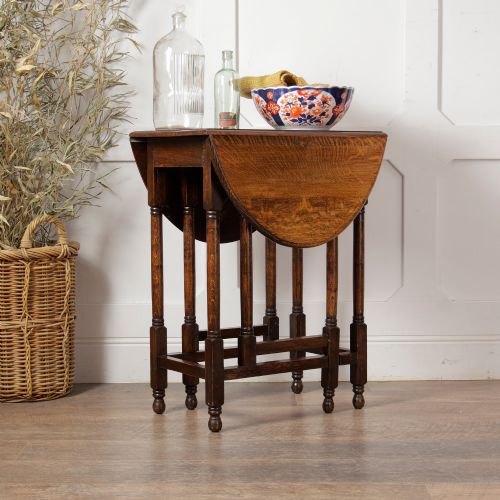
The selection on this page relies heavily on early twentieth-century production, notably Edwardian and 1920s examples, often utilising gateleg, nest, or tray table configurations. Alongside these, nineteenth-century low tables and rustic farmhouse variants appear, providing diverse scales for different rooms.
Makers and workshops adapted utilitarian furniture types, transforming butler trays, monks benches, and side tables into low coffee tables. This adaptive history means buyers encounter numerous clever folding mechanisms and drop-side structures within the oak medium.
Materials and construction methods
Solid oak serves as the primary structural timber, frequently complemented by secondary woods such as elm, chestnut, and sycamore in tabletops and internal framing. Joinery relies on traditional methods suited to domestic output, supporting heavy daily use.
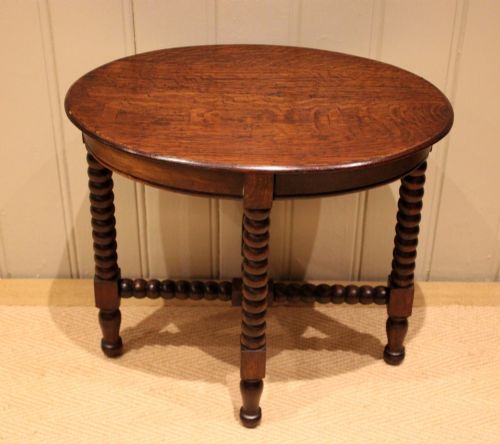
Metal fittings such as brass appear on hinges, handles, and tray mountings, adding functional contrast to the timber. Turned legs, often featuring barley twist details, support many of the tables alongside simpler plank and gateleg frames.
Traditional Oak Coffee Table Retail Price Guide 2026
Typical asking prices for traditional oak coffee table among the pieces listed under this phrase on Sellingantiques today, from the lower quarter to the upper quarter. They describe what is for sale here now, not the wider market.
Listings span periods from the 18th century through the Edwardian era and the 1930s, using oak alongside elm, chestnut, and brass hardware.
Distinctions in quality and execution
The grade of timber and the depth of carving determine the distinction between basic utility items and finer output. Tables featuring detailed carved decoration or select golden oak grain display superior craftsmanship compared to plain vernacular pieces.
Structural integrity depends on the original joinery and the survival of moving parts, such as drop-sides and swivel tops. Altered heights and converted pieces retain differing degrees of historical coherence depending on the skill of the adaptation.
The Traditional Oak Coffee Table Glossary
- Gateleg table
- A table with hinged leaves supported by swing-out legs that pivot from the frame. This design allows the surface area to expand or contract according to domestic needs.
- Monks bench
- A multifunctional piece featuring a hinged back that converts from a bench into a table top. Later iterations often function directly as low coffee tables.
- Butlers tray
- A removable wooden tray with raised edges, traditionally set upon a folding stand. In modern contexts, the stand and tray frequently serve together as a low coffee table.
- Barley twist
- A decorative turning style resembling a spiralling rope, popular in furniture supports during the seventeenth century and revived in later periods.
- Elm
- A tough, interlocking timber often utilised alongside oak for tabletops and country furniture due to its resistance to splitting.
Traditional Oak Coffee Table: Frequently Asked Questions
What is a traditional oak coffee table?
A traditional oak coffee table is a low domestic surface constructed primarily from oak, encompassing purpose-built twentieth-century designs and older tables adapted for modern living.
These pieces draw on diverse historical styles, ranging from rustic farmhouse forms to refined Edwardian gateleg and tray configurations.
How do I date an oak coffee table?
Dating relies on examining construction techniques, timber characteristics, and style markers such as turning patterns and hardware. Pieces from the eighteenth and nineteenth centuries show hand-worked joinery, while twentieth-century examples often reflect Arts and Crafts or Jacobean Revival influences.
Adapting older items into low tables means hardware and leg height may reflect later interventions rather than the original manufacturing date.
Are these tables practical for daily use?
Solid oak construction provides exceptional durability and stability for everyday reception room requirements. Tables with functional elements like drop leaves or nests offer flexible surface space in compact interiors.
Care involves maintaining the timber finish and protecting surfaces from excessive moisture or heat.
What styles are available?
The selection includes Jacobean Revival, Arts and Crafts, Rustic Farmhouse, and Edwardian designs. Forms range from simple plank tops to elaborate carved edges and turned barley twist supports.
French Provincial and Dutch influences also appear alongside classic English country tables.