

Traditional Oak Blanket Chest
A traditional oak blanket chest brings centuries of practical timber storage and rich grain into a room.
Traditional Oak Blanket Chest
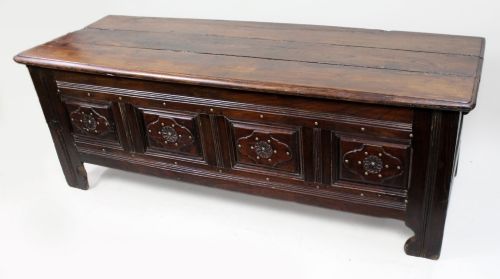
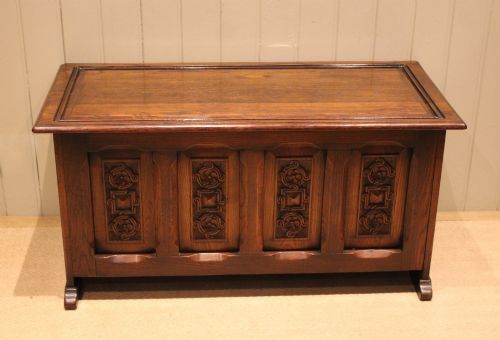
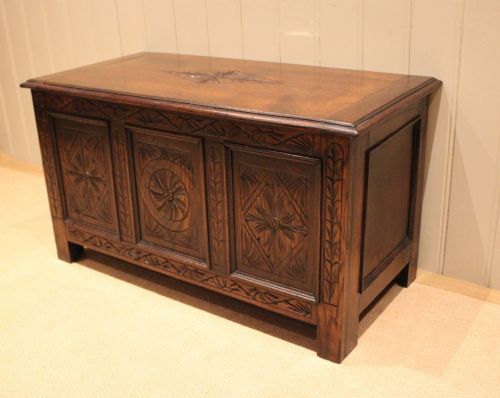
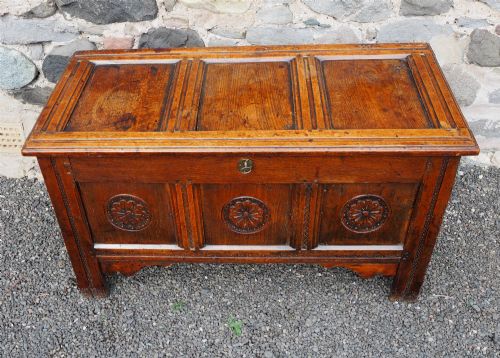
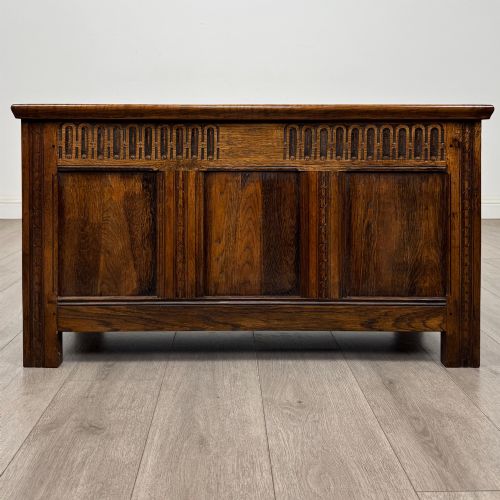
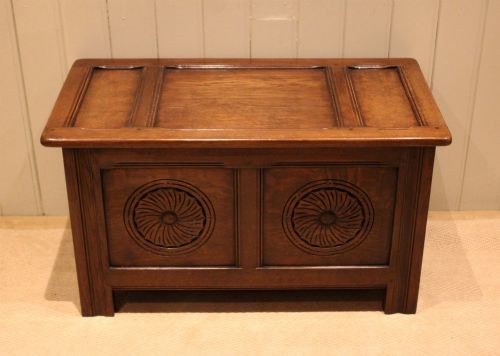
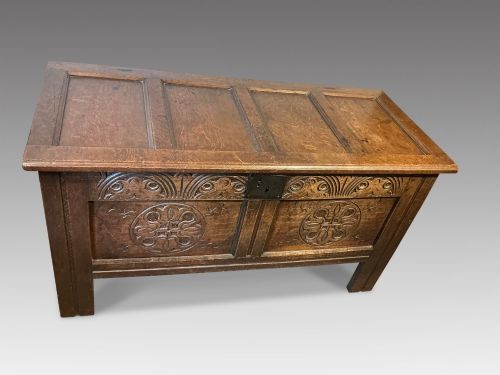
A traditional oak blanket chest appears in forms such as coffers, mule chests, and blanket boxes across the seventeenth, eighteenth, and nineteenth centuries. These sturdy pieces served households for linen and garment storage, evolving from simple domestic containers into focal furniture points.
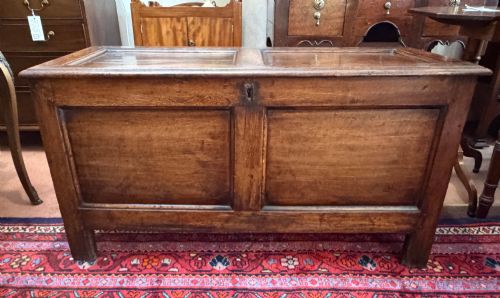
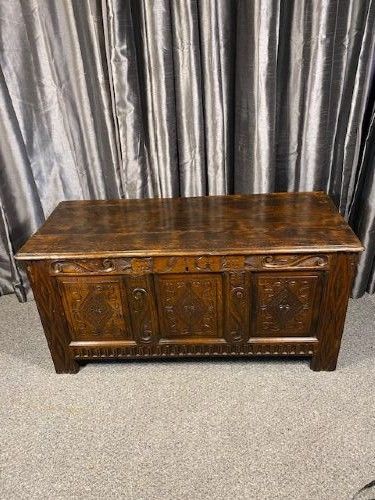
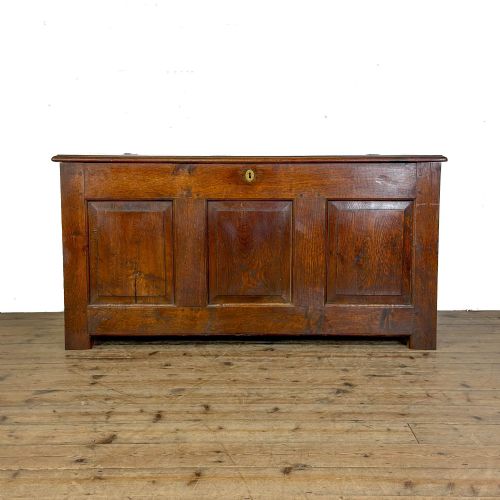
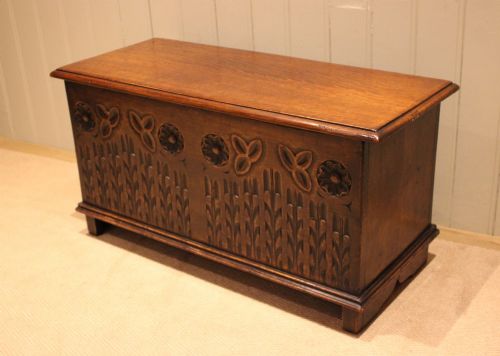
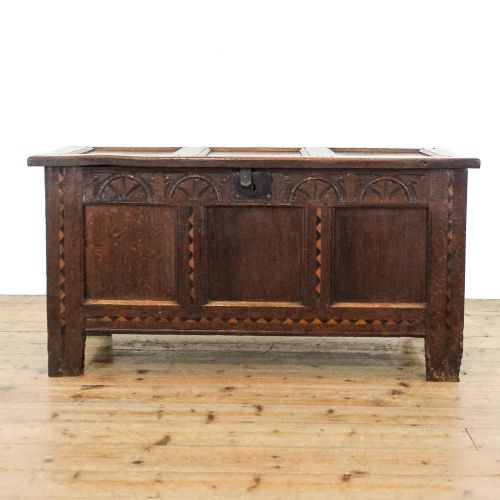
The version most commonly met on this page is the seventeenth or eighteenth century oak coffer, often featuring carved panels or plain boarded construction. Pieces span English, Welsh, and French regional origins, alongside later revivals from the Edwardian era and the 1930s.
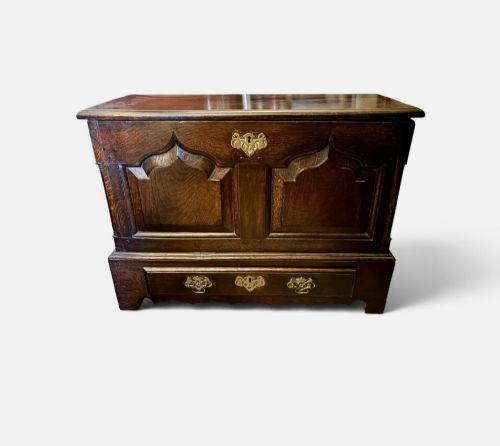
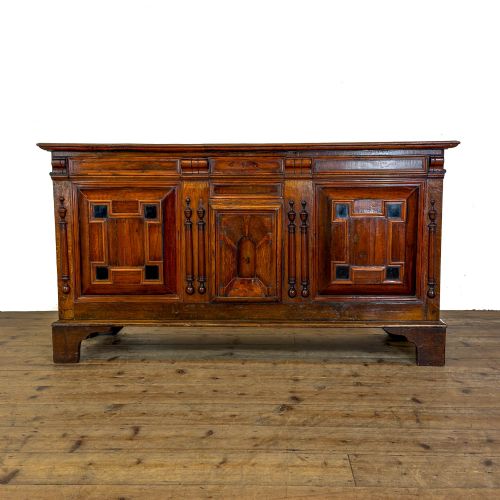
Mule chests also feature frequently, combining a deep chest body with lower drawers for versatile storage. These varieties display the practical nature of traditional oak blanket chest designs across generations of domestic use.
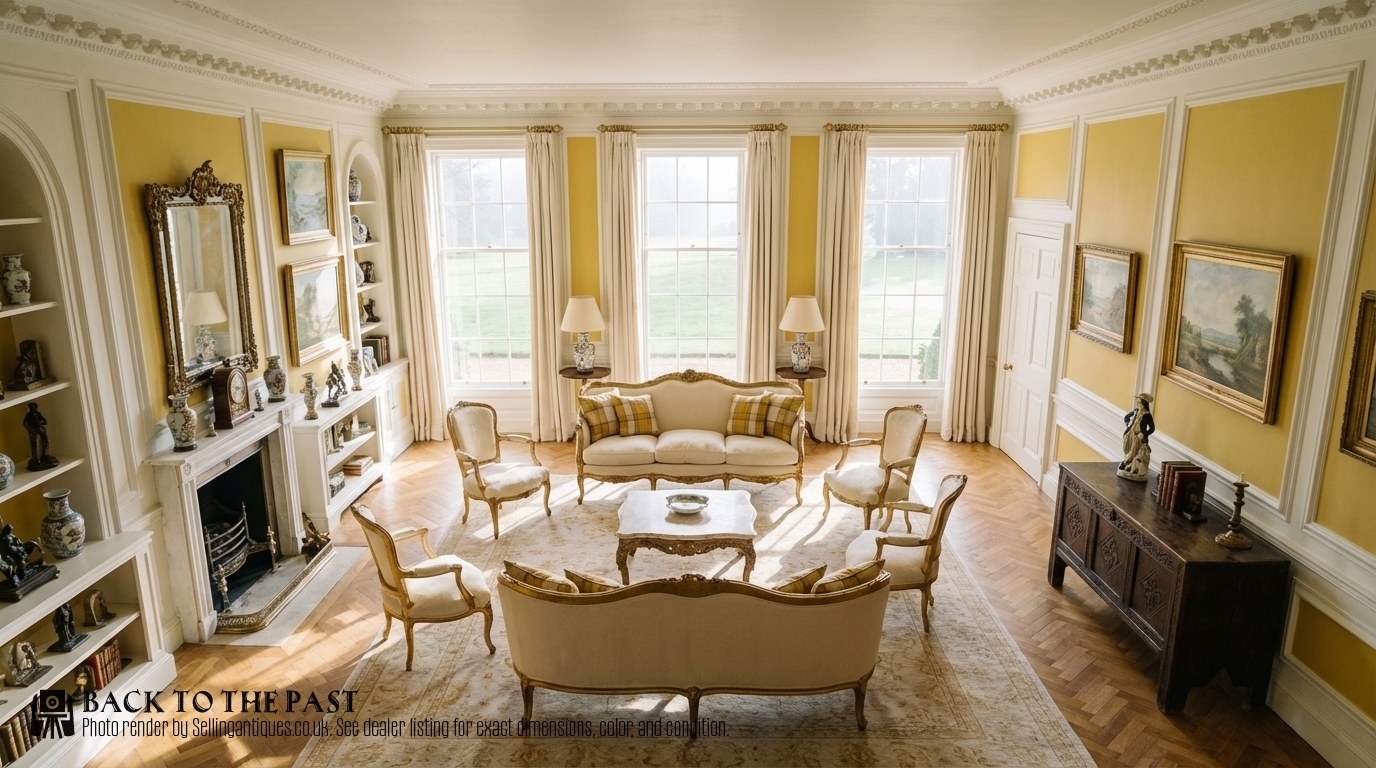
How traditional oak blanket chest pieces were made
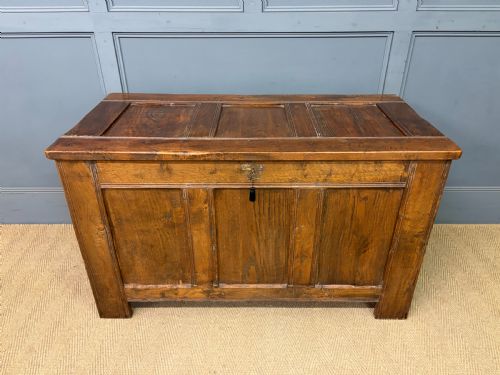
Carpenters constructed a traditional oak blanket chest using solid timber frameworks, panel-in-frame joinery, or basic six-plank assemblies. Frame and panel construction allowed the wood to expand and contract with seasonal humidity without splitting the primary structure.
Iron and brass hardware such as hinges, lock plates, and carrying handles reinforced the heavy timber joints. Workshops often utilised hand-carving techniques directly onto the oak panels, sometimes incorporating mahogany crossbanding or burr elm highlights for textural contrast.
Traditional Oak Blanket Chest Retail Price Guide 2026
Typical asking prices for traditional oak blanket chest among the pieces listed under this phrase on Sellingantiques today, from the lower quarter to the upper quarter. They describe what is for sale here now, not the wider market.
Some seventeenth-century coffers retain secret internal compartments originally designed for hiding gold coins from wandering tax collectors.
What varies in quality in a traditional oak blanket chest
The grade of timber and the crispness of hand-carving separate standard pieces from superior examples. Dense, quarter-sawn oak displaying prominent medullary rays indicates a superior selection of wood chosen by the maker.
Structural integrity relies on the tightness of original joints and the retention of primary boards in the lid and base. Superior pieces maintain their original hardware and untouched timber patination accumulated through generations of domestic service.
The Traditional Oak Blanket Chest Glossary
- Coffer
- A heavy wooden chest traditionally used for storing valuables, textiles, or documents. These sturdy containers formed the backbone of early domestic storage before dedicated wardrobes and chests of drawers became common.
- Mule chest
- A traditional storage chest featuring one or more drawers built into the base beneath the main compartment. This hybrid form bridges the gap between a standard blanket box and a chest of drawers.
- Six plank chest
- A primitive box construction method utilising six distinct boards joined directly at the edges. This straightforward technique represents some of the earliest surviving examples of domestic chest furniture.
- Crossbanding
- A decorative border technique where thin strips of veneer are laid across the grain of the primary wood. This method often frames drawer fronts or lid edges on later Georgian pieces.
- Medullary rays
- Natural ribbon-like cellular structures visible in quarter-sawn oak that create a shimmering figure across the grain. Craftsmen valued this distinctive timber patterning for high-status furniture.
Traditional Oak Blanket Chest: Frequently Asked Questions
What is a mule chest?
A mule chest combines a traditional lift-lid storage compartment at the top with one or more functional drawers fitted into the base below. This clever design allowed household linens to stay stored above while smaller garments remained easily accessible in the lower drawers.
Mule chests gained popularity during the eighteenth century, particularly in regional workshops across England and Wales. They offer greater versatility than standard blanket boxes while maintaining a solid timber presence.
How old is my oak coffer?
Dating an oak coffer involves examining the construction methods, joinery pegs, and regional carving styles. Early seventeenth-century examples typically feature boarded or joined frameworks with deeply recessed panels and hand-riven timber.
Later pieces from the eighteenth century often incorporate smoother proportions, mahogany crossbanding, or integrated drawer bases. Edwardian and 1930s revivals mimic these historical styles but generally reveal more uniform machine-sawn timber and modern internal fixings.
Where were these chests made?
These storage pieces originated across domestic workshops in England, Wales, and regional France. English and Welsh makers relied heavily on native local oak, producing robust coffers with distinctive regional carving motifs.
French provincial workshops also produced substantial oak coffers tailored to rural domestic interiors. Each region imparted subtle characteristics in the timber selection and panel decoration.
How do I care for antique oak?
Maintaining antique oak requires keeping the timber away from direct heat sources and sudden humidity shifts. Consistent indoor climates prevent the solid wood boards from drying out, warping, or cracking over time.
Applying occasional traditional wax feeds the dry grain and preserves the historic surface sheen without sealing the pores. Avoid modern silicone polishes that build up sticky residues and dull the natural timber patination.