



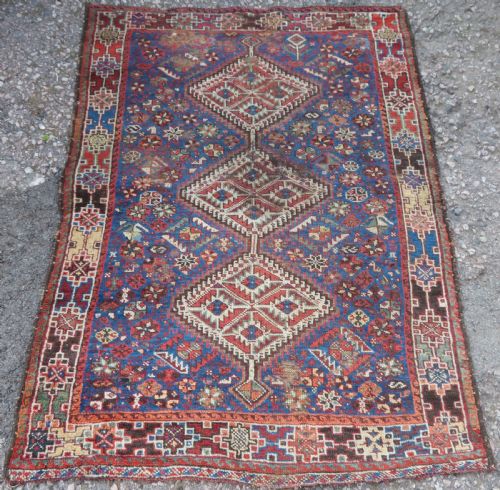
Traditional Nomadic Rug
A traditional nomadic rug brings the geometric power and rich natural palette of tribal weavers directly into your interior.
Traditional Nomadic Rug
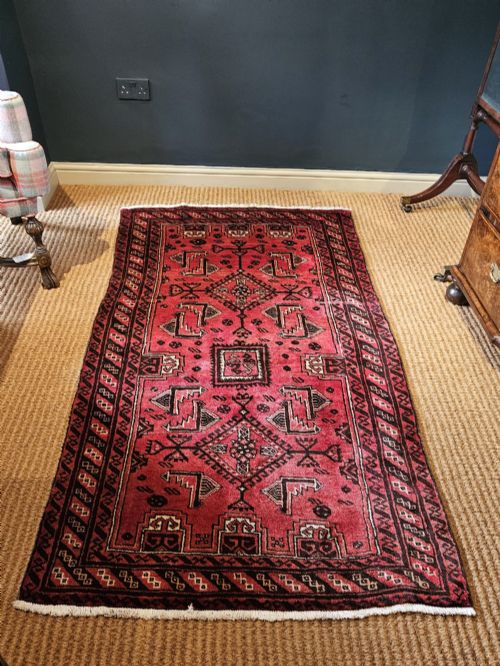
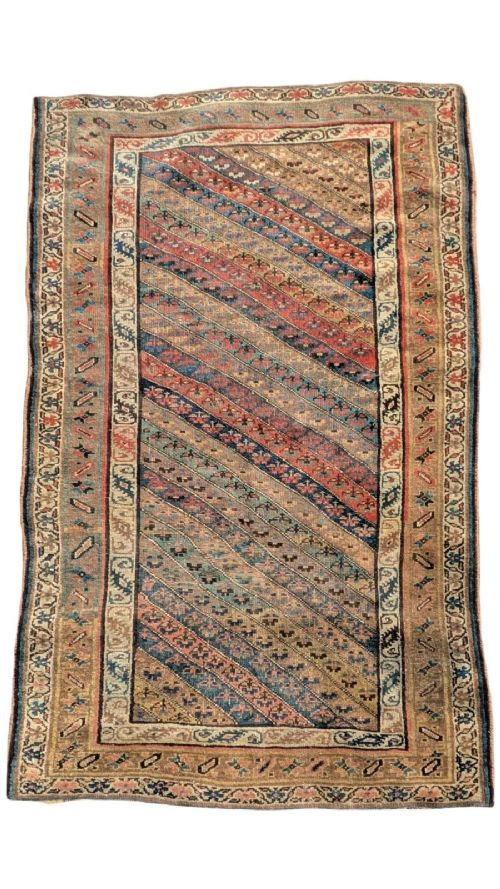
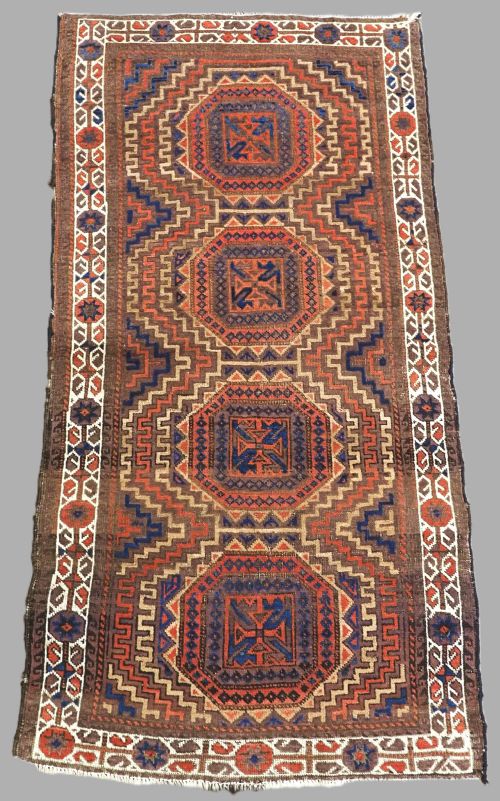
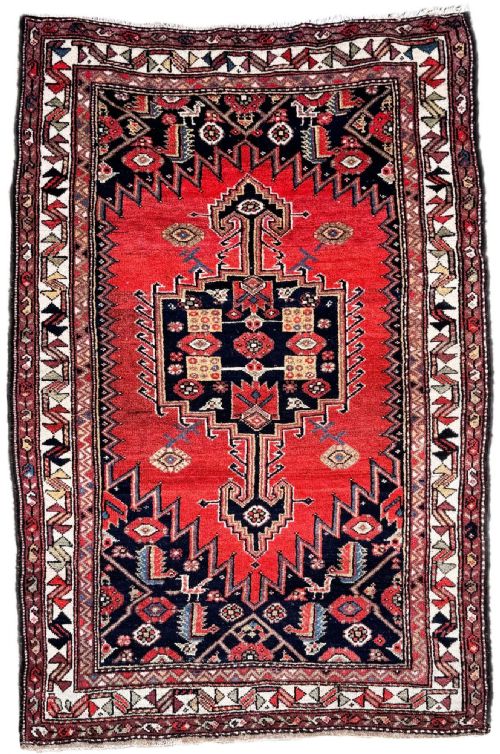
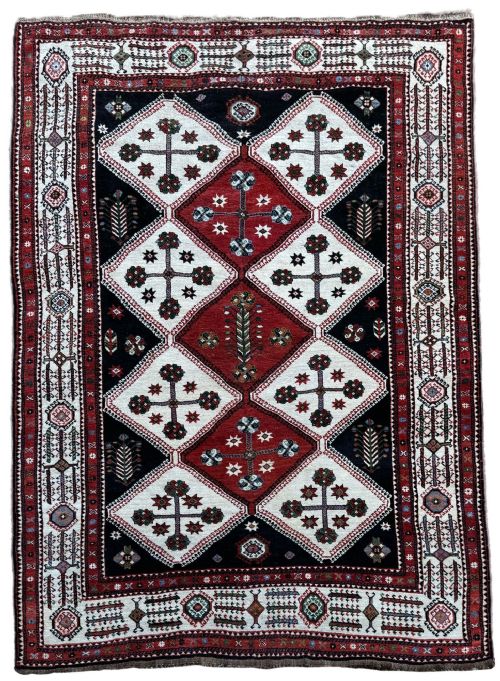
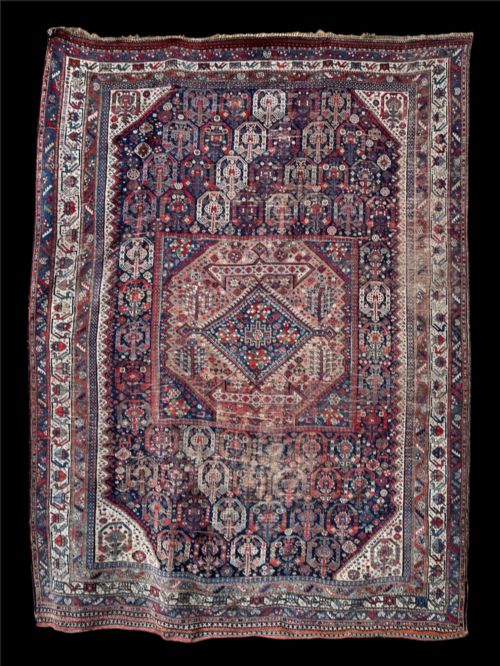
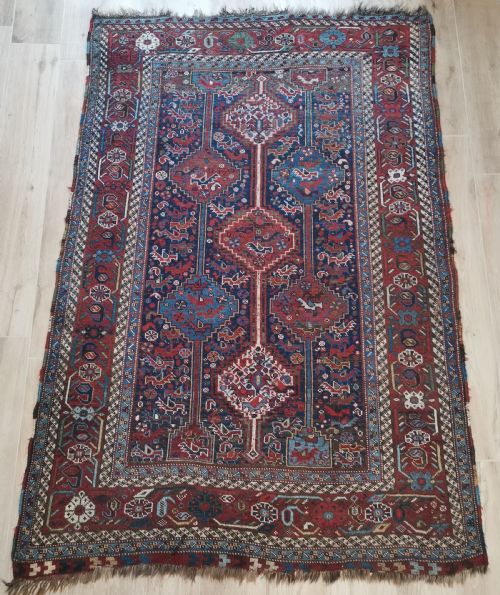
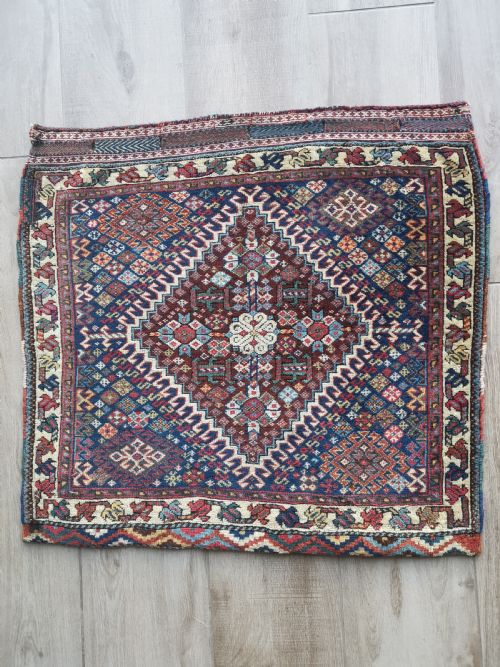
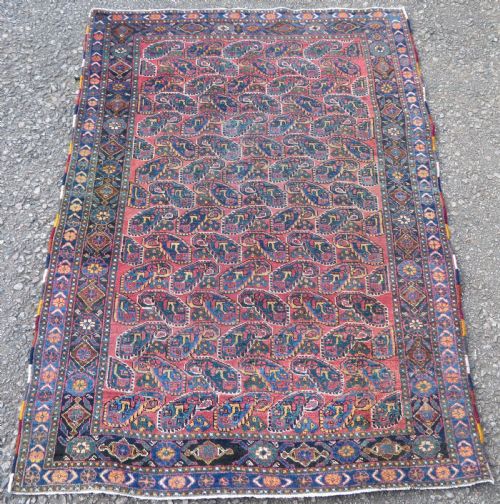
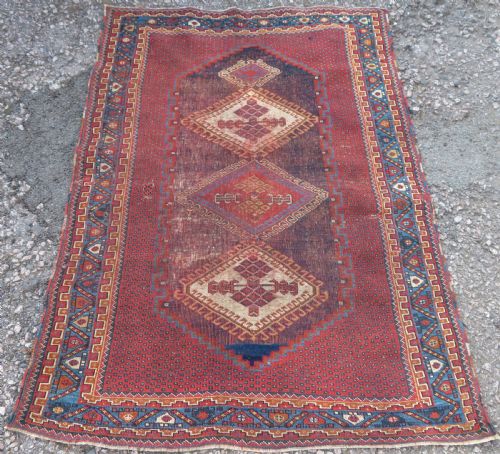
A traditional nomadic rug embodies the woven history of tribal groups across Central Asia, Persia, and the Caucasus, produced by communities ranging from the Baluch and Turkmen to the Khamseh, Afshar, and Kurdish tribes. These textiles span periods from the nineteenth century into the early twentieth century, taking forms that include main carpets, prayer rugs, runners, and functional storage bags such as jollas and torbas.
The most common examples encountered on this page originate from Persian and Central Asian tribal traditions, featuring characteristic regional motifs and village or encampment structures. Buyers encounter everything from compact bagfaces and sofreh cloths to large carpets, each reflecting the specific tribal identity and weaving traditions of its makers.
How they were made
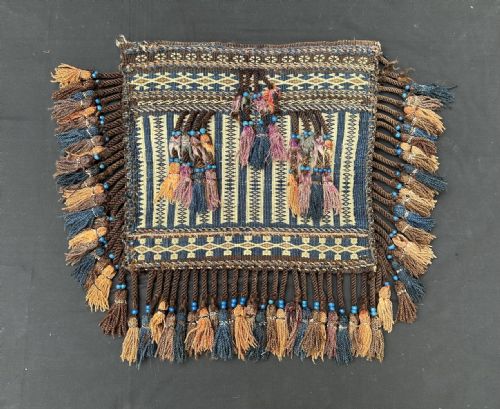
Construction relies heavily on hand-spun wool and cotton foundations, often utilising natural dyes to achieve deep reds, indigos, and earth tones that weather gracefully over time. Certain Central Asian and Uzbek pieces incorporate alternative materials like felt and silk, occasionally embellished with glass beads.
The weaving technique is hand-woven by tribal artisans working on portable horizontal or vertical looms, resulting in dense, durable piles and crisp geometric structures. Artisans knot the wool by hand, incorporating traditional iconography such as guls, mihrabs, and tribal markers unique to specific confederacies.
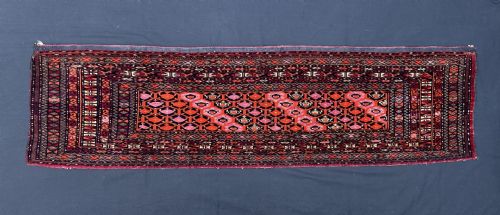
Object forms documented here include main carpets, runners, prayer rugs, bagfaces, sofreh cloths, and complete storage bags with original backs.
What varies in quality
Quality rests upon the tightness of the knotting, the handling of the wool, and the depth achieved through natural dyes. Finer examples display precise geometric execution and tightly packed piles that retain their structural integrity across generations of use.
The sophistication of the tribal design and the clarity of the regional motifs distinguish exceptional pieces from standard village work. Variations in pile retention and the preservation of original borders or bag backs further dictate the standing of an individual textile.
The Traditional Nomadic Rug Glossary
- Gul
- A medallion or octagonal motif repeated across Turkmen and Baluch carpets. These symbols often denote specific tribal lineages and family groups.
- Mihrab
- An arched design element resembling a prayer niche, commonly found on rugs designed for devotional use. This motif points toward Mecca during prayer.
- Sofreh
- A flatwoven or piled cloth used traditionally for spreading meals or handling bread dough. They often feature minimalist geometric fields suited to their utilitarian purpose.
- Torba
- A small storage bag or trapping produced by Turkmen and other nomadic groups. These pieces hung inside tents to hold household goods and personal belongings.
- Jollar
- A face of a large storage bag produced primarily by the Sariq and Teke Turkmen tribes. They typically display rows of guls and detailed border work.
Traditional Nomadic Rug: Frequently Asked Questions
How were traditional nomadic rugs used?
Nomadic groups utilised these textiles for practical daily life inside tents and temporary settlements, employing them as floor coverings, sleeping mats, and division screens. Smaller pieces and bags served to store grain, salt, bedding, and personal possessions during seasonal migrations.
Beyond domestic utility, many formats held ceremonial importance within the tribe. Prayer rugs accompanied individuals on daily devotions, while specialised bags and sofreh cloths marked weddings and community gatherings.
How do I live with an antique rug?
Living with these textiles involves placing them in areas with moderate foot traffic to preserve the hand-spun wool pile. Using a quality breathable underlay prevents slipping and cushions the foundation against hard flooring.
Maintenance requires regular gentle vacuuming without rotary beater bars and keeping the textile away from direct, harsh sunlight. Rotating the rug periodically ensures even wear across the surface over the years.
How can I tell the age of a tribal rug?
Dating relies on assessing the composition of the dyes, the preparation of the wool, and the structural characteristics of the foundation. Pieces from the nineteenth century typically display subtle abrash colour variations resulting from successive dye batches and hand-spun wool irregularities.
Structural traits such as natural dye palettes, wool quality, and traditional tribal weaving structures separate nineteenth-century examples from later twentieth-century productions. Comparing known examples from specific tribes like the Teke or Salar Khani provides a reliable chronological benchmark.