

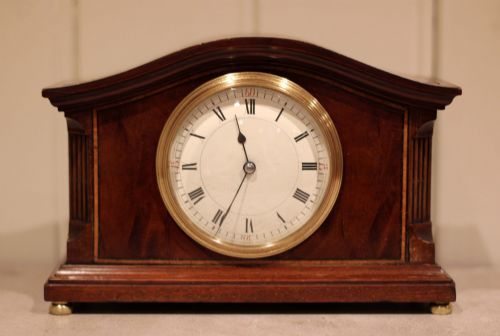
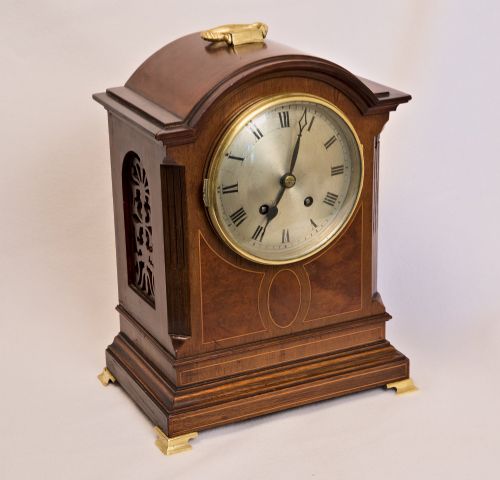


Traditional Mahogany Timepiece
A traditional mahogany timepiece brings the steady tick of nineteenth-century engineering and rich cabinet timber into a room.
Traditional Mahogany Timepiece
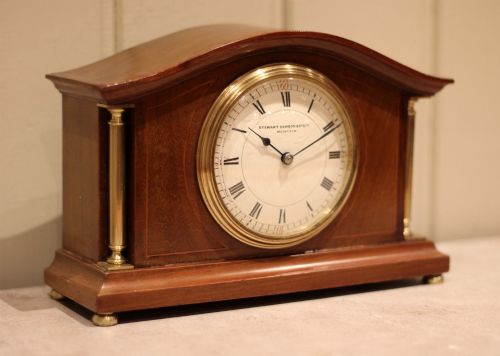
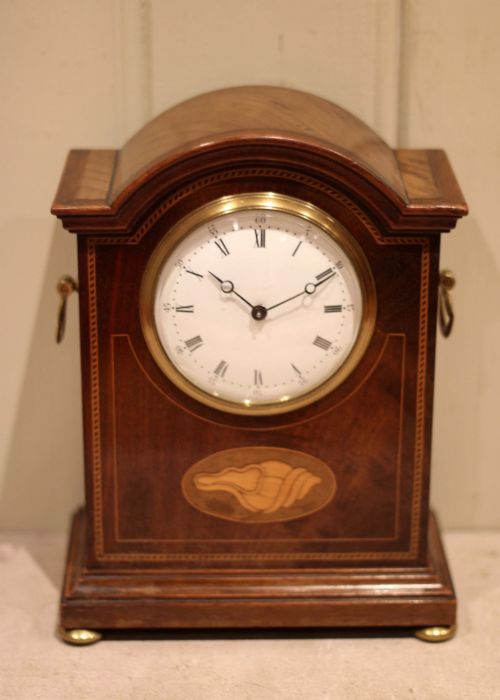
A traditional mahogany timepiece is an instrument for measuring hours, found on this page across wall, mantel, bracket and longcase formats. The selection spans the Georgian, Regency, Victorian and Edwardian eras, stretching from eighteen hundred into the early twentieth century.
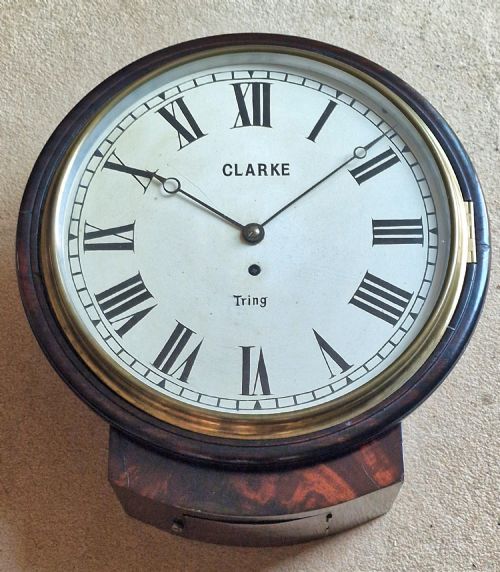
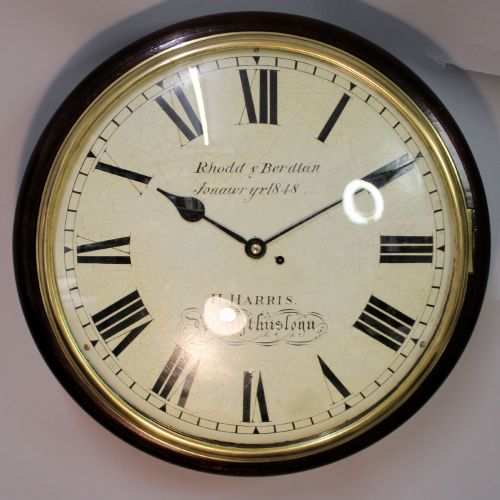
Mantel clocks and wall-hung dial clocks appear most frequently among these listings. Cabinet makers shaped the timber into lancet, balloon and drop-dial silhouettes, whilst makers integrated brass bezels and enamel or painted faces.
Assessing the work
Quality rests upon the crispness of the cabinet woodwork and the reputation of the horologist named on the dial. Simple mahogany boxes contrast with pieces featuring fine string inlay, carved bracket supports or convex glass bezels.
The sophistication of the internal movement dictates the tier of the piece. Standard spring-driven mechanisms sit below precision fusee movements designed to maintain even tension as the mainspring unwinds.
Materials recorded across these clocks include solid mahogany, satinwood, boxwood, brass bezels, convex glass and painted metal dials.
George Clarke·Henry Harris·Webster Cornhill London·Winterhalder & Hofmeier·John Wilson·John Thwaites·Edward Hannam·Malecot of Paris
The Traditional Mahogany Timepiece Glossary
- Timepiece
- A clock that measures and indicates the time without striking hours or chiming melodies. Most examples on this page rely on a single train movement for the time alone.
- Fusee
- A conical pulley used inside better-grade clocks to equalise the torque of the mainspring as it runs down. This mechanism helps the clock maintain a consistent rate throughout its winding cycle.
- Drop dial
- A wall clock featuring a circular dial mounted above an extended wooden trunk or box. This lower case often houses the pendulum swing and incorporates side access doors.
- Bracket clock
- A portable clock originally designed to sit upon a wall bracket or table. These pieces often feature carrying handles and glazed side panels to display the movement.
Traditional Mahogany Timepiece: Frequently Asked Questions
Where should I place a mahogany wall clock?
Hang your dial clock on an interior partition wall away from direct sunlight and damp conditions. Solid walls prevent vibrations that can interfere with the pendulum beat.
Ensure the hanging bracket or screw fixes securely into brick or heavy studwork to bear the weight of the timber case. Leave space around the drop box for pendulum clearance.
How do I tell a Victorian clock from an Edwardian one?
Victorian pieces often display heavier proportions, darker timber tones and robust dial surrounds. Makers during this period favoured classical architectural forms and bold numerals.
Edwardian designs tend towards lighter satinwood stringing, inlaid floral motifs and more slender balloon or lancet cases. The overall aesthetic shifts from heavy presence to refined domestic elegance.
Why does my clock need a level surface?
Mechanical movements require a plumb setup to maintain an even 'tick-tock' rhythm. If the case leans, the pallet arms strike the escape wheel unequally and the clock stops.
Adjust the case feet or wall mount until the pendulum swings with symmetrical beats on both sides. A steady rhythm ensures reliable timekeeping throughout the week.