
Traditional Mahogany Stand
A traditional mahogany stand brings deep timber warmth and practical utility to a room, spanning folding butler trays, wine tables, and luggage racks.
Traditional Mahogany Stand
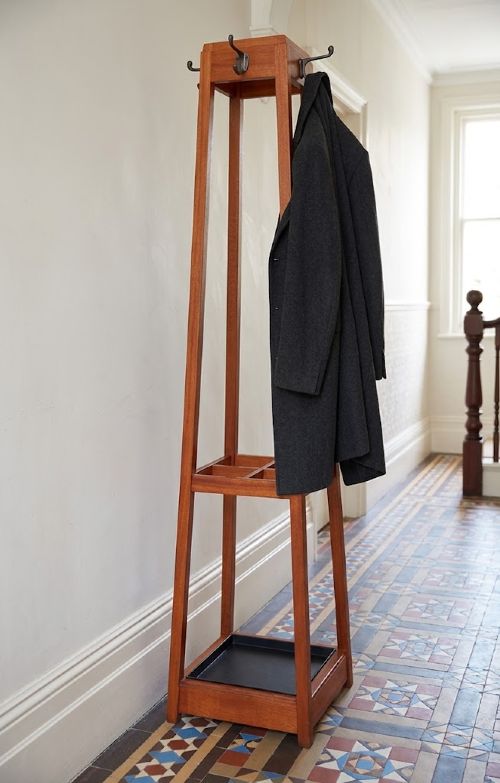
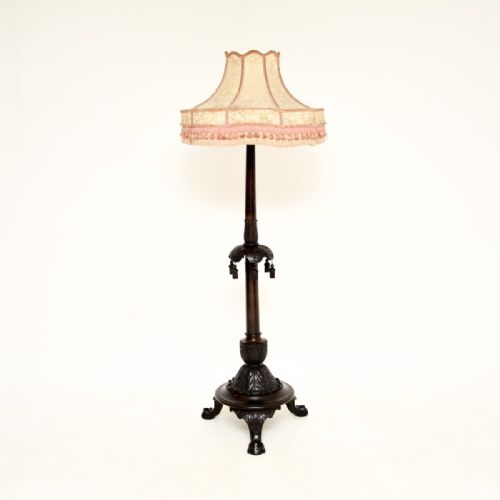
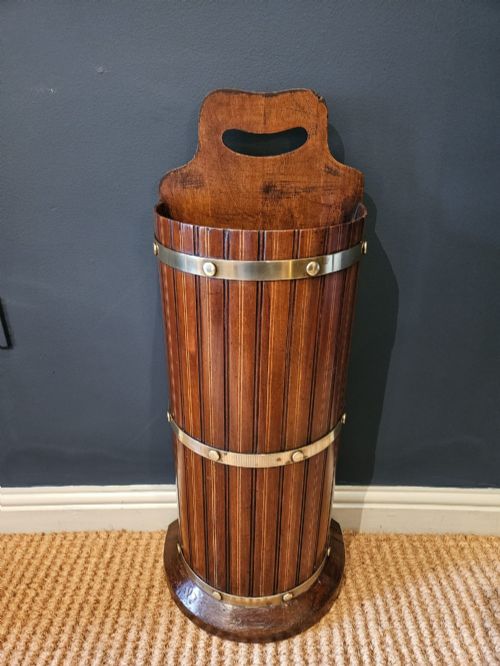
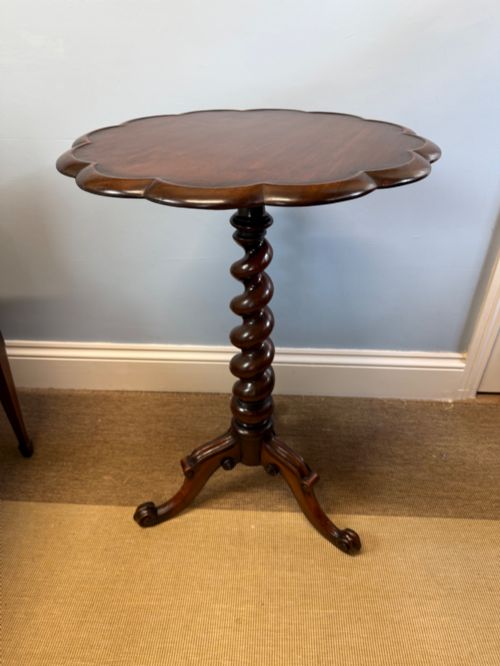
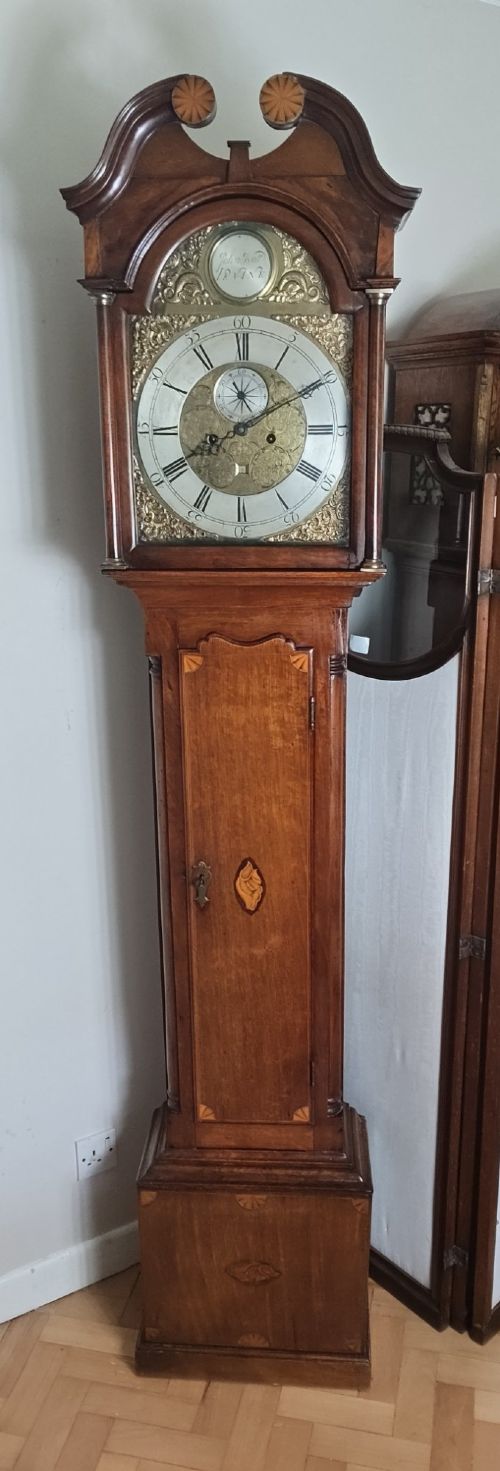
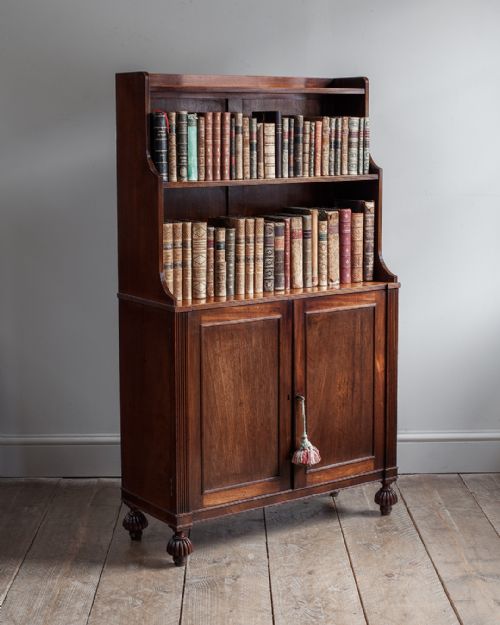
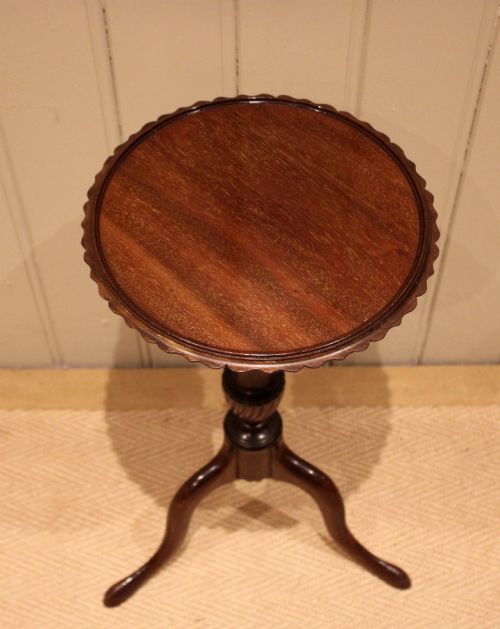
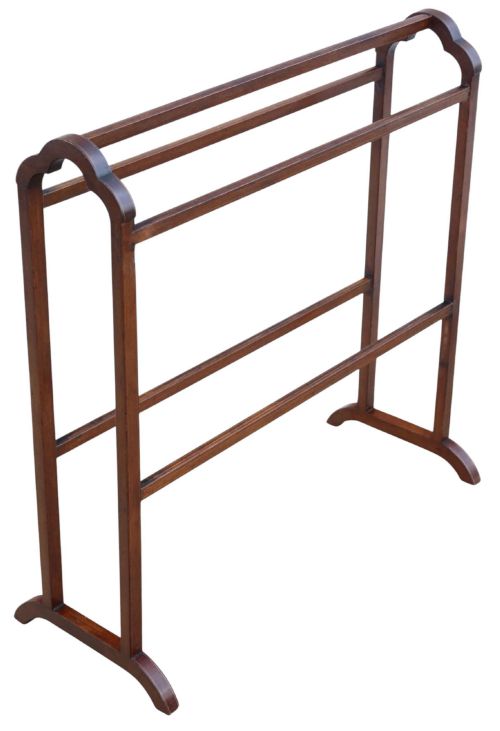
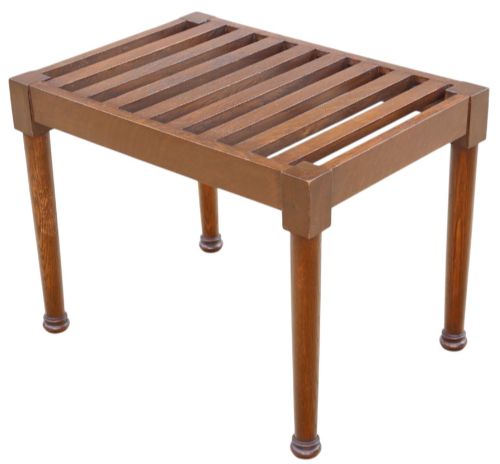
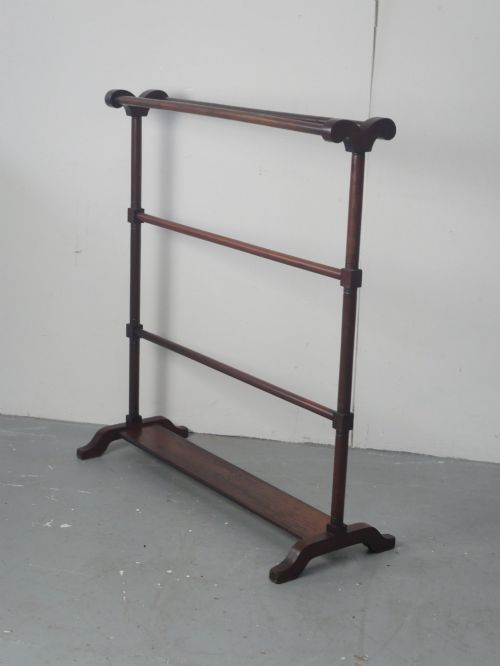
When you search for a traditional mahogany stand, you encounter a varied selection of functional furniture pieces built primarily from rich tropical timber. The inventory spans compact wine tables, folding butler trays, luggage racks, towel rails, and boot stands.
Most examples originate from the Georgian, Victorian, and Edwardian eras, alongside later revival periods. Pieces range from small occasional items designed to hold a single glass or lamp to substantial hall furniture intended for daily domestic service.
How they were constructed
Cabinet makers utilised solid mahogany and polished veneers, frequently selecting dense hardwoods for stability in daily use. Brass fittings, leather inserts, and delicate satinwood inlay appear on select items to accent the dark grain.
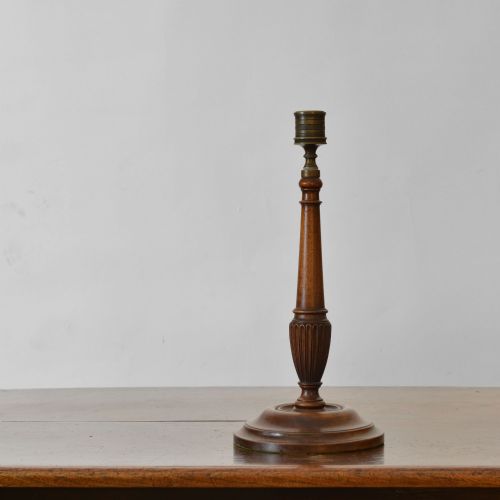
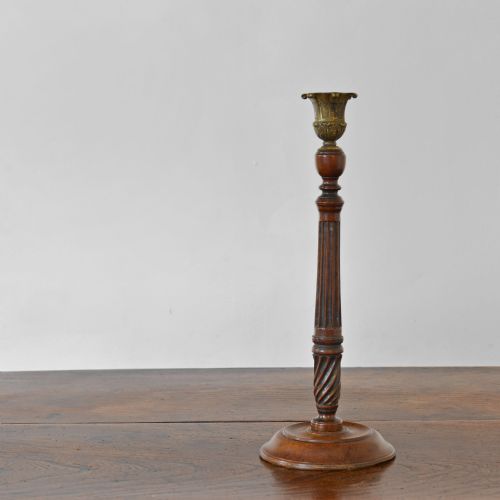
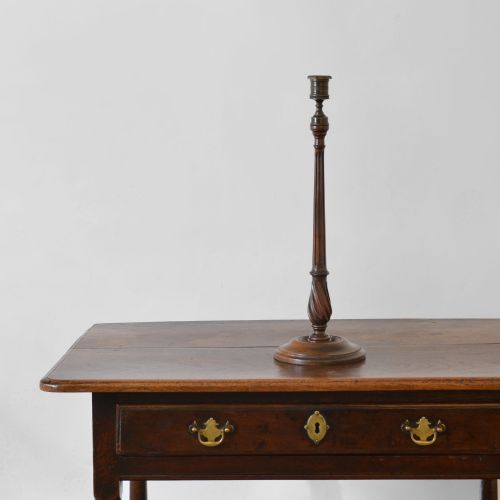
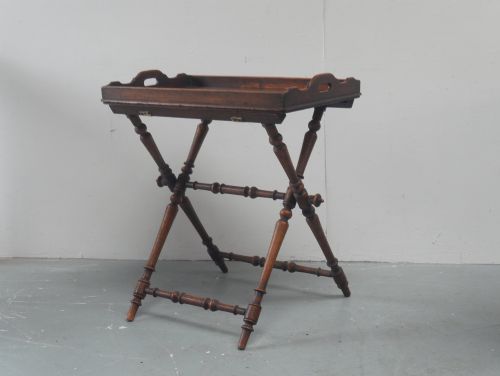
Construction techniques involve stable tripod bases, folding wooden X-frames for trays, and sturdy joinery designed to bear weight. Turning, carving, and edge moulding define the profile of candlesticks, table rims, and upright supports.
Materials across the selection include solid mahogany, brass, glass, steel, fabric, leather, and satinwood inlay.
What separates the tiers
The standard of timber selection and depth of polish set superior examples apart from utilitarian pieces. Crispness in hand-carved details, such as paterae or tripod feet, demonstrates the maker's skill and time invested.
Structural integrity remains paramount, visible in the tightness of joints and the smooth operation of folding mechanisms or detachable table tops. Original brass hardware and untouched surface patination enhance desirability.
James McCabe·Winsor Bishop Norwich
The Traditional Mahogany Stand Glossary
- Mahogany
- A durable, reddish-brown tropical hardwood prized for its rich grain and stability in fine furniture making. It accepts a high polish and resists warping.
- Tripod table
- A small freestanding table supported by a central pillar on three spreading legs. This form allows the top to tilt or detach on many examples.
- Butler's tray
- A rectangular wooden tray with hinged or shaped sides, designed to lift off a folding X-frame stand. It served functional roles in domestic dining.
- Paterae
- Small circular decorative carvings resembling rosettes, frequently inlaid or carved into neoclassical furniture. They accent friezes and rails.
- Pie crust rim
- A raised, ornately carved edge on a small circular table top, shaped to resemble pastry crust. It prevents items from sliding off.
Traditional Mahogany Stand: Frequently Asked Questions
What is a butler tray stand used for?
A butler tray stand provides a portable surface for serving drinks or holding books, combining a removable wooden tray with a folding support frame. This design allowed domestic staff to clear rooms quickly.
Today, these pieces function well as portable side tables or cocktail stations in living spaces. The folding base stores flat when not in use.
How do I date a mahogany wine table?
Dating relies on observing leg profiles, column turnings, and the method used to attach the top to the base. Georgian examples often feature slender, elegant proportions and subtle hand-carving.
Later Victorian and Edwardian pieces may incorporate heavier timbers or revival styling cues. Examining the finish and wear patterns helps confirm the period.
Are these stands suitable for small rooms?
Compact occasional tables, wine tables, and folding tray stands occupy minimal floor space while offering functional surface area. Their slender uprights keep sightlines open.
Items like towel rails and luggage stands also fit narrow hallways or bedrooms without crowding the interior. The dark timber adds warmth without visual bulk.
How do I care for mahogany surfaces?
Maintenance involves dusting with a soft cloth and applying a quality beeswax periodically to nourish the timber. Avoid placing pieces near direct heat sources or strong sunlight to prevent fading.
Using coasters and mats protects the polished surface from moisture rings and heat marks. Regular gentle buffing preserves the natural depth of the grain.