
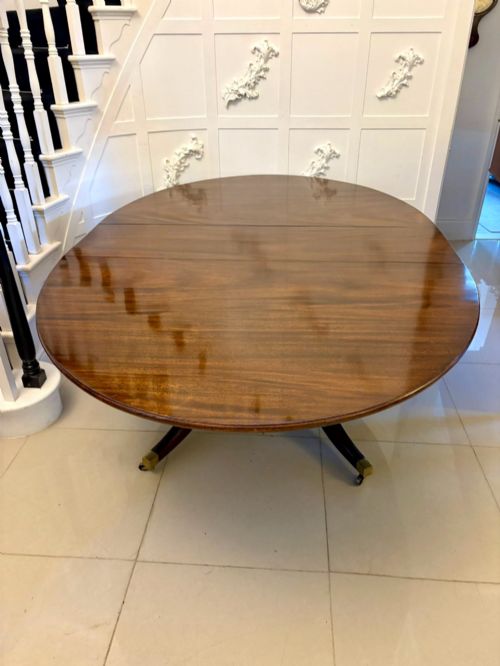
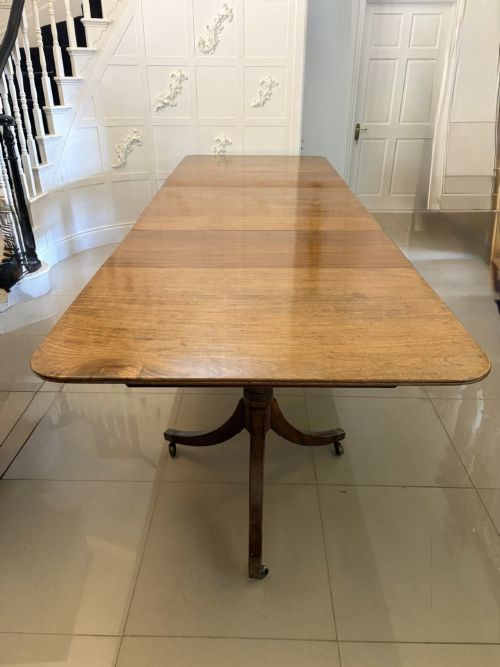


Traditional Mahogany Dining Room Table
A traditional mahogany dining room table brings warmth and enduring proportion to a home, offering sturdy timber and generous length for gatherings.
Traditional Mahogany Dining Room Table
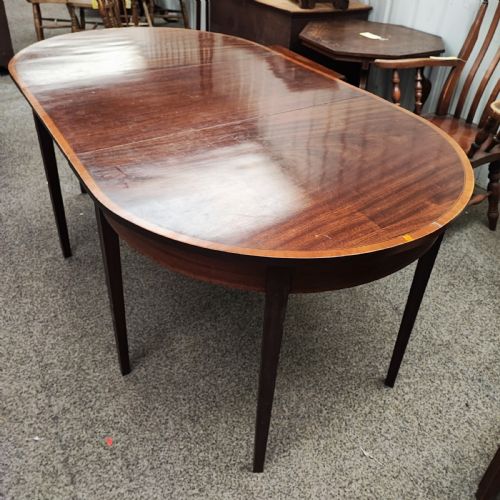
A traditional mahogany dining room table provides a solid timber surface designed for large meals and family gatherings. Buyers searching this phrase encounter substantial pieces built to accommodate multiple diners with ease.
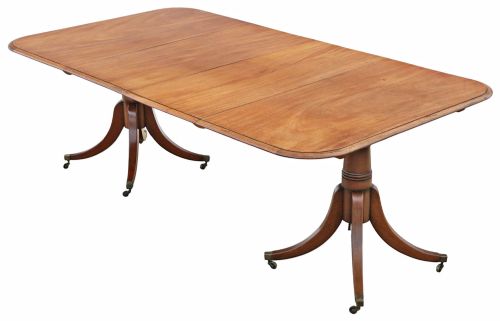
The options span several distinct eras, appearing in nineteenth century variants, Regency designs, and Georgian styles. Many examples incorporate extending mechanisms and extra leaves to alter the overall length.
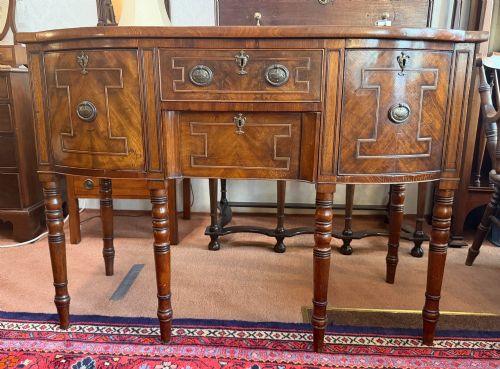
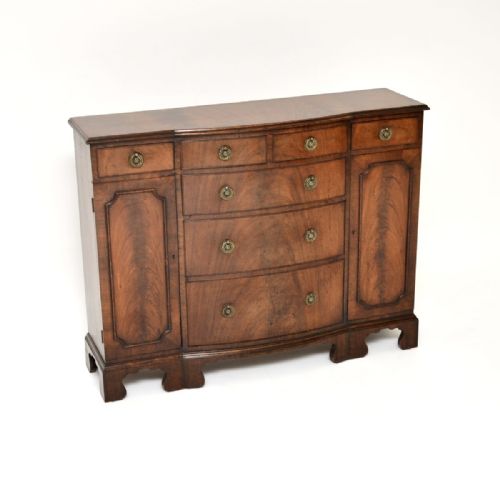
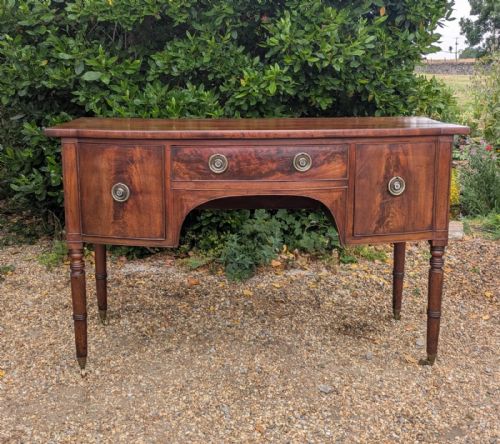
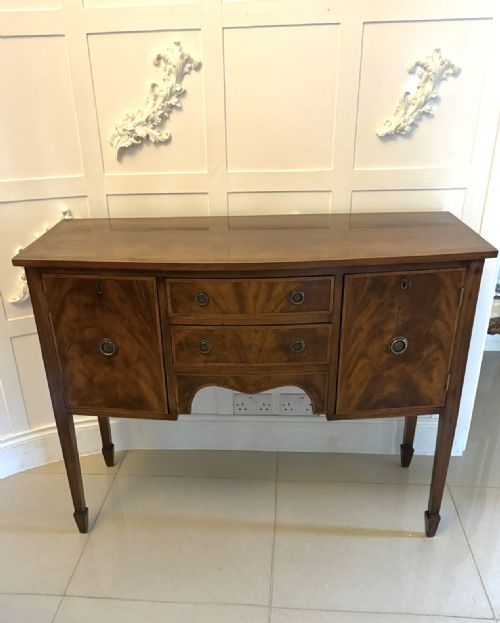
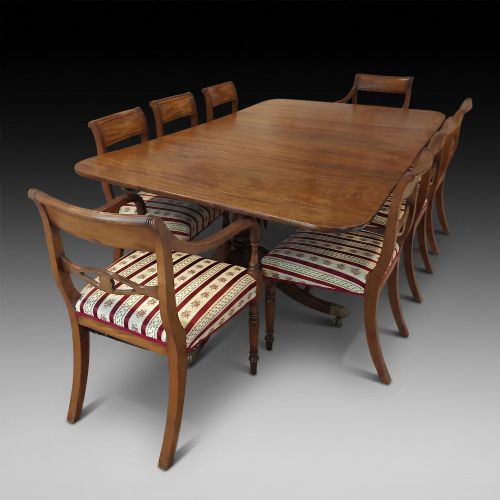
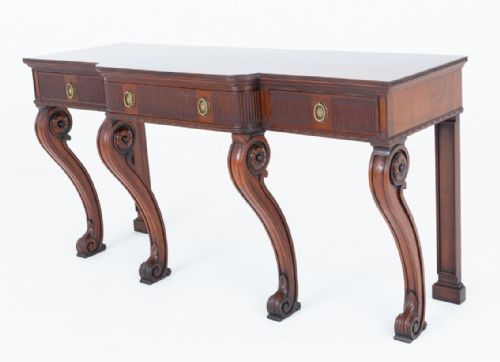
Alongside the central tables, the selection includes related dining furniture such as sideboards, servers, and matching chair sets. These accompanying items share the dark timber tones and formal character of the primary tables.
What varies in quality
The calibre of a piece rests heavily on the selection of the timber and the crispness of any inlaid work. Superior examples display striking grain patterns and precise contrasting borders without distraction.
Structural complexity also defines the better items, particularly in the engineering of smooth extending mechanisms with multiple leaves. Solid pillar supports and balanced proportions distinguish the finer dining tables from simpler forms.
Some Victorian dumb waiters come with three tiers, proving that our ancestors took their side-table storage very seriously indeed.
Maple & Co
The Traditional Mahogany Dining Room Table Glossary
- Flame mahogany
- A veneer cut from the fork of the tree branch to produce a fiery, swirling grain pattern. It appears frequently on the drawer fronts of sideboards.
- Extension leaf
- A removable timber board inserted into a table mechanism to increase seating capacity. These allow large dining tables to expand for guests.
- Pedestal
- A central columnar support beneath a table top, sometimes dividing into multiple pillars. This design leaves maximum legroom for seated diners.
- Satinwood inlay
- A contrasting pale yellow wood inserted into the mahogany surface in geometric or floral patterns. It provides a bright border to darker panels.
- Bow-front
- A convex curved cabinet front that swells outwards towards the viewer. This shape softens the corners of sideboards and serving pieces.
Traditional Mahogany Dining Room Table: Frequently Asked Questions
How many people do these tables seat?
Many of these dining tables include extending mechanisms and multiple leaves to accommodate large parties. They frequently seat eight to ten guests comfortably.
Smaller formats appear alongside grander three pillar versions designed for twelve or more diners. The inclusion of leaves allows owners to adjust the length according to daily needs.
What periods do these pieces represent?
The selection spans the eighteenth, nineteenth, and early twentieth centuries. Georgian and Regency pieces sit alongside Victorian and Edwardian examples.
Later revivals from around nineteen hundred also feature strongly, copying earlier cabinet-making traditions. Each period brings distinct proportions and decorative details to the timber.
How do I care for a mahogany table?
Maintenance involves regular dusting with a soft cloth and occasional application of appropriate beeswax to nourish the timber. Avoiding direct sunlight prevents the rich reddish-brown colour from fading unevenly.
Using heat-resistant mats protects the polished surface from hot dishes and moisture. Careful handling of extension leaves ensures the wooden runners remain undamaged.
What pieces match a dining table?
Matching items include sideboards, serving tables, and suites of dining chairs complete with carvers. These pieces share the same dark mahogany timber and formal aesthetic.
Buffets and dumb waiter stands also complement the primary dining furniture by offering additional surface space. Together they create a unified dining room interior.